




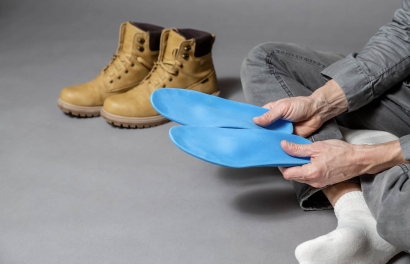
A Complete Guide to Foot Support, Pain Relief and Biomechanical Alignment
Orthotic insoles are specialised shoe inserts designed to improve the way the foot functions during walking, standing and physical activity.
They work by supporting the natural structure of the foot, redistributing pressure across the sole and improving overall alignment. By stabilising the feet, orthotic insoles can help reduce pain, improve comfort and support better posture throughout the body.
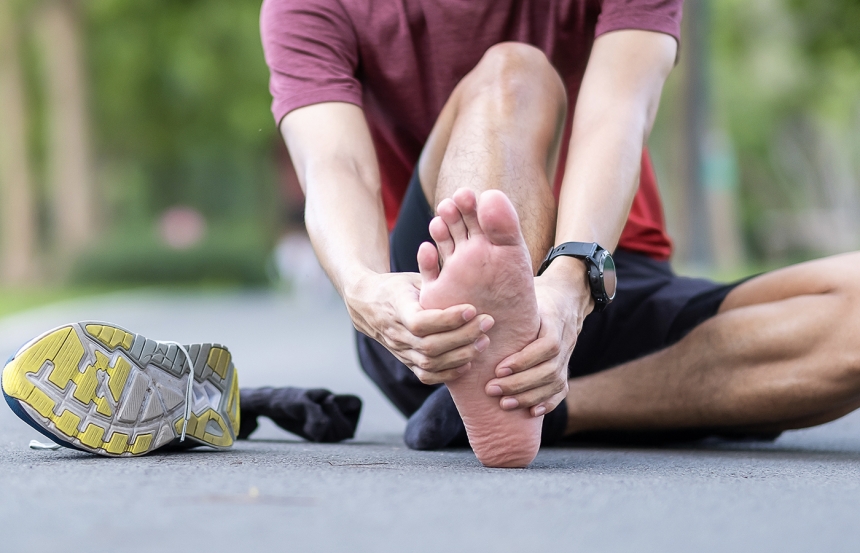
Foot pain is extremely common. Many people experience problems such as heel pain, arch strain, plantar fasciitis or fatigue caused by long periods of standing or walking.
Orthotic insoles offer a practical and often highly effective solution. By providing targeted support where the foot needs it most, they help correct abnormal movement patterns and reduce the stress placed on muscles, ligaments and joints.
Healthcare professionals including podiatrists, physiotherapists and orthotists frequently recommend orthotic insoles as part of conservative treatment for many musculoskeletal conditions. They are widely used in both clinical practice and everyday life, from sports performance to workplace comfort.
Orthotic insoles (also called foot orthoses, arch supports or shoe inserts) are removable devices placed inside footwear to improve foot mechanics and support the natural shape of the foot. They may be:
- Prefabricated insoles – ready-made devices designed for general support.
- Semi-bespoke orthotics – pre-manufactured shells that can be customised.
- Custom orthotics – individually prescribed devices made from foot scans or moulds.
How Orthotic Insoles Work
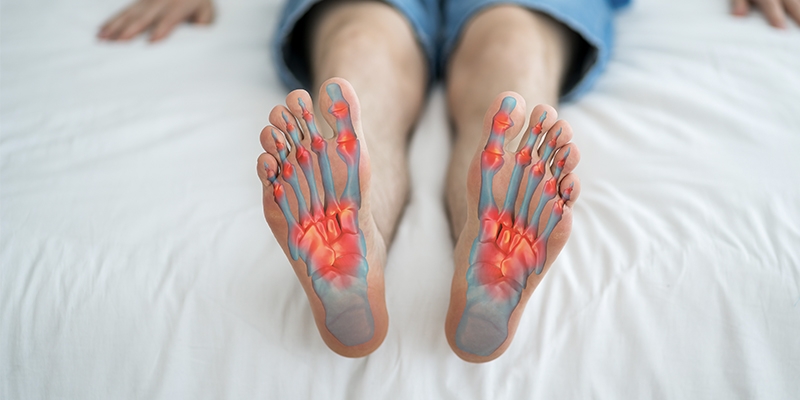
The human foot contains 26 bones, numerous ligaments and muscles, and complex joints that work together to absorb impact and propel the body forward. When the foot does not function optimally, excessive pressure or abnormal movement patterns can occur. This may lead to pain not only in the feet but also in the knees, hips and lower back.
Orthotic insoles influence how forces are distributed across the foot when standing or walking. Instead of allowing pressure to accumulate in specific areas, orthotics help spread load more evenly and support natural foot mechanics.
- Arch support reduces strain on the plantar fascia.
- Pressure redistribution reduces painful hotspots under the heel or forefoot.
- Improved alignment helps normalise walking mechanics.
- Shock absorption reduces fatigue during prolonged activity.
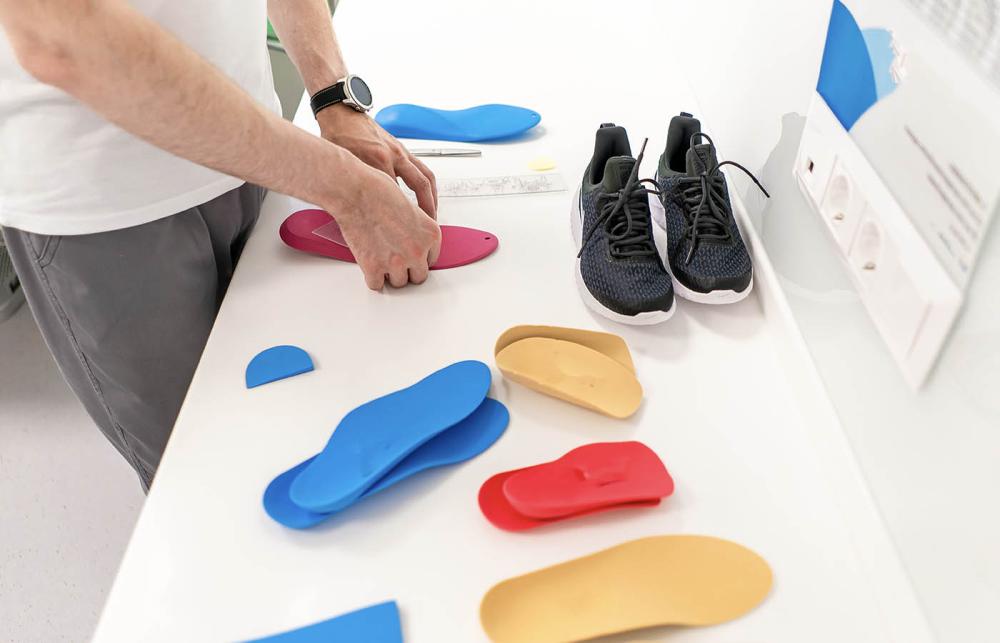
Common Conditions Treated with Orthotic Insoles
- Plantar Fasciitis – arch support reduces strain on the plantar fascia.
- Flat Feet – orthotic arch support helps stabilise collapsed arches.
- Overpronation – insoles limit excessive inward foot rolling.
- Heel Pain and Heel Spurs – cushioning reduces impact stress.
- Metatarsalgia – forefoot support redistributes pressure.
- Diabetic Foot Risk – diabetic insoles help reduce ulcer risk.
Types
| Type | Description | Best For | Typical Cost |
|---|---|---|---|
| Custom Orthotics | Made from a scan or mould of the foot. | Complex biomechanical issues | £120 - £400+ |
| Semi-Bespoke Orthotics | Pre-designed shells that can be moulded or modified. | Moderate foot problems | £80 - £150 |
| Prefabricated Insoles | Ready-made insoles suitable for many users. | General support and comfort | £10 - £60 |
Popular Product Categories
Algeos Best-Selling Insoles
These are some of the standout orthotic insole products regularly highlighted across the Algeos range. They cover everything from plantar fasciitis and overpronation to diabetic pressure relief and everyday biomechanical support, making them useful for both clinicians and consumers looking for proven, widely used options.
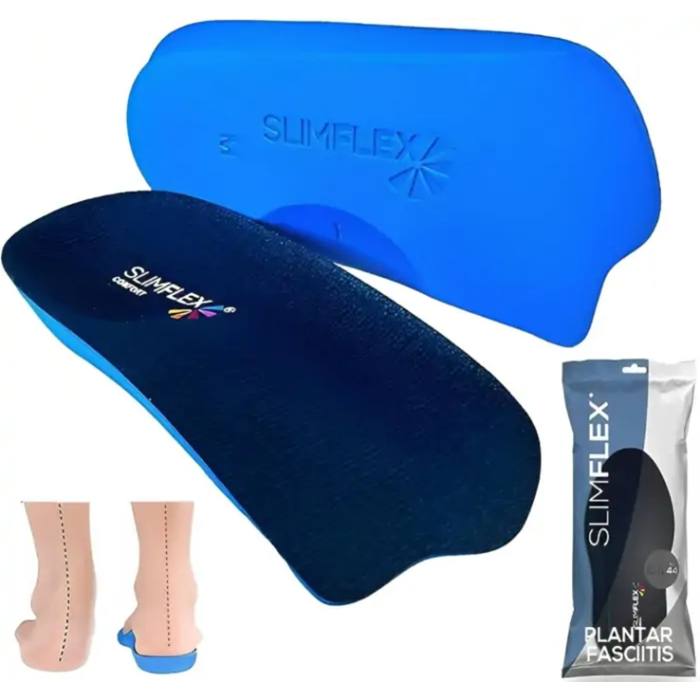
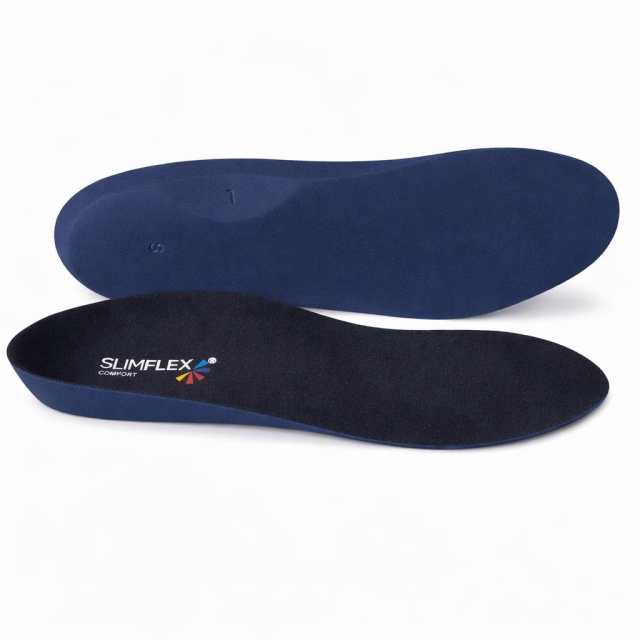
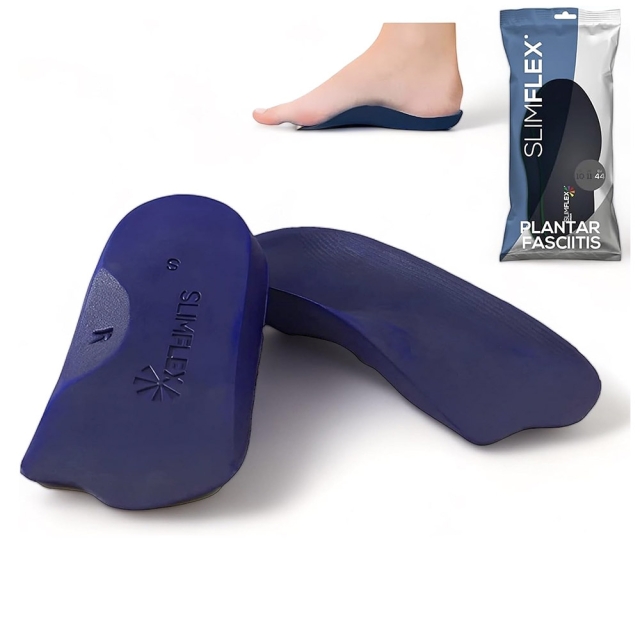
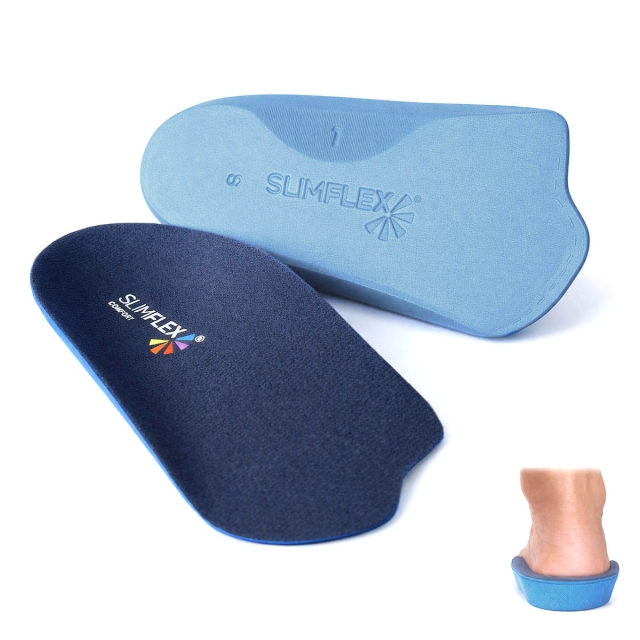
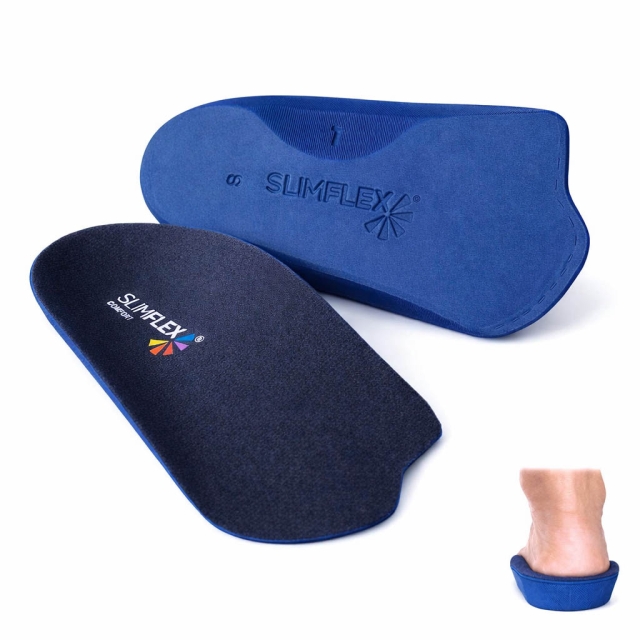
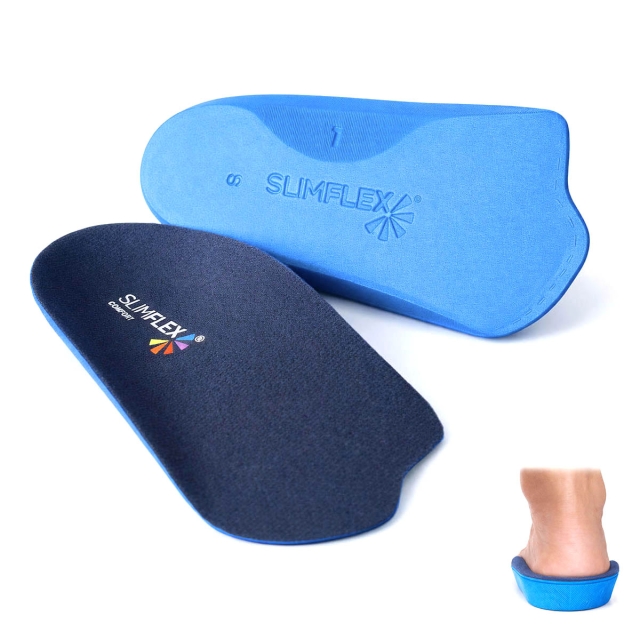
Slimflex Comfort 3/4 Length Orthotic Insoles
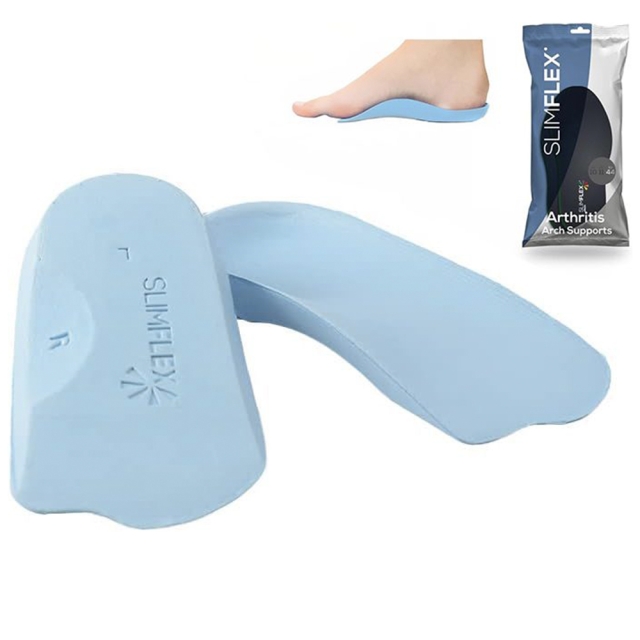
A popular NHS-recommended option for plantar fasciitis, arch strain, overpronation and everyday heel pain. The 3/4 length design also makes it easier to fit into narrower shoes.
View product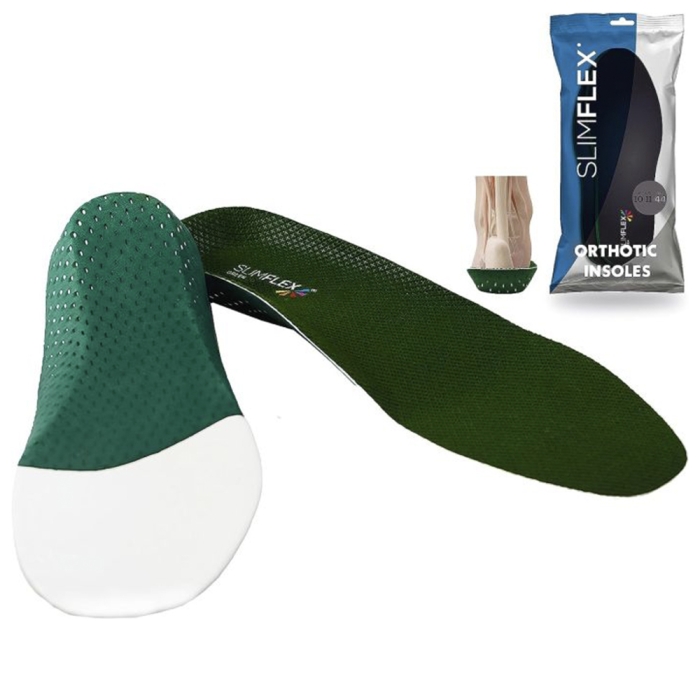
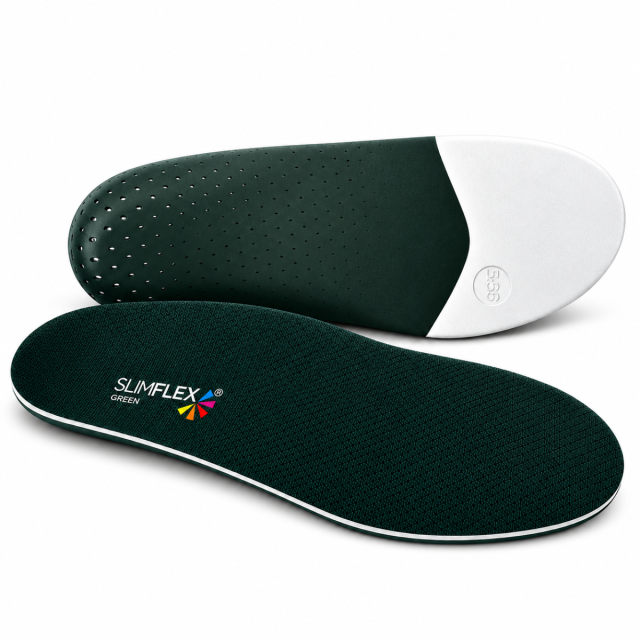
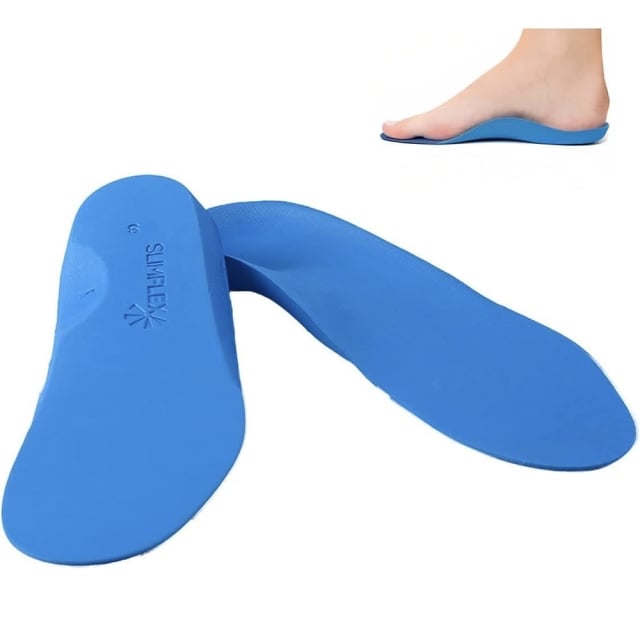
Slimflex Green Orthotic Insoles
A clinician-trusted option with moderate heel and arch support, often used for plantar fasciitis discomfort, arch fatigue, mild flat feet and day-to-day biomechanical support.
View product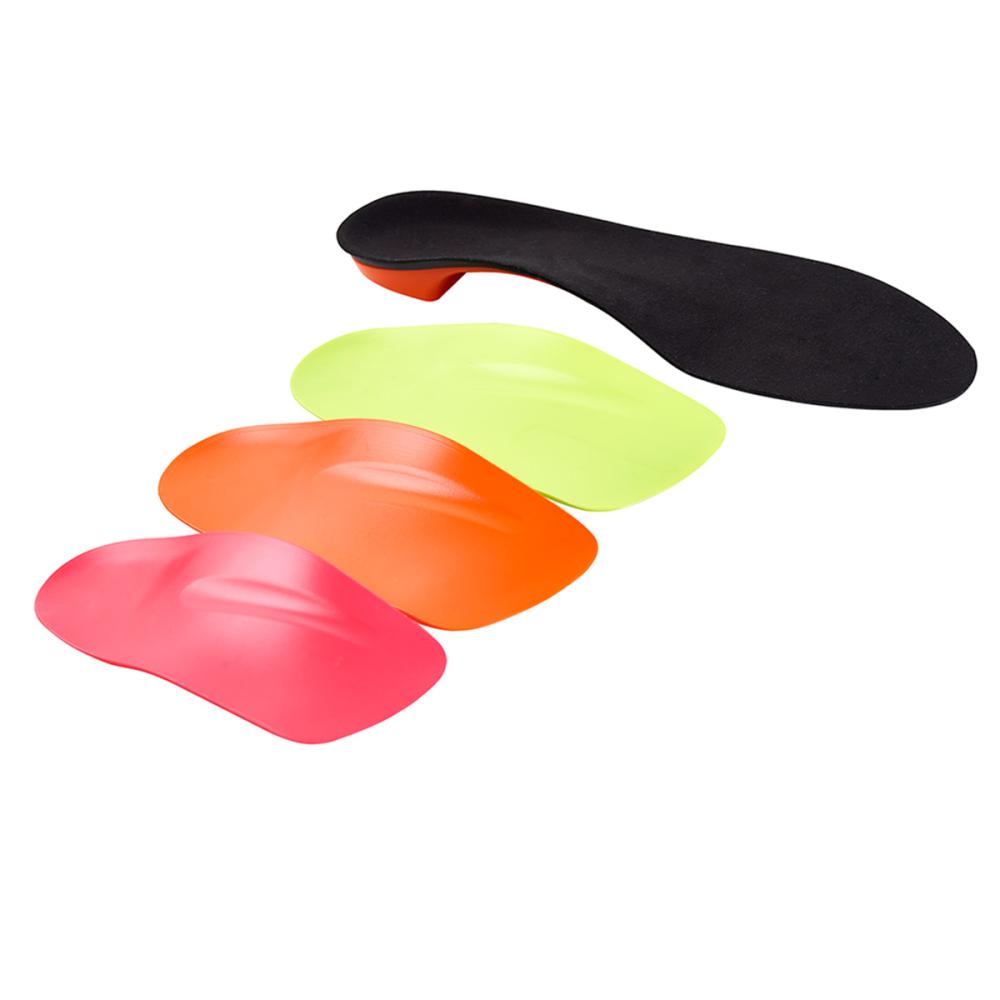
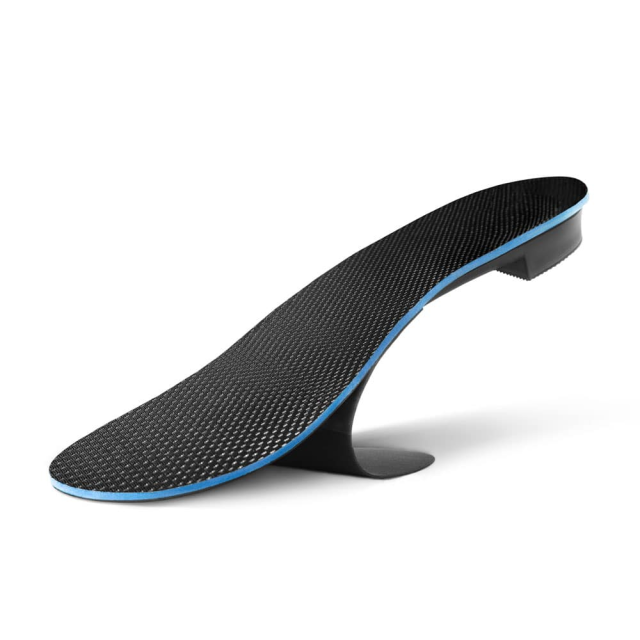
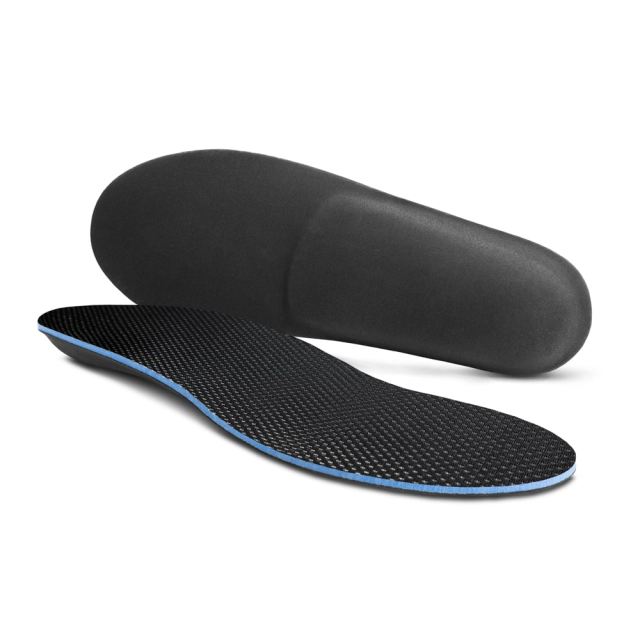
Interpod Flex Foot Orthotics
A durable polypropylene orthotic designed for dependable support, available in multiple arch heights and widely used as a practical alternative to custom-made orthotics.
View product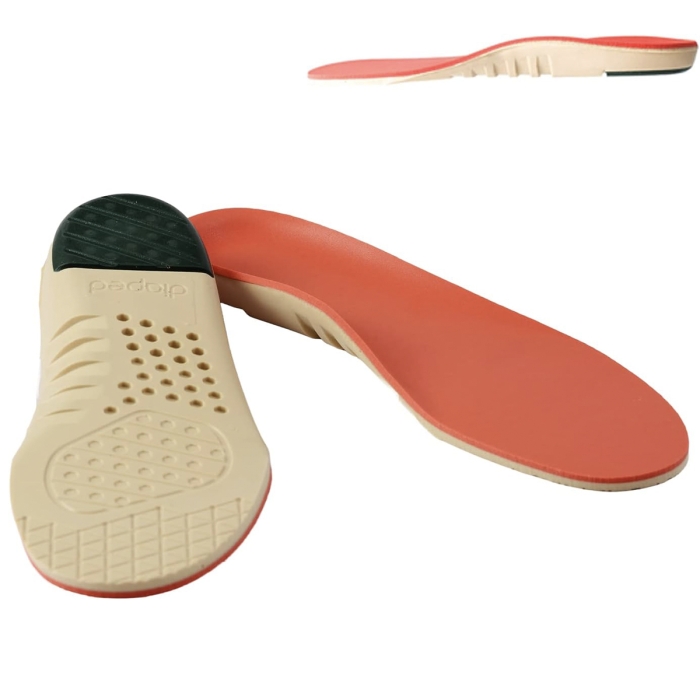
Duosoft Plus Diabetic Insoles
A soft, pressure-relieving insole designed for diabetes, arthritis and sensitive feet. It is positioned for cushioning, friction reduction and ulcer-prevention support.
View product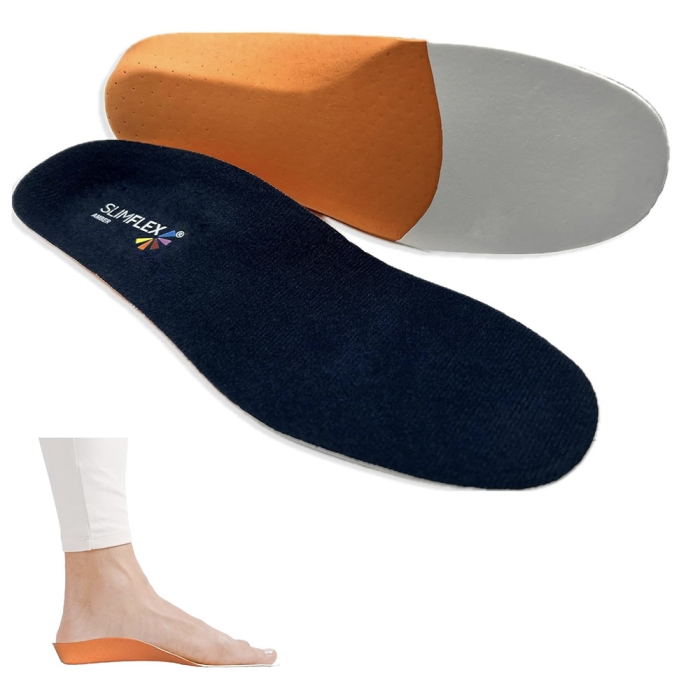
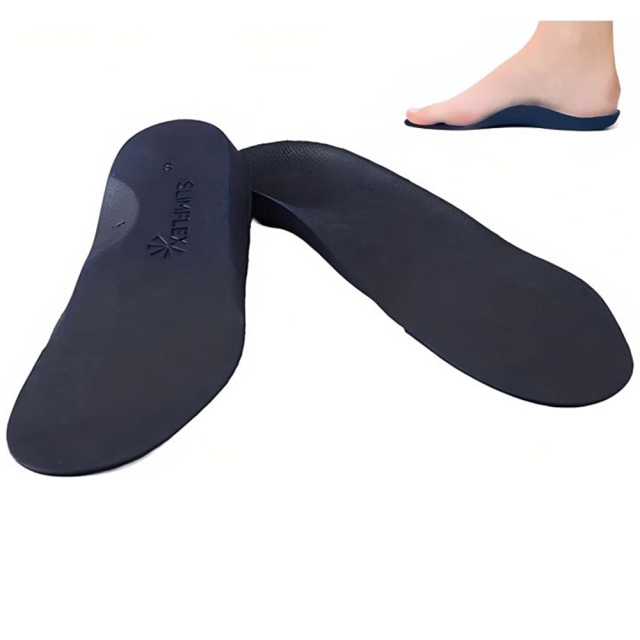
Slimflex Amber Orthotic Insoles
A firmer rearfoot-control orthotic designed for overpronation, structured arch support and patients who need a more controlling device than softer comfort-led insoles.
View product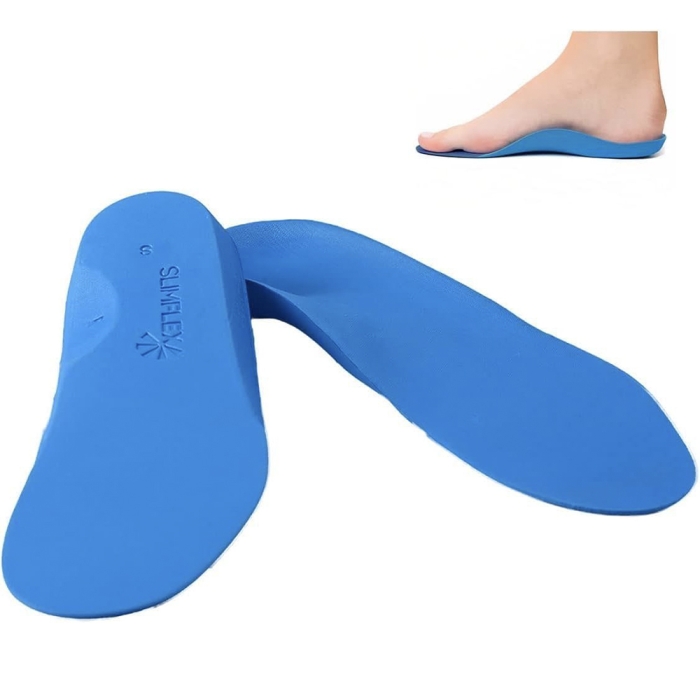
Slimflex Simple Medium Density Orthotic Insoles
A versatile medium-density EVA orthotic used for plantar fasciitis, metatarsalgia and overpronation. A strong option when you want a balanced mix of support, adaptability and value.
View productTip: place this section just below your NHS section or directly above the FAQ so it strengthens internal linking, commercial relevance and keyword coverage for orthotic insoles, plantar fasciitis insoles, diabetic insoles and arch support products.
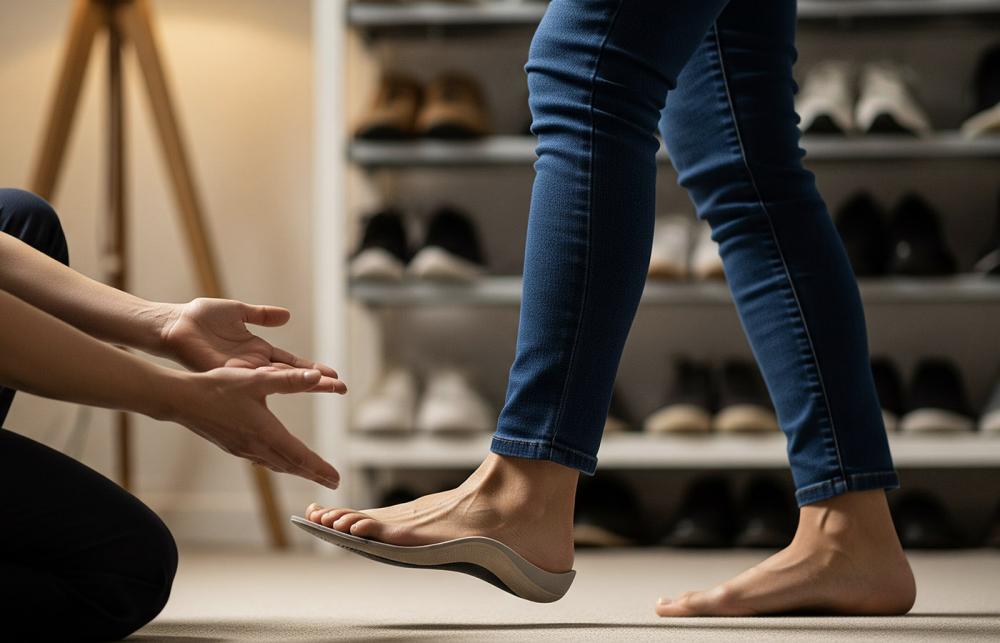
Choosing the Right Orthotic Insoles
Selecting appropriate orthotic insoles involves understanding the underlying cause of foot pain and choosing the right level of support. Many people benefit from prefabricated orthotics, but more complex conditions may require professional assessment.
- Identify the source of pain or discomfort.
- Consider arch height and foot posture.
- Choose insoles compatible with footwear.
- Gradually increase wear time.
- Replace insoles when cushioning or structure deteriorates.
Insoles and Sports Performance
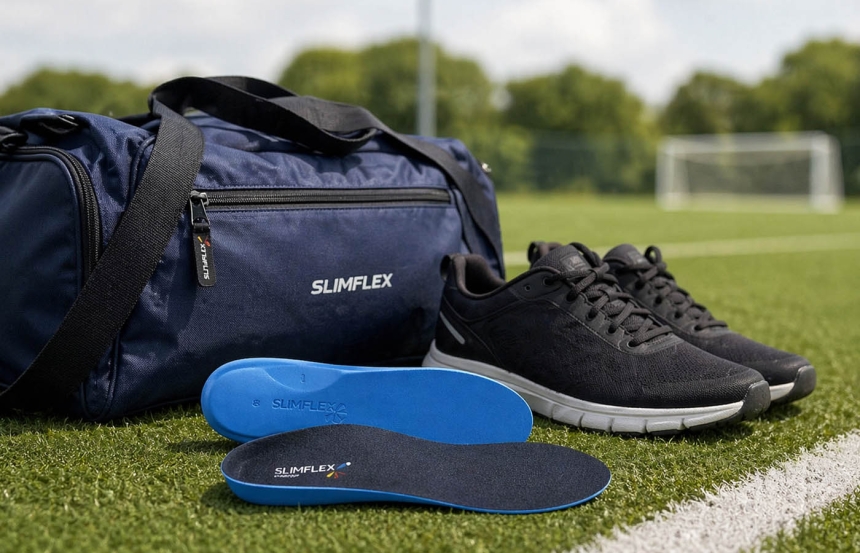
Athletes often use orthotic insoles to improve foot mechanics during running, walking, and training. By supporting the arch and stabilising the foot, insoles help maintain proper alignment of the foot, ankle, and lower limb. This improved alignment can reduce excessive pronation or supination, helping to lower the risk of common sports injuries.
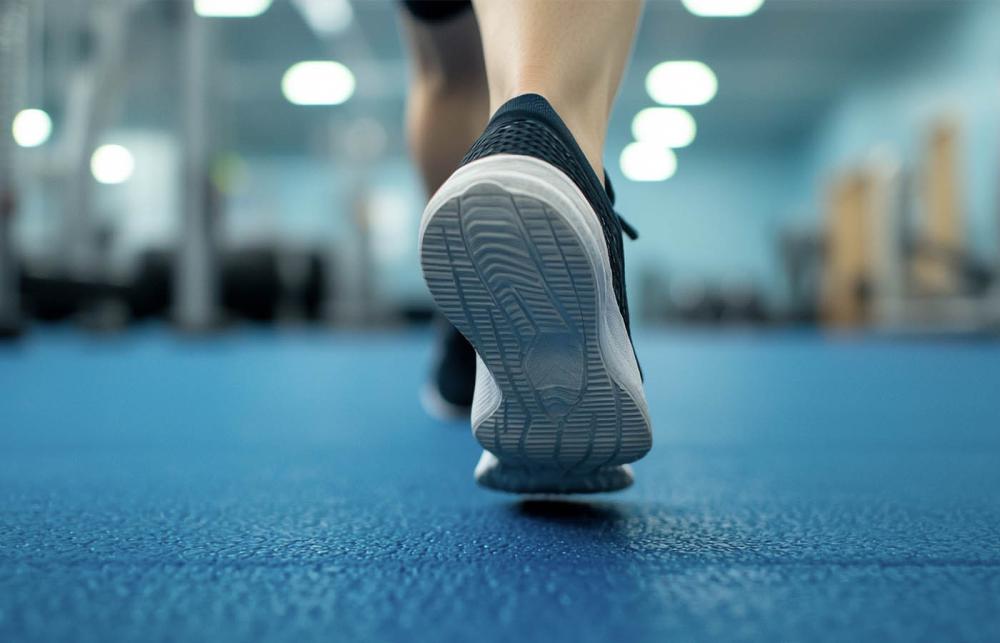
Sports insoles also help distribute pressure more evenly across the foot, reducing strain on structures such as the plantar fascia, Achilles tendon, and knees. This can help prevent issues like plantar fasciitis, shin splints, and general foot fatigue.
Many athletes find that supportive insoles improve comfort and shock absorption during high-impact activities. By reducing pressure and stabilising the foot, orthotic insoles can support better movement efficiency, improve endurance, and help athletes maintain consistent performance during training and competition.
Materials Used
Modern orthotic insoles are made using a wide variety of materials that influence comfort, durability and biomechanical control. The choice of material often depends on the level of support required and the intended use of the orthotic.
- EVA foam – lightweight cushioning widely used in sports orthotics.
- Polyurethane (PU) – durable material providing long-lasting support.
- Gel inserts – excellent shock absorption for everyday comfort.
- Cork composites – mouldable material commonly used in semi-custom orthotics.
- Carbon fibre – lightweight and highly supportive material for performance orthotics.
Material selection is an important factor in determining how an orthotic performs over time. Clinicians often combine materials to achieve the desired balance between cushioning and structural control.
When to See a Foot Specialist
Although many people benefit from over-the-counter orthotic insoles, persistent foot pain should be assessed by a healthcare professional. A podiatrist or physiotherapist can evaluate gait, posture and pressure distribution to determine whether orthotics are appropriate.
Professional assessment may include gait analysis, foot posture evaluation and pressure mapping. Based on these findings, clinicians may recommend prefabricated orthotics, semi-custom solutions or fully customised devices.
Early intervention can often prevent minor foot problems from developing into chronic conditions that affect mobility and quality of life.
Getting Orthotic Insoles on the NHS
In the United Kingdom, orthotic insoles may be provided through the National Health Service (NHS) for people with medically diagnosed foot or mobility problems. These devices are usually supplied through podiatry or orthotics departments within hospitals or community health services.
The NHS orthotics service provides a range of medical devices including prescription insoles, braces and supportive footwear designed to improve mobility, relieve pain and help people manage long-term musculoskeletal conditions. Birmingham NHS Trust
Orthotic insoles are typically offered when conservative treatment such as footwear advice or exercises alone is not enough to manage symptoms.
Step-by-Step: How to Get Orthotic Insoles on the NHS
- Visit your GP or healthcare professional
If you experience ongoing foot pain, your first step is usually to speak with a GP, physiotherapist or podiatrist. - Referral to podiatry or orthotics services
If appropriate, you may be referred to a specialist clinic where orthotic devices are assessed and prescribed. - Clinical assessment
An orthotist or podiatrist will examine your feet, gait and footwear. This may include walking analysis, pressure assessment or foot measurements. - Prescription of orthotic insoles
Depending on your condition, you may receive either prefabricated orthotics or custom-made devices designed specifically for your feet. - Fitting and follow-up appointments
Follow-up reviews ensure the orthotics are comfortable and functioning correctly, and adjustments may be made if required.
Who Can Refer You for NHS Orthotics?
Access to orthotic services normally requires a referral from a healthcare professional. This may include:
- General Practitioner (GP)
- Hospital consultant
- Podiatrist
- Physiotherapist
- Other allied healthcare professionals
Orthotics departments then assess patients and provide appropriate devices such as foot orthoses, braces or specialist footwear to support mobility and reduce pain. NHS Highlands
NHS Waiting Times for Orthotic Insoles
Because podiatry and orthotic services are in high demand, waiting times for appointments can vary depending on your local NHS trust. In some areas, patients may wait several weeks or months for assessment and fitting.
For this reason, some patients choose to use prefabricated orthotic insoles while waiting for a specialist appointment. These can provide immediate support and help reduce symptoms during the referral process.
What Happens at an Orthotics Appointment?
During an NHS orthotics appointment, a specialist clinician will usually:
- Review your medical history and symptoms
- Assess posture, walking pattern and foot mechanics
- Check footwear and weight distribution
- Recommend the most appropriate orthotic solution
If custom orthotics are required, measurements or scans of the feet may be taken to create a device tailored to your biomechanics.
Long-Term Orthotic Care on the NHS
Orthotic treatment is often part of a wider care plan that may include physiotherapy, exercises or footwear advice. Once orthotic insoles are prescribed, patients may be invited for review appointments to monitor progress and ensure the devices continue to work effectively.
Children and people with long-term conditions may require periodic reassessment as their needs change over time.
Choosing Orthotic Insoles Based on Activity
Different activities place different stresses on the feet. The best orthotic insole for someone running regularly will not necessarily be the same as the best option for someone who spends long hours standing at work. Matching the type of orthotic support to your daily activity helps improve comfort, reduce fatigue and prevent injuries.
At Algeos, orthotic insoles are designed for a wide variety of lifestyles – from sports performance and everyday walking to long work shifts and clinical foot conditions. Selecting the right type ensures the insole provides the correct balance of cushioning, stability and biomechanical control.
Active lifestyles require insoles that balance shock absorption with structured support. Sports orthotics help stabilise the foot during repeated impact, reducing stress on the plantar fascia and Achilles tendon.
Products such as SemiFlex Carbon Insoles provide shock absorption and arch support for running, sports and high-impact activities. These types of orthotics help maintain alignment and reduce fatigue during exercise.
For general walking and everyday activity, comfort and moderate support are usually the most important factors. Insoles used for daily footwear should cushion the foot while maintaining natural alignment.
Explore the full range of Orthotic Insoles from Algeos, which include solutions for general foot fatigue, flat feet and posture support commonly recommended by clinicians.
Workers who spend long hours standing – such as nurses, teachers, retail staff or tradespeople – often benefit from insoles with enhanced cushioning and heel support.
Motion Control are specialised insoles designed for boots and work shoes provide improved durability and arch support to reduce fatigue during long shifts. These designs help distribute pressure and keep feet comfortable during prolonged standing.
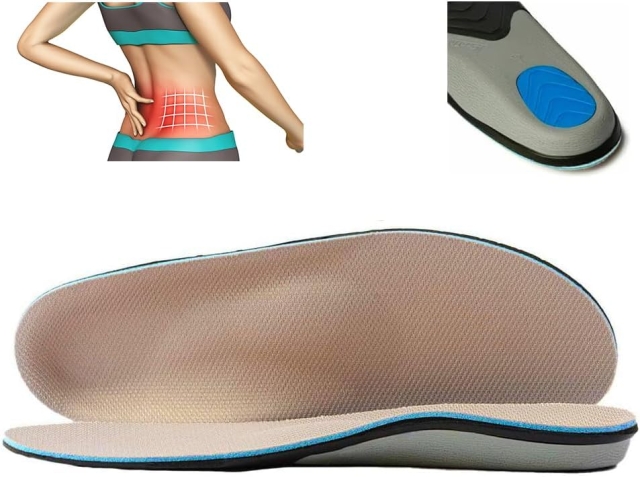
If your main activity limitation comes from heel pain, plantar fasciitis or arch strain, orthotics that support the plantar fascia are often recommended.
Browse Plantar Fasciitis Insoles designed to redistribute pressure across the foot and provide cushioning under the heel. Proper arch support helps reduce strain and improve walking comfort.
Some orthotic insoles are designed to work across multiple activities and footwear types. These versatile devices are popular for people who switch between work, leisure and moderate exercise.
The Interpod Modular Orthotic offers adjustable arch support, allowing users to customise support levels depending on activity and comfort preferences.
If your main goal is improving comfort rather than correcting biomechanics, gel-based insoles can be an effective option.
Silicone Gel Insoles provide excellent shock absorption and are suitable for daily wear in many types of footwear, including casual shoes and trainers.
Tip: Many people benefit from using different insoles for different activities – for example, one pair for sports shoes and another for work footwear. Matching the orthotic to the activity helps ensure optimal comfort, support and injury prevention.
In a Nutshell - Benefits of Orthotic Insoles
- Non-invasive treatment for many foot conditions.
- Improved comfort during standing and walking.
- Better posture and biomechanical alignment.
- Reduced strain on joints and muscles.
- Enhanced athletic performance and injury prevention.
Frequently Asked Questions
Can orthotic insoles help correct overpronation?
Yes. Orthotic insoles are commonly used to manage overpronation, which occurs when the foot rolls excessively inward during walking or running. Supportive orthotic insoles help stabilise the foot, improve alignment, and redistribute pressure more evenly across the foot.
Many podiatrists recommend structured orthotics with arch support to help control pronation and reduce strain on the plantar fascia, ankles, and knees.
Which insoles are recommended by the NHS?
The NHS does not promote individual retail brands as official recommendations. However, many NHS podiatry clinics prescribe or supply prefabricated orthotic insoles to help manage common foot conditions such as plantar fasciitis, overpronation and flat feet.
Two orthotic insole ranges widely used in UK podiatry clinics and frequently supplied through NHS services include Slimflex Orthotic Insoles and Interpod Orthotic Insoles. These insoles are designed for clinical use and provide structured arch support and cushioning.
Which insoles do UK podiatrists commonly recommend?
UK podiatrists often recommend orthotic insoles that provide a combination of arch support, stability and shock absorption. The goal is to improve foot alignment and reduce pressure on sensitive areas of the foot.
Two commonly recommended options in clinical practice include FasciaFix Plantar Fasciitis Insoles and Interpod Arch Support Insoles. These insoles are widely used by healthcare professionals because they provide reliable biomechanical support while remaining comfortable enough for everyday footwear.
Can orthotic insoles help plantar fasciitis?
Yes. Orthotic insoles are one of the most common treatments recommended by podiatrists for plantar fasciitis. By supporting the arch of the foot and reducing strain on the plantar fascia ligament, orthotic insoles can significantly reduce heel pain and inflammation.
Supportive options such as Interpod Foot Orthotics are designed to provide structured arch support and heel cushioning to help relieve plantar fasciitis symptoms.
Are orthotic insoles helpful for fibromyalgia?
People with fibromyalgia often experience widespread pain, including foot discomfort and fatigue when walking or standing for long periods. Supportive insoles can help reduce pressure on sensitive areas of the foot while improving overall comfort.
Cushioned orthotic options help provide better support, shock absorption and improved comfort during daily activities.
Is walking barefoot good for foot pain?
Walking barefoot may strengthen foot muscles in some situations, but it is not always recommended for people experiencing foot pain, plantar fasciitis, or overpronation. Without support, the plantar fascia and foot joints may experience additional strain.
Supportive orthotic insoles, such can help provide structure and support inside everyday footwear, helping reduce foot pain and fatigue.
What is the 'three shoe rule' for foot health?
The “three shoe rule” is often recommended by foot health professionals and suggests rotating between at least three pairs of shoes during the week. This allows footwear to dry fully between uses and helps prevent excessive wear on any single pair.
Using supportive orthotic insoles like Slimflex across multiple pairs of shoes can help maintain consistent foot support throughout the week.
What is the worst thing you can do for plantar fasciitis?
Ignoring early symptoms and continuing to walk long distances without proper support is one of the most common mistakes people make when dealing with plantar fasciitis. Wearing worn-out shoes or completely flat footwear can also worsen the condition.
Using supportive orthotic insoles, combined with stretching exercises and appropriate footwear, can help reduce strain on the plantar fascia.
References
I can draft these for you, but I couldn’t verify the live URLs from here, so give them a quick click-check before publishing.
References
- NHS. Flat Feet (Pes Planus).
- National Institute for Health and Care Excellence (NICE). Diabetic Foot Problems: Prevention and Management.
- NICE Clinical Knowledge Summaries. Plantar Fasciitis.
- American Podiatric Medical Association (APMA). Foot Orthotics.
- StatPearls. Pes Planus.
- Landorf KB, Keenan AM, Herbert RD. Effectiveness of Foot Orthoses to Treat Plantar Fasciitis: A Randomized Trial.
Article updated March 2026
Author: Marc Cameron – Product Director at Algeos with more than 25 years of experience in orthotics and medical product development.
More Orthotic Insoles Guides
-

September 25, 2026
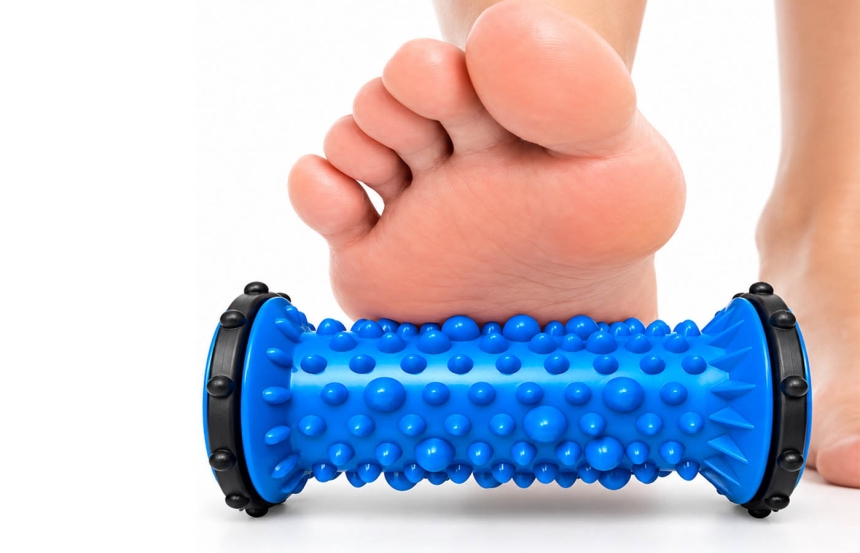
The Physioworx SoleFlex Plantar Fasciitis Foot Massager is a compact manual roller designed to deliver controlled pressure across the sole, arch and heel.
It is intended as a simple self-care aid for plantar fascia tightness and foot stiffness, rather than a stand-alone cure for plantar fasciitis.
-
August 25, 2026
These exercises should feel like a mild to moderate stretch or controlled muscle effort - not sharp pain. Stop if symptoms increase significantly, if you have numbness, swelling, bruising, recent injury, diabetes-related foot complications, inflammatory arthritis, or severe pain that does not improve.
-
April 24, 2026
The best insoles for plantar fasciitis usually combine firm arch support, heel cushioning and a stable heel cup. For mild to moderate heel pain, a supportive orthotic insole may help reduce strain on the plantar fascia during walking, standing and daily activity.
-
April 23, 2026
If left untreated, plantar fasciitis can lead to chronic pain and even affect mobility. This guide delves into research-backed treatments, exercises, and lifestyle adjustments to help manage and cure plantar fasciitis.
-
April 21, 2026
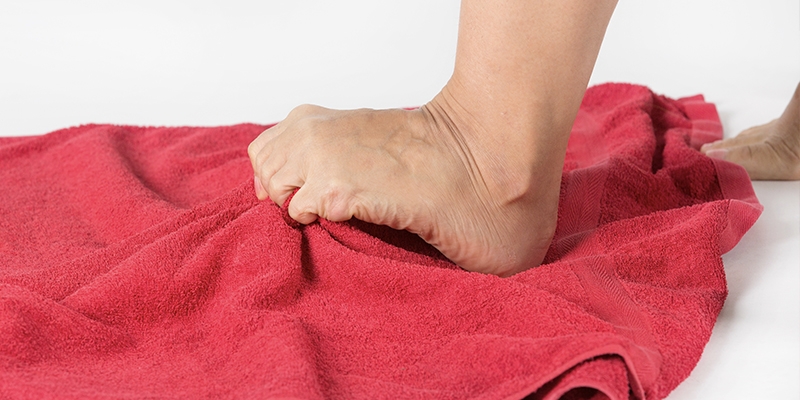
The towel curl exercise is an effective and easy way to strengthen the muscles in your feet, particularly the plantar fascia, which can help alleviate discomfort associated with plantar fasciitis. This exercise can improve the strength and flexibility of your foot's arch, aiding in long-term relief and injury prevention.
-
March 12, 2026
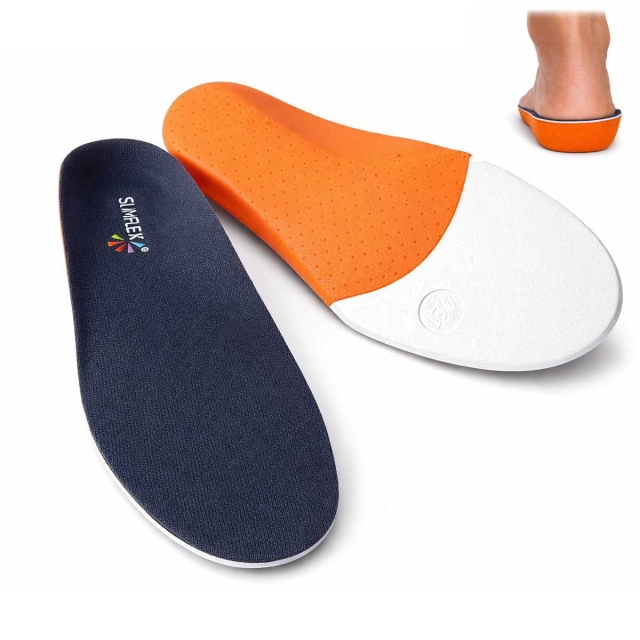
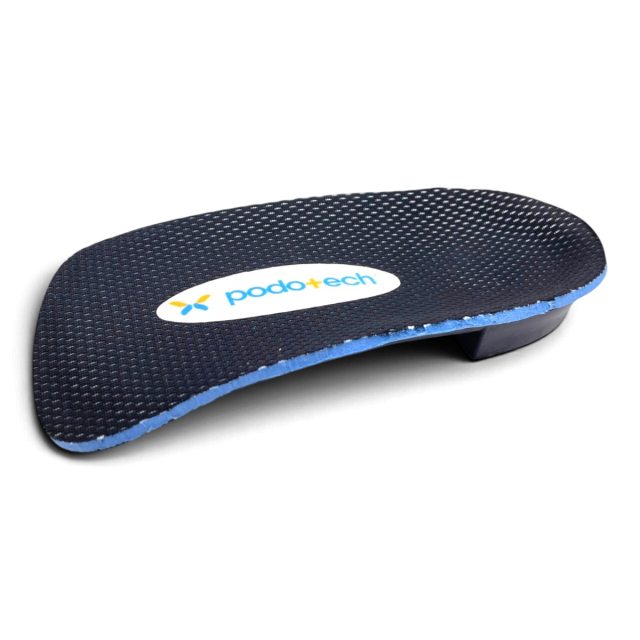
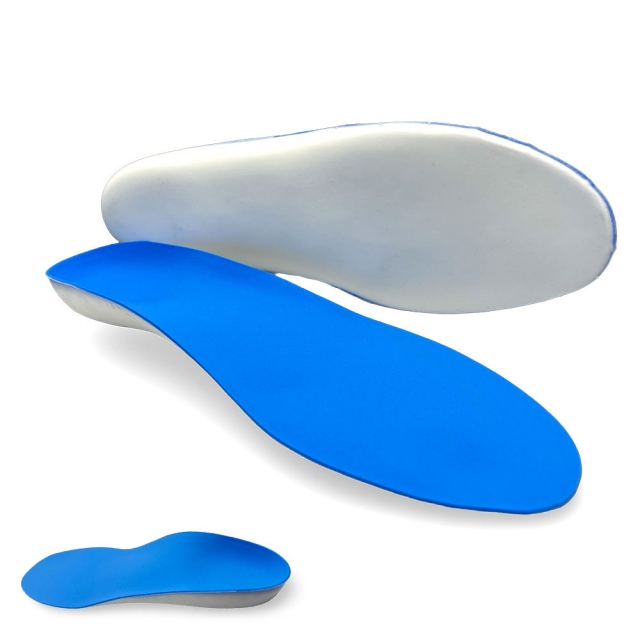
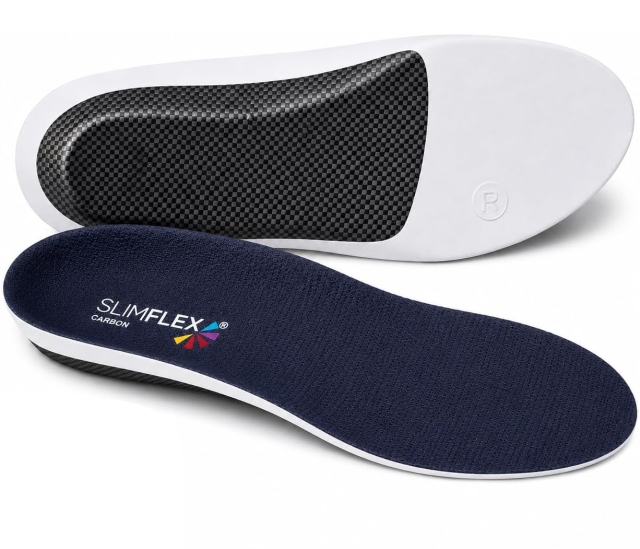
This guide compares leading insole brands sold through Algeos, including Slimflex, Podotech, Interpod, Prothotics, FasciaFix and Memopur, with a focus on key features, how they work, lifestyle fit, user experience and clinical credibility.

Sold: Sold per Pair
Incl. VAT Exl. VAT