




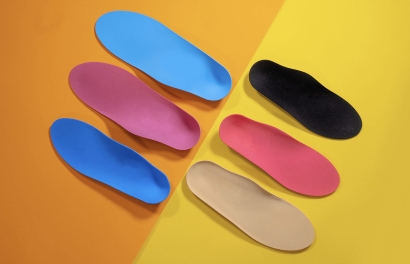
Orthotic insoles and orthotics are not exactly the same. In simple terms, orthotic insoles are usually prefabricated shoe inserts designed to improve comfort, cushioning and basic support, while foot orthotics are more structured devices intended to influence foot biomechanics, alignment and load management.
Knowing the difference matters because the right choice can improve comfort, reduce strain and support better outcomes for plantar fasciitis, overpronation, arch pain and fatigue. This guide explains how each option works, when each is most appropriate and how clinicians and patients can choose more confidently.
Quick answer
Orthotic insoles are usually ready-made inserts that add cushioning, arch support and pressure relief. Orthotics are more clinically driven devices, often selected or modified after assessment to improve foot function and biomechanics. Many prefabricated devices sit between the two categories, which is why the terms are often used interchangeably.
Definition box
Orthotic insoles: removable inserts placed inside footwear to provide cushioning, support and pressure redistribution.
Foot orthotics: devices designed to support or alter the mechanics of the foot and lower limb, often with more control, structure or clinical customisation.
What are orthotic insoles?
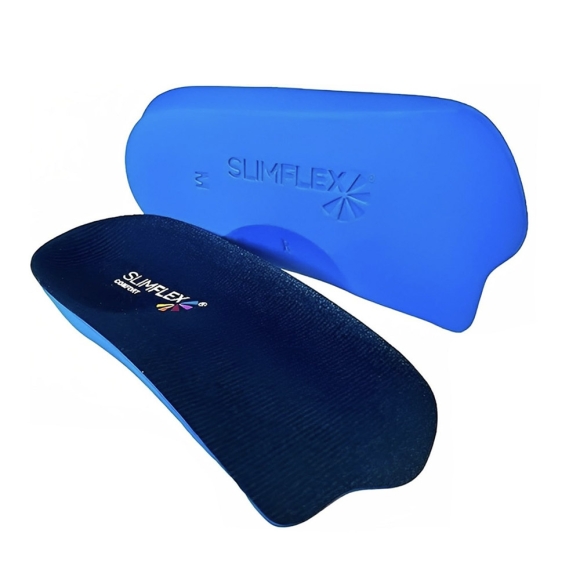
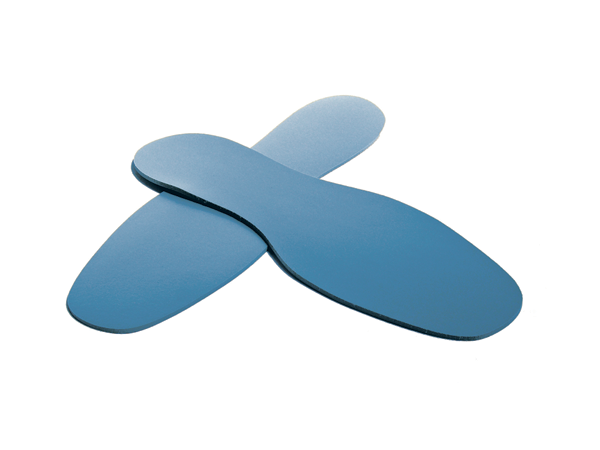
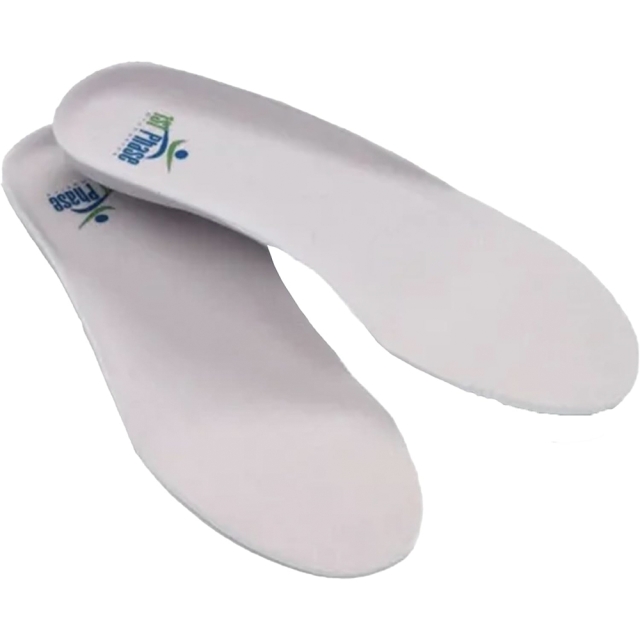
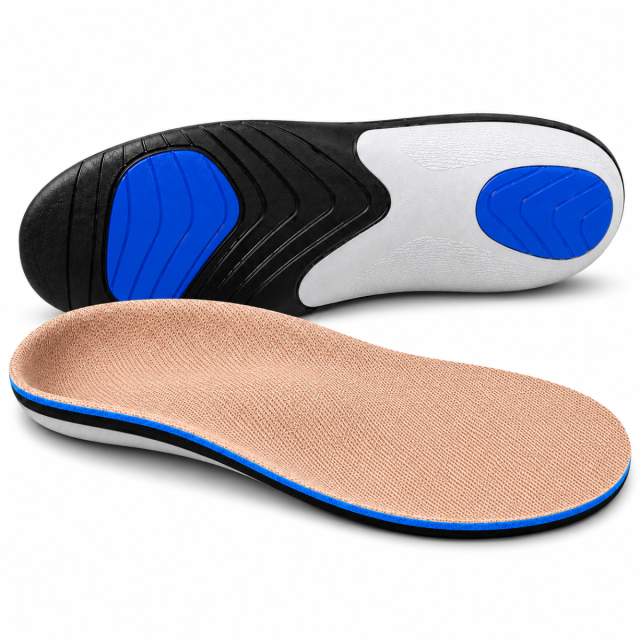
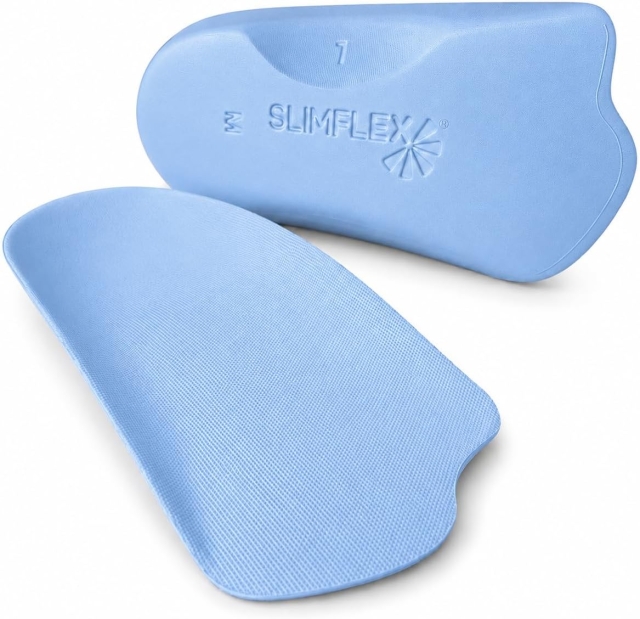
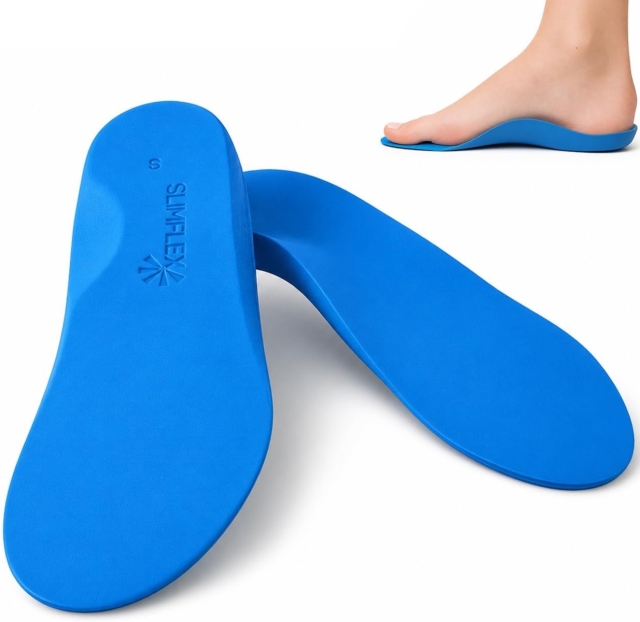
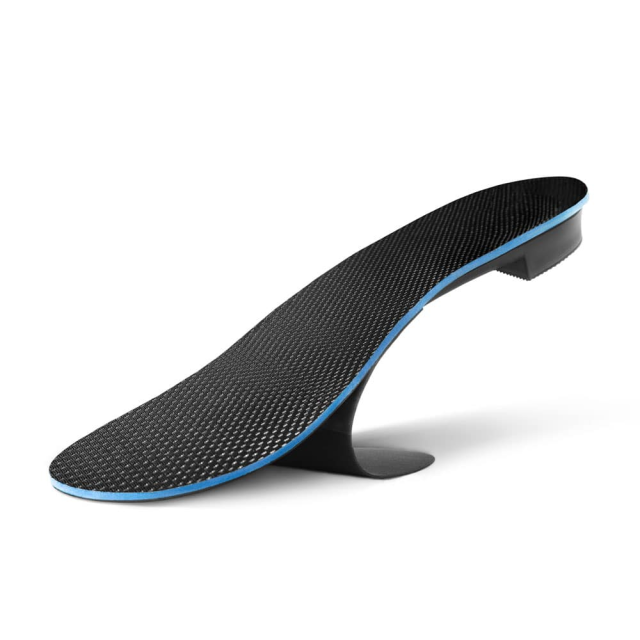
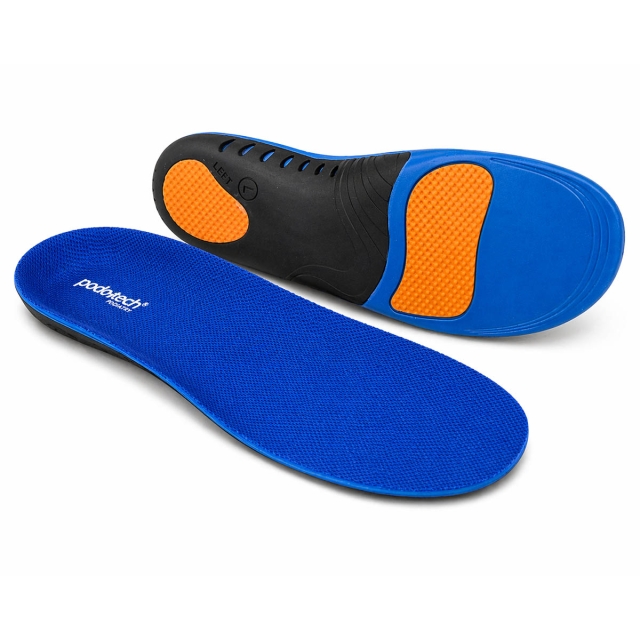
Orthotic insoles are typically prefabricated inserts that sit inside shoes to improve comfort and support. They are commonly chosen for tired feet, mild plantar heel pain, arch strain, pressure redistribution and general day-to-day support.
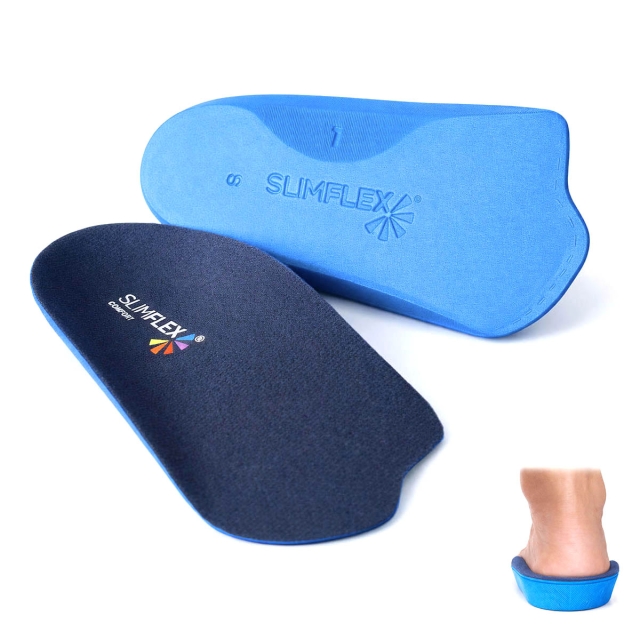
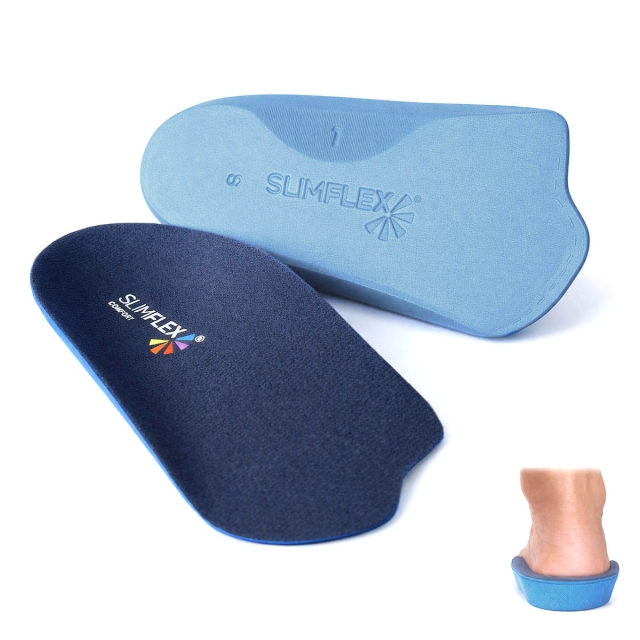
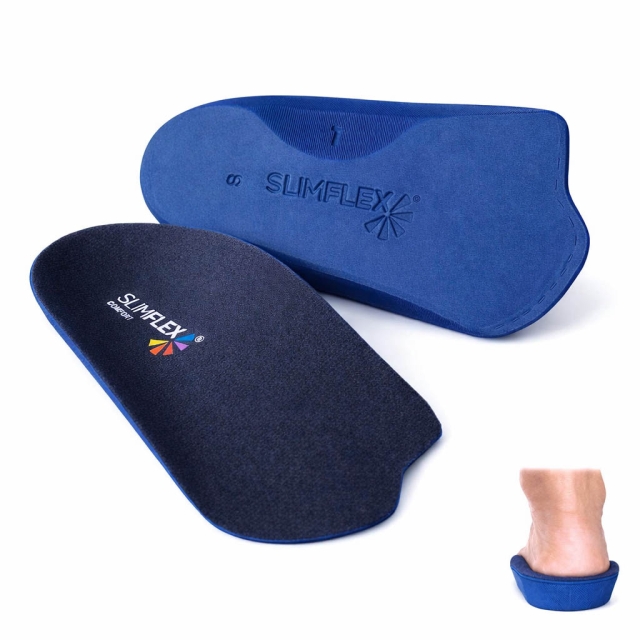
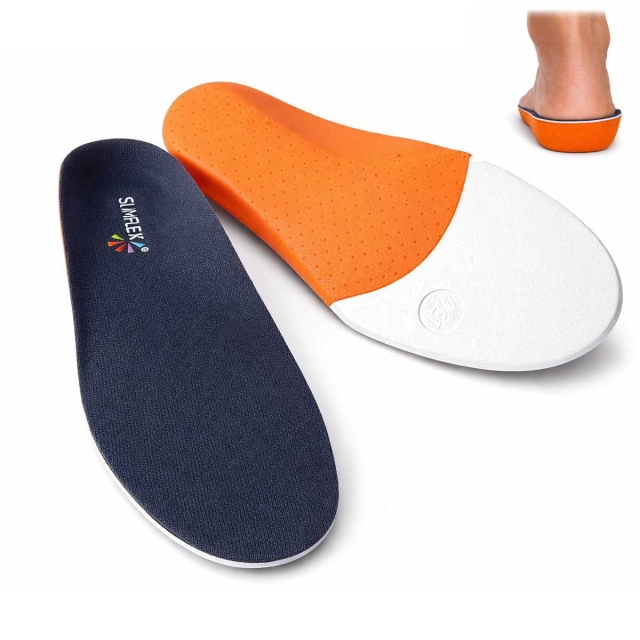
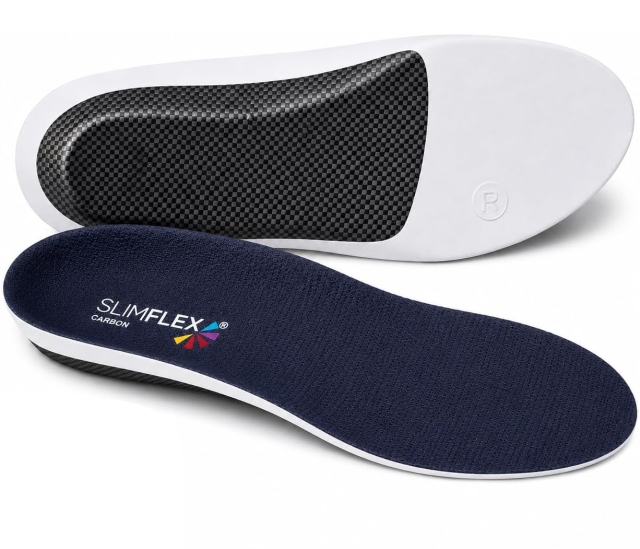
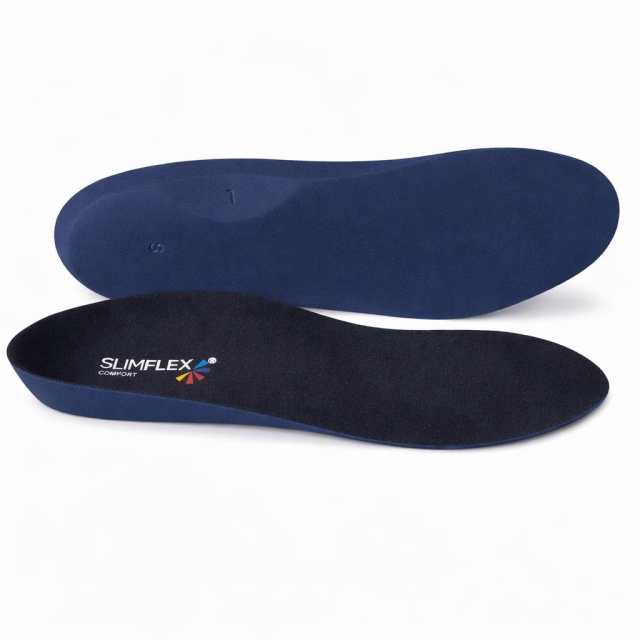
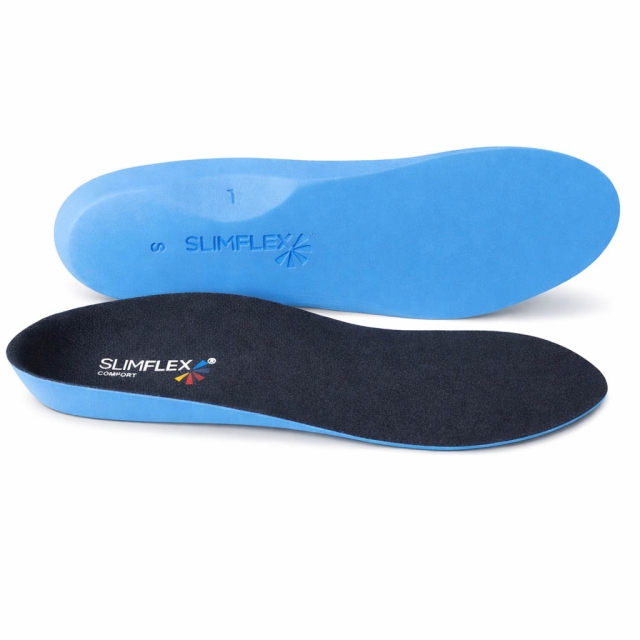
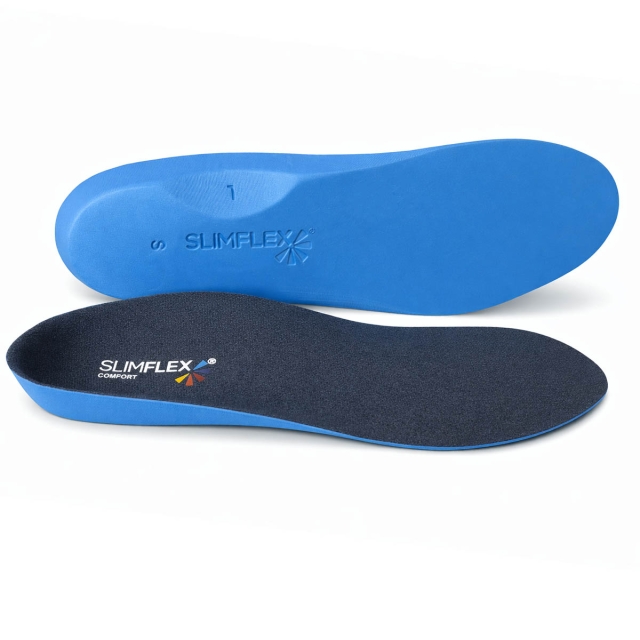
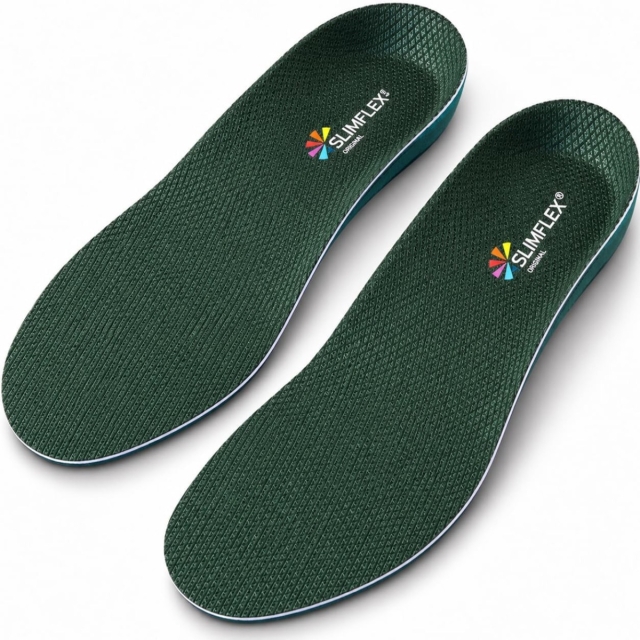
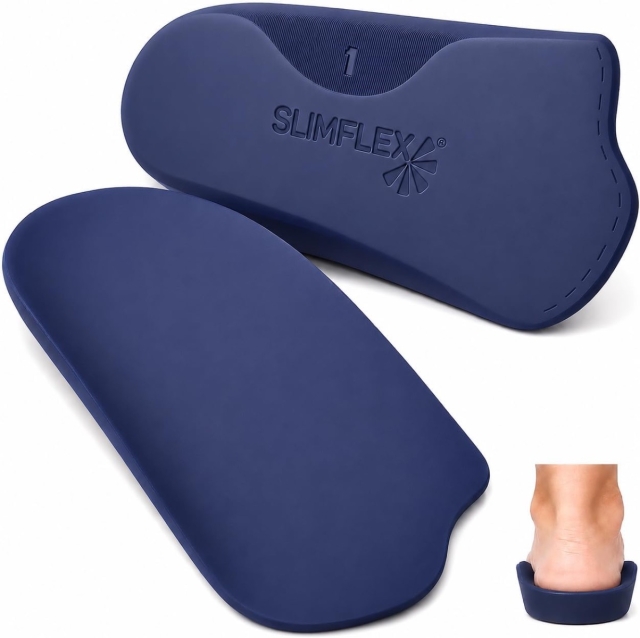
In practice, many clinicians use insoles as a first-line option because they are quick to fit, easy to replace and suitable for a wide range of footwear. Products such as Slimflex Comfort 3/4 and Slimflex Green are built for structured arch and heel support while remaining practical for clinic use and self-selection.
Explore more options in the Orthotic Insoles section and related support for Slimflex Orthotic Insoles.
What are orthotics?
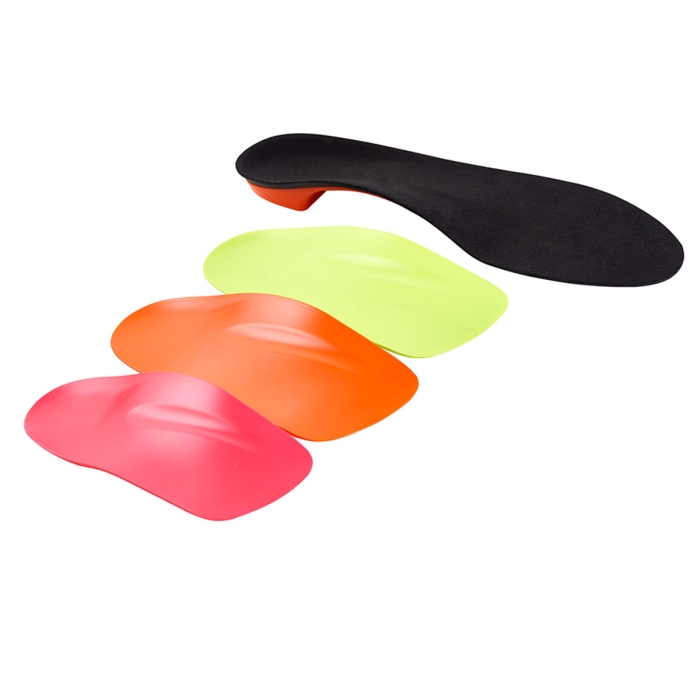
Orthotics are devices intended to do more than cushion the foot. Their main role is to support foot function, influence alignment, improve load distribution and help manage mechanical stress through the foot and lower limb.
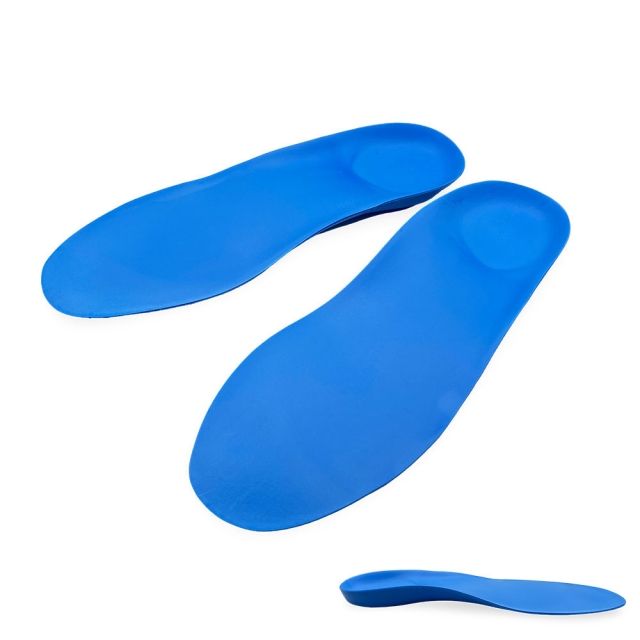
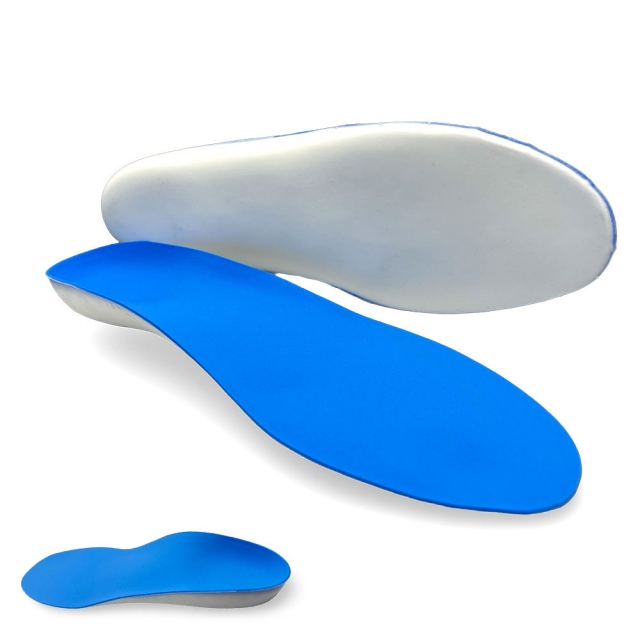
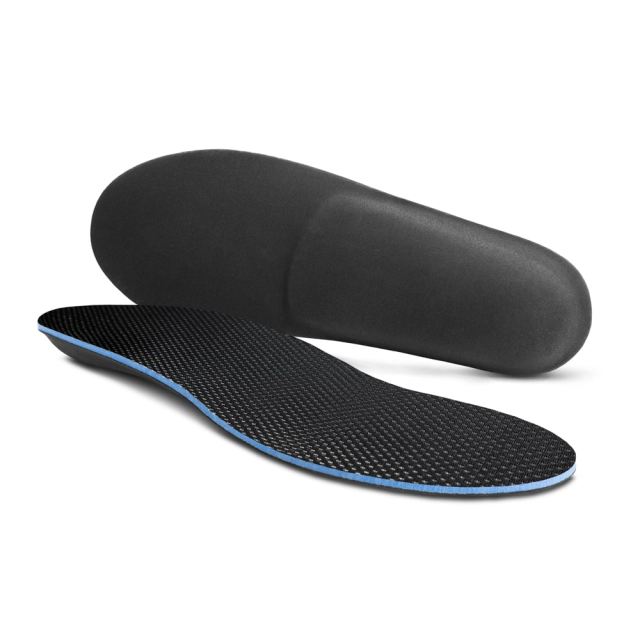
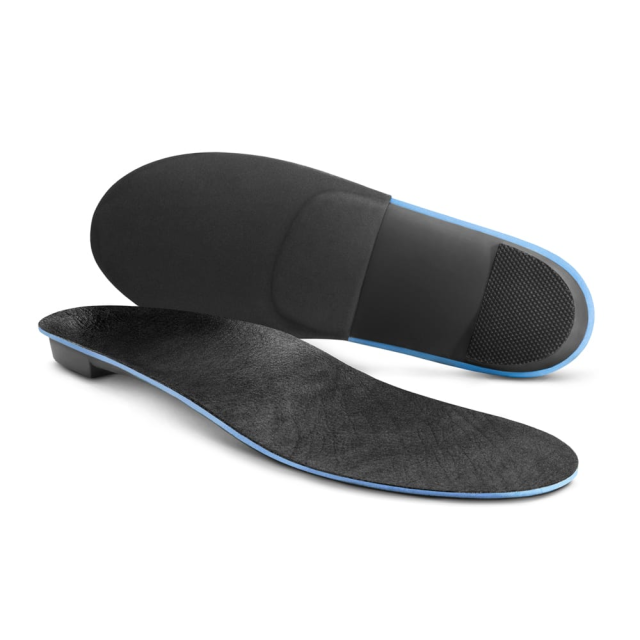
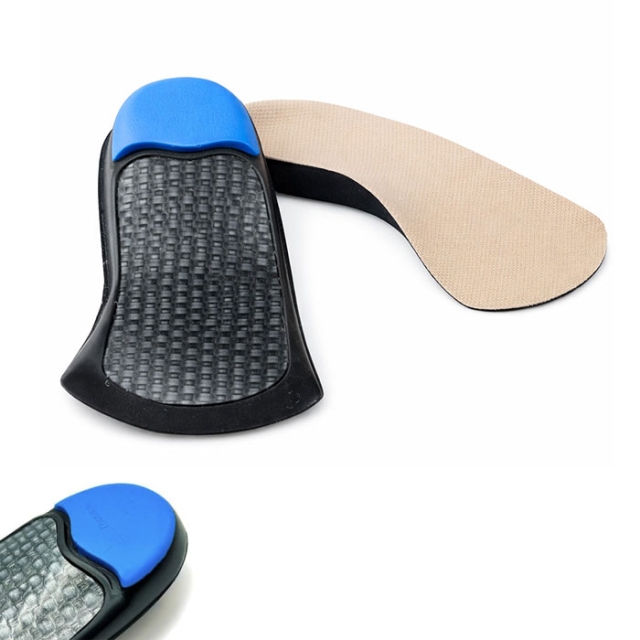
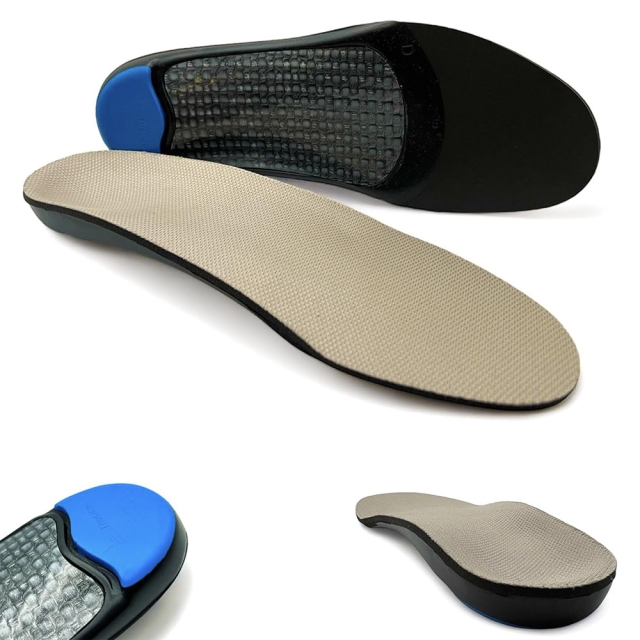
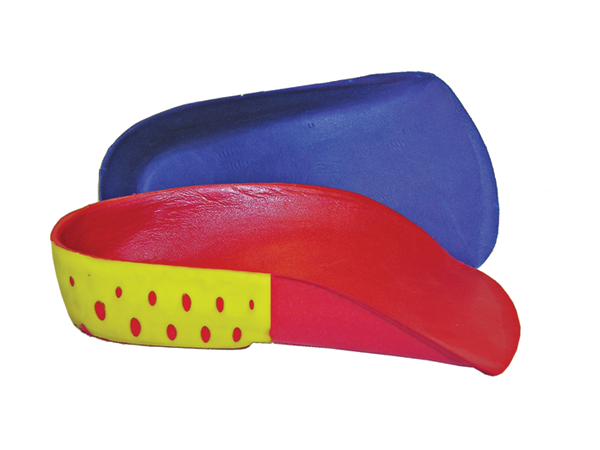
Orthotics may be prefabricated, semi-bespoke or custom-made. In clinical settings, the decision is usually based on symptoms, gait, foot posture, footwear and the level of control required. Products such as Interpod Flex Foot Orthotics and the wider Interpod Foot Orthotics range are designed for practitioners who need more structured options than a basic comfort insole.
For readers comparing categories, it is useful to also review Interpod Foot Orthotics - About the Brand and Interpod Foot Orthotics Explained.
How it works and why it matters
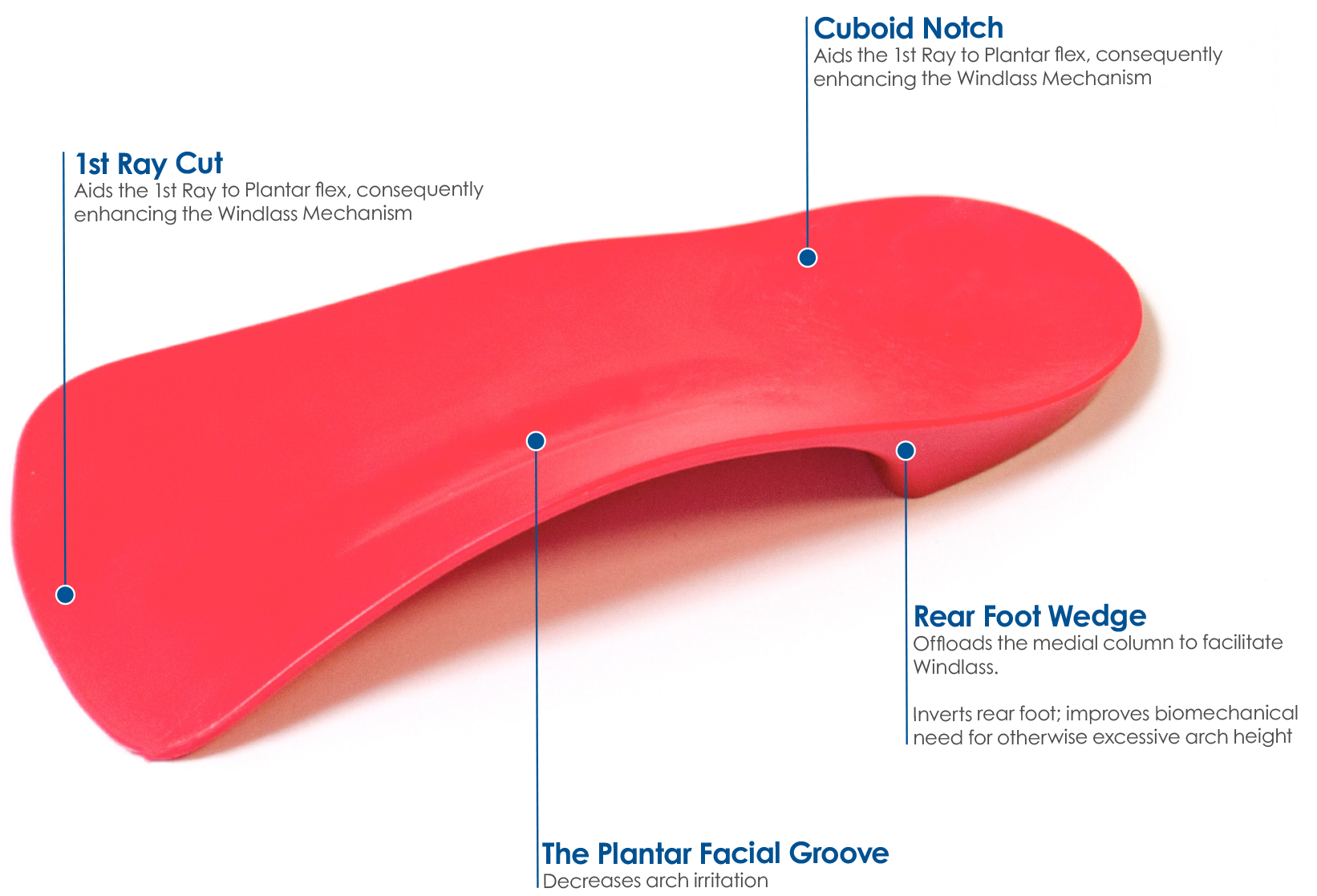
The main difference is not simply whether the device goes in a shoe. It is about purpose. An orthotic insole usually aims to make footwear more comfortable and supportive. An orthotic is more likely to be chosen when foot mechanics need closer control, especially where symptoms are persistent, recurrent or linked to pronation, supination or tissue overload.
This matters because the wrong choice can lead to poor compliance, limited benefit or unnecessary cost. A soft comfort insert may feel better immediately, yet offer too little control for a patient with repeated plantar fascia strain. On the other hand, a firmer orthotic may be excessive for someone who mainly needs cushioning and mild arch support for long days on their feet.
Orthotic insoles vs orthotics: key differences
| Feature | Orthotic insoles | Orthotics |
|---|---|---|
| Primary aim | Comfort, cushioning and basic support | Biomechanical support and functional control |
| Typical format | Prefabricated, size-based | Prefabricated, semi-bespoke or custom |
| Best for | Mild fatigue, comfort and everyday support | Persistent symptoms, gait issues and higher control needs |
| Adaptability | Usually minimal or light modification | Often selected, modified or prescribed clinically |
| Examples | Slimflex Comfort, Slimflex Green | Interpod Flex and other clinical orthotic devices |
What users and clinicians often say
Many users describe orthotic insoles as the easiest starting point because they can improve comfort quickly and fit into daily footwear with minimal fuss. Clinicians often favour them for first-line support where symptoms are mild or footwear space is limited.
Orthotics tend to be preferred when a patient needs more than cushioning - for example, when excessive pronation, instability, arch overload or repeated heel pain are driving symptoms. In those cases, a more structured device can improve the consistency of support and make treatment more targeted.
Step by step: how to choose between orthotic insoles and orthotics
- Identify the main problem. Is it comfort, fatigue and mild strain, or a recurring mechanical problem?
- Check the footwear. Shoe depth, heel counter firmness and removable liners all affect fit and performance.
- Start with the level of support needed. For mild everyday symptoms, a prefabricated device may be enough.
- Escalate when symptoms persist. If pain continues, more structured orthotic support may be needed.
- Consider condition-specific categories. Review support for plantar fasciitis, flat feet and foot pronation.
- Use clinical assessment where appropriate. Persistent pain, recurrent injury or suspected biomechanical overload should be assessed professionally.
When to choose each option
Choose orthotic insoles when the priority is accessible support, basic arch control, improved comfort or a practical first-line intervention.
Choose orthotics when the priority is stronger biomechanical control, more precise support, or a device selected in response to gait findings and symptom pattern.
For many patients, the best answer is not a rigid either-or distinction. It is about matching the device to the problem, the shoe and the person.
Frequently asked questions
Are orthotic insoles the same as orthotics?
No. Orthotic insoles usually refer to ready-made inserts for support and comfort, while orthotics more often describe devices chosen to influence foot mechanics and function.
Can prefabricated insoles still count as orthotics?
Yes. Many prefabricated devices are clinically used as foot orthotics, especially when they provide structured control rather than simple cushioning.
Which is better for plantar fasciitis?
It depends on severity and biomechanics. Some people do well with supportive prefabricated insoles, while others need a more structured orthotic device for better load management.
Do I need custom orthotics for arch pain?
Not always. Mild arch strain may respond well to a prefabricated support. Persistent pain or recurrent symptoms may justify a more advanced orthotic approach.
Are Slimflex products insoles or orthotics?
Slimflex products are commonly used as prefabricated orthotic insoles. They sit in the overlap between supportive insoles and clinically useful orthotic devices.
Are Interpod products orthotics?
Yes. Interpod products are positioned as foot orthotics designed to provide structured support and biomechanical control.
References and related reading
- Original article topic
- Orthotic Insoles
- Slimflex Comfort 3/4
- Slimflex Green
- Interpod Flex Foot Orthotics
- Interpod Foot Orthotics range
Author
Marc Cameron, Algeos
Marc Cameron writes about podiatry, foot orthotic therapy and lower-limb biomechanics for Algeos, helping clinicians and informed consumers make more confident decisions about evidence-led foot care products and treatment pathways.
Article revised 10th March 2026
Sold: Sold per Pair
Incl. VAT Exl. VAT