




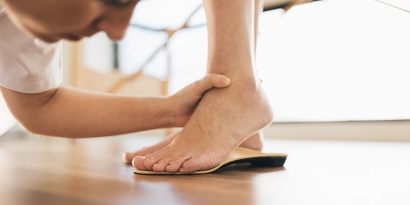
Sore feet are a common complaint for many people, whether you're on your feet all day, have a medical condition or simply wear unsupportive shoes. The pain can range from mild discomfort to severe, chronic conditions that affect your mobility and quality of life.
Fortunately, orthotic insoles provide a simple yet highly effective solution for many foot-related problems. In this article, we’ll explore how orthotic insoles can help with sore feet, the types of conditions they address, and how they can improve your overall foot health.
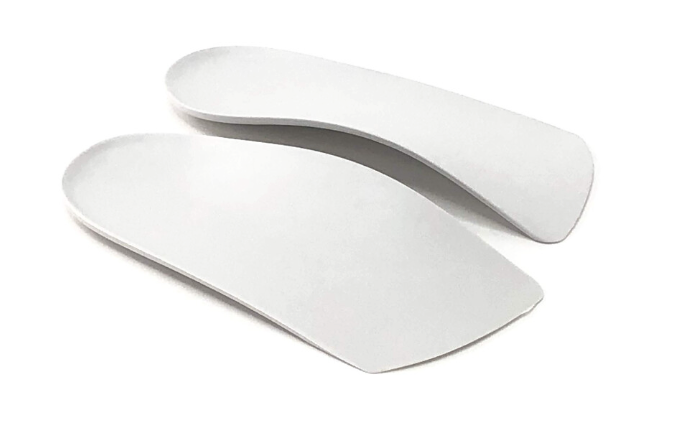
What Are Orthotic Insoles?
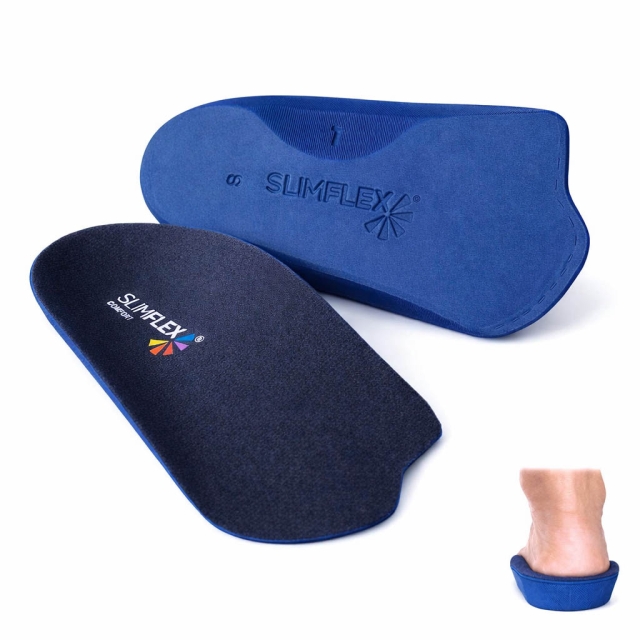
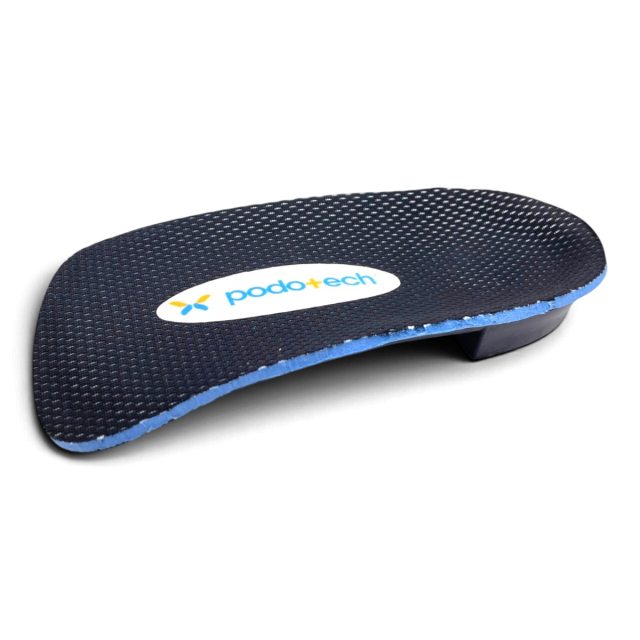
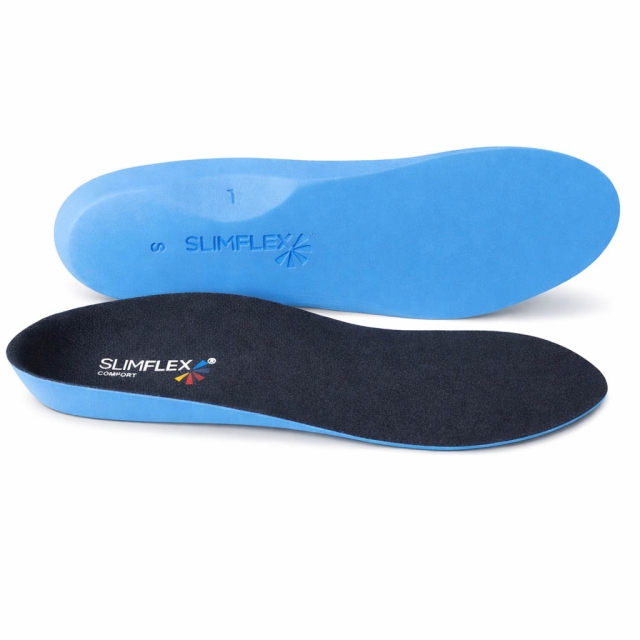
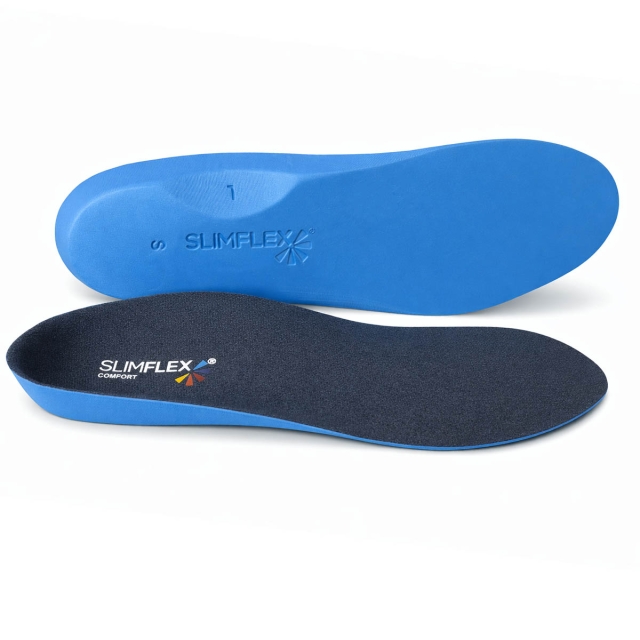
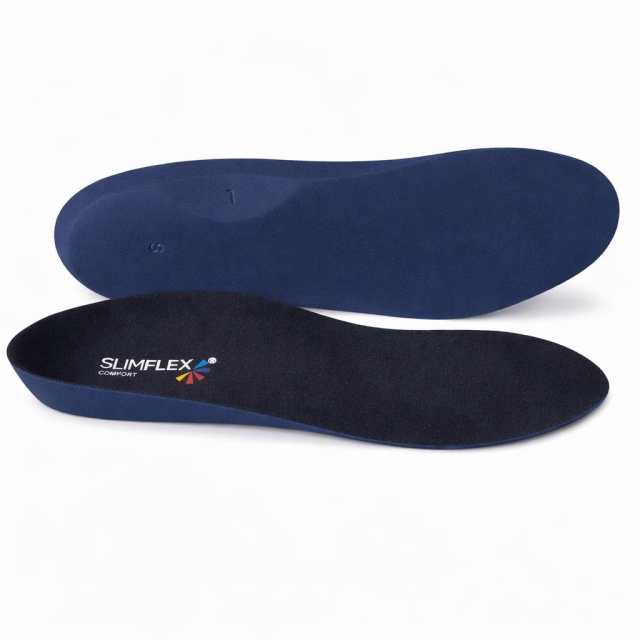
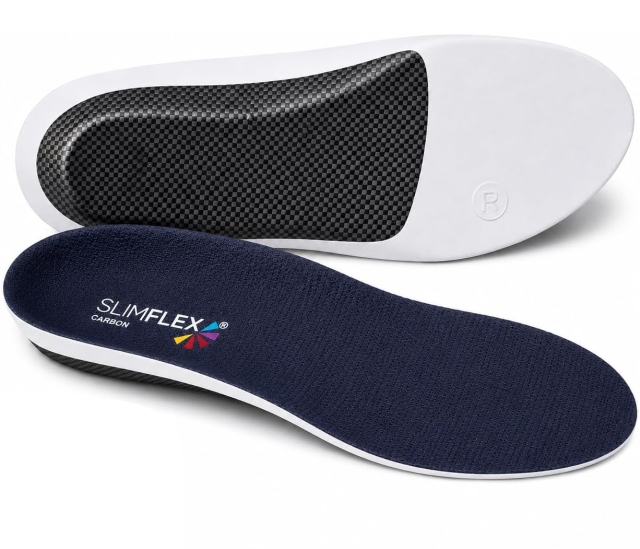
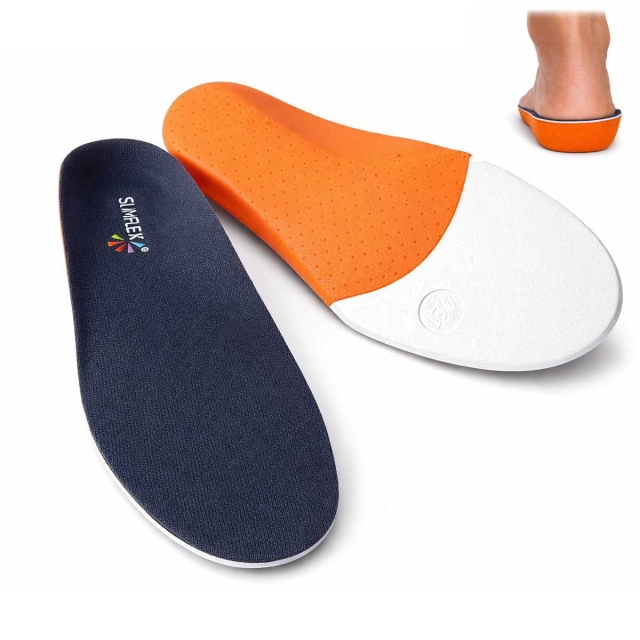
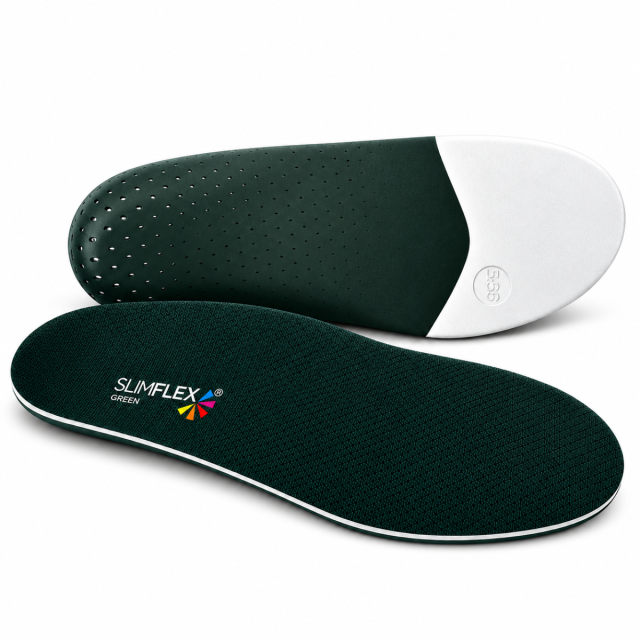
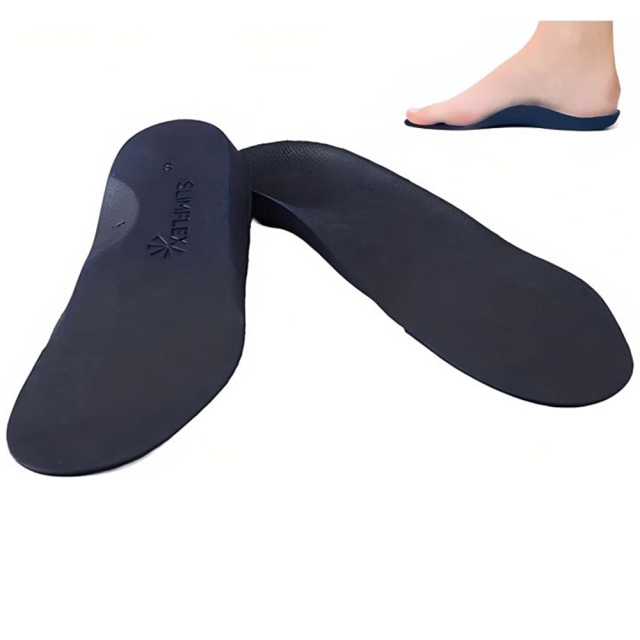
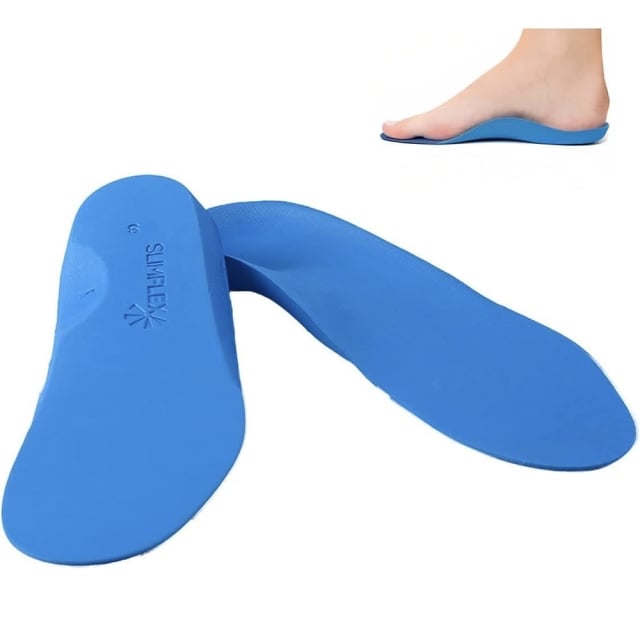
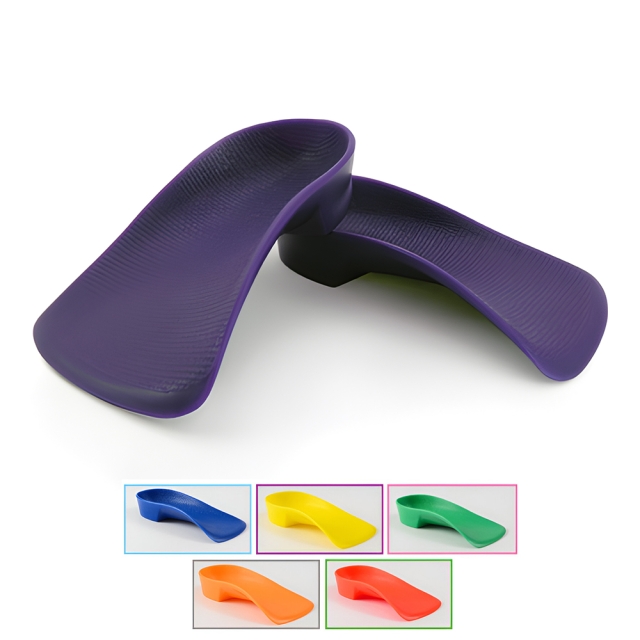
Orthotic insoles AKA Foot Orthotics are specially designed inserts that go into your shoes to provide extra support, cushioning and alignment correction.
They are often recommended by podiatrists, physiotherapists and other healthcare professionals for people suffering from foot, leg or lower back pain. Orthotic insoles can be either custom-made or bought over the counter and they cater to a wide variety of foot conditions.
Insoles work by redistributing pressure across the foot, correcting misalignments and offering extra cushioning where it's most needed.
They are particularly beneficial for people who spend long periods on their feet, have pre-existing foot conditions or experience pain due to improper footwear.
How Orthotic Insoles Help with Sore Feet
Sore feet can result from a variety of factors, including standing for extended periods, wearing ill-fitting shoes, or having specific foot conditions. Orthotic insoles help by addressing the root cause of discomfort. Here are some of the key benefits:
1. Improved Foot Alignment
One of the most significant roles of orthotic insoles is improving the alignment of the foot. Misalignment can lead to uneven distribution of body weight, causing strain on certain parts of the foot and leading to discomfort or pain.
Insoles help correct issues like overpronation (where the foot rolls inward) and supination (where the foot rolls outward), reducing stress on the joints, muscles, and ligaments.
2. Enhanced Arch Support
Arch support is essential for preventing and relieving foot pain. If your arches are too high or too low, it can lead to strain on the plantar fascia (the tissue along the bottom of your foot) and other muscles, causing discomfort.
Orthotic insoles provide the right amount of support to your arches, helping to distribute your body weight more evenly and reduce strain.
3. Pressure Relief
Orthotic insoles help redistribute pressure away from high-impact areas of the foot, such as the ball of the foot and the heel. By cushioning these areas, insoles can alleviate pain caused by conditions like metatarsalgia (pain in the ball of the foot) or heel spurs (bony growths on the heel).
4. Cushioning and Shock Absorption
Many sore feet problems are due to the lack of proper cushioning in everyday footwear. Orthotic insoles often include layers of foam, gel, or other shock-absorbing materials that soften the impact when you walk, run, or stand, providing instant relief from discomfort.
5. Pain Reduction in the Knees, Hips, and Lower Back
Foot pain doesn’t always stop at the feet. When your feet are not properly aligned, the effects can travel up through your legs, affecting your knees, hips, and even lower back. Orthotic insoles can help correct these imbalances, relieving pain in these areas by promoting better posture and movement.
What’s changed recently in managing sore feet and plantar heel pain?
In the last couple of years, clinical guidance has increasingly emphasised that orthotic insoles work best as part of a wider plan, rather than as a “single fix”. For example, updated heel pain guidance highlights combining support and load management (like footwear changes and progressive exercise) for better outcomes over time.
- Insoles and foot orthoses: useful for reducing symptoms and improving function, especially when chosen to match foot posture, pain location and activity demands.
- Footwear matters: supportive, cushioned shoes can reduce strain on sensitive structures such as the plantar fascia. If you’re addressing heel pain specifically, consider pairing insoles with suitable footwear such as plantar fasciitis shoes.
- Night pain and morning pain strategies: for classic “first-step” heel pain, some people benefit from overnight positioning devices. See night splints as an adjunct when advised by a clinician.
In practice, this means you’ll often get the best results when insoles are chosen carefully and combined with sensible activity modification and supportive footwear.
How do you choose the right orthotic in 2026?
The most effective insole is usually the one that matches your symptoms, footwear and foot type. A few evidence-informed considerations clinicians often use:
- Match the support to your foot posture: flat feet may need more control and arch support, while higher arches often benefit from extra cushioning and pressure redistribution.
- Target the painful area: heel pain may respond to additional rearfoot cushioning, such as silicone gel heel cups, while forefoot pain is often helped by metatarsal support.
- Consider add-ons for forefoot symptoms: if the “ball of foot” is the main issue (or Morton’s neuroma symptoms are suspected), metatarsal pads and forefoot cushions can be used alongside insoles to help offload the metatarsal heads.
- Allow a sensible 'settling in' period: many people do best by introducing new support gradually (for example, wearing them for shorter periods at first) to allow tissues and gait patterns to adapt.
If pain is persistent, worsening or associated with diabetes-related risk, it’s best to seek professional assessment (for example a podiatrist or physiotherapist) for gait review and individualised recommendations.
Common questions clinicians are asking about sore feet in 2026
Do I need custom orthotics, or are off-the-shelf insoles enough?
Many people do well with prefabricated insoles, particularly when foot posture and symptoms are straightforward. Custom orthoses may be more appropriate when symptoms are complex, persistent, or linked to significant biomechanical issues.
What if I have diabetes or reduced sensation in my feet?
Extra caution is needed. Pressure redistribution, appropriate footwear and regular skin checks are key. For day-to-day comfort and skin protection, many people also use specialist socks such as medical socks alongside clinician-advised insoles and footwear.
When should I seek help rather than self-manage?
Consider assessment if pain is severe, persists beyond a few weeks, follows trauma, causes marked swelling, numbness or night pain, or if you have diabetes, inflammatory arthritis, neuropathy, or circulation problems.
Typical Indications for Orthotic Insoles
Orthotic insoles are used to treat a wide range of conditions, many of which contribute to sore feet. Here’s a breakdown of some of the most common conditions that can benefit from orthotic insoles:
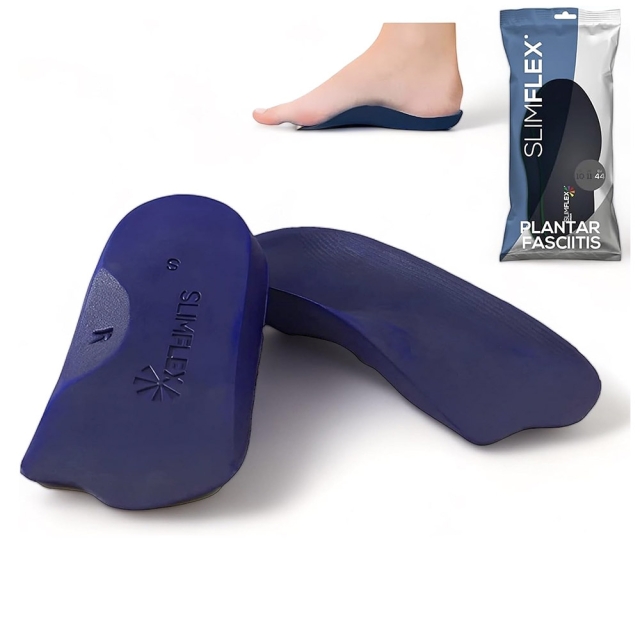
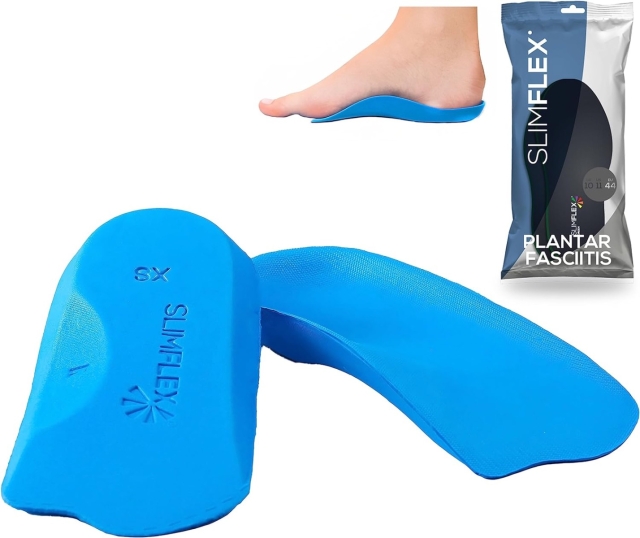
1. Plantar Fasciitis
One of the most common causes of heel pain, plantar fasciitis occurs when the tissue connecting your heel to your toes becomes inflamed. Orthotic insoles with proper arch support can help relieve tension on the plantar fascia, reducing pain and aiding recovery.
2. Flat Feet (Pes Planus)
People with flat feet often experience foot pain due to a lack of natural arch support. Orthotic insoles provide artificial arch support, helping to distribute weight more evenly and reduce strain on the foot.
3. High Arches (Pes Cavus)
Just as flat feet can cause issues, high arches can lead to uneven pressure distribution, especially on the heel and ball of the foot. Insoles designed for high arches provide the necessary cushioning to relieve pressure and prevent sore feet.
4. Overpronation
Overpronation is when the foot rolls inward excessively during walking or running, placing stress on the inner foot, knees, and hips. Orthotic insoles help correct this motion, improving foot posture and reducing pain.
5. Supination (Underpronation)
The opposite of overpronation, supination occurs when the foot rolls outward. Orthotic insoles can provide the needed support to encourage a more neutral foot position, reducing the risk of injury and discomfort.
6. Metatarsalgia
Pain in the ball of the foot, often due to high-impact activities or improper footwear, can be relieved by orthotic insoles that help spread pressure more evenly across the forefoot.
7. Achilles Tendonitis
Inflammation of the Achilles tendon is a common condition among athletes. Orthotic insoles, but particularly Orthotic Heel Lifts can help alleviate pressure on the tendon by providing proper heel support and improving foot alignment.
8. Morton’s Neuroma
A painful condition involving the nerves between the toes, Morton’s Neuroma can be relieved with insoles that feature metatarsal pads to reduce pressure on the affected nerves.
9. Diabetic Foot Conditions
For those with diabetes, foot care is critical. Orthotic insoles provide extra cushioning to protect against ulcers and pressure sores, which can lead to serious complications if left untreated.
10. Bunions (Hallux Valgus)
Bunions are painful, bony bumps that form on the joint at the base of the big toe. Insoles can help reduce pressure on the bunion, preventing it from worsening and alleviating pain.
11. Heel Spurs
Heel spurs are bony growths on the underside of the heel bone, often associated with plantar fasciitis. Insoles with extra cushioning in the heel can help alleviate the pain caused by these spurs.
12. Shin Splints
Improper foot mechanics can lead to shin splints, especially in runners. Orthotic insoles help by providing better foot alignment, reducing strain on the lower leg muscles.
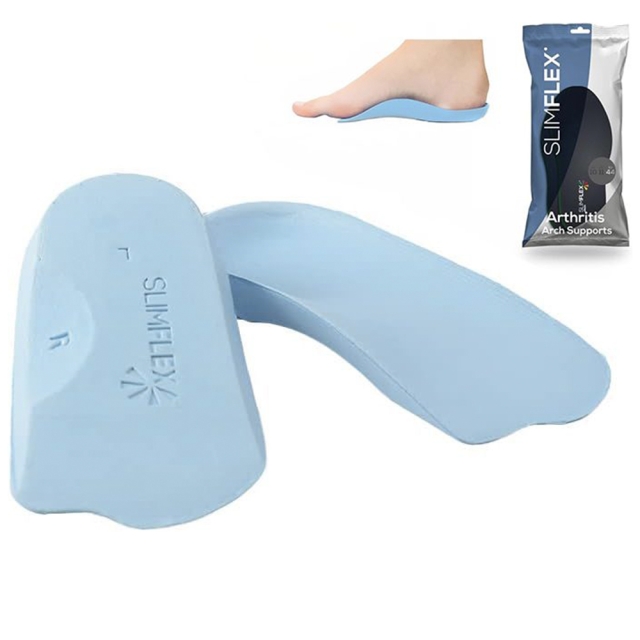
13. Arthritis
Arthritis sufferers can benefit from the cushioning and shock absorption that orthotic insoles provide, helping to reduce pain in the feet, knees, and hips.
14. Leg Length Discrepancy
For people with one leg shorter than the other, orthotic insoles can be customised with heel lifts to balance the difference, improving posture and gait.
The benefits of Orthotic Insoles
Orthotic insoles offer a versatile, accessible solution to sore feet, addressing a wide range of conditions from plantar fasciitis to high arches, overpronation, and more.
Whether you’re dealing with chronic foot pain or simply looking to improve your overall foot comfort, orthotic insoles can provide the support, alignment, and cushioning you need to stay on your feet, pain-free.
Whether you're a healthcare professional recommending insoles to patients or someone seeking relief from foot discomfort, the benefits of orthotic insoles can make a world of difference.
Article revised 10th February 2026
References
JOSPT: Heel Pain – Plantar Fasciitis (Clinical Practice Guideline, 2023)
Academy of Orthopaedic Physical Therapy: Heel Pain – Plantar Fasciitis Revision 2023 (PDF)
BJSM: Best practice guide for plantar heel pain management
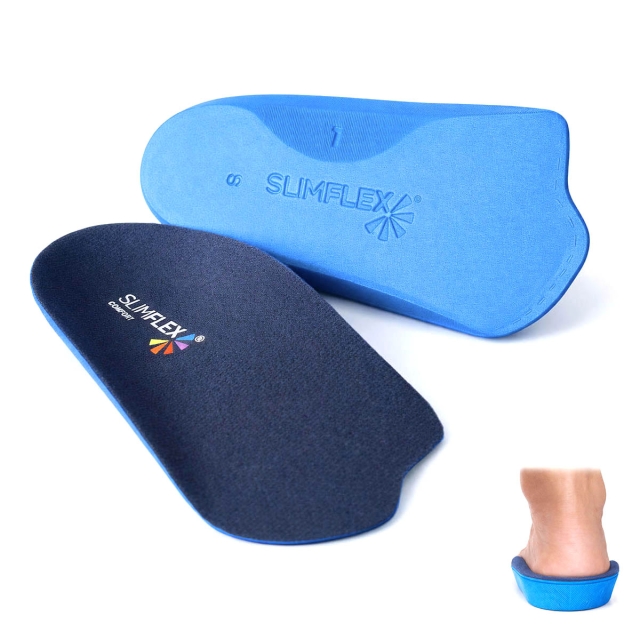
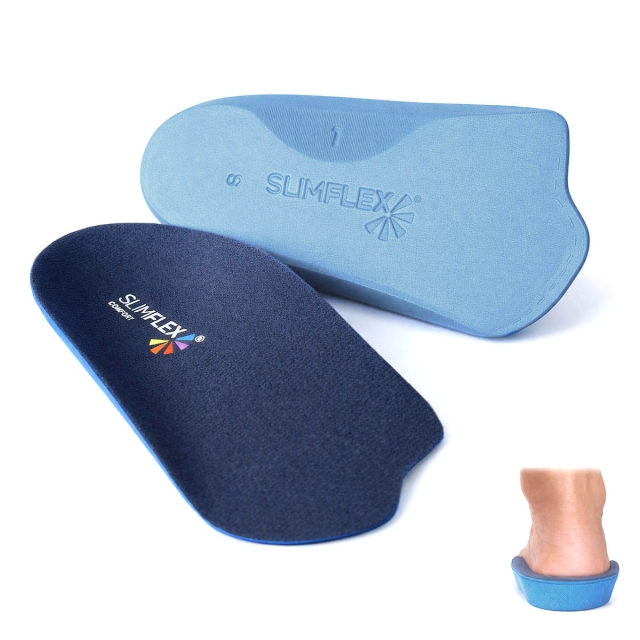
Sold: Sold per Pair
Incl. VAT Exl. VAT