Algeos expands pressure-care portfolio through new Caversham partnership
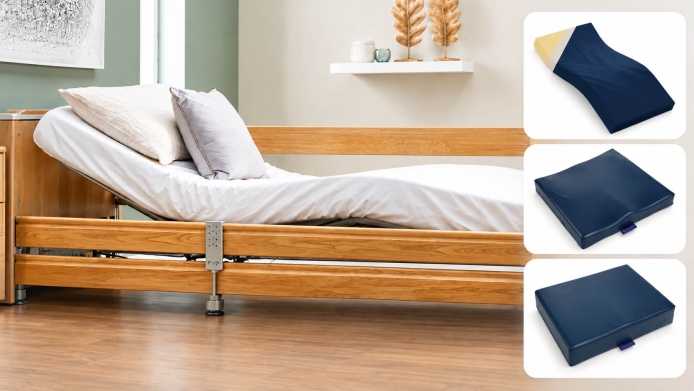
Algeos has expanded its pressure-care portfolio through a new distribution partnership with Caversham®, making four specialist Class I medical devices available to healthcare professionals and care providers across the UK.
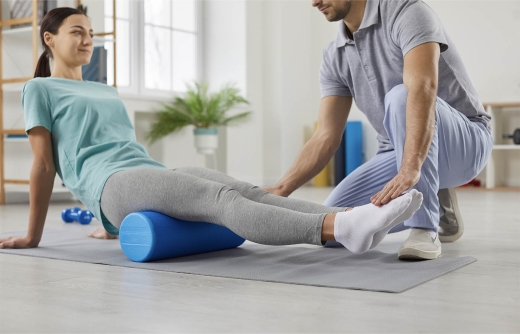
A practical, evidence-informed clinical guide for NHS physiotherapy and rehabilitation teams, and for informed patients who want to use foam rollers safely with purpose.
This guide compares leading insole brands sold through Algeos, including Slimflex, Podotech, Interpod, Prothotics, FasciaFix and Memopur, with a focus on key features, how they work, lifestyle fit, user experience and clinical credibility.
Plantar fasciitis is one of the most common causes of heel pain - affecting many active individuals and professionals alike. Whether you’re a healthcare practitioner or someone seeking relief from everyday discomfort, understanding the treatment options available across the UK can help guide your journey back to pain-free steps. In this article, we explore the approaches offered by the NHS alongside private podiatry options, so you can make an informed decision that suits your lifestyle and needs.
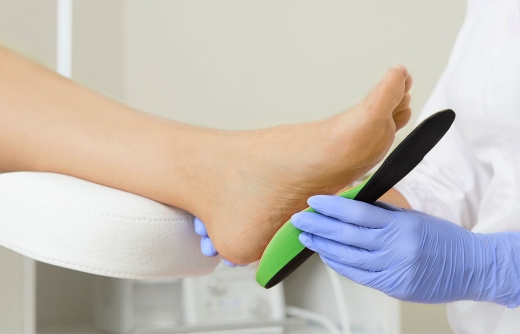
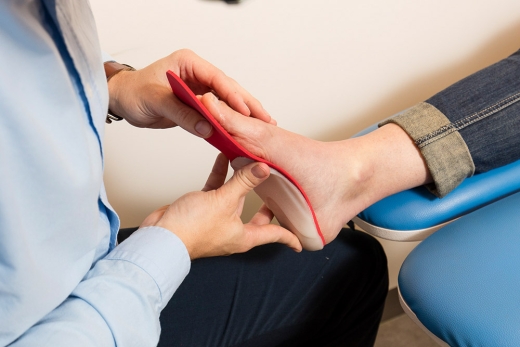
The NHS provides orthotic insoles to support patients with foot, lower-limb or musculoskeletal conditions. Typically, access is via a referral from your GP to a podiatrist or orthotist, who then assesses the issue and prescribes appropriate in-shoe support.
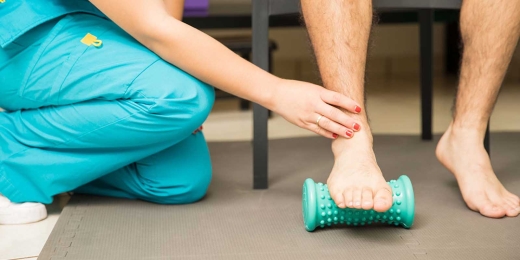
This guide focuses on tools that are genuinely useful day-to-day: building strength at home, improving balance and stability, easing muscle tightness, supporting sensory seating, and making basic health monitoring easier.
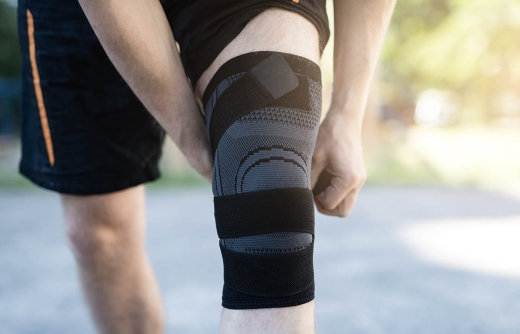
This UK guide explains how knee supports work - then maps common conditions to specific brace types - with comparison tables of leading options available from Algeos
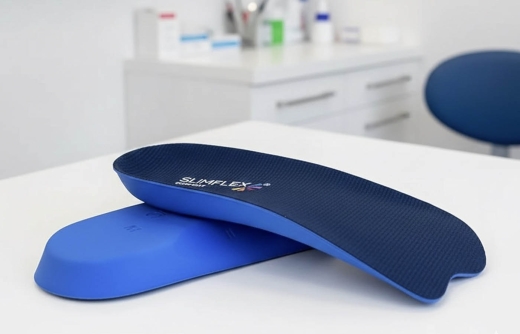
Slimflex Comfort orthotic insoles are widely used across the NHS and are now popular in UK retail. This guide explains why they are so frequently prescribed, how they work, and how they compare with other insoles.
This guide is written for clinicians and informed consumers. It blends practical steps with evidence, compares product families and shows how to use orthotic support alongside exercise and footwear choices that make every step easier.
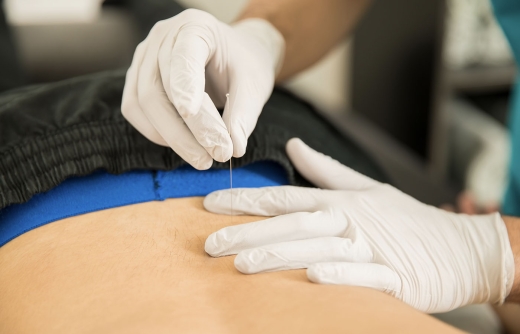
Acupuncture is one of those treatments that divides opinion. Some people swear by it for pain relief, stress reduction or even fertility support, while others remain sceptical, wondering if it’s all just placebo.
When you have a nagging foot problem, it’s tempting to play “Dr. Google” and diagnose yourself at home. The internet has many quick answers. Almost three-quarters of patients say they look online for medical information. In fact, over 35% of people have tried to identify a medical condition online instead of seeing a professional.
The NHS provides access to foot orthotics for those with medically diagnosed foot problems. However, the process can take time due to waiting lists and the need for assessment by a healthcare professional.
Off-the-shelf (prefabricated) orthotic insoles are widely used across NHS podiatry, physiotherapy and orthotics services as a first-line treatment for foot and lower-limb problems. These ready-made insoles provide arch support, cushioning and alignment correction without the wait or cost of custom devices.
This guide will walk you through how acupuncture is used within the NHS, what the official guidelines say, how you might access treatment, and the experiences of patients and professionals with acupuncture under NHS care.
According to NHS data, there are an estimated two million orthotic patients treated at one time in England alone. From diabetes to post op trauma, orthotic services provide health benefits for a wide range of conditions in a variety of settings.