




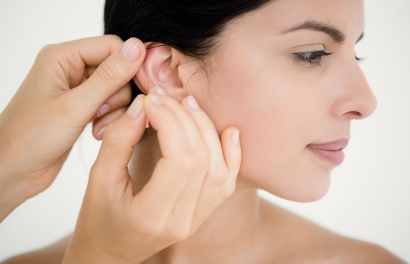
Does acupuncture work? Acupuncture is one of those treatments that divides opinion. Some people swear by it for pain relief, stress reduction or even fertility support, while others remain sceptical, wondering if it’s all just placebo.
The truth lies somewhere in between: acupuncture has centuries of history behind it, is recognised by the World Health Organization for certain conditions, and is used in NHS pain clinics across the UK. But it isn’t a cure-all, and it’s important to understand what it really does before deciding if it’s worth a try.
This article breaks down how acupuncture works, what the evidence says, who might benefit and when it’s probably not the right choice. We’ll also look at some frequently asked questions to help you make an informed decision.
What is Acupuncture?
Acupuncture is a practice rooted in Traditional Chinese Medicine (TCM). Very fine needles are inserted into specific points on the body, often referred to as acupoints. In TCM, this is said to balance the body’s flow of energy, or qi. From a modern medical perspective, the process is thought to stimulate nerves, muscles, and connective tissue, which may promote blood flow and trigger the release of natural painkillers such as endorphins.
Quote: “While acupuncture originates from ancient Chinese theories of energy flow, modern research suggests its benefits are more to do with stimulating the nervous system and modulating pain signals.” – Dr. Mike Cummings, British Medical Acupuncture Society.

How Does Acupuncture Work in Practice?
A session typically lasts 30–60 minutes. The practitioner inserts sterile, single-use needles into specific points, which may cause a mild tingling or dull ache. Many people describe feeling deeply relaxed during treatment, sometimes even drifting off to sleep.
Although the exact mechanisms aren’t fully understood, scientific studies suggest acupuncture may:
- Increase blood circulation in targeted areas
- Stimulate the release of endorphins and serotonin
- Influence how the brain processes pain
- Reduce inflammation in tissues
Conditions Where Acupuncture May Help
The evidence for acupuncture is strongest in certain areas, though results can vary from person to person. Here’s a simple breakdown:
| Condition | Evidence Level | Notes |
|---|---|---|
| Chronic pain (back, neck, osteoarthritis) | Strong evidence | Recognised by NICE (UK) for chronic primary pain management. |
| Migraine & tension headaches | Moderate to strong | Shown to reduce frequency and severity of attacks. |
| Postoperative nausea & chemotherapy-related sickness | Strong | Often used alongside conventional anti-nausea medication. |
| Fertility & IVF support | Mixed | Some studies show improved outcomes, others no effect. |
| Anxiety, stress & insomnia | Moderate | Often used as complementary support to reduce stress levels. |
| Allergies, asthma, IBS | Limited | More research needed; may help some individuals but not widely recommended. |
When Is Acupuncture Worth a Try?
Acupuncture is worth considering if:
- You live with chronic pain (such as osteoarthritis, back pain, or headaches) and want a drug-free option.
- You’re undergoing fertility treatments and want complementary support to manage stress.
- You’re looking for relief from chemotherapy or surgery side effects.
- You want to explore stress reduction and relaxation techniques.
It may be less worthwhile if:
- You’re expecting a miracle cure for complex medical conditions.
- You’re not comfortable with needles (though they are very fine, needle phobia can make it stressful).
- You have a serious medical condition requiring urgent or specialist care—acupuncture should never replace necessary medical treatment.
Benefits Beyond Pain Relief
Even if pain relief is the most studied benefit, many people report secondary improvements such as better sleep, lower stress levels, and a general sense of wellbeing. These effects might not always show up clearly in clinical trials, but they are often valued by patients.
Quote: “Sometimes the biggest win is not just less pain, but the feeling of being calmer, sleeping better, and having a bit more control over your day.” – Sarah Brown, licensed acupuncturist in London.
Safety and Side Effects
When performed by a qualified practitioner, acupuncture is considered safe. Side effects are generally mild and short-lived, such as:
- Slight bleeding or bruising at the needle site
- Temporary soreness
- Feeling light-headed afterwards
More serious complications (like infection or organ puncture) are extremely rare when sterile, single-use needles are used by trained professionals.

What Does an Acupuncture Session Cost?
Costs vary depending on location and practitioner. In the UK, private acupuncture typically ranges from £40 to £70 per session. Some NHS services provide acupuncture, particularly in pain management clinics, though access can be limited.
| Setting | Typical Cost | Availability |
|---|---|---|
| Private practice | £40–£70 per session | Widely available in most UK cities |
| NHS pain clinic | Free | Limited; referral required |
| Community acupuncture clinics | £20–£35 (group setting) | Growing in popularity in urban areas |
FAQs
1. Does acupuncture hurt?
Most people feel little to no pain. You may experience a mild tingling or dull ache when the needles are inserted, but this usually subsides quickly.
2. How many sessions will I need?
This depends on your condition. For chronic pain, a course of 6–12 sessions is common, often spread over several weeks. Some people feel benefits after just one or two sessions.
3. Is acupuncture just placebo?
While placebo may play a role (as it does in most medical treatments), research has shown measurable changes in brain activity and pain perception following acupuncture. The NHS recognises it as a legitimate option for certain chronic pain conditions.
4. Can anyone have acupuncture?
Most people can. However, it may not be suitable if you have a bleeding disorder, are on blood-thinning medication, or are pregnant (some points are avoided in pregnancy). Always check with your GP first.
5. How do I find a qualified practitioner?
In the UK, look for practitioners registered with the British Acupuncture Council or the British Medical Acupuncture Society. This ensures proper training and safety standards.
References
- National Institute for Health and Care Excellence (NICE). Chronic pain (primary and secondary) in over 16s: assessment of all chronic pain and management of chronic primary pain (2021). Read here
- World Health Organization. Acupuncture: Review and Analysis of Reports on Controlled Clinical Trials (2002). Read here
- Vickers AJ, et al. Acupuncture for chronic pain: individual patient data meta-analysis. Arch Intern Med. 2012;172(19):1444-1453.
- British Acupuncture Council. Find a Practitioner
In a nutshell
Acupuncture isn’t magic, and it won’t work for everyone. But if you’re dealing with ongoing pain, stress, or certain side effects of medical treatments, it can be a safe and effective complementary therapy worth exploring. The key is to have realistic expectations: think of acupuncture as part of your wider toolkit for wellbeing rather than a silver bullet.
As Dr. Cummings neatly puts it: “Acupuncture is not a panacea, but it can be a valuable addition to conventional care when used appropriately.”
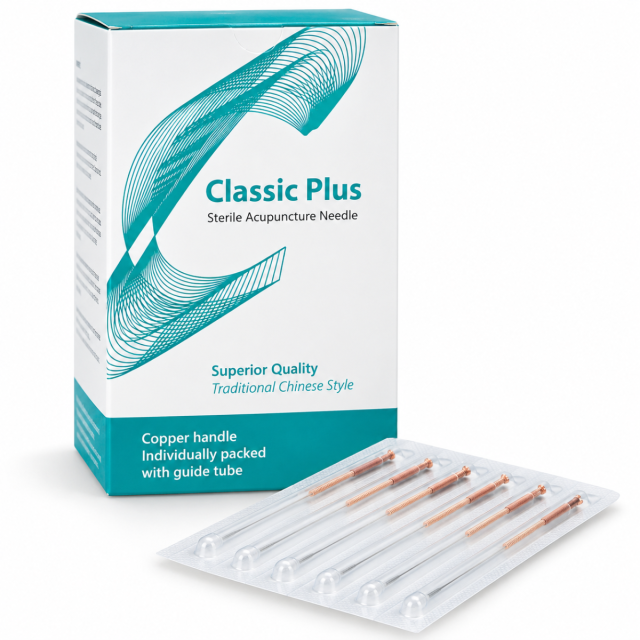
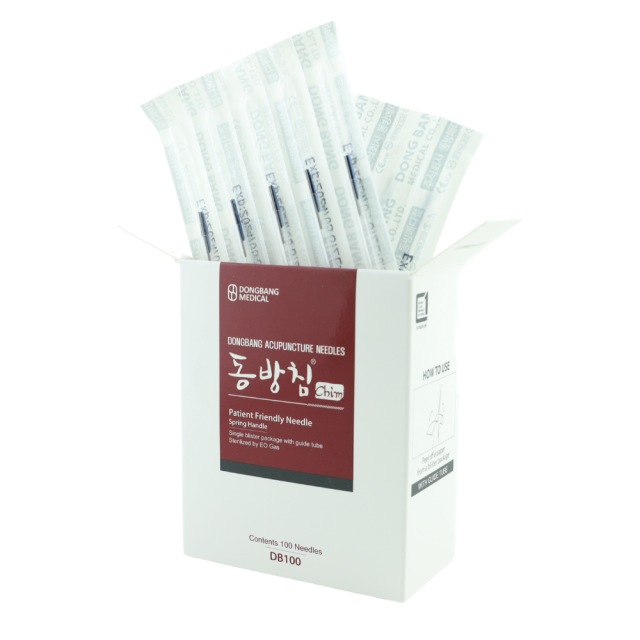
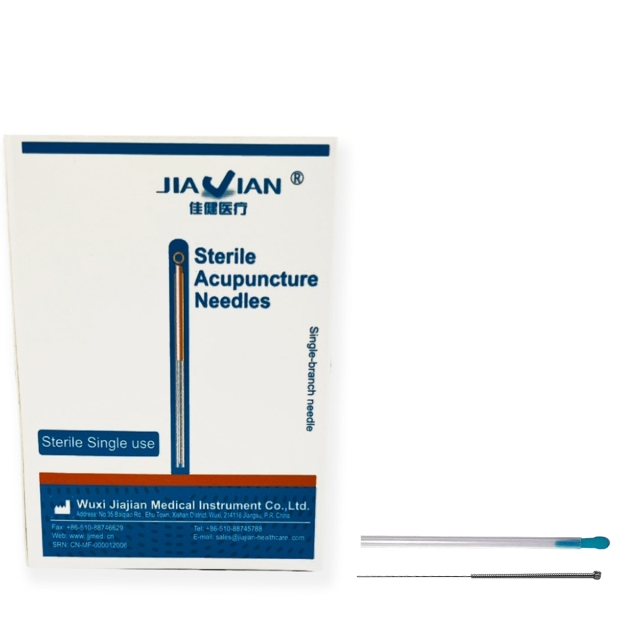
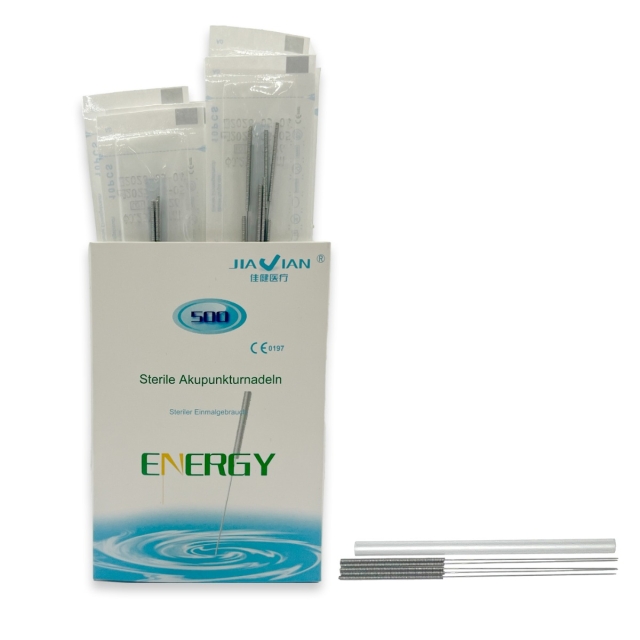
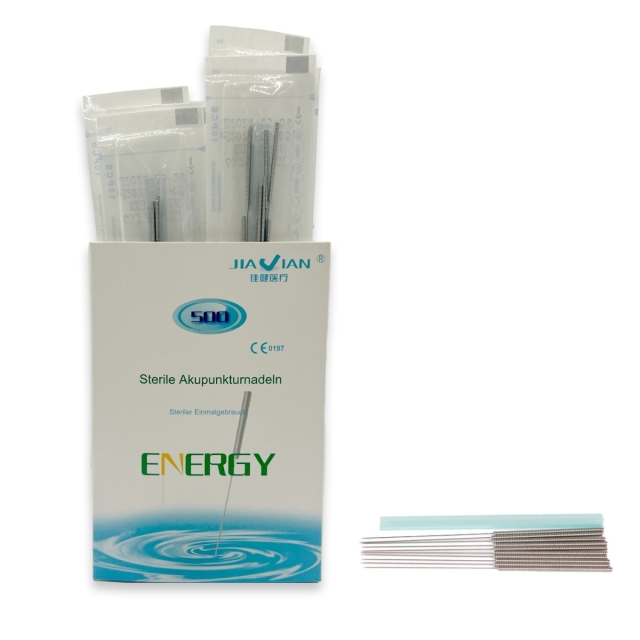
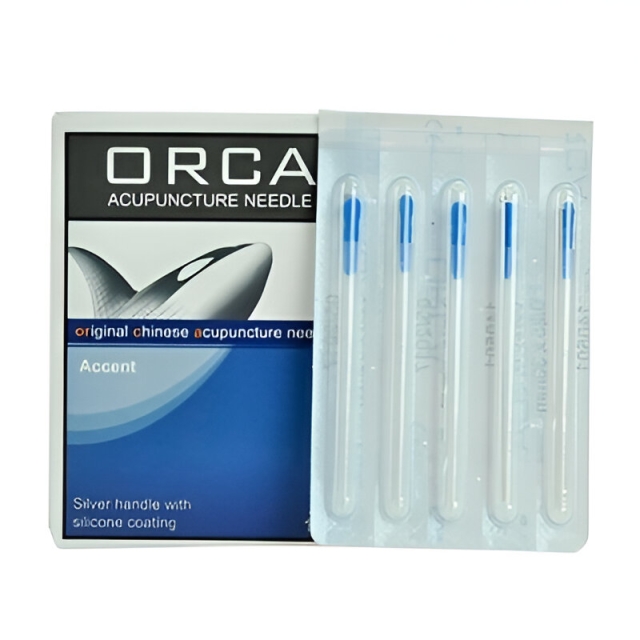
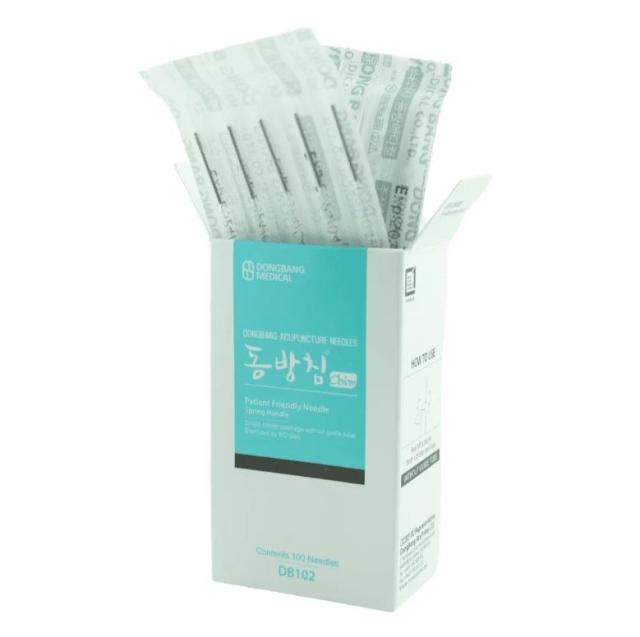
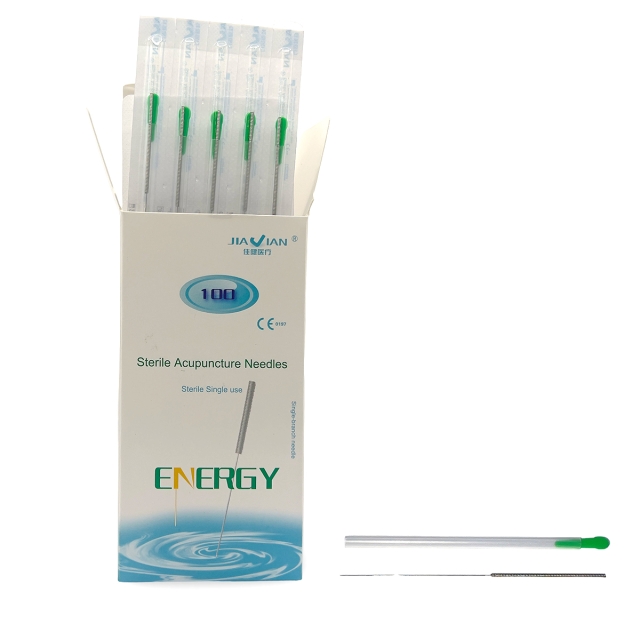
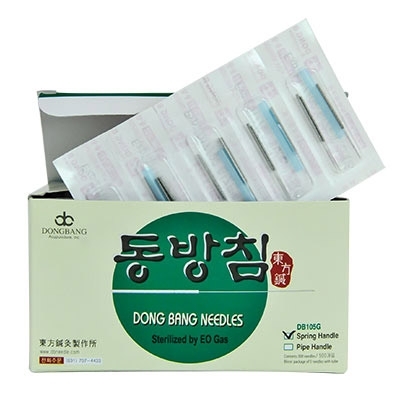
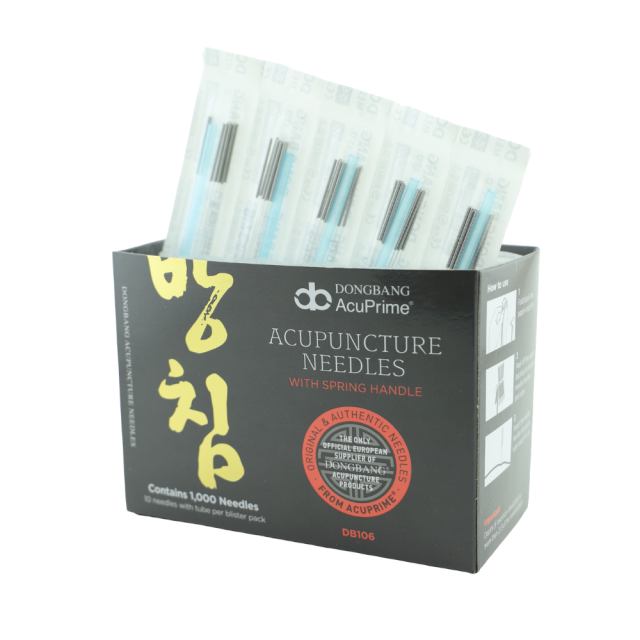
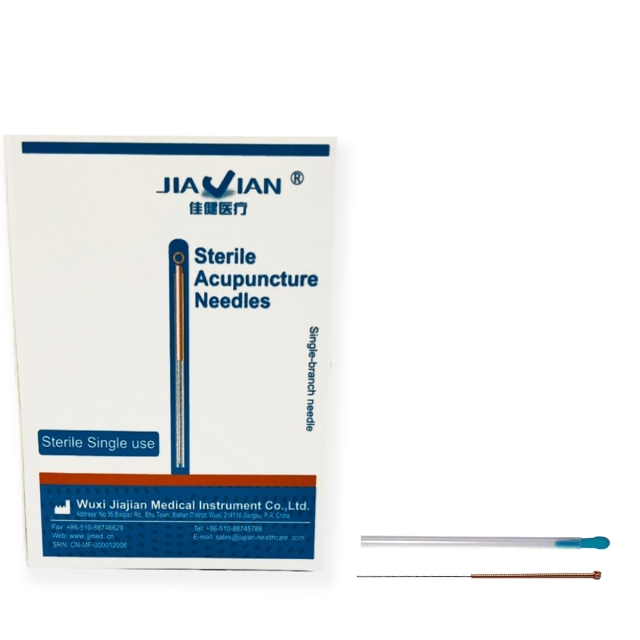
To view Algeos Acupuncture Needles visit our range page.
Sold: 100
Incl. VAT Exl. VAT