





Here is how to get the support without giving your skin a reason to complain.
What is zinc oxide tape?
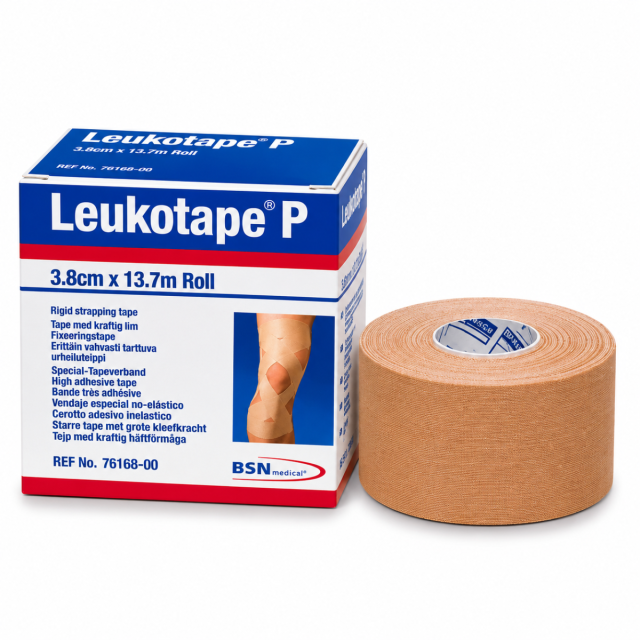
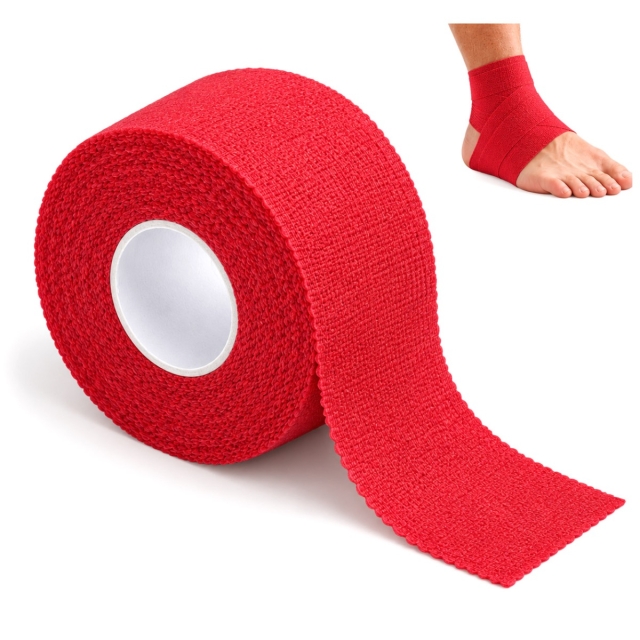
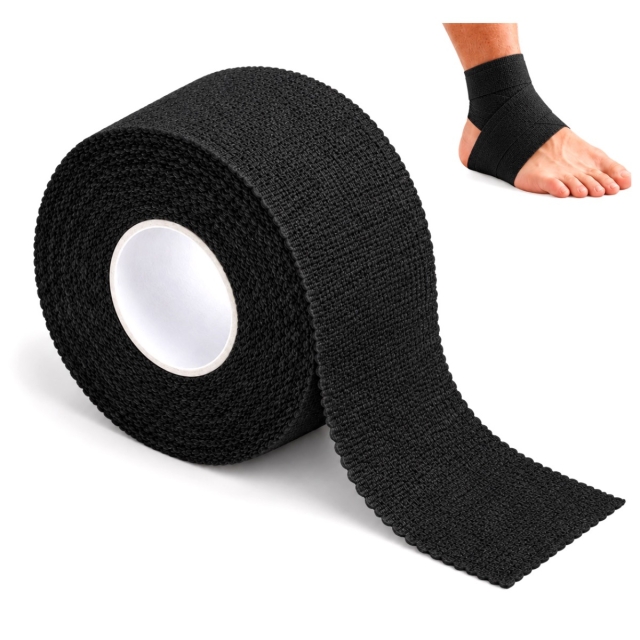
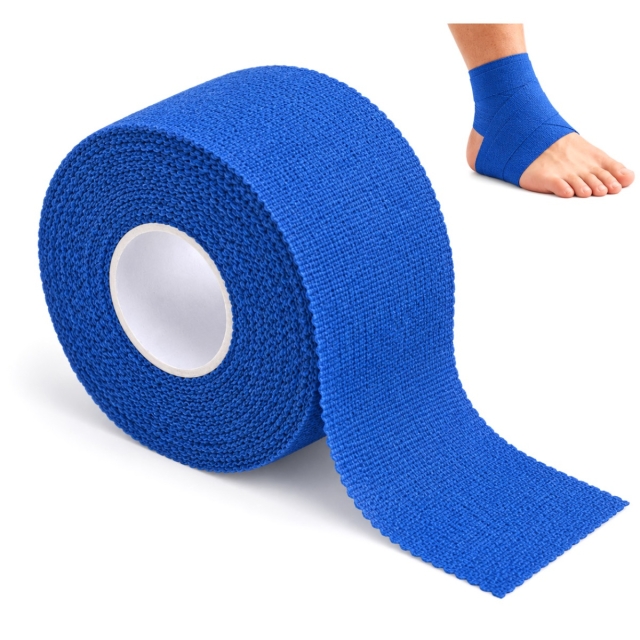
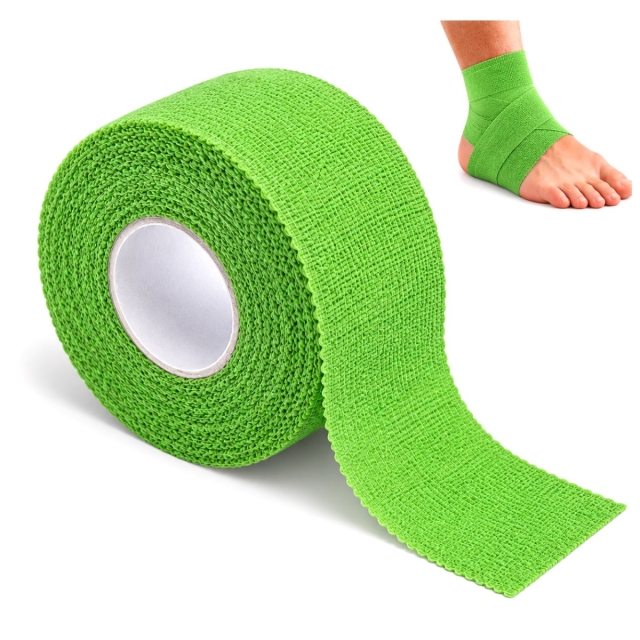
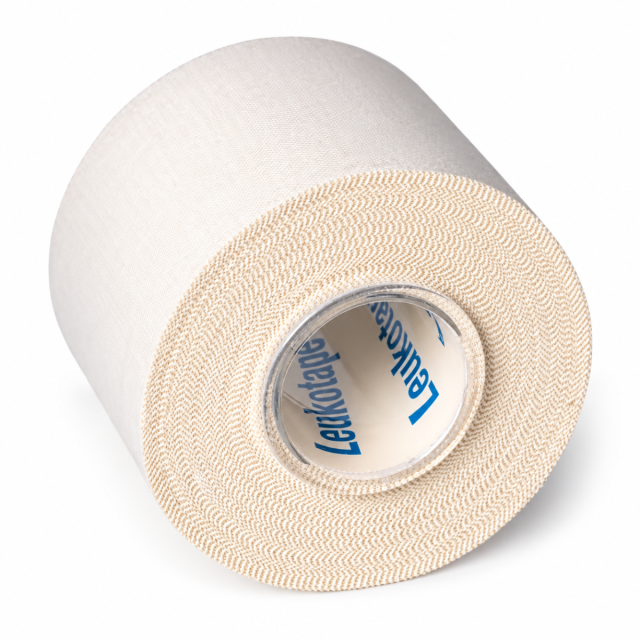
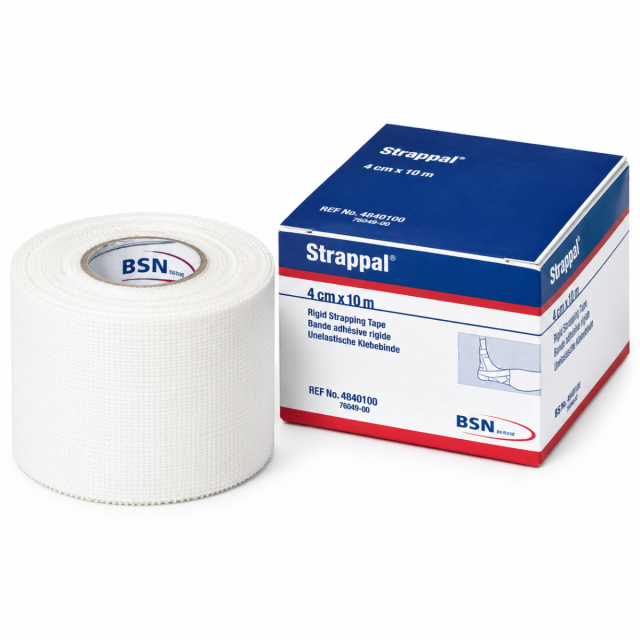
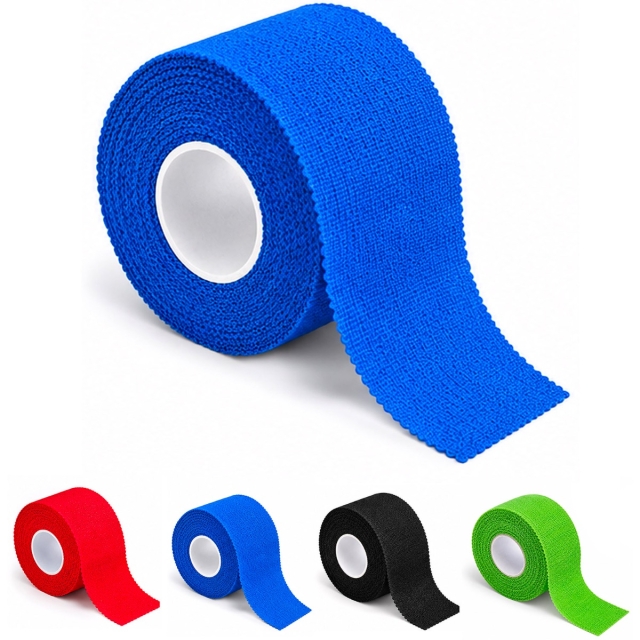
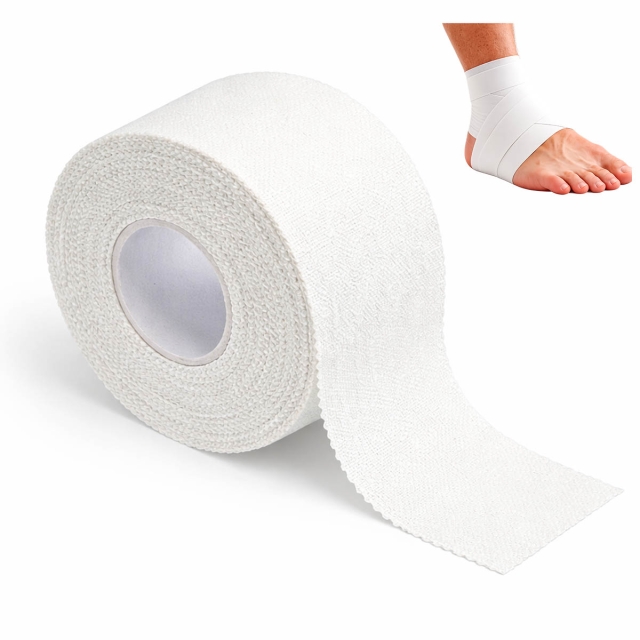
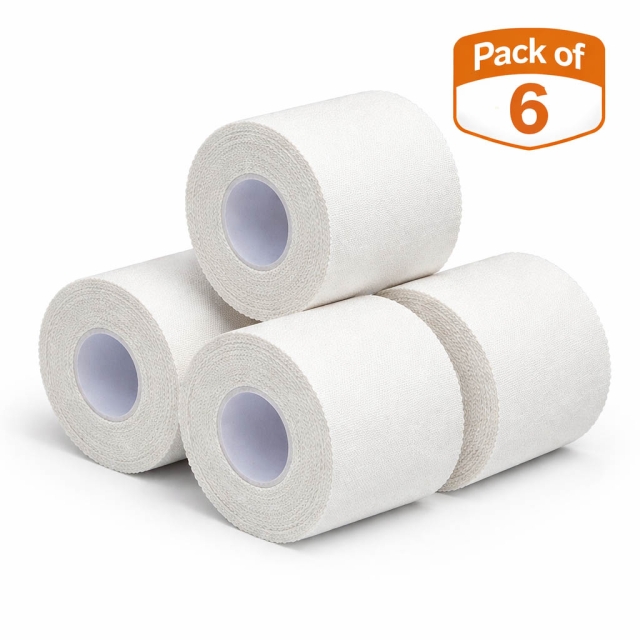
Zinc oxide tape is a strong, usually non-stretch adhesive strapping tape used for short-term joint support and movement control. Its fabric backing provides firmness while its adhesive helps it stay in place. It is commonly used in sports therapy, physiotherapy and podiatry. The name describes the tape's adhesive formulation, not a licence to stick it directly onto wounds.

How does it work and why does technique matter?
Think of rigid tape as a seatbelt for a joint, not a plaster cast. Correctly positioned strips can help limit unwanted movement around an ankle or provide temporary support to the foot's arch. Unlike elastic tape, it offers little give. That is useful for stability but unforgiving when swelling develops.
Clinical guidance for ankle sprains supports external aids such as taping or bracing alongside progressive loading and rehabilitation. It does not support relying on tape alone to restore long-term stability. For a broader overview, see the Algeos physiotherapy tape guide.
Where can zinc oxide tape help?
- Ankles: structured sports strapping may limit certain movements after assessment or during return to activity.
- Feet: clinician-taught arch taping can provide temporary support for some people with plantar heel pain.
- Wrists and fingers: specific techniques can help support vulnerable joints without replacing injury assessment.
- Dressing retention: suitable tape may secure a separate dressing to intact surrounding skin.
Friction protection deserves a footnote. Some runners use tape over intact, blister-prone skin but wrinkles and adhesive can make rubbing worse. Research demonstrating blister prevention with paper tape should not be presented as proof that rigid zinc oxide tape works identically.
Six ways zinc oxide tape can go wrong
1. The tourniquet mistake
Tight circular strips can create pressure as a foot or ankle swells. Tingling, numbness, throbbing or cold, discoloured toes are not signs of excellent support. Remove the tape immediately. Avoid making a tight continuous ring around a limb.
2. The wrinkle that becomes a blister
A small fold can turn into a pressure point inside a shoe. Smooth each strip flat and check the finished taping while standing or moving gently, as appropriate.
3. The adhesive reaction
Itching, burning, redness, darker discolouration or a rash shaped like the tape may indicate irritation or contact dermatitis. Some reactions develop hours later. Latex-free and hypoallergenic labels do not guarantee a reaction-free experience.
4. The one-pull removal
Strong adhesive can remove superficial skin cells if peeled off abruptly. This is known as skin stripping and is one form of medical adhesive-related skin injury. Older, fragile or repeatedly taped skin needs extra care.
5. The sweaty, soggy application
Moisture weakens adhesion and trapped sweat may contribute to skin damage. If tape has slipped, remove it and inspect the skin rather than building a bulky tower of extra layers.
6. The 'tape will fix it' assumption
Tape cannot diagnose a fracture, repair a torn ligament or make painful activity automatically safe. Severe swelling, deformity or an inability to bear weight needs medical assessment rather than another roll.

How to apply zinc oxide tape safely: a seven-step routine
- Choose the right job. Confirm that rigid strapping is appropriate. For a recent injury or an unfamiliar taping pattern, ask a physiotherapist, podiatrist or sports therapist to demonstrate.
- Inspect the skin. Do not tape over cuts, infected skin, active eczema or an existing adhesive rash. Seek advice first if sensation or circulation is reduced.
- Prepare the area. Clean and dry the skin. Avoid moisturiser underneath. Trim excess hair carefully rather than shaving irritated skin.
- Position the joint. Follow the position taught for the intended support. Incorrect positioning can make even neat tape ineffective.
- Apply smooth strips. Use the required pattern with minimal tension. Do not pull rigid tape tight as though it were an elastic bandage.
- Check the result. Support should feel secure, not painful. Recheck sensation, toe or finger colour and any new pressure points.
- Review and remove. Inspect during use and remove after the intended activity unless a clinician advises otherwise. Never ignore itching or increasing pain.
No tingling, throbbing or new numbness.
Normal skin colour with no swelling beyond an edge.
Supportive but no new pain or dangerous restriction.
For reusable support, the ankle supports guide explains when a brace may be more practical.
How to remove zinc oxide tape without the drama
Loosen a corner and hold the skin down with your free hand. Peel low and slow, folding the tape back over itself close to the skin and moving with hair growth where possible. A skin-safe adhesive remover may help: follow its instructions.
After removal, wash away residue gently and check for broken skin or persistent redness. Give irritated skin a break before taping again. Think careful unwrapping, not pulling off a sticking plaster in a television comedy.

Which support should you choose?
| Option | Best suited to | Main caution |
|---|---|---|
| Rigid zinc oxide tape | Short-term firm joint strapping | Excess pressure and adhesive skin damage |
| Kinesiology tape | Flexible taping that moves with the body | Still capable of causing skin irritation |
| Elastic adhesive bandage | Flexible wraparound support | Compression can be excessive |
| Ankle brace | Reusable support and easier self-application | Must fit correctly and match the injury |
Compare the Algeos physio tape range or browse zinc oxide tapes.
What users say - the questions behind the roll
Product questions often reveal the practical worries better than a glossy description. Algeos' zinc tape guidance addresses three especially useful concerns: Will it stay on during sport? Strong adhesion helps but sweat and application technique matter. Can it irritate skin? Yes, even latex-free varieties can. Should it feel very tight? Absolutely not.
These are paraphrased product FAQs, not invented customer testimonials. The simple lesson: a tape that stays put is only doing its job if the skin underneath is happy too.
When should you stop taping and get help?
Remove the tape promptly if it causes tingling, increasing pain, marked itching, blistering or an unexpected change in skin colour. Seek urgent assessment if an injured limb remains numb, cold, blue or grey after removal or if the original injury is severe. Persistent or recurring rashes warrant advice from a pharmacist or GP. People with diabetes-related sensory loss, poor circulation or fragile skin should obtain individual guidance before using strong adhesive strapping.
Frequently asked questions
Can I sleep with zinc oxide tape on?
Generally remove short-term sports strapping after activity unless your clinician specifically instructs otherwise. Overnight swelling and unnoticed pressure can be problematic.
Is zinc oxide tape waterproof?
Do not assume it is. Sweat and water can affect adhesion depending on the product. Check its instructions and replace loosened or damp tape.
Why does my skin itch underneath it?
Possible causes include irritation, trapped moisture or contact allergy. Remove the tape and seek advice if symptoms are persistent, severe or recurrent.
Can zinc oxide tape prevent blisters?
It may reduce rubbing for some people when correctly placed on intact skin but folds can create new friction. Evidence for paper tape should not be assumed to apply to all zinc tapes.
Can I tape directly over a wound?
No. Standard rigid sports strapping is not a sterile wound dressing. Use suitable wound care materials and seek advice where needed.
Is hypoallergenic zinc tape completely allergy-proof?
No. Hypoallergenic describes an effort to reduce reaction risk, not a guarantee. Stop using any tape that causes a rash or skin breakdown.
References and research
- NHS - Sprains and strains
- NHS - Contact dermatitis symptoms
- NHS - Blisters
- JOSPT - Ankle sprain clinical practice guideline (2021)
- Journal of Wound Care - Medical adhesive-related skin injuries
- Clinical Journal of Sport Medicine - Paper tape blister prevention trial
- Chelsea and Westminster Hospital - Zinc tape burn dressing advice


Sold: 13.7 m
Incl. VAT Exl. VAT