




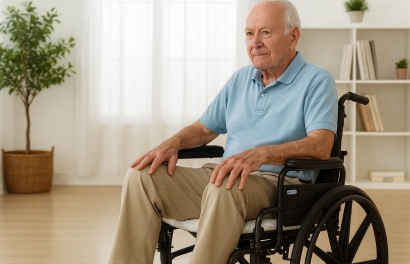
Pressure sores (also called pressure ulcers or pressure injuries) are largely preventable. The buttocks - especially the sacrum and ischial tuberosities - are high-risk areas for anyone who sits or lies for prolonged periods, has reduced mobility or experiences incontinence.
This practical guide explains what causes pressure sores, how prevention works, and the exact steps patients, carers and clinicians can take to reduce risk.
Use this as a daily reference: a clear definition, how pressure damage develops, a step-by-step routine, a comparison of prevention options, answers to common questions and trusted clinical references.
Definition
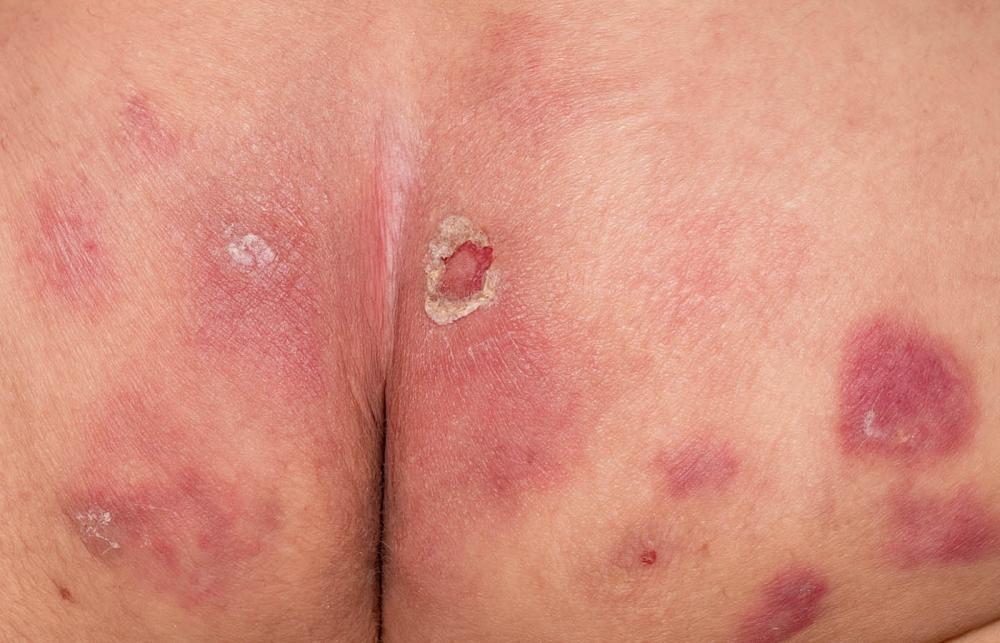
Localised damage to the skin and/or underlying tissue, usually over a bony prominence, resulting from sustained pressure, or pressure in combination with shear. Contributing factors include friction, moisture (e.g. sweat, urine, faeces), poor nutrition and reduced perfusion.
- Common buttock sites: sacrum/coccyx and ischial tuberosities.
- Early sign: persistent non-blanching redness or discolouration that does not fade when pressed.
How Prevention Works
Tissue needs uninterrupted blood flow for oxygen and nutrient delivery. When pressure is sustained - such as sitting without repositioning - capillary flow is reduced. If this continues, cells are injured and skin breaks down. Shear (sliding down the bed/chair) further distorts deeper tissues, while friction and moisture weaken the skin’s outer barrier.
Prevention aims to:
- Relieve pressure regularly (repositioning, offloading, support surfaces).
- Reduce shear and friction (safe moving and handling techniques, smooth bedding, correct seating posture).
- Control moisture (incontinence care, breathable fabrics, barrier products).
- Optimise skin condition and healing capacity (hydration, protein, micronutrients, emollients).
- Identify problems early (daily skin checks and rapid response to any changes).
Step-by-Step Prevention Guide
-
Risk Assessment & Baseline Plan
Complete a structured risk assessment (e.g., Waterlow/Braden according to local policy). Note mobility, sensation, continence, nutrition, comorbidities and current skin status. Establish an individualised plan with repositioning frequency, seating/bed surface needs, and documentation schedule.
-
Repositioning & Offloading
- In bed: Reposition at least every 2 hours, alternating 30° side-lying positions to relieve sacral pressure. Use pillows/wedges to maintain posture and protect bony areas (avoid direct pressure on the greater trochanter where possible).
- In a chair/wheelchair: Encourage weight-shifts every 15–30 minutes if able (e.g., seated push-ups, leaning left/right/forwards). Where available, use tilt-in-space to redistribute load several times per hour.
- Document the schedule; use reminders/alarms if self-managing.
-
Optimise Seating & Bed Surfaces
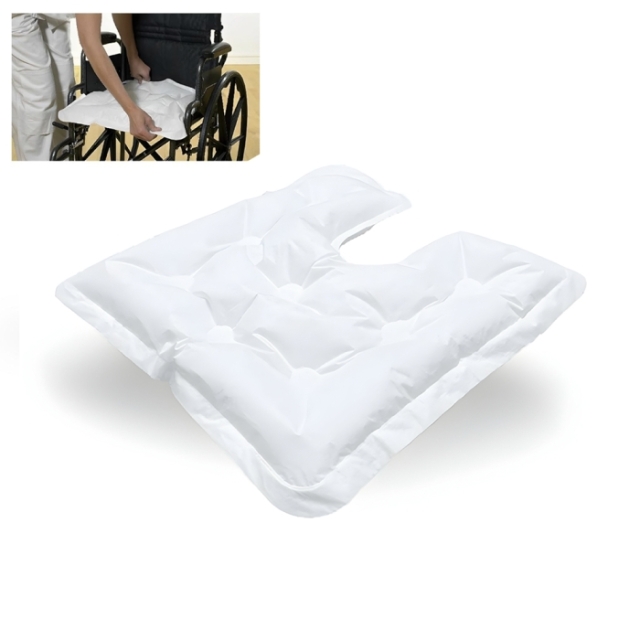
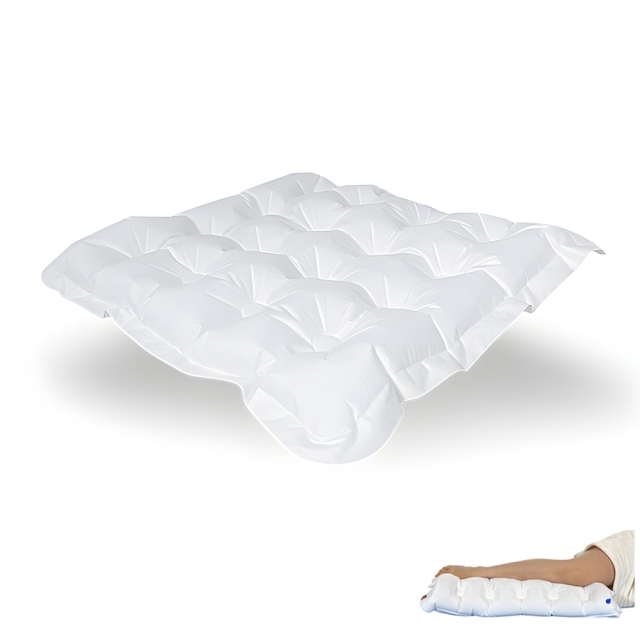
- Seat cushions: Choose a pressure-redistributing cushion suited to the user’s build, posture and risk: contoured foam (entry level), gel/foam hybrids (even load distribution), or air cell/air-alternating (higher risk, responsive adjustment). Ensure correct size, orientation and immersion/envelopment check (two-finger test where locally used).
- Mattresses: For bedbound or high-risk patients, use high-specification reactive foam or active (alternating) air surfaces in line with local guidelines. Combine with positioning—surfaces do not replace repositioning.
- Posture: Ensure feet supported, pelvis neutral, hips/knees at ~90°, back supported; avoid sliding.
-
Skin Care: Inspect, Cleanse, Protect
- Daily inspection: Check sacrum, coccyx, ischial areas at least once daily (more often if high risk). Look for non-blanching redness/discolouration, heat/coolness, induration, pain or itching.
- Gentle cleansing: Use pH-balanced cleansers; avoid hot water and vigorous rubbing. Pat dry.
- Moisturise: Apply emollients to maintain suppleness (avoid over-hydration). For incontinence, apply a barrier product (zinc oxide/dimethicone) after each episode or routine check.
- Dressings: Do not apply adhesive dressings prophylactically unless indicated; if used, choose low-trauma options and check the skin beneath regularly.
-
Moisture & Incontinence Management
- Use breathable, super-absorbent pads/briefs; change promptly after soiling.
- Consider toileting schedules, pelvic floor programmes, or continence clinic referral.
- Protect perineal/buttock skin with barrier creams or films; avoid talc.
- Keep bedding/clothing dry, smooth and crease-free; use moisture-wicking fabrics.
-
Nutrition & Hydration
- Protein: Prioritise adequate intake (e.g., lean meats, fish, dairy, legumes). Undernutrition markedly increases risk.
- Micronutrients: Ensure sufficient vitamin C, zinc and iron through diet; consider supplements only on clinical advice.
- Hydration: Encourage regular fluid intake unless medically restricted.
- Refer to a dietitian for weight loss, low appetite, or complex needs.
-
Reduce Friction & Shear
- Use sliding sheets/draw sheets for repositioning; do not drag across bed/chair surfaces.
- Keep the head of the bed at the lowest safe angle; raise knees slightly before elevating the back to minimise sliding.
- Choose soft clothing without bulky seams; keep sheets taut and unwrinkled.
-
Mobilisation & Exercise
- Encourage frequent micro-movements; for wheelchair users, practise 1–2 second lifts or leans as tolerated.
- Physiotherapy programmes (range of motion, strengthening, standing frames where appropriate) improve perfusion and endurance for repositioning.
-
Education, Records & Escalation
- Teach patients/carers to spot early changes and to report immediately.
- Keep a simple log of repositioning, skin checks, continence care and nutrition/fluid intake.
- If non-blanching redness, pain, blistering or skin breakdown appears, escalate to a nurse/GP/wound specialist promptly.
Pressure Sores
Daily Routine
- Morning: Skin check → gentle cleanse → moisturise/barrier as needed → seat on correct cushion with good posture.
- Through the day: Weight shifts every 15–30 minutes (if able) → fluids with each meal → protein-rich meals → incontinence care promptly.
- Afternoon: Re-inspect high-risk areas; review comfort and posture; adjust cushion or tilt routine if needed.
- Evening/Night: Fresh linens/clothing → document final skin check → continue 2-hourly turns if bedbound.
Comparison Table: Prevention Options
| Method | What It Does | Best For | Key Tips | Limitations |
|---|---|---|---|---|
| Regular repositioning | Relieves sustained pressure over bony areas | All risk levels | 2-hourly in bed; 15–30 min weight shifts seated | Needs reminders/caregiver support if immobile |
| Pressure-redistributing cushions | Improves load distribution under ischial tuberosities | Seated users, wheelchair users | Match size and risk; check immersion/envelopment | Maintenance and correct set-up essential |
| High-spec mattresses | Reduces peak interface pressures in bed | Bedbound or high-risk | Use with turning schedule; follow local criteria | Does not replace repositioning |
| Skin care & barriers | Protects epidermal barrier; reduces maceration | All, especially with incontinence | Gentle cleanse; moisturise; barrier after episodes | Requires consistent application |
| Incontinence management | Keeps skin dry; reduces bacterial/enzymatic damage | Urinary/faecal incontinence | Breathable pads, timely changes, toileting plans | Complex cases may need specialist input |
| Nutrition & hydration | Supports skin integrity and repair | Frail, malnourished, or healing wounds | Adequate protein; dietitian referral if needed | Benefit reduced without adherence |
| Mobilisation/exercise | Improves circulation and functional ability | Mobile or semi-mobile | Physio-led plans; safe micro-movements | Limited in severe immobility |
FAQs
- How do I spot the earliest warning sign on the buttocks?
- Look for persistent redness or discolouration that does not blanch (fade) when gently pressed. Also note warmth/coolness, hardness/softness compared to surrounding skin, or pain/itching.
- Are cushions enough on their own?
- No. Cushions reduce peak pressures but do not replace repositioning and regular skin checks.
- How often should a wheelchair user shift weight?
- Ideally every 15–30 minutes if able. If not, use tilt-in-space or powered tilt. Set phone or watch reminders to build the habit.
- What should I do if I see non-blanching redness?
- Remove pressure immediately, keep skin clean and dry, and contact a healthcare professional for assessment and advice.
- Does nutrition really make a difference?
- Yes. Low protein and micronutrient deficiencies impair skin resilience and healing. Dietetic input is recommended for weight loss, poor appetite or complex needs.
- How does incontinence increase risk?
- Moisture and enzymes in urine/faeces break down the skin barrier and raise infection risk. Prompt cleansing and barrier products are vital.
- When should I ask for a specialist surface?
- For high-risk or bedbound individuals, recurrent skin marking, or existing breakdown, discuss high-specification reactive foam or active (alternating) air surfaces with a clinician.
References
- National Institute for Health and Care Excellence (NICE). Pressure ulcers: prevention and management (CG179). 2014, updates ongoing. Guideline
- European Pressure Ulcer Advisory Panel (EPUAP), National Pressure Injury Advisory Panel (NPIAP), Pan Pacific Pressure Injury Alliance (PPPIA). Prevention and Treatment of Pressure Ulcers/Injuries: Clinical Practice Guideline. 2019. EPUAP
- NHS. Pressure ulcers. Patient information and care advice. NHS page
- Coleman S, et al. A new pressure ulcer conceptual framework. J Adv Nurs. 2014
Author
Marc Cameron has 25 years’ experience in health product development across the UK, Europe and the Middle East. He collaborates with clinicians to create practical resources that blend evidence with everyday care realities.
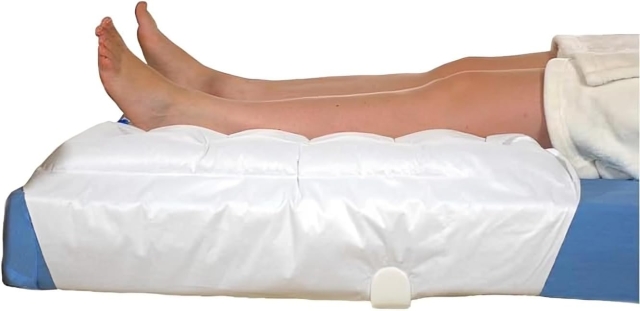
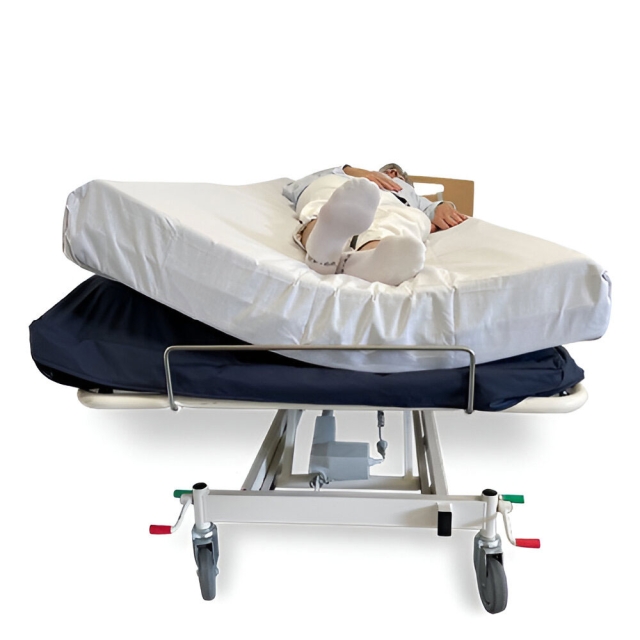
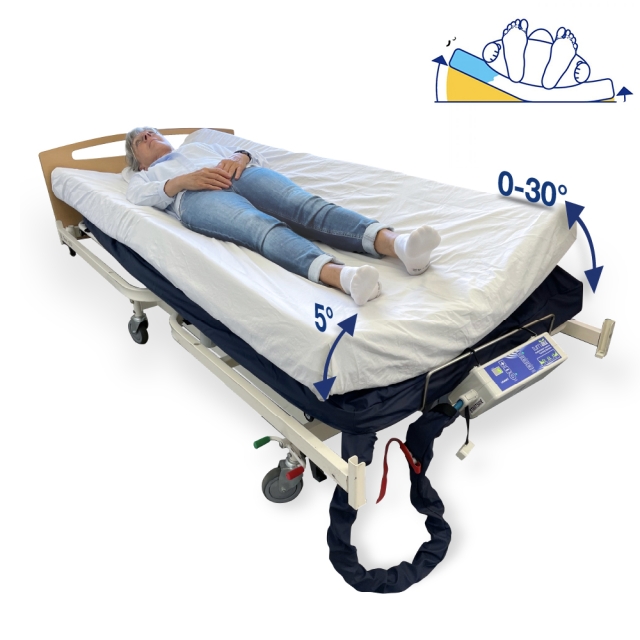
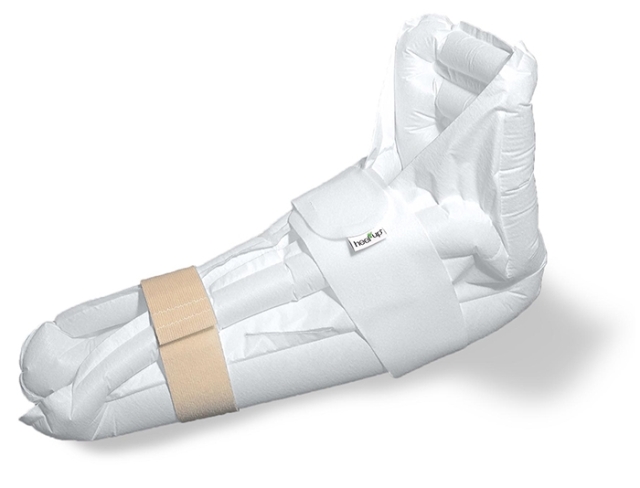
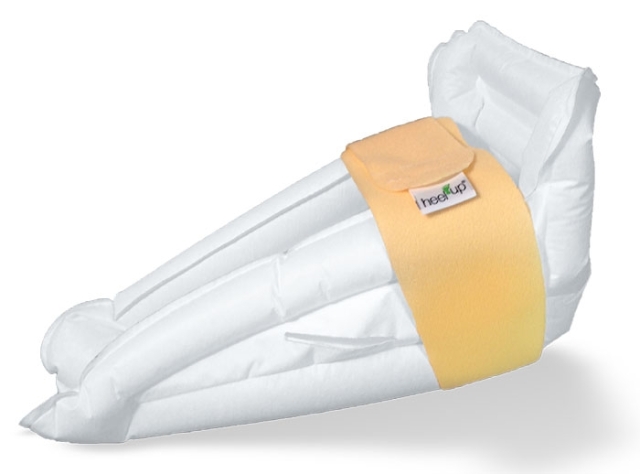
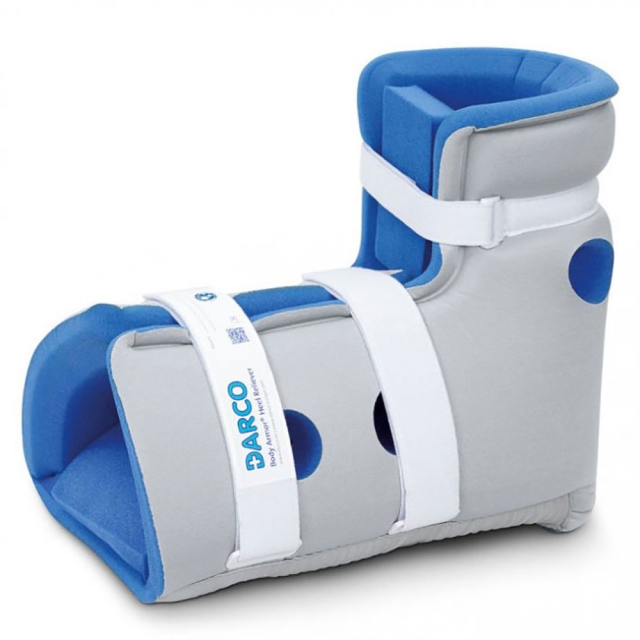
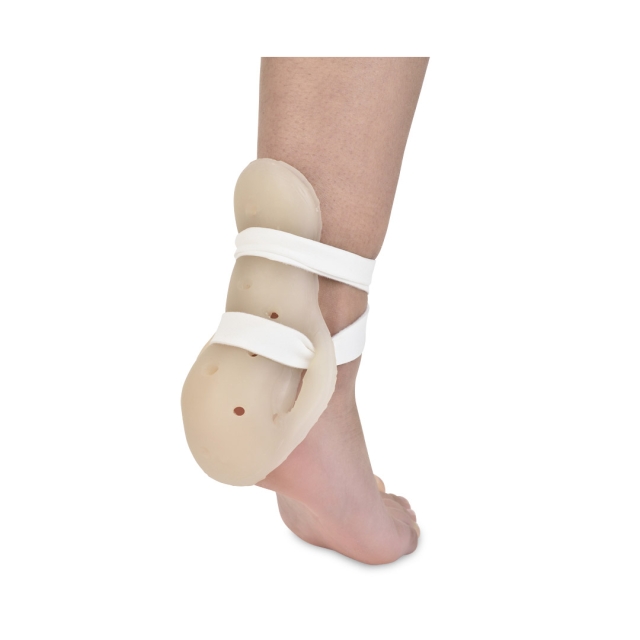
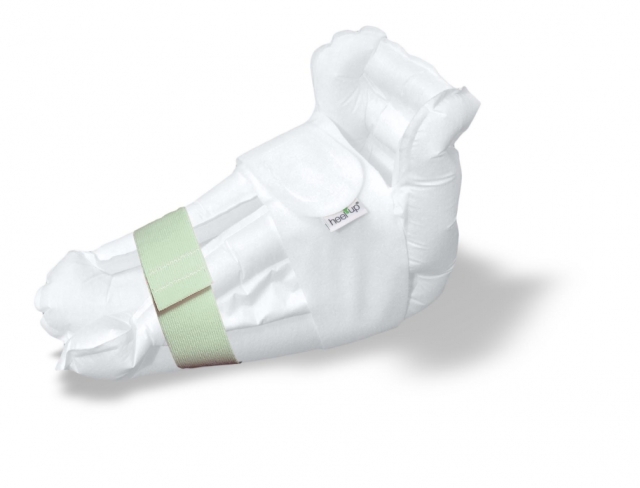
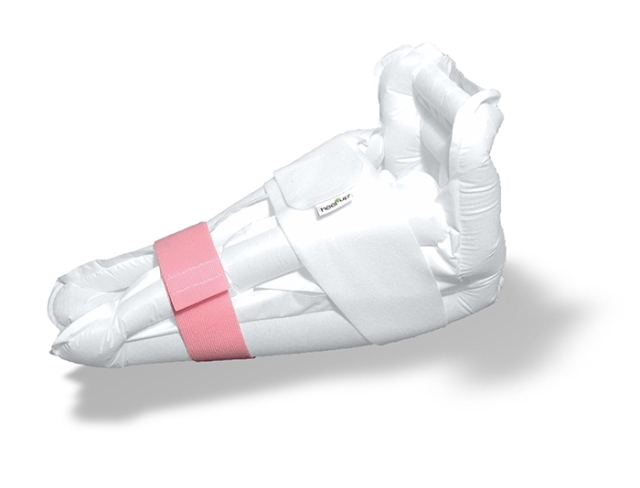
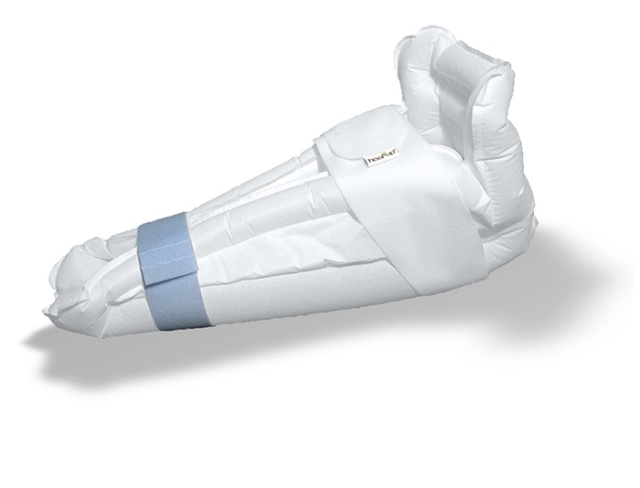
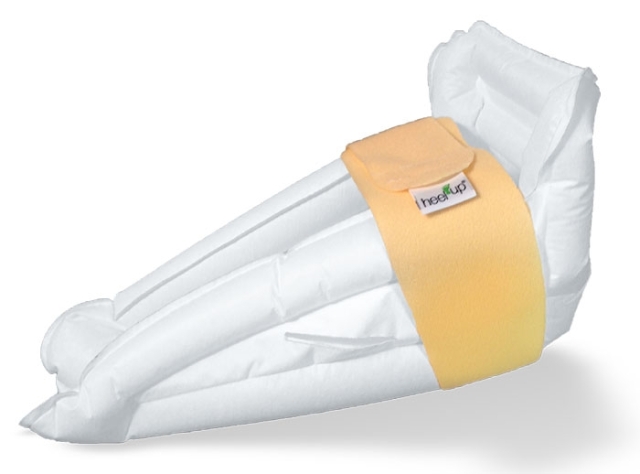
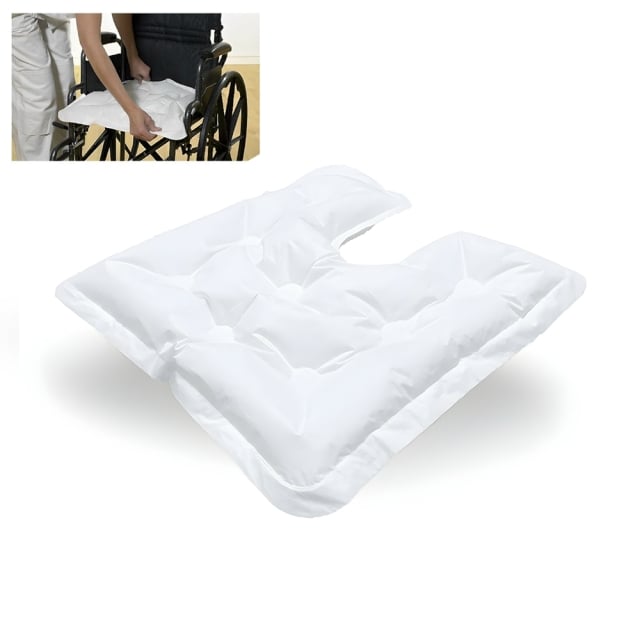
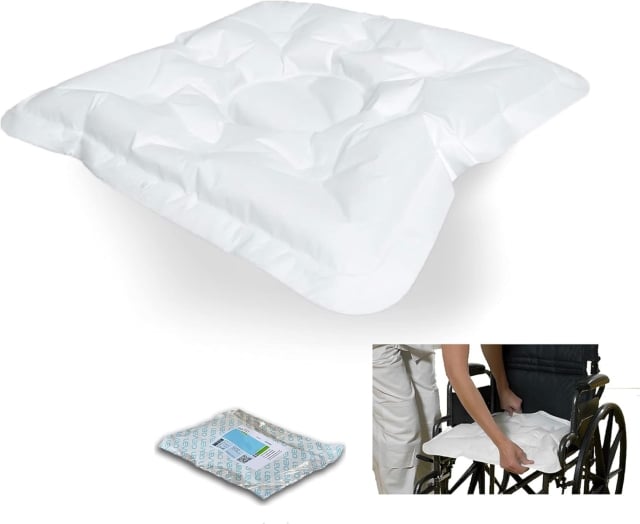
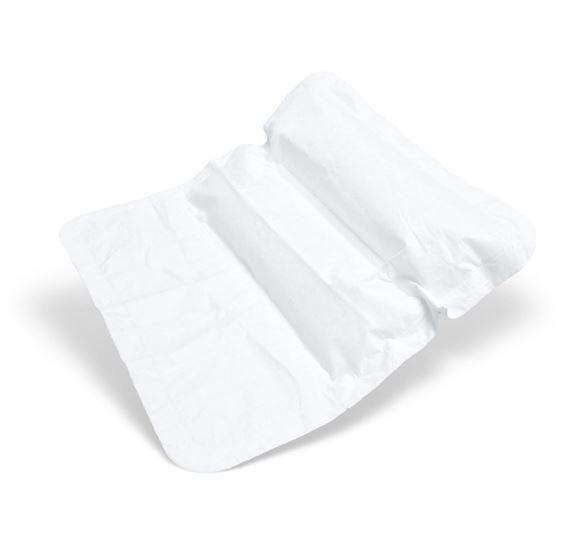
View and buy online - Pressure Relief Cushions For Heels | Pressure Relief Cushions
Sold: Box of 12
Incl. VAT Exl. VAT