Algeos expands pressure-care portfolio through new Caversham partnership
Algeos has expanded its pressure-care portfolio through a new distribution partnership with Caversham®, making four specialist Class I medical devices available to healthcare professionals and care providers across the UK.
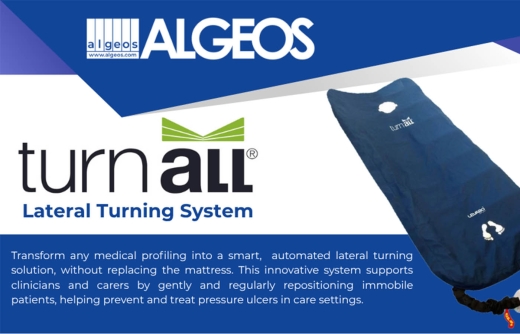
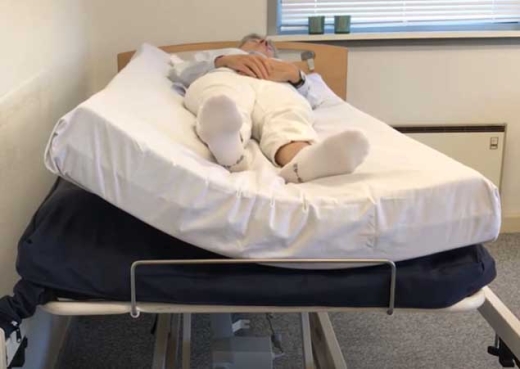
In the challenging world of pressure care, ensuring immobile or high-risk patients receive consistent repositioning is one of the most effective ways to prevent and treat pressure ulcers. In this blog post we explore how an automated lateral turning system.
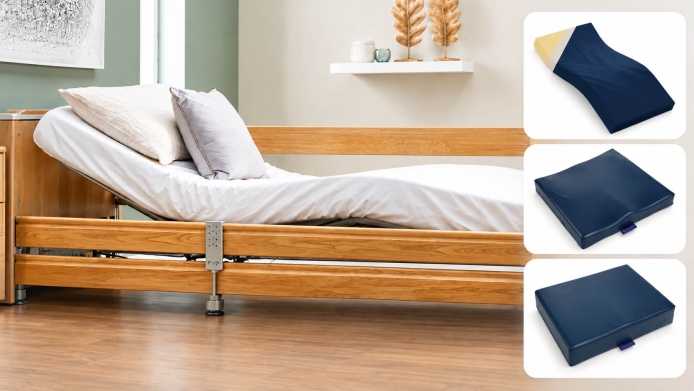
Demand for single-use pressure care cushions - especially disposable pressure-relief cushions - exists across UK hospitals, care homes and community services. The drivers are simple: infection prevention and control (IPC), speed and simplicity in high-turnover pathways, and the ongoing need to prevent pressure ulcers.
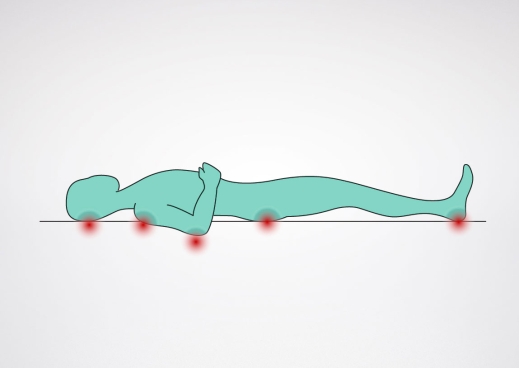
Pressure sores (also called pressure ulcers or pressure injuries) are largely preventable. The buttocks - especially the sacrum and ischial tuberosities - are high-risk areas for anyone who sits or lies for prolonged periods, has reduced mobility or experiences incontinence.
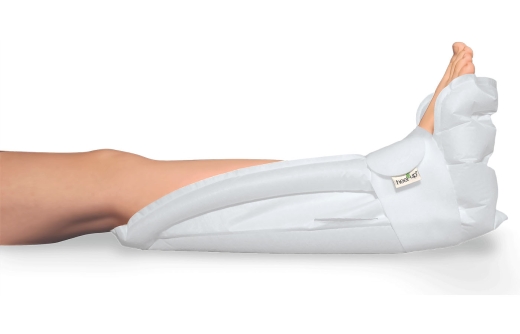
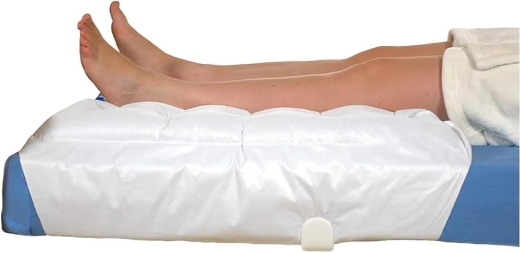
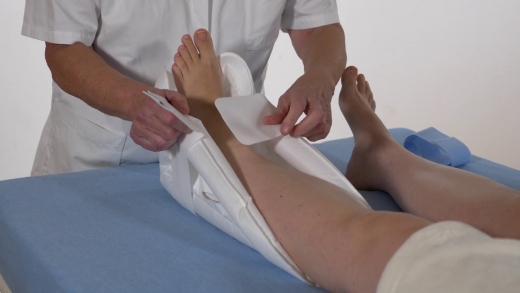
Pressure ulcers, also known as pressure sores, are a significant concern in hospitals and care homes, particularly among immobile or vulnerable patients. The heel is especially prone to ulceration due to its minimal soft tissue padding and frequent contact with bed surfaces. Heel Up pressure relief cushions offer a targeted solution by completely offloading the heel, redistributing pressure, and protecting the skin from injury.
In this article, we explore how Levabo products support the effective management of pressure ulcers, examine the best cushions for pressure sores on buttocks, highlight the importance of heel cushions for pressure sores, and provide actionable insights into preventing pressure sores before they begin.
Across the UK, over 700,000 people are affected by pressure ulcers each year, at a cost of £3.8 million every day to the NHS1. With an ageing population – as well as increasing prevalence of conditions such as diabetes, heart and kidney diseases, peripheral vascular disease, Alzheimer’s and lower limb oedema – prevention has been more important than ever to reduce waiting lists and improve the lives of those affected.
A White Paper commissioned by Care England has suggested that an innovative mattress-turning system has the potential to prevent pressure ulcers occurring for people in adult social care, while improving their comfort and promoting healing – all while delivering significant cost and resource savings to care providers and the NHS.
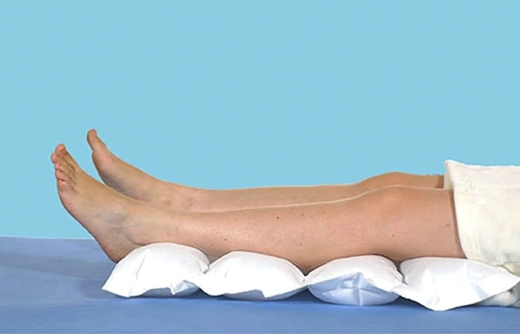
In the UK, over 4.9 million people have the condition, with a further 13.6 million people at increased risk of type 2 diabetes. Unfortunately, the implications of diabetes to the individual can be severe. Without proper preventative care, people with the condition are at risk of complications such as foot ulceration, which can lead to lower-limb amputation. Lets look at offloading pressure and some of the tools available to achieve this.
here are just over 17,000 care homes in the UK: 14,535 in England, 1,024 in Wales, 1,025 in Scotland and 405 in Northern Ireland. Each care home is responsible for the care of anywhere from 1-50+ residents at any given time.
A pressure ulcer is an injury to the skin and underlying tissue, typically occurring when a person is confined to a bed or chair for prolonged periods of time. By disrupting the blood flow to an area under consistent pressure causes the skin to expand, which then develops into a pressure ulcer.