Algeos expands pressure-care portfolio through new Caversham partnership
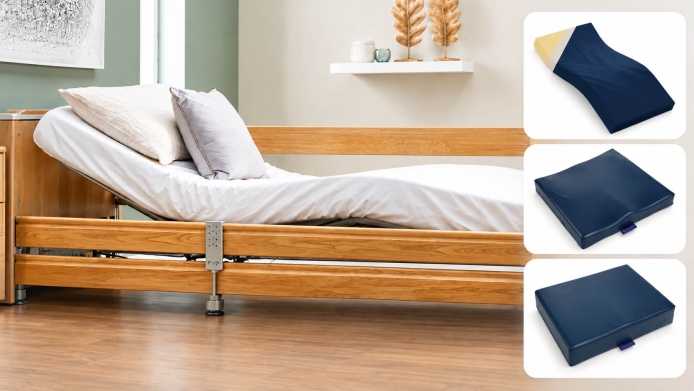
Algeos has expanded its pressure-care portfolio through a new distribution partnership with Caversham®, making four specialist Class I medical devices available to healthcare professionals and care providers across the UK.
Memory foam shoe inserts have become a popular choice for people looking to add comfort and support to their everyday footwear.
Whether you’re on your feet all day at work, dealing with foot pain or simply looking for a bit more cushion in your trainers, memory foam insoles can seem like an easy solution. But are they the best option for your feet - and are they always the healthiest choice?
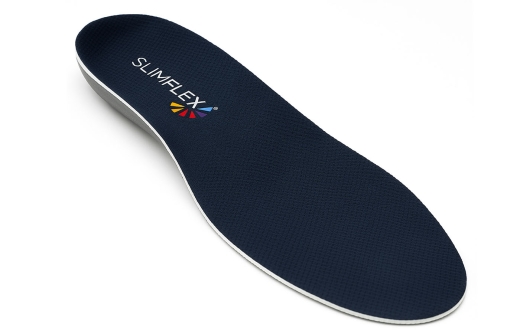
Orthotic insoles are more than just extra cushioning for your shoes - they’re a simple but powerful tool used by podiatrists, physiotherapists and other healthcare professionals to support proper foot function and reduce pain.
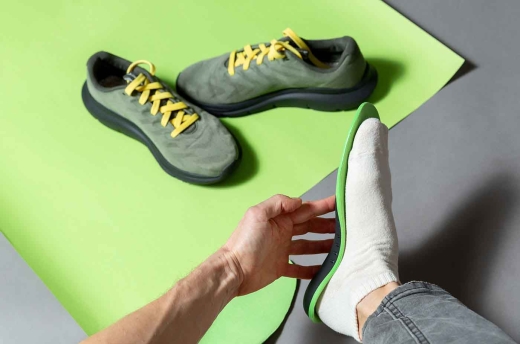
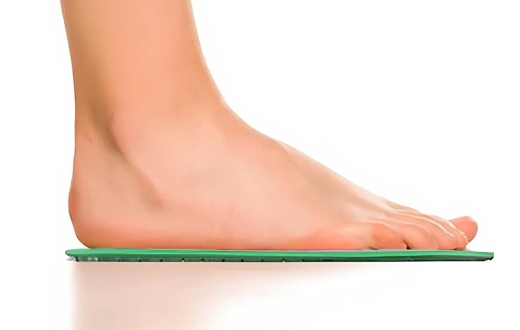
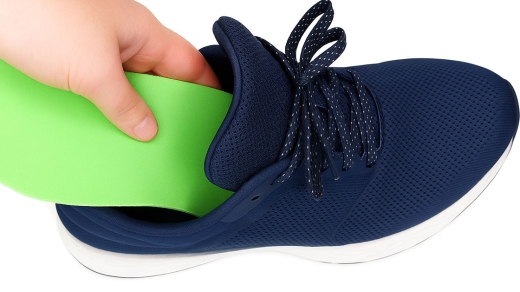
Insoles, also called footbeds or inner soles, are removable pads placed inside shoes. They serve many purposes. Insoles may look like a simple accessory, but they can greatly affect the comfort and function of your shoes. They cater to a diverse range of needs, from enhancing comfort and improving shoe fit to supporting foot health.
Off-the-shelf (prefabricated) orthotic insoles are widely used across NHS podiatry, physiotherapy and orthotics services as a first-line treatment for foot and lower-limb problems. These ready-made insoles provide arch support, cushioning and alignment correction without the wait or cost of custom devices.
Runners and walkers put significant stress on their feet, often leading to discomfort, fatigue, and even long-term foot problems. Whether you’re training for a marathon, enjoying a daily walk, or standing for long hours, foot fatigue can make even simple movements painful. One effective solution to this common issue is memory foam insoles, which provide cushioning, support, and pressure relief to keep your feet comfortable and energised.
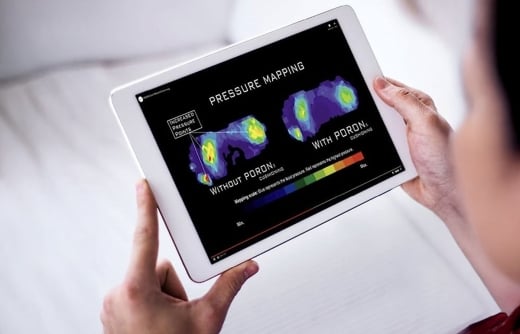
When it comes to footwear comfort, not all cushioning is created equal. Whether you're designing for athletes, work boots, lifestyle shoes or aftermarket insoles the materials you choose can make or break the user experience. That’s where PORON Vive Energy Activated Cushioning comes into play - a high-performance solution that offers an ideal balance between shock absorption and energy return.