





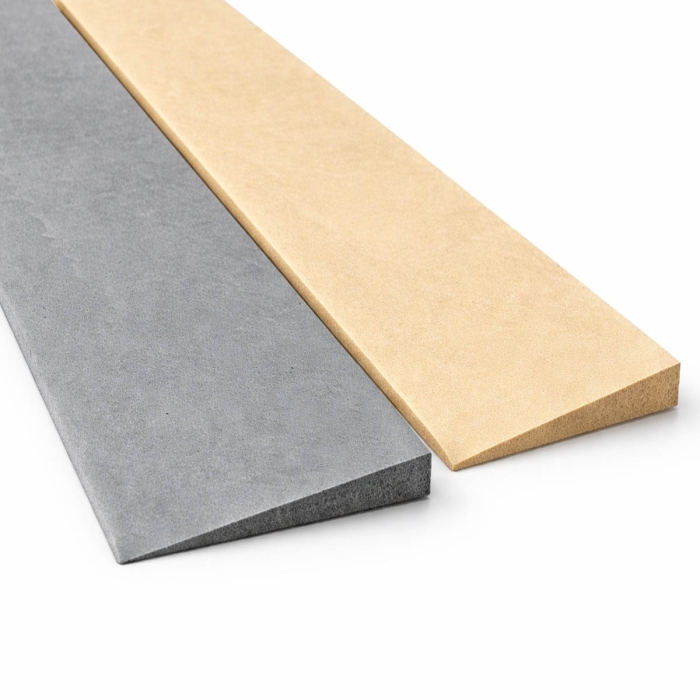
PodoTech Orthotic Wedge Strips - 3.5 and 5 Degree - Cut-to-Size
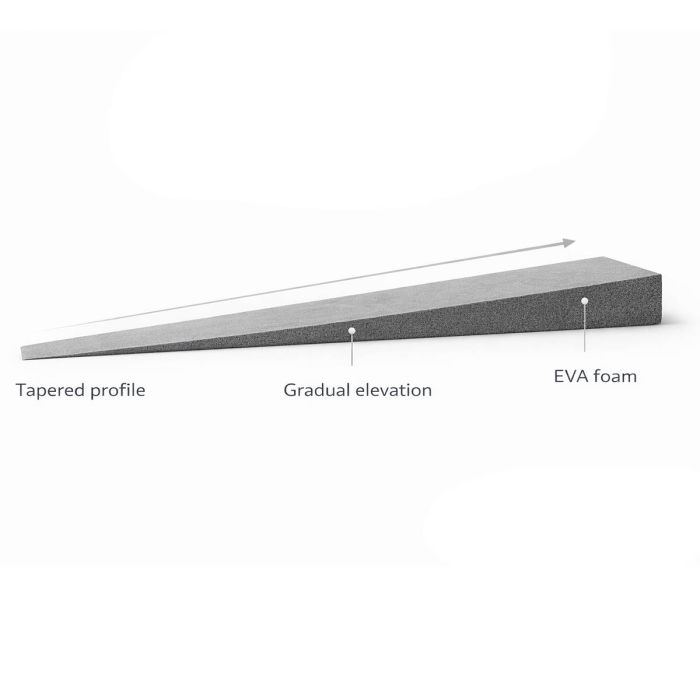
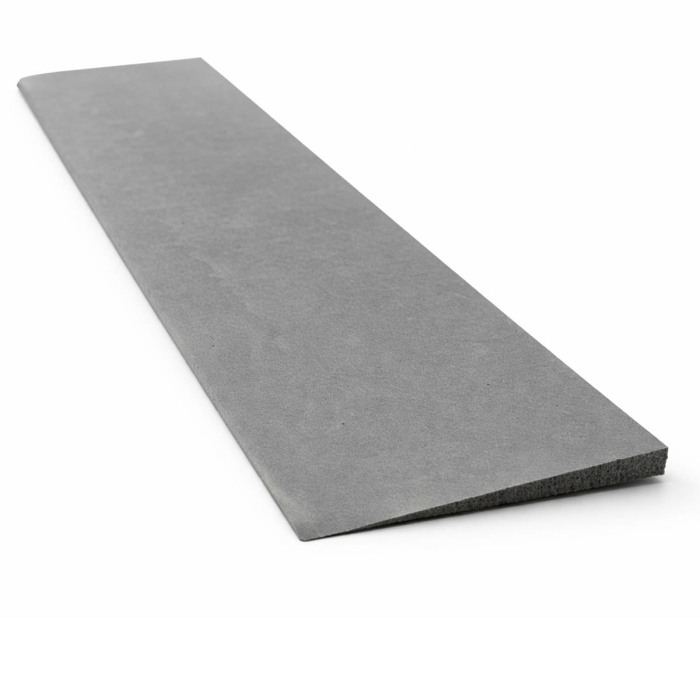
Podotech Orthotic Wedge Strips are made from High Density (A65) EVA which has been pre-cut into wedge strips making them suitable for insole adaptations.
For insoles, posted devices and footwear-related orthotic modifications.
Simply cut with pair of scissors to suit your requirements.
Clinicians can buy direct or via the NHS Supply Chain portal.
Sold: Each
Incl. VAT Exl. VAT
Product Description
Orthotic Posting Strips for Insole Adaptions
PodoTech EVA Wedge Strips are pre-cut, high-density EVA posting strips designed for fast, accurate chairside or workshop modification of orthotic insoles. They are used to add controlled wedging, alter rearfoot or forefoot mechanics, and fine-tune insole function without building a new device from scratch.
Made from Shore A65 EVA, these strips are colour coded by degree, easy to trim, and intended for clinicians, orthotic technicians, and experienced users working under professional guidance. They are particularly useful where small positional changes may improve stability, redistribute load, or support a more appropriate gait strategy.
For broader options in this category, see Orthotic Wedges and Posts, Orthotic Components & Additions, and our guide to how EVA foam is used in orthotic insoles.
Key selling points
- Fast chairside posting: pre-cut wedge strips save time during orthotic adjustment and review.
- Clinically useful density: high-density Shore A65 EVA offers structure for posting while remaining workable.
- Simple to trim: can be cut to length and shape for modular insoles and bespoke devices.
- Colour-coded degrees: quick visual identification during fitting and stock handling.
- Useful for trial modifications: helps clinicians test posting strategies before making larger changes.
- Suitable for orthotic adaptation: intended for insoles, posted devices, and footwear-related orthotic modifications.
Evidence-led clinical context
Orthotic posting is typically used as part of a wider management plan rather than as a stand-alone solution.
Current plantar heel pain guidance supports foot orthoses as part of combined care alongside education, stretching, taping, footwear advice and progressive review.
Expert consensus for symptomatic pes planus also recognises rearfoot posting among commonly selected orthotic prescription variables.
This means wedge strips like these are most valuable when used to refine an orthosis after biomechanical assessment, rather than being applied generically without a clear clinical objective.
What it does and how it works
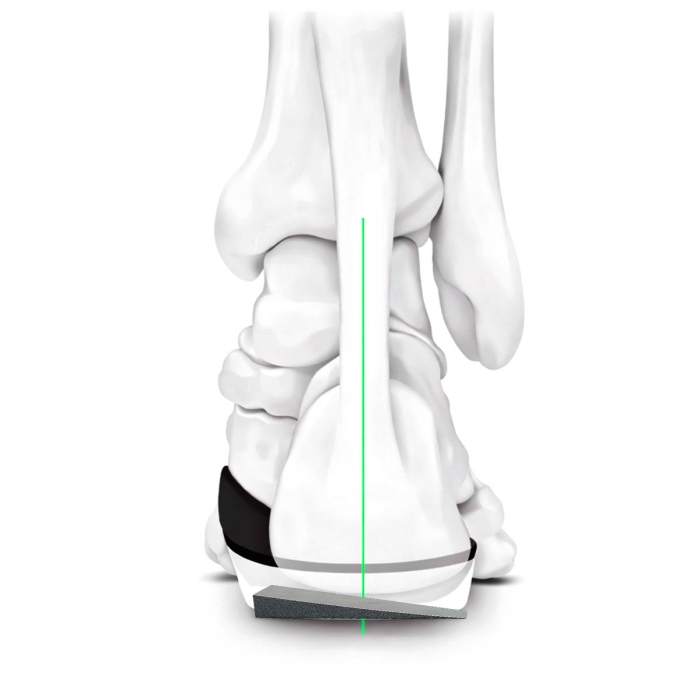
These wedge strips change the interface between the foot, the orthosis, and the shoe. By adding a controlled degree of posting under a selected area of the insole, the clinician can alter how the foot loads during stance and gait.
In practical terms, that may help with:
- rearfoot alignment changes
- medial or lateral posting strategies
- redistribution of pressure through the heel or midfoot
- improving the functional response of an existing insole
- testing whether a posting change improves comfort, stability, or tolerance
EVA is widely used in orthotic manufacturing because it is lightweight, durable, easy to shape, and available in densities that allow clinicians to balance control with comfort. In posted devices, the material choice matters because the wedge must hold shape reliably during wear while still being workable at fitting stage.
Why people use it
These wedge strips are not a diagnosis or a complete orthosis. They are a modification component used where a clinician wants to tune an insole or trial a biomechanical change.
- Overpronation or flat feet: where posting may be used to support alignment strategy within a broader orthotic prescription.
- Plantar heel pain: where insole geometry may be adjusted as part of combined orthotic management.
- Gait instability: where a small posting change may improve comfort or control during walking.
- Foot fatigue: where redistributing load may make an existing insole more tolerable for daily use.
- Orthotic review and refinement: where an existing device needs small, targeted adjustment rather than full replacement.
- Clinical trials of correction: useful when assessing response before committing to a more permanent build.
Applications and who it’s suitable for
- podiatrists and podiatry clinics
- orthotists and orthotic technicians
- physiotherapists using orthotic modification as part of rehabilitation
- clinicians carrying out chairside insole adaptation
- sports and gait assessment settings
- experienced users modifying insoles under professional advice
It is especially helpful when the goal is to make a measured change to an orthosis quickly, efficiently, and with minimal workshop time.
Who it may not be suitable for
- Anyone looking for a ready-to-wear insole rather than a modification component.
- People who want to self-prescribe posting without clinical assessment.
- Cases where pain, deformity, or gait change has not been properly assessed.
- Users with complex foot pathology, reduced sensation, active ulceration, or high-risk diabetic foot concerns unless managed by a qualified clinician.
- Situations where the shoe does not have enough volume to accommodate a modified insole safely.
Where there is diagnostic uncertainty, worsening pain, marked asymmetry, neurological symptoms, or a high-risk foot profile, professional assessment should come before any posting change.
Product specifications
| Product type | Pre-cut EVA wedge strips for orthotic insole adaptation and posting |
|---|---|
| Material | High-density EVA |
| Material hardness | Shore A65 |
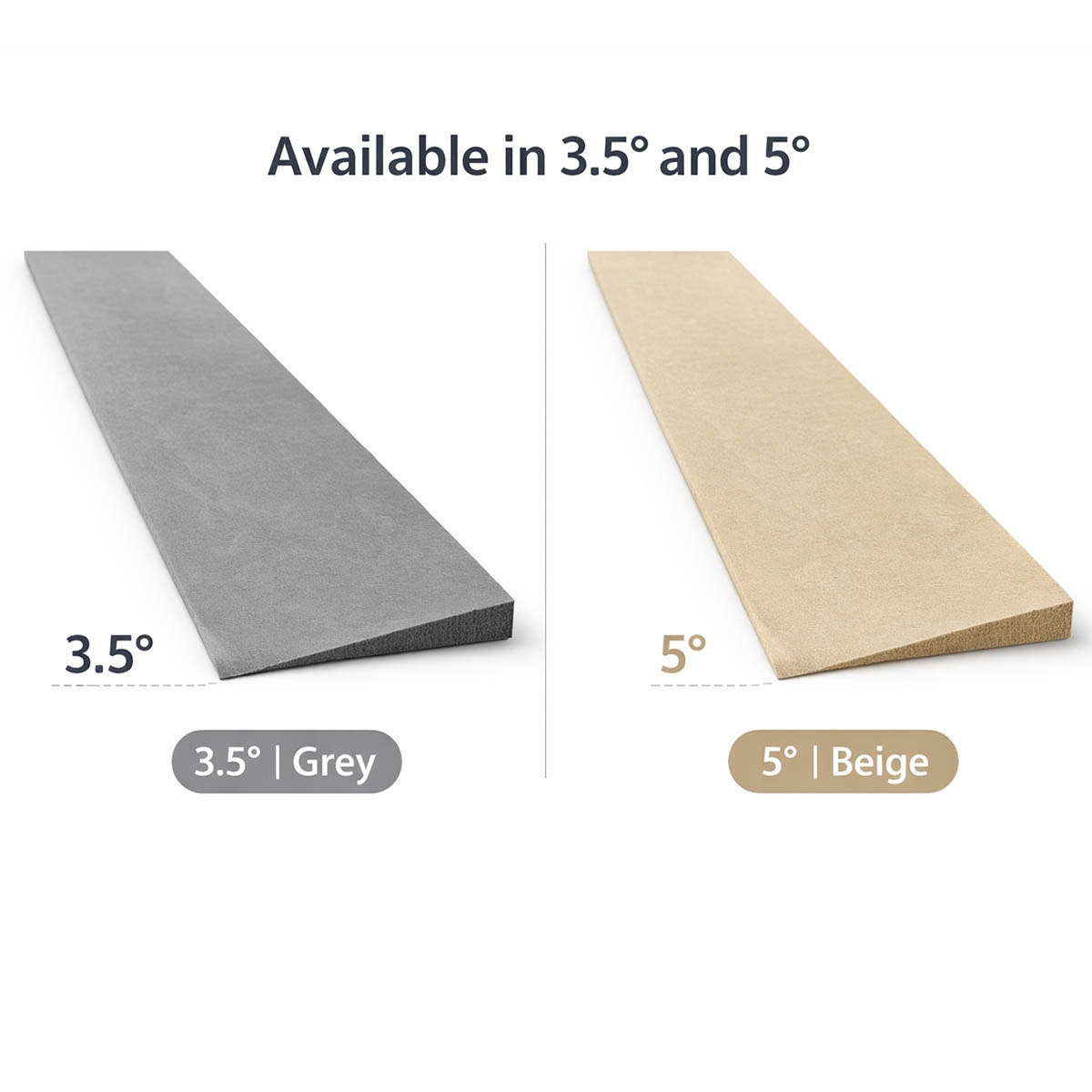
| Available degrees | 3.5° and 5° |
| Colour coding | 3.5° Grey; 5° Beige |
| Size | 95cm x 8cm |
| Trimability | Designed to be cut to size for modular insoles and orthotic adaptations |
| Backing | See available backing options on the product page selection menu |
| Pack format | Sold individually |
| Codes | OG4013: 3.5° Grey; OG4015: 5° Beige |
| Storage | Store at room temperature. Do not expose to direct sunlight, heat, or moisture. |
| Warranty | 12-month cover from purchase for defects in materials and workmanship |
Usage instructions
- Carry out a clinical assessment of foot posture, symptoms, footwear, and gait.
- Select the required posting angle based on the intended orthotic effect.
- Mark the area of the insole or orthotic shell where the wedge strip will be applied.
- Trim the strip carefully to the required length and shape.
- Apply to the chosen area, ensuring accurate placement and secure bonding where appropriate.
- Fit the modified insole inside suitable footwear and check shoe volume, comfort, and stability.
- Review the response during standing and walking, then refine if necessary.
Because small posting changes can alter comfort and load distribution meaningfully, best results usually come from measured, incremental adjustment rather than over-correction.
Benefits
- Helps clinicians make fast biomechanical modifications without remanufacturing a device.
- Supports more precise orthotic tuning for day-to-day clinical practice.
- Useful for short trials before committing to more permanent orthotic changes.
- High-density EVA offers a stable base for posting applications.
- Can improve workflow efficiency in clinic, lab, or rehabilitation settings.
- Colour coding simplifies stock selection and reduces fitting errors.
Contraindications & warnings
- For insole and orthotic adaptation use only; not intended as a direct-to-skin support.
- Not a substitute for assessment where there is unexplained foot pain, acute injury, or neurological change.
- Use caution in high-risk feet and wherever pressure redistribution needs close monitoring.
- Any posting change that increases pain, rubbing, instability, or shoe-fit problems should be removed and reassessed.
- Store as directed to protect material performance.
FAQs
What are EVA wedge strips used for?
EVA wedge strips are used to modify orthotic insoles by adding controlled posting. This can help a clinician refine alignment strategy, pressure distribution, or the functional response of an existing insole.
Are these wedge strips suitable for plantar fasciitis?
They may be used as part of a clinician-led orthotic strategy for plantar heel pain, but they are not a stand-alone treatment. Current guidance places orthoses within a broader plan that may also include stretching, taping, footwear advice, load management, and review.
Who should use this product?
They are best suited to podiatrists, orthotists, physiotherapists, orthotic technicians, and experienced users working to a clear clinical plan. They are especially useful where an existing insole needs a fast, precise modification.
Can they be used with orthotics or insoles I already have?
Yes, they are designed for insole adaptation. The insole must have enough structure and the shoe must have enough space to accommodate the modification safely and comfortably.
What is the difference between the 3.5° and 5° versions?
The difference is the degree of wedging. A 5° strip creates a larger positional change than a 3.5° strip. Selection should be based on assessment, tolerance, and the intended orthotic effect rather than guesswork.
Can I cut them to size?
Yes. These strips are designed to be trimmed to suit the target insole or orthotic shape. This makes them useful for both workshop fabrication and chairside adjustment.
Are they suitable for daily wear?
They can be, provided the final orthotic set-up is comfortable, stable, and appropriate for the user’s footwear and symptoms. Daily wear should be introduced sensibly and reviewed if symptoms change.
Are wedge strips a complete treatment on their own?
No. They are a modification component. In most clinical settings they form part of a wider management plan that may include assessment, exercise, footwear advice, rehabilitation, and follow-up.
Can they be used for overpronation or flat feet?
They may be used where posting is part of the chosen orthotic prescription for pronation-related mechanics or symptomatic pes planus. The exact posting strategy should be guided by clinical findings and patient response.
How should they be stored?
Store at room temperature and protect from direct sunlight, heat, and moisture to maintain material performance and adhesive reliability where applicable.
References
- Orthotic Components & Additions
- How EVA Foam Is Used in Orthotic Insoles
- PodoTech orthotic therapy range
- Heel Pain – Plantar Fasciitis: Revision 2023 Clinical Practice Guideline
- NIHR Evidence: Best practice guide for managing plantar heel pain
- Foot orthoses for plantar heel pain: systematic review and meta-analysis
- Delphi consensus on prescribing functional foot orthoses for the symptomatic pes planus adult
- NICE Guideline NG226: Osteoarthritis in over 16s
Written by Marc Cameron - Product Director and Product Category Contributor
Product Summary
PodoTech EVA Wedge Strips are pre-cut high-density EVA posting strips used to adapt orthotic insoles. They are designed for clinicians and experienced users who need to add 3.5° or 5° wedging, refine alignment, and improve the functional performance of an existing insole. Best suited to orthotic modification, gait-related adjustment, and clinician-led management of issues such as pronation-related mechanics, plantar heel pain support strategies, and general insole tuning.
Related Downloads
Frequently bought together

Sold: 500ml
Incl. VAT Exl. VATSold: 500ml
Incl. VAT Exl. VAT
Sold: Sold per Pair
Incl. VAT Exl. VAT
Sold: Pack of 10
Incl. VAT Exl. VAT


Sold: Each
Incl. VAT Exl. VAT