




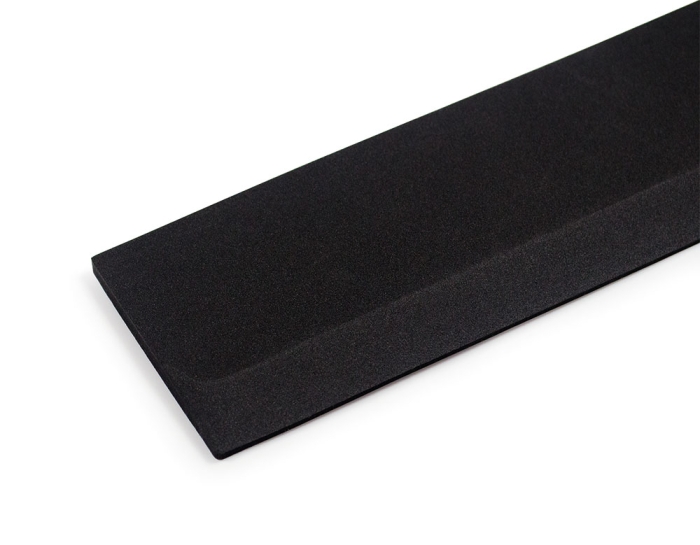
EVA Tapered Heel Raise Strips
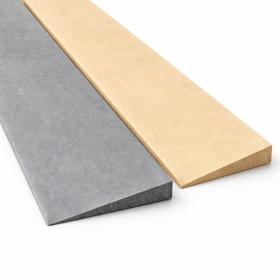
Medium-density A50 EVA heel raise strips for bespoke orthotic and insole fabrication.
Easily cut, tapered, and modified for controlled heel elevation and smooth transitions.
Supplied in 30cm x 7cm strips with 4mm, 6mm, or 8mm thickness options
Available with optional adhesive backing; sold individually for flexible use.
Sold: Each
Incl. VAT Exl. VAT
Product Description
Tapered EVA Heel Raise Strips for Heel Elevation and Posting
Versatile EVA heel raise strips designed for clinicians and technicians who require precise, adjustable heel elevation within bespoke orthotic and insole builds.
Best for: Bespoke insole fabrication, orthotic modification, controlled heel elevation, and footwear accommodation work.
Not ideal for: Direct-to-consumer use without fabrication experience or applications requiring rigid structural support.
- Consistent A50 EVA density for predictable handling
- Supplied in workable strip format for custom shaping
- Available with optional adhesive backing
What is it?
The EVA Tapered Heel Raise Strip is a professional-grade orthotic component manufactured from A50 EVA foam. Supplied as a flat strip, it is intended to be cut, tapered, and layered by clinicians or technicians to create customised heel elevation within insoles or footwear modifications.
EVA (ethylene-vinyl acetate) is widely used in orthotic fabrication due to its balance of cushioning, durability, and ease of modification. The A50 density provides a medium-firm feel that allows controlled lift without excessive compression under load, making it suitable for both temporary and longer-term orthotic applications.
The strip format offers flexibility during fabrication. Rather than being pre-shaped, the material allows the practitioner to determine the final geometry, taper length, and positioning based on the individual requirements of the patient or footwear.
Who is it for?
This product is intended for professional and specialist users who are familiar with orthotic materials and modification techniques. It supports a wide range of clinical, educational, and fabrication environments.
Typical professional users include orthotists, podiatrists, orthotic technicians, in-house hospital workshops, sports medicine clinics, and footwear developers. It is also suitable for universities, training institutions, and specialist makers who require reliable EVA components for teaching or prototyping.
Advanced DIY users with experience in orthotic fabrication may also find the strips useful, provided they understand appropriate fitting, shaping, and safety considerations.
What is it used for?
EVA Tapered Heel Raise Strips are primarily used to introduce controlled heel elevation within an insole or shoe. This may help accommodate leg length discrepancies, alter heel-to-toe drop, or support specific biomechanical objectives as determined by a clinician.
Applications
- Creating heel raises within bespoke insoles
- Layering under existing orthotic shells
- Temporary or trial heel elevation adjustments
- Footwear modification for fitting and comfort
- Prototyping and teaching orthotic construction methods
Characteristics
- Medium-density A50 EVA construction
- Can be cut, ground, and tapered using standard tools
- Consistent thickness across the strip
- Predictable compression and recovery properties
Typical users
- Orthotists and prosthetists
- Podiatrists and sports podiatrists
- Orthotic technicians and fabrication labs
- Hospital and NHS workshop teams
- Footwear and insole product developers
- Universities and training centres
How to work with it
The strips are designed to be easily modified using common orthotic workshop tools. They may be cut to length, tapered to reduce edge transition, and bonded within multi-layer insole constructions. Adhesive-backed options allow quicker positioning during assembly, while non-adhesive strips offer full flexibility in bonding method selection.
Expected use timeline
First use: When incorporated into an insole or footwear modification, the heel raise effect is present immediately upon wear. Users may require a short familiarisation period as they adapt to the altered heel height.
Ongoing use: Over weeks of use, the EVA material is designed to retain its general shape while gradually conforming slightly to load patterns. Regular review is recommended in clinical settings to ensure the modification continues to meet the intended objective.
Common problem and solution
| Common problem | How the product helps |
|---|---|
| Need for small, controlled heel elevation | Available in multiple thickness options to fine-tune lift |
| Harsh edge transitions causing discomfort | Material can be tapered smoothly for gradual transitions |
| Limited space within footwear | Strip format allows precise sizing and placement |
| Requirement for modifiable materials | A50 EVA is easy to cut, grind, and shape |
Key benefits
- Supports bespoke heel elevation without rigid components
- Medium-density EVA balances comfort and durability
- Multiple thickness options enable incremental adjustments
- Compatible with a wide range of orthotic materials
- Available adhesive backing simplifies fabrication workflows
- Suitable for both clinical and educational use
Common mistakes to avoid
- Using excessive heel height without clinical justification
- Failing to taper edges, leading to abrupt transitions
- Assuming heel raises are a substitute for full biomechanical assessment
- Not reviewing fit and comfort after initial wear
How to work with EVA Tapered Heel Raise Strips
- Assess the required heel elevation and available space within the footwear or insole.
- Select the appropriate thickness strip based on the desired outcome.
- Cut the strip to the required length and width.
- Taper the leading edge to create a smooth transition.
- Bond the strip securely using suitable adhesive or the pre-applied backing.
- Check alignment and finish before final insole or footwear assembly.
Technical specifications
| Material | EVA (A50 density) |
|---|---|
| Dimensions | 30 cm x 7 cm |
| Available thicknesses | 4 mm, 6 mm, 8 mm |
| Colour | Varies by option |
| Adhesive backing | Available on selected options |
| Sold as | Individual strips |
| Care and cleaning | Clean with mild detergent if required; ensure fully dry before bonding |
Frequently asked questions
Can these heel raise strips be layered?
Yes. Multiple strips can be layered to achieve greater elevation, provided space within the footwear allows and transitions are carefully tapered.
Are they suitable for permanent orthoses?
They are designed for both temporary and longer-term applications, but regular review is recommended to monitor wear and compression.
Do adhesive-backed strips replace the need for glue?
The adhesive backing assists with positioning but may not replace structural bonding adhesives in all applications.
Can the material be heat-moulded?
The EVA can tolerate gentle heat for shaping, but excessive heat may alter material properties.
Are these suitable for sports footwear?
They may be used in sports footwear where space and stability allow, following appropriate clinical judgement.
Is this product suitable for left or right foot only?
The strips are universal and can be cut and shaped for either foot.
Complementary and pairing suggestions
- EVA insole base materials for full-length builds
- Top cover foams for comfort finishing
- Orthotic adhesives and bonding agents
- Grinding and shaping tools for EVA materials
Written by: Algeos Product & Clinical Content Team
Last reviewed: February 2026
This content is provided for buyer guidance and product understanding only. It does not constitute diagnosis or medical advice.
Sold: Pair
Incl. VAT Exl. VAT
Sold: Sold Individually
Incl. VAT Exl. VAT
Sold: Pair
Incl. VAT Exl. VAT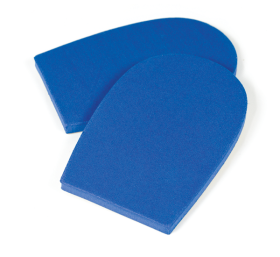
Sold: Pair
Incl. VAT Exl. VAT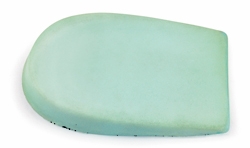
Sold: Pair
Incl. VAT Exl. VAT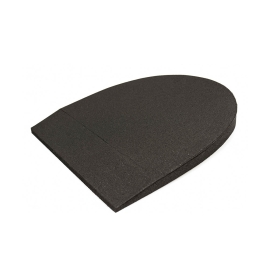
Sold: Sold per Pair
Incl. VAT Exl. VAT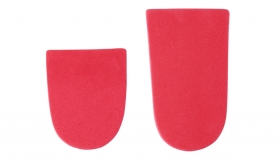
Sold: Pack of 5 Pairs
Incl. VAT Exl. VAT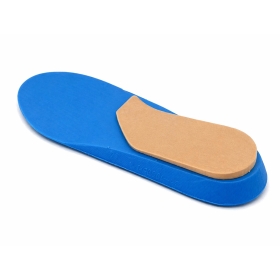
Sold: Each
Incl. VAT Exl. VAT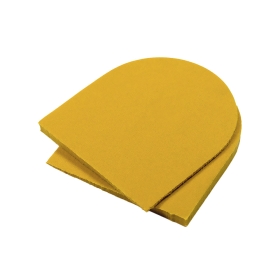
Sold: Sold in Pairs
Incl. VAT Exl. VAT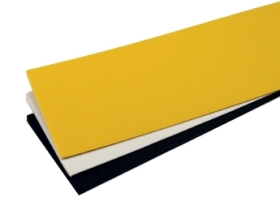
Sold: Each
Incl. VAT Exl. VAT
Sold: Each
Incl. VAT Exl. VAT
Sold: 5 Pairs
Incl. VAT Exl. VAT
Sold: 5 Pairs
Incl. VAT Exl. VAT
Sold: Pack of 6
Incl. VAT Exl. VAT
Sold: Each
Incl. VAT Exl. VAT