





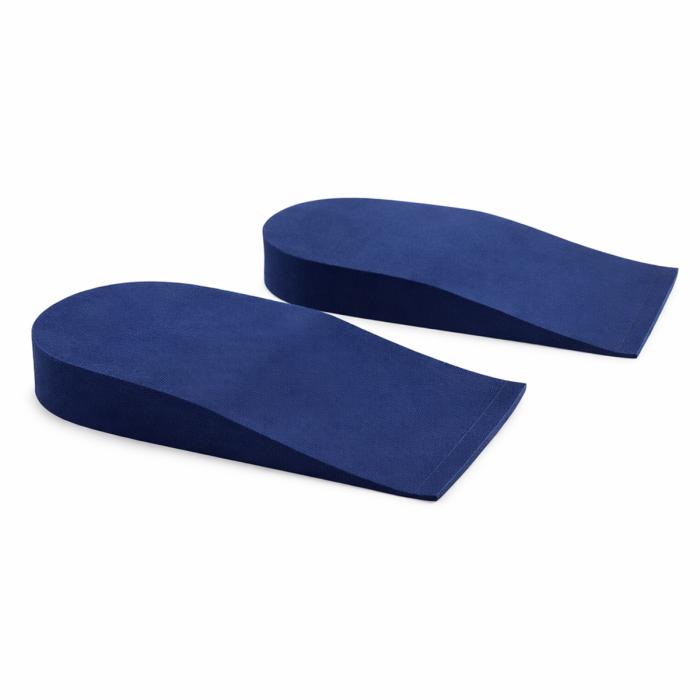
LLD Posted Heel Raises for Anatomical Leg length Discrepancies
Extra-firm heel lift designed for anatomical leg length discrepancies
Used for posture-related discomfort.
Helps with hip, knee, or lower back strain.
Supplied by NHS as part of orthotic therapy programmes.
Sold: Pair
Incl. VAT Exl. VAT
Product Description
Extra-firm heel lifts for leg length discrepancy support and heel elevation
LLD Posted Heel Raises are extra-firm heel lifts designed for people who need heel elevation to help manage functional or anatomical leg length discrepancy. They are intended to sit inside footwear and provide simple height correction that may help improve alignment, reduce compensatory strain, and support more comfortable walking and standing.
This product is suitable for users looking for a discreet, easy-to-use heel raise for everyday footwear. It is used for leg length difference, posture-related discomfort, hip or knee strain linked to uneven limb length, or when a slight heel lift is being used to reduce load through the Achilles area.
Key selling points
Helps address uneven limb length
Designed to provide height correction for people with leg length discrepancy, which may help reduce strain through the lower back, hips, knees, and overall gait pattern.
Extra-firm support
The very high density construction is suited to users who need a stable, posted heel lift rather than a compressible cushioned insert.
Discreet in footwear
The slim, unobtrusive design is intended to fit neatly into many types of shoes without drawing attention or significantly altering the look of the footwear.
Simple everyday use
Easy to place at the heel inside the shoe, making it a practical option for regular daily wear, clinic dispensing, and straightforward footwear adaptation.
What it does and How it works
A heel raise works by elevating the heel inside the shoe. In people with leg length discrepancy, that added height can help even out the effective leg length and improve lower-limb alignment. Better alignment may reduce the compensatory movement patterns that can contribute to discomfort in the hips, knees, or lower back.
Because this is an extra-firm, posted design, it is intended to provide more stable support under the heel. A firm heel lift may also be used in some cases to reduce tensile load through the Achilles tendon by slightly plantarflexing the ankle, which is why heel lifts are often considered when users are comparing support options for posterior heel pain or Achilles tendinopathy.
Common problems it may help with
Leg length discrepancy
A common reason to use a heel lift is to help compensate for functional or anatomical leg length difference.
Posture-related discomfort
By improving symmetry, a heel raise may help reduce postural imbalance and the strain that can build through the lower body over time.
Hip, knee, or lower back strain
Uneven leg length can contribute to altered gait and joint loading. A suitable heel lift may help reduce this mechanical stress.
Achilles load management
In some cases, a slight heel lift is used as part of a broader plan to reduce strain on the Achilles tendon and improve comfort during walking.
Who it’s suitable for
- People with functional or anatomical leg length discrepancy who need simple heel elevation inside footwear.
- Users researching ways to improve comfort where uneven limb length may be contributing to hip, knee, or lower back discomfort.
- Clinicians dispensing firm heel raises in podiatry, physiotherapy, rehabilitation, or orthotic practice.
- People who want a discreet heel lift for everyday shoes.
- Users comparing heel lifts with other support options for posterior heel pain or Achilles tendinopathy.
Who it may not be suitable for
- People looking for a soft, shock-absorbing heel cushion rather than a firm posted lift.
- Those who need a highly adjustable layered heel lift, as this product page does not describe peel-away layers.
- Users unsure how much correction they need, especially where a significant leg length discrepancy is suspected.
- Anyone whose symptoms worsen with heel elevation or who has a condition requiring individual medical assessment.
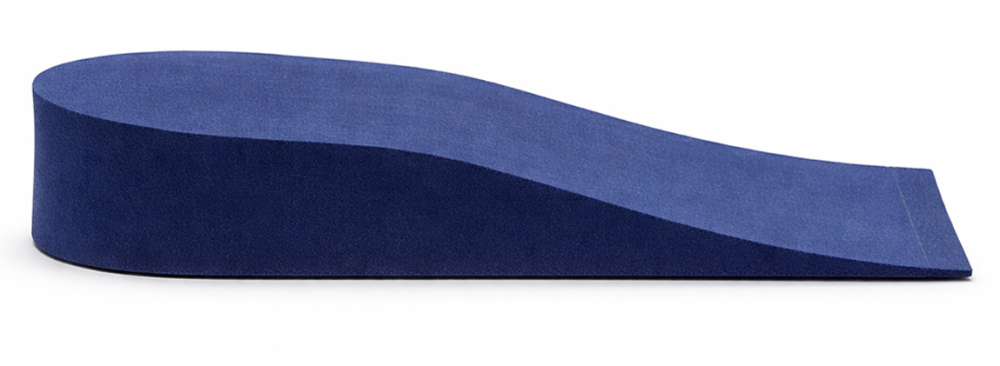
Product specifications
| Product name | LLD Posted Heel Raises - Very High Density |
|---|---|
| Product type | Extra-firm heel lift / heel raise |
| Primary use | Heel elevation for functional or anatomical leg length discrepancies |
| Firmness | Very high density / extra-firm |
| Fit | Suitable for a wide range of footwear |
| Design | Slim and discreet posted heel raise |
| Pack size | Sold as a pair |
| Brand | Podotech |
| Size guide | Small: UK 2 to 4.5 Medium: UK 5 to 9.5 Large: UK 10 and above |
Usage instructions
- Place the heel raise inside the shoe so it sits firmly in the heel area.
- Check that it feels stable, comfortable, and positioned evenly before walking for longer periods.
- Wear consistently if advised, so the body has time to adapt to the correction.
- Review fit and comfort regularly, especially when changing footwear.
- Clean with a damp cloth and mild detergent as needed, then allow to dry before reuse.
Benefits
Supports alignment
May help improve symmetry through the lower limb and pelvis.
May reduce strain
Can help lessen mechanical stress linked to uneven leg length.
Firm and stable feel
Useful where a supportive posted lift is preferred over soft cushioning.
Versatile footwear use
Designed to work across a variety of everyday shoe styles.
Contraindications & warnings
- Do not continue use if the lift increases pain, causes instability, or creates new pressure areas.
- A heel lift is not a substitute for diagnosis where pain is unexplained, severe, or persistent.
- Use caution if you have reduced sensation, significant foot deformity, skin vulnerability, or a history of pressure problems.
- Where a leg length discrepancy is suspected but not confirmed, professional assessment can help avoid over- or under-correction.
- If using as part of Achilles pain management, follow the advice of your clinician, especially if symptoms are acute or exercise-related.
FAQs
What is this product used for?
LLD Posted Heel Raises are used to provide heel elevation inside the shoe. Their main role is to help manage functional or anatomical leg length discrepancy, but they may also be considered when a firm heel lift is needed to support alignment or reduce strain through the lower limb.
Who should use LLD Posted Heel Raises?
They are suitable for people who need a firm, discreet heel lift for leg length difference and for clinicians supplying heel raises in podiatry, orthotic, physiotherapy, or rehabilitation settings. They are also relevant to informed consumers comparing support options for posture-related discomfort linked to uneven limb length.
How do heel lifts help with leg length discrepancy?
By raising the heel on the side that needs correction, a heel lift can help improve the effective leg length and reduce asymmetrical loading. This may help lessen compensatory strain that affects the hips, knees, pelvis, and lower back.
Can this product help with Achilles discomfort?
A slight heel lift may reduce load through the Achilles tendon by changing ankle position. That is why heel lifts are often considered in Achilles tendinopathy discussions. However, the best option depends on the cause of symptoms, footwear, and clinical need.
Are these heel raises soft or cushioned?
No. This product is described as very high density and extra-firm. It is intended for supportive heel elevation rather than soft cushioning or shock absorption.
What shoes can they be used in?
They are described as suitable for a variety of footwear and have a slim, discreet design. As with any heel lift, fit will depend on shoe depth, heel counter shape, and how much internal space the footwear has.
Are they sold individually or as a pair?
These heel raises are sold as a pair.
How do I choose the right size?
The size guide on the product page lists Small for UK 2 to 4.5, Medium for UK 5 to 9.5, and Large for UK 10 and above.
Can I use them every day?
Yes, they are intended for regular use in suitable footwear. Daily wear is common when a heel lift is being used for ongoing leg length correction or support, though comfort and suitability should always be monitored.
When should I get professional advice before using a heel lift?
You should seek professional advice if you are unsure how much correction you need, if your symptoms are significant or worsening, or if you have other foot problems such as reduced sensation, skin risk, or complex musculoskeletal issues.
Summary
LLD Posted Heel Raises are extra-firm heel lifts used inside shoes to help manage leg length discrepancy and improve lower-limb alignment. They are commonly chosen by clinicians and informed users who want a firm, discreet heel raise for everyday footwear. They may also be considered when comparing support options for posture-related discomfort, hip or knee strain linked to uneven limb length, or for reducing load through the Achilles area.
Frequently bought together
Sold: Each
Incl. VAT Exl. VAT
Sold: Each
Incl. VAT Exl. VAT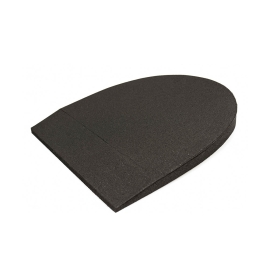
Sold: Sold per Pair
Incl. VAT Exl. VAT
Sold: Pair
Incl. VAT Exl. VAT
Sold: Pair
Incl. VAT Exl. VAT
Sold: Pack of 2
Incl. VAT Exl. VAT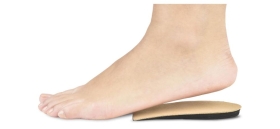
Sold: Pair
Incl. VAT Exl. VAT