




Morflex Ribbed EVA for Shoe Soling
Lightweight EVA soling sheet with good traction.
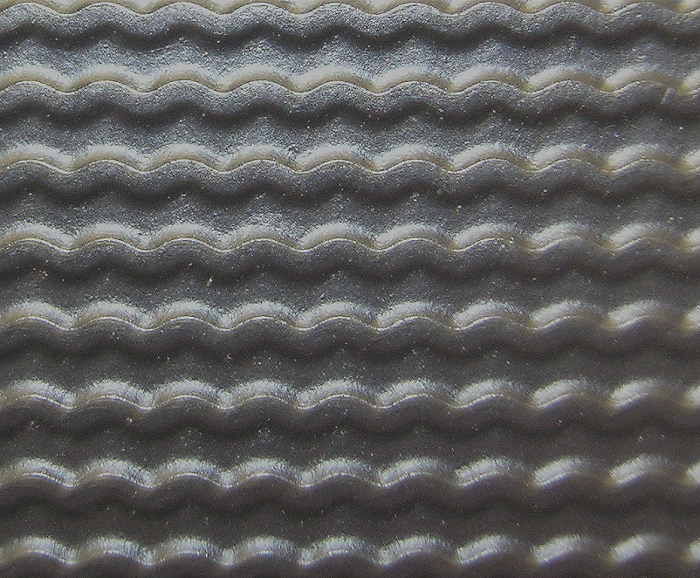
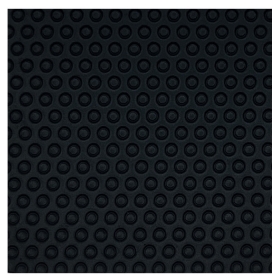
Ribbed surface gives enhanced traction/grip for the sole.
Typically used in shoe making, repair or custom footwear work
Sold: 1320 x 830mm Sheet
Incl. VAT Exl. VAT
Product Description
Lightweight Ribbed EVA Soling Sheet
A large-format, closed-cell EVA soling sheet with ribbed traction surface, designed for custom footwear manufacture, orthotic shoe builds, and professional shoe repair.
Best for: Custom footwear makers, orthotic technicians, shoe repairers, and workshops producing comfort or orthopaedic footwear.
Not ideal for: Heavy industrial or high-abrasion outsoles requiring dense rubber compounds.
- Large 1320 × 830 mm sheet for efficient pattern cutting
- Lightweight closed-cell EVA construction
- Ribbed surface designed to enhance ground grip
What is it?
The Morflex Ribbed EVA Sheet is a lightweight ethylene-vinyl acetate (EVA) foam sheet manufactured specifically for use as a soling material. It is designed to form the outermost layer of footwear — the part that contacts the ground.
EVA is widely used in orthopaedic and comfort footwear due to its combination of low weight, resilience, and shock-absorbing properties. The closed-cell structure helps resist moisture absorption while maintaining flexibility.
This version features a ribbed surface pattern. The ribbing enhances traction compared to smooth EVA sheets, helping to improve grip when used as an outsole component. The large-format sheet allows technicians to cut multiple soles or larger footwear components efficiently from a single panel.
Who is it for?
This material is developed for professional and specialist use across footwear manufacture, orthotic fabrication, and shoe repair environments.
It is particularly suited to:
- Orthotists and prosthetists producing custom footwear adaptations
- Orthotic technicians and fabrication laboratories
- NHS and hospital in-house workshops
- Private podiatry clinics offering in-house shoe modifications
- Sports podiatrists developing comfort-focused footwear
- Bespoke footwear makers and specialist shoemakers
- Footwear repair professionals replacing worn outsoles
- Universities and training institutions teaching footwear construction
Advanced DIY users with footwear construction experience may also find it suitable, provided they understand safe cutting and bonding processes.
What is it used for?
Applications
- Cutting and shaping custom outsoles
- Replacing worn soling material during shoe repair
- Building lightweight orthopaedic footwear
- Developing comfort shoes with shock-absorbing properties
- Adding traction layers to custom sandal or trainer builds
- Prototype footwear development and testing
Characteristics
- Closed-cell EVA foam construction
- Lightweight and easy to handle
- Ribbed surface texture for improved grip
- Shock-absorbing properties typical of EVA
- Flexible yet supportive under load
- Can be cut using standard workshop tools
Typical Users
- Custom footwear manufacturers
- Orthopaedic footwear brands
- Shoe repair workshops
- Footwear development teams
- Specialist makers producing adaptive footwear
How to work with it
The sheet can be marked, cut, and shaped using standard footwear workshop tools. It bonds effectively with appropriate adhesives used for EVA and footwear soling applications. The ribbed face is typically positioned as the ground-contact surface.
Expected Use Timeline
First Use
Once cut, shaped, and bonded correctly, the material performs immediately as an outsole. Users can expect lightweight cushioning and flexible ground contact from first wear.
Ongoing Use
Over weeks and months of wear, the EVA will compress slightly under repeated loading, which is typical of shock-absorbing polymers. The lifespan will depend on user weight, gait pattern, surface conditions, and activity level. In moderate daily use footwear, EVA soling may provide consistent performance until natural wear requires replacement.
Problem → Solution
| Common problem | How the product helps |
|---|---|
| Footwear feels heavy after adding new soles | Lightweight EVA construction helps minimise overall shoe weight. |
| Insufficient traction with smooth soling material | Ribbed surface pattern enhances grip compared to flat EVA sheets. |
| Need to produce multiple soles efficiently | Large 1320 × 830 mm sheet allows multiple patterns to be cut from one panel. |
| Requirement for shock absorption in comfort footwear | Closed-cell EVA structure provides cushioning and impact absorption. |
| Need for easy shaping and bonding | EVA can be cut and adhered using common footwear workshop tools and adhesives. |
Key Benefits
- Large-format sheet supports efficient workshop production
- Ribbed surface improves traction in everyday conditions
- Lightweight material supports comfort-focused footwear builds
- Shock-absorbing properties suitable for orthopaedic applications
- Flexible and workable using standard fabrication techniques
- Closed-cell structure resists moisture absorption
Common Mistakes to Avoid
- Using EVA soling where high-abrasion industrial rubber is required
- Applying incorrect adhesive types not suitable for EVA bonding
- Expecting permanent compression resistance under very high loads
- Failing to prepare bonding surfaces properly before adhesion
How to Work With Morflex Ribbed EVA
- Measure and mark outsole patterns clearly on the smooth side of the sheet.
- Cut using appropriate footwear cutting tools or band saw equipment.
- Prepare bonding surfaces by lightly abrading where required.
- Apply a compatible adhesive suitable for EVA materials.
- Allow correct curing time before final finishing.
- Finish edges and inspect traction surface alignment before fitting.
Always follow adhesive manufacturer guidance and workshop safety procedures.
Technical specifications
| Product name | Morflex Ribbed EVA Sheet |
|---|---|
| Material | Ethylene-vinyl acetate (EVA), closed-cell foam |
| Surface finish | Ribbed traction pattern on one face |
| Sheet size | 1320 × 830 mm |
| Colour | Varies by option |
| Thickness | Varies by option |
| Application | Footwear outsole / soling material |
| Moisture resistance | Closed-cell structure resists water absorption |
| Pack contents | Single large-format sheet |
Frequently Asked Questions
Is this suitable for everyday footwear?
Yes. It is commonly used in comfort and orthopaedic footwear where lightweight cushioning and flexibility are priorities.
Can it be used for high-impact sports shoes?
It may be suitable for certain sports footwear applications, particularly where shock absorption is required. However, abrasion demands should be assessed carefully.
Does the ribbed surface significantly improve grip?
The ribbed texture is designed to enhance traction compared to smooth EVA, particularly on typical indoor and outdoor walking surfaces.
Can it be bonded to other midsole materials?
Yes, when using compatible adhesives designed for EVA and footwear construction.
Will it compress over time?
All EVA materials may experience gradual compression under repeated load. The rate depends on use intensity and wearer characteristics.
Is specialist equipment required to cut it?
Standard footwear workshop tools are typically sufficient, though professional equipment improves accuracy and efficiency.
Complementary Products
- Footwear-grade EVA adhesives
- Contact cements for soling applications
- Midsole cushioning sheets
- Heel wedges and posting materials
- Finishing tools and edge trimmers
Written by: Algeos Product & Clinical Content Team
Last reviewed: February 2026
This content is provided for buyer guidance and product selection support. It is not a substitute for professional clinical judgement or medical advice.
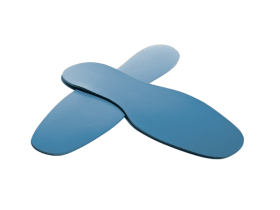
Sold: Sold per Pair
Incl. VAT Exl. VAT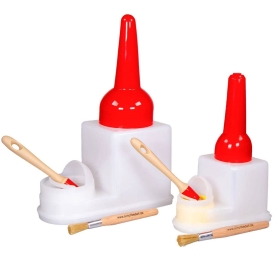
Sold: Pot - Each
Incl. VAT Exl. VAT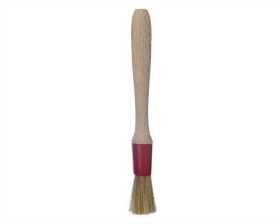
Sold: Pack of 10
Incl. VAT Exl. VAT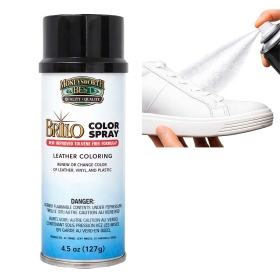
Sold: Each
Incl. VAT Exl. VAT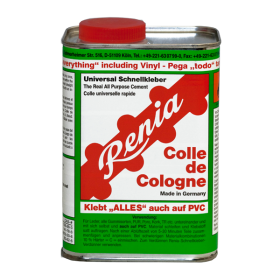
Sold: 2 Sizes
Incl. VAT Exl. VAT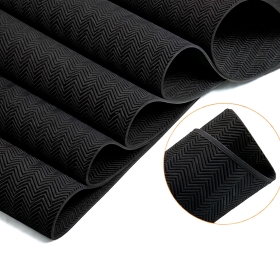
Sold: Each (sheet)
Incl. VAT Exl. VAT
Sold: Sold per Sheet
Incl. VAT Exl. VAT
Sold: Sold per Sheet
Incl. VAT Exl. VAT
Sold: Sheet
Incl. VAT Exl. VAT
Sold: 1320 x 830mm Sheet
Incl. VAT Exl. VAT