




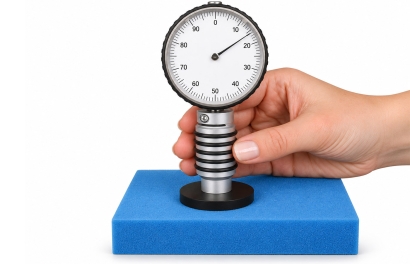
A25, A35, A50 and A65 can look like simple product codes, but they describe an important difference in how EVA foam responds to pressure. Understanding Shore A hardness helps clinicians and footwear technicians and engineers select materials for cushioning, support and accurate orthotic fabrication. The right choice depends on the whole device - not the number alone.
How does the Shore A scale work?
A durometer presses a calibrated indenter against the material and reports how far it penetrates under defined conditions. Less penetration produces a higher Shore A reading. Standards such as ASTM D2240 and ISO 868 describe hardness testing - although laboratories must choose the method appropriate to their material.
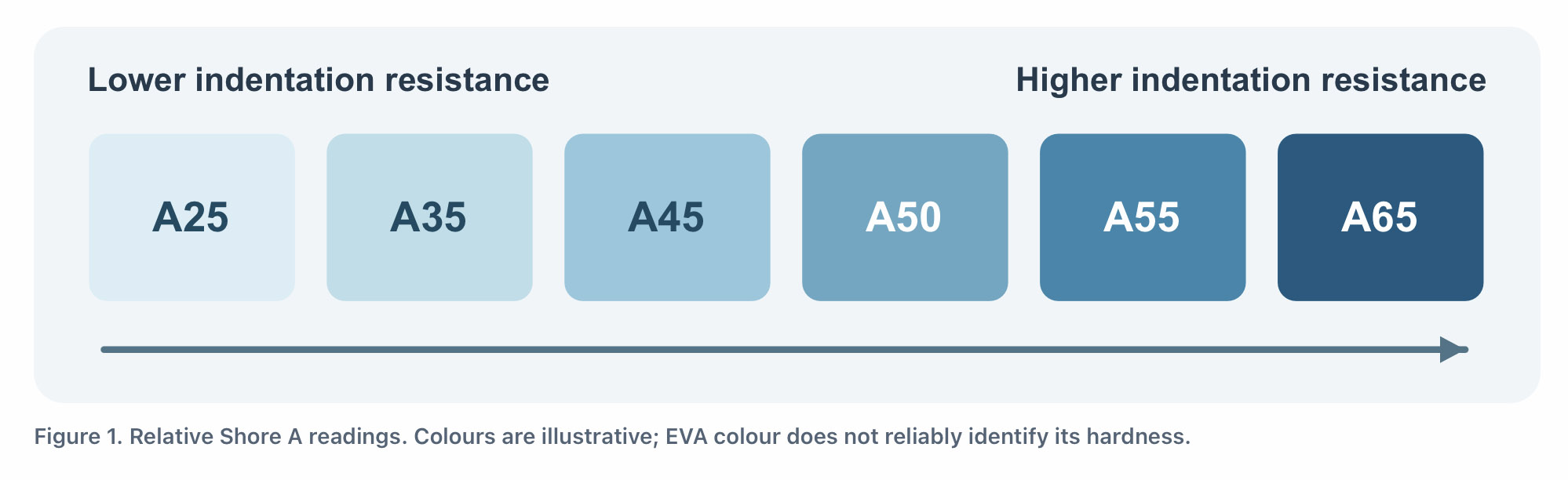
Shore A is not a percentage or a linear measure of stiffness: A50 is not twice as hard as A25. Testing conditions matter too. Sample thickness, temperature, surface finish and reading time can influence the result. Compare values only where the same scale and comparable procedures were used.
Why EVA hardness matters in orthotics
EVA, or ethylene-vinyl acetate foam, is lightweight, shapeable and commonly used in foot orthoses, insoles and footwear modifications. Softer grades can conform around sensitive areas and provide a cushioning interface. Firmer grades can resist indentation and help maintain the profile of wedges, posts or lifts.
The goal is not merely to make a sheet feel soft during a finger-press test. Walking introduces repeated loading and changes in contact pressure throughout each step. The finished orthosis must therefore be assessed in the footwear it will actually be worn with, not judged solely by handling loose material on a workbench.
Neither extreme is automatically better. A very soft layer may compress excessively under a particular load, while a firm layer can feel uncomfortable when placed directly beneath a sensitive foot. Research suggests EVA and some other orthotic materials can reduce peak plantar pressure, but evidence does not establish one universal hardness for every patient or activity. Read the systematic review here.
A25 to A65: EVA hardness comparison
These are practical starting points rather than prescribing rules. Manufacturers do not all offer the same intermediate grades or formulations.
| Shore A | Relative feel | Typical role | Main consideration |
|---|---|---|---|
| A25 | Very soft | Comfort covers and cushioning layers | Check compression under load |
| A35 | Soft | Accommodative insoles and softer interfaces | May need a supportive backing |
| A45 | Medium-soft | Transitional layers and adaptable builds | Confirm grade availability |
| A50 | Medium-firm | General orthotic bases and footwear (most used) | Assess contour and thickness |
| A55 | Firm | Support-oriented custom components | Monitor pressure and comfort |
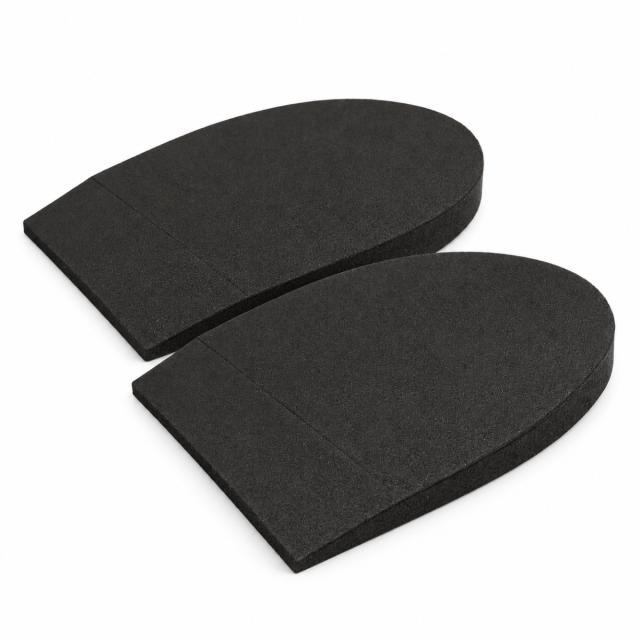
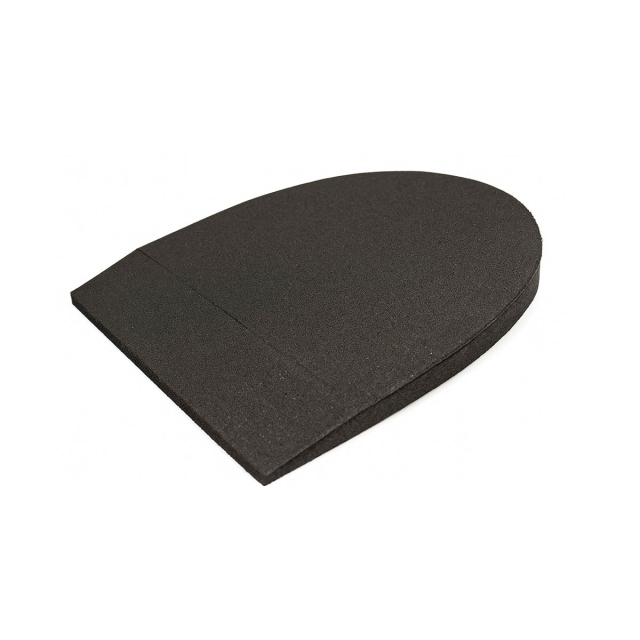
| A65 | Very firm | Heel lifts, posting and structural build-ups | Often needs a comfort layer |
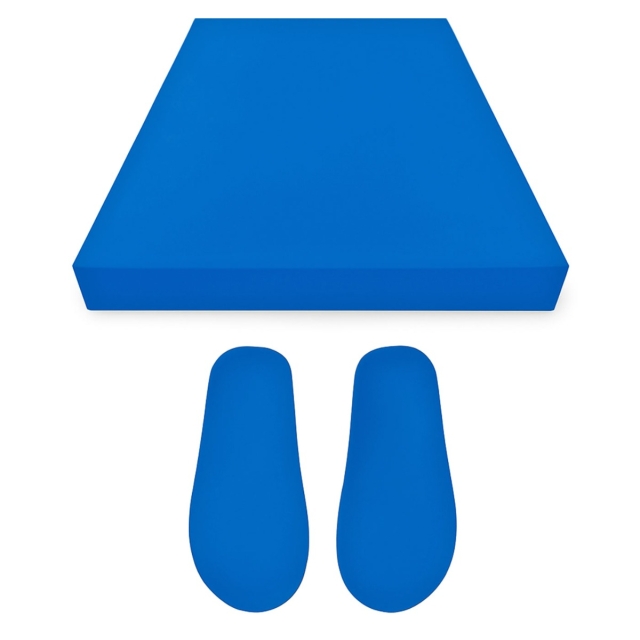
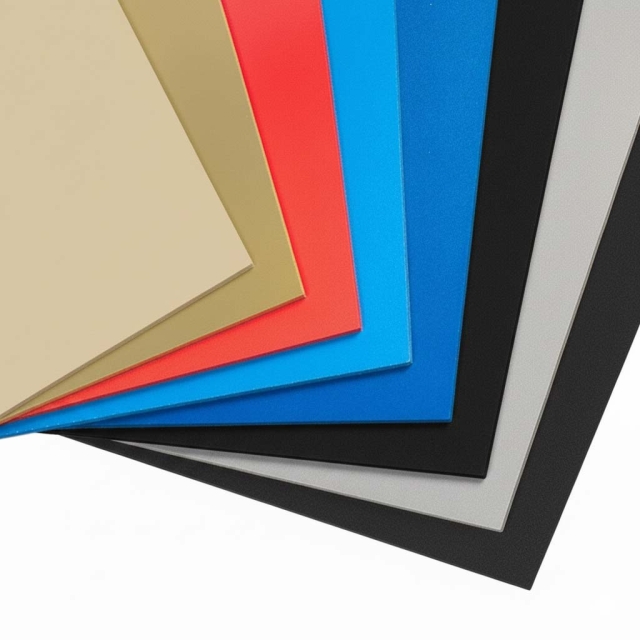
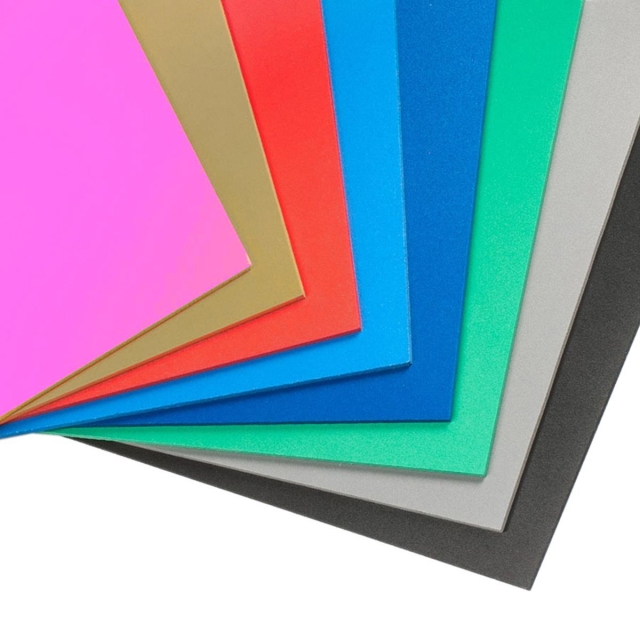
For current product specifications, see Algeos A25 EVA, A35 EVA, A50 EVA and A65 EVA. A45 and A55 are indicative comparison points, not claims about Algeos stock.
Shore hardness versus density: the distinction
Density describes mass per unit volume, usually stated in kg/m³ or g/cm³. Hardness describes resistance to a local indentation. They often change together within a particular product family, but they are not interchangeable.
Two foam formulations can share the same Shore A reading and still differ in weight, rebound, compression set or fatigue behaviour.
Layering can separate two useful functions. A firmer base may hold a prescribed contour while a softer top layer provides a more compliant interface. This does not guarantee comfort or pressure relief, but it gives the clinician more options than a single sheet.
Bonding quality, combined thickness and available shoe space still require attention.
Thickness and geometry also change the experience underfoot. A thin A35 cover bonded over a rigid shell behaves differently from a thick A35 insole. For a deeper explanation of material selection, explore the Algeos EVA material properties guide and its orthotic insole guide.
What users say: evidence from insole wearers
Instead of treating unverified testimonials as clinical evidence, consider patient-reported findings. In a two-year randomised trial involving 114 people with diabetes, researchers compared custom A35 and A55 EVA insoles with prefabricated insoles.
Across respondents, reported satisfaction averaged 85 out of 100 and usage averaged 79 out of 100. These scores covered the study's insole groups rather than proving that one hardness felt best.
Both EVA groups showed lower measured heel peak pressures than the prefabricated group. However, the results varied by foot region and many insoles required replacement over time. See the published trial.
Step-by-step: how to choose EVA hardness
- Identify the task. Decide whether the component must cushion a sensitive area, follow foot contours, support an arch or maintain a precise lift.
- Assess the wearer. Consider body loading, activity, footwear space, skin condition and whether the person needs a specialist foot assessment.
- Choose a provisional range. Start softer for accommodative contact layers, around the middle for many everyday constructions and firmer for structural elements. Avoid selecting a grade from hardness alone.
- Check the complete specification. Review density, sheet thickness, rebound, compression set, heat-moulding instructions and compatibility with adhesives or top covers.
- Make and assess a prototype. Verify fit, contour, comfort and function in the intended footwear. Use in-shoe plantar pressure measurement when clinically appropriate and available.
- Review after use. Inspect for flattening, wear, pressure marks and changes in comfort. Adjust the design or layer combination rather than simply moving to a harder sheet.
Record the selected Shore scale, supplier, batch, thickness and intended purpose in workshop notes. When a material is replaced, check that the alternative has comparable specifications. A matching hardness number alone does not confirm that the new foam will behave identically during use.
Clinical safety: People with neuropathy, a previous foot ulcer or other high-risk diabetic foot concerns need individualised assessment. NICE recommends specialist foot protection services for moderate- or high-risk patients; material hardness is not a substitute for risk assessment or ulcer offloading.
Common selection mistakes to avoid
Do not assume that higher Shore A means greater durability, better shock absorption or superior arch control. Those outcomes depend on formulation and the geometry of the finished orthosis.
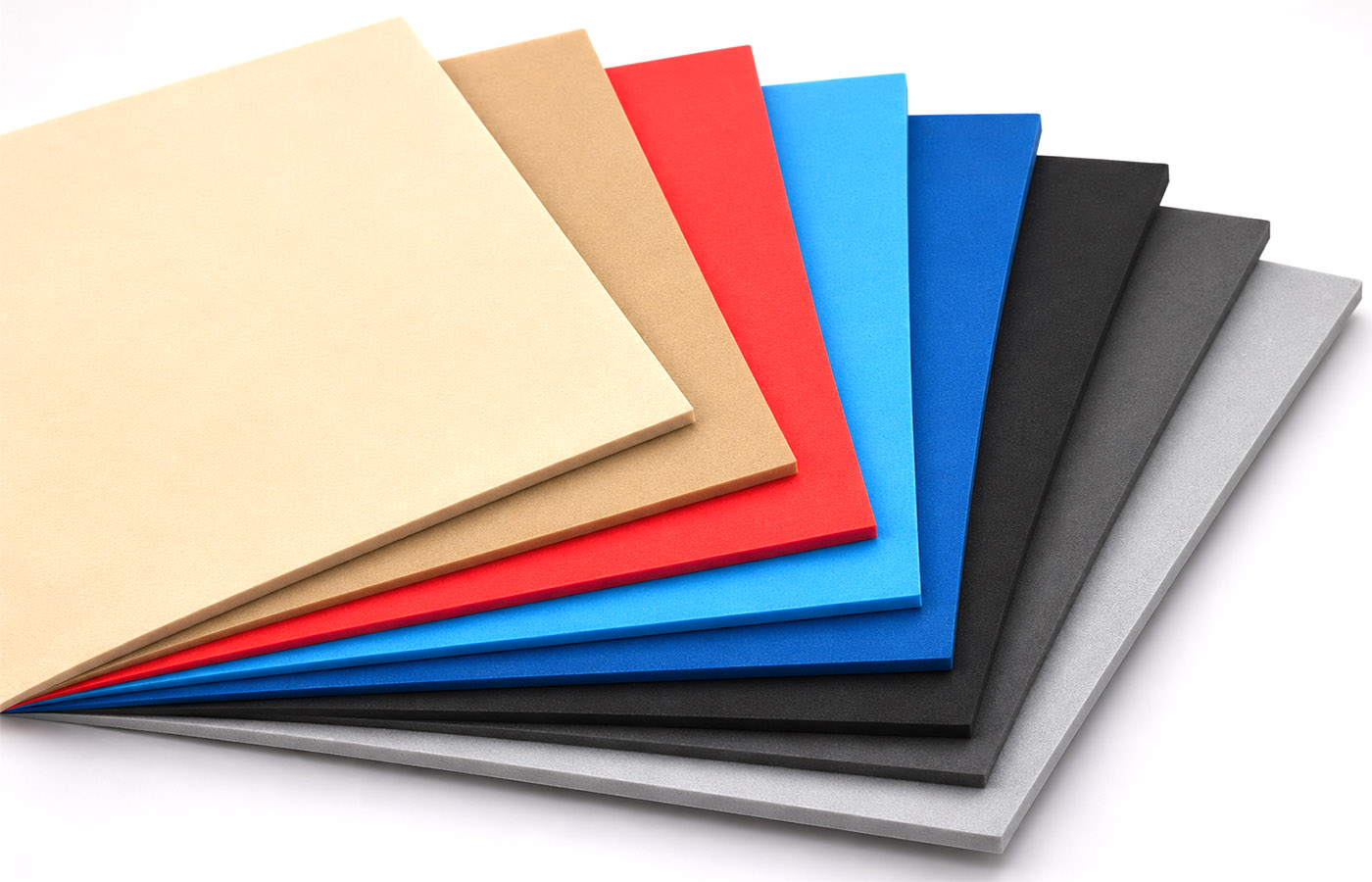
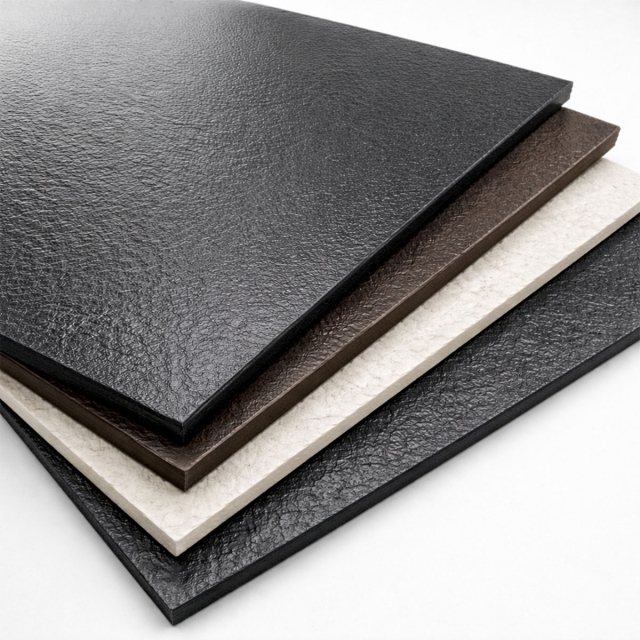
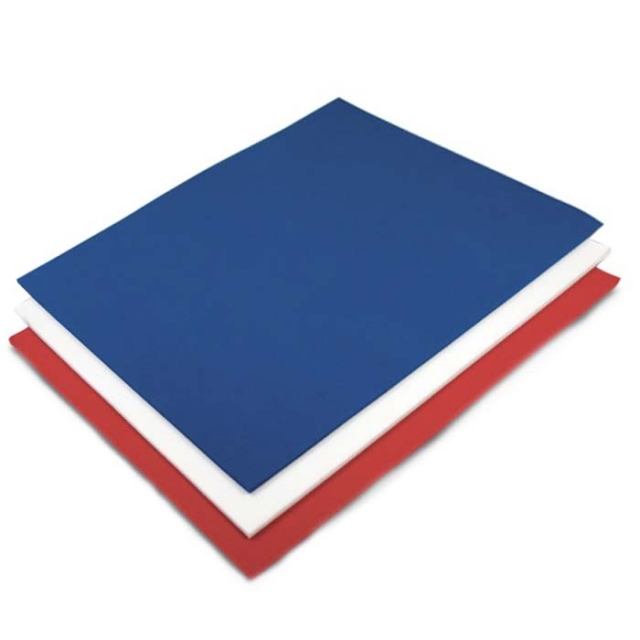
Likewise, colour coding is not standardised between suppliers and a laboratory reading does not precisely predict comfort after hours of walking.
When thermoforming EVA, follow the individual sheet's guidance rather than applying one temperature to every grade. Use suitable ventilation, control dust during finishing and avoid overheating. The Algeos EVA foam range is a useful comparison point for available thicknesses and uses.
Frequently asked questions
1. Is A25 EVA softer than A65?
Yes. On the same Shore A test scale, A25 offers less resistance to indentation than A65. The finished feel also depends on thickness, construction and load.
2. Is Shore A hardness the same as foam density?
No. Shore A hardness measures indentation resistance while density measures mass per unit volume. Neither value should be used as a substitute for the other.
3. Which EVA hardness is best for orthotic insoles?
There is no single best grade. Softer EVA may suit cushioning layers, medium grades can balance comfort and structure and firmer EVA may suit posts or lifts. Selection requires an individual assessment.
4. Is A50 suitable for an orthotic base?
A50 can be an appropriate starting point for some medium-firm orthotic bases, but suitability depends on thickness, device geometry, footwear, loading and clinical objectives.
5. Does harder EVA always last longer?
No. Wear life depends on formulation, compression set, repeated loading, thickness and use. Hardness alone does not establish durability.
6. Can EVA foam be heat moulded?
Many orthotic EVA sheets can be heat moulded. Follow the specific manufacturer's temperature and timing instructions, use suitable ventilation and avoid overheating.
7. Can people with diabetes choose EVA hardness themselves?
People with neuropathy, previous ulcers or other high-risk diabetic foot problems should seek assessment by an appropriate foot protection specialist rather than choose hardness from a number alone.
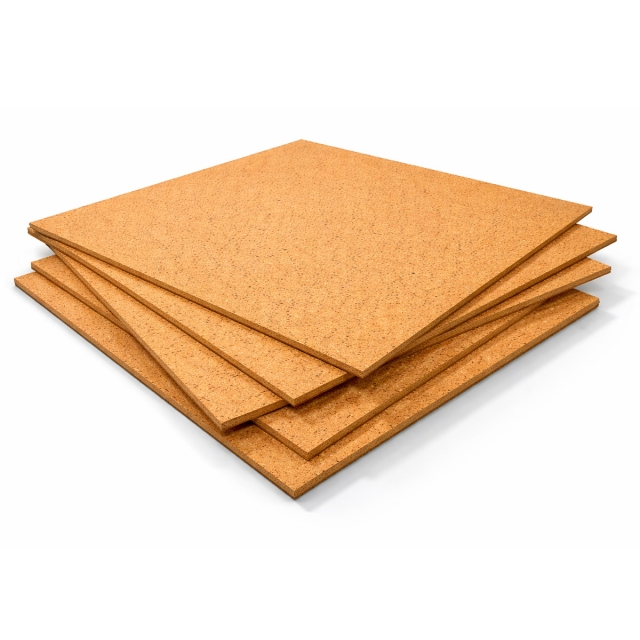
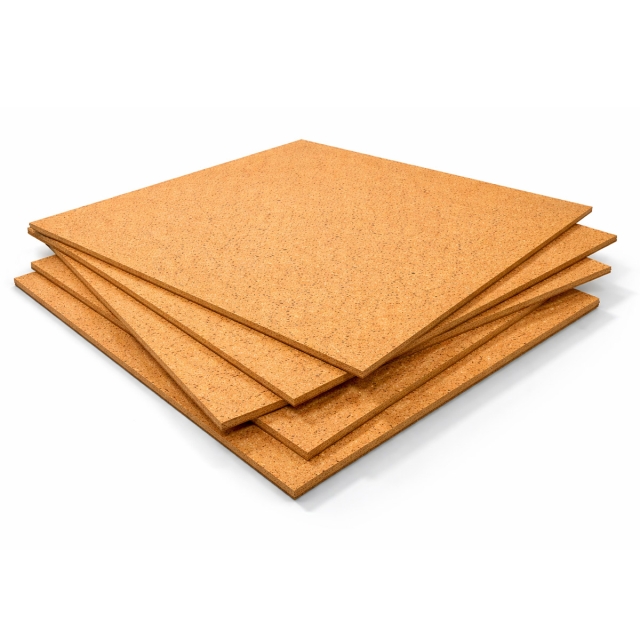

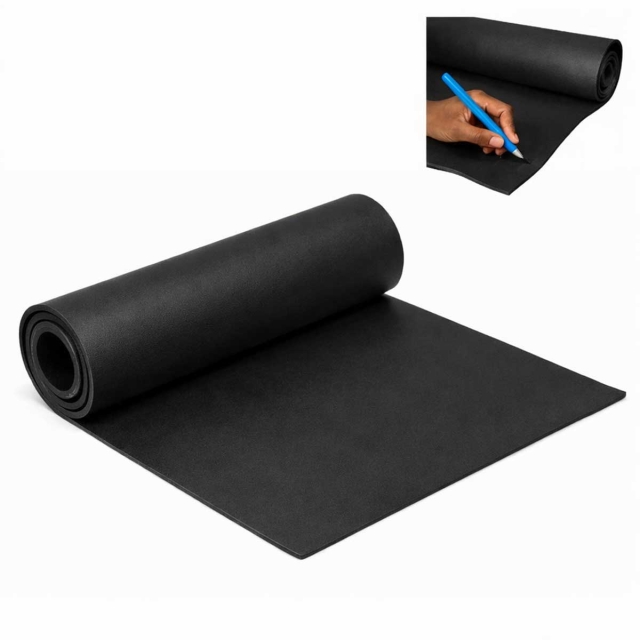
Sold: Sheet Size: 1000 x 1000mm
Incl. VAT Exl. VAT