Algeos expands pressure-care portfolio through new Caversham partnership
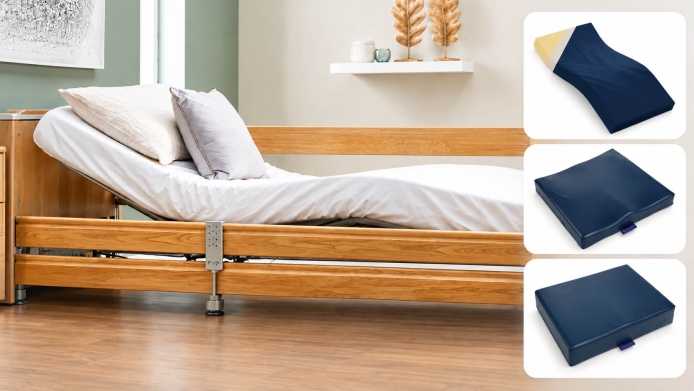
Algeos has expanded its pressure-care portfolio through a new distribution partnership with Caversham®, making four specialist Class I medical devices available to healthcare professionals and care providers across the UK.
Contact adhesive is a strong, flexible, and durable glue used in footwear repairs, upholstery, construction, and DIY projects. While it's excellent for bonding materials like rubber, leather, wood, and plastic, removing it can be a challenge. The right removal method depends on the surface you’re working with, as some materials require gentler approaches to avoid damage.
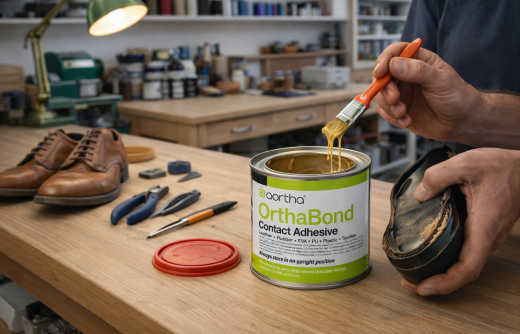
Orthabond has built a strong reputation with cobblers, repairers and workshop users because it delivers the kind of flexible permanent bond that footwear repairs actually need. Now, with the arrival of the new 500ml tin, the product becomes easier to justify for smaller jobs, lighter usage and home repairs where a full litre can feel excessive.
Contact cement is a rubber-based adhesive that creates a permanent bond when two surfaces touch. It is commonly used for: Laminates and veneers (countertops, furniture), shoe and leather repair, insole adaptions, rubber and plastic bonding, woodworking and cabinetry, upholstery and automotive trim.
Renia Contact Adhesives offer a clear solution for bonding a wide variety of materials while maintaining a transparent, aesthetically pleasing finish. Whether you're in the footwear industry, crafting leather goods, or working in orthotic design, the need for a bond that is not only strong but also invisible is essential.
When it comes to modifying or repairing shoes, especially those made from tricky materials like "plastic" soles often found in cheaper footwear, it can feel like nothing will stick. This is a common issue for professionals such as podiatrists and orthotists when patients bring in either a newly purchased pair of shoes or their favourite, well-worn pair, asking for orthopaedic adjustments.