Algeos expands pressure-care portfolio through new Caversham partnership
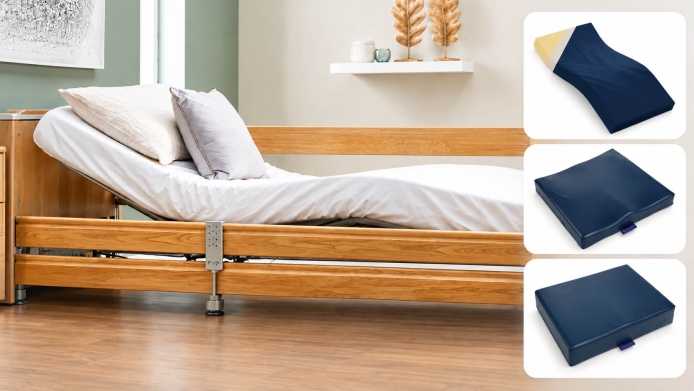
Algeos has expanded its pressure-care portfolio through a new distribution partnership with Caversham®, making four specialist Class I medical devices available to healthcare professionals and care providers across the UK.
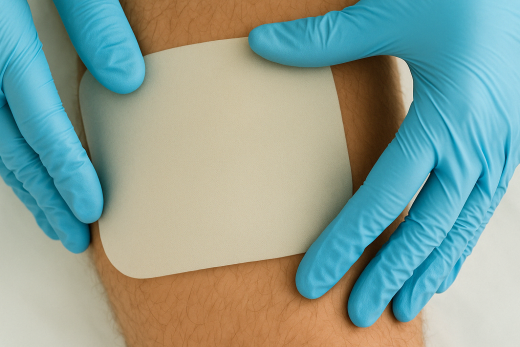
Hydrocolloid dressings are widely recognised in wound care for their ability to create a moist healing environment, which is crucial for tissue regeneration.
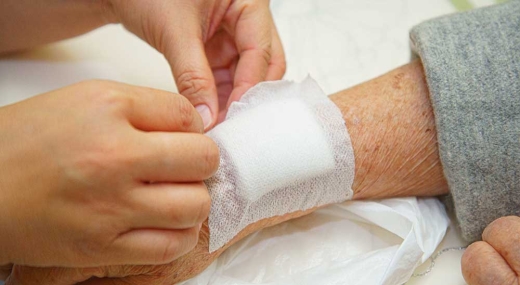
Proper wound care is crucial for healing and preventing infection. Modern wound dressings are designed to keep wounds in a moist, protected environment, which research has shown helps skin cells grow and wounds heal faster.
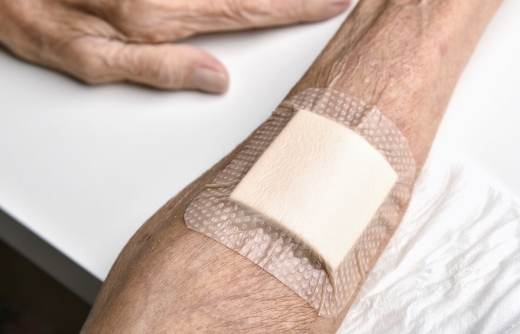
Wound dressings are an important part of medical care. They help protect wounds, promote healing, and lower the risk of infection. With many types of dressings available, it’s important to know their differences and uses. This is especially true when treating wounds of different severity.
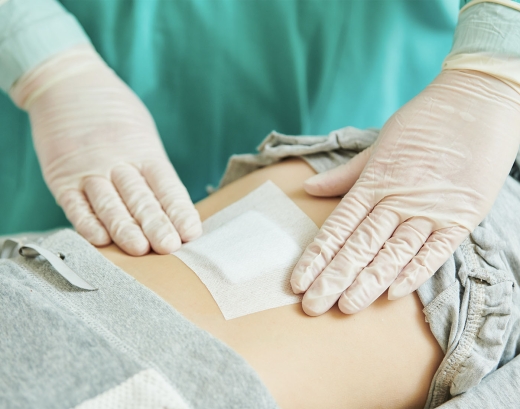
In the UK, wound care is an essential part of the NHS and is often managed by GPs, practice nurses and community healthcare teams. Choosing the right wound dressing can promote faster healing, improve comfort and essentially reduce complications. Below is a summary of the main dressing types used across NHS and community settings.
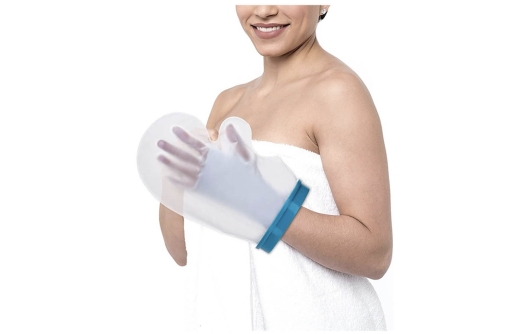
Breaking a bone is difficult enough - dealing with a cast shouldn't make life harder. Whether it's your arm, leg, ankle or wrist in a cast, cast protection is essential for comfort, hygiene and most importantly recovery.
If you've ever wondered how to protect a casted limb from water, knocks, dirt or discomfort, our guide covers it all.
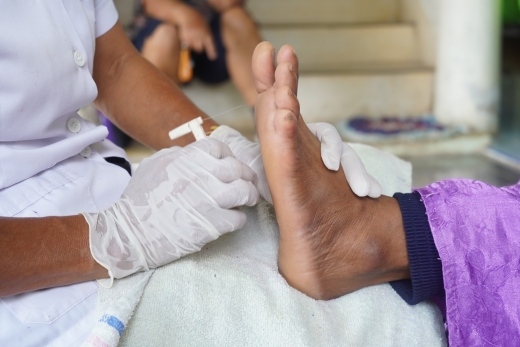
Diabetes is one of the most common diseases amongst adults in the UK, affecting roughly 4.3 million people and responsible for 174 amputations every week. Diabetic foot ulcers occur in between 10% and15% of people living with diabetes and, if left unmanaged, can lead to serious complications for the individual.
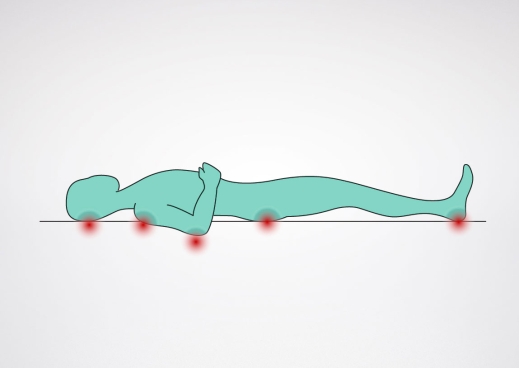
A pressure ulcer is an injury to the skin and underlying tissue, typically occurring when a person is confined to a bed or chair for prolonged periods of time. By disrupting the blood flow to an area under consistent pressure causes the skin to expand, which then develops into a pressure ulcer.