




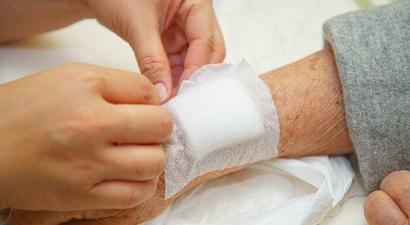
A UK Guide for wound dressings
In the UK, wound care is an essential part of the NHS and is often managed by GPs, practice nurses, and community healthcare teams.
Choosing the right wound dressing can promote faster healing, improve comfort, and reduce complications. Below is a summary of the main dressing types used across NHS and community settings.
1. Gauze Dressings
Description: Woven or non-woven fabric dressings used for cleaning, packing, or covering wounds.
- Used for minor cuts, abrasions and surgical incisions
- May adhere to wound bed if not moistened
NHS Kent Community Health: Wound Dressings
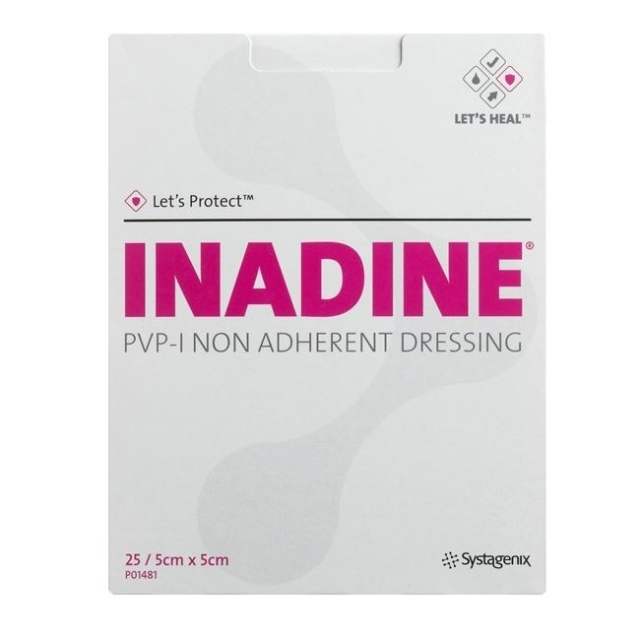
2. Non-Adherent Dressings
Description: Coated dressings that prevent sticking to the wound.
- Ideal for post-op wounds, abrasions, and skin grafts
- Minimises trauma during dressing changes
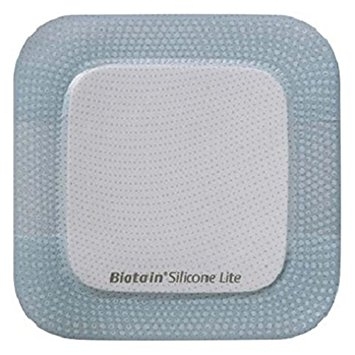
3. Foam Dressings
Description: Polyurethane dressings that are highly absorbent and cushioning.
- Commonly used for pressure ulcers and leg ulcers
- Maintains moist wound environment and protects from shear
NHS North Yorkshire: Wound Dressing Guidelines
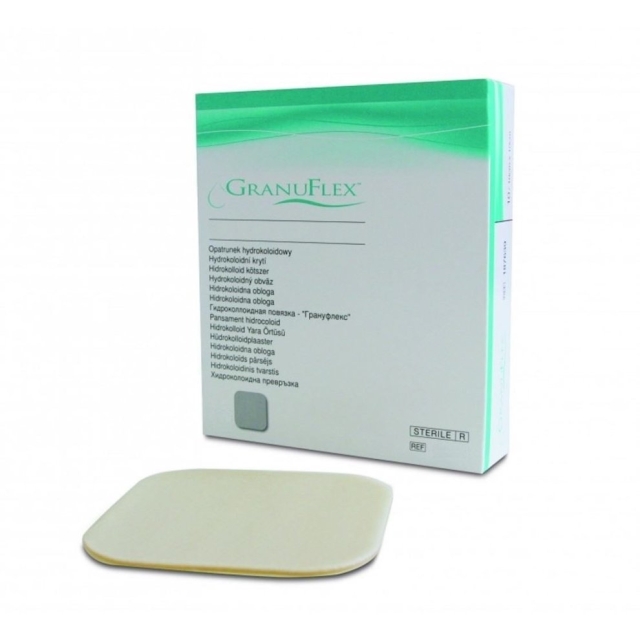
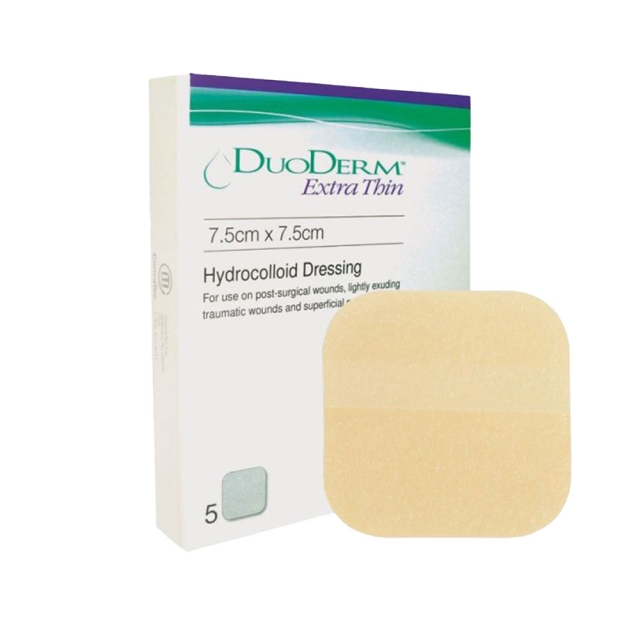
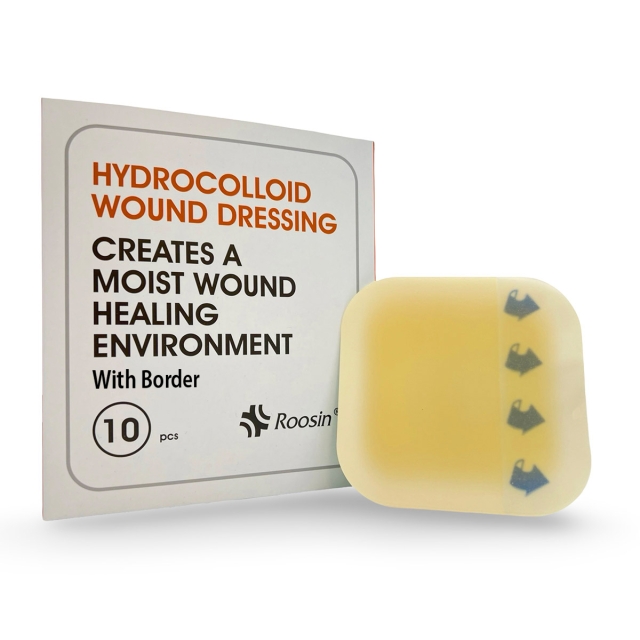
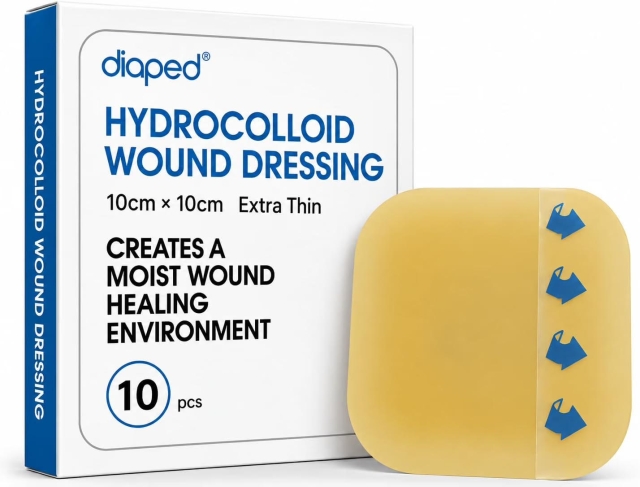
4. Hydrocolloid Dressings
Description: Dressings that interact with wound fluid to form a gel, helping to debride and protect the wound.
- Used for low to moderate exudate wounds, including pressure sores
- Flexible and conforming – good for awkward areas
5. Alginate Dressings
Description: Made from seaweed, these dressings turn into a gel when in contact with wound exudate.
- Best for moderate to heavily exuding wounds
- Often used in cavity wounds with a secondary dressing
6. Transparent Film Dressings
Description: Thin adhesive films that allow oxygen in and moisture vapour out while keeping the wound protected.
- Useful for superficial wounds and IV site coverage
- Allows easy monitoring without removal
7. Hydrogel Dressings
Description: Hydrating dressings used to add moisture to dry or necrotic wounds.
- Effective for dry wounds, burns, and those requiring autolytic debridement
- Requires a secondary dressing
8. Antimicrobial Dressings
Description: Dressings containing silver, iodine or honey, designed to reduce bacterial load.
- Used in wounds at risk of infection or with early signs of bioburden
- Should be used under clinical guidance
Always follow NHS guidelines or consult a GP or tissue viability nurse when selecting a wound dressing.
Wound Product Categories at Algeo.com
- Medical Dressing Gauze – Versatile, absorbent gauze dressings for cleaning, packing and covering a wide range of acute and chronic wounds.
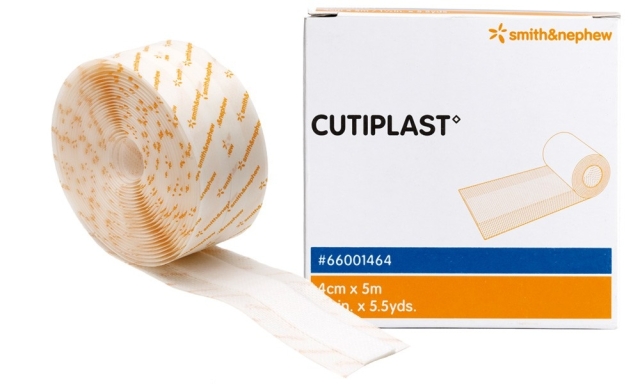
- Dressing Tape for Wound Care – Adhesive fixation tapes designed to secure primary dressings in place, protect wounds and maintain patient comfort.
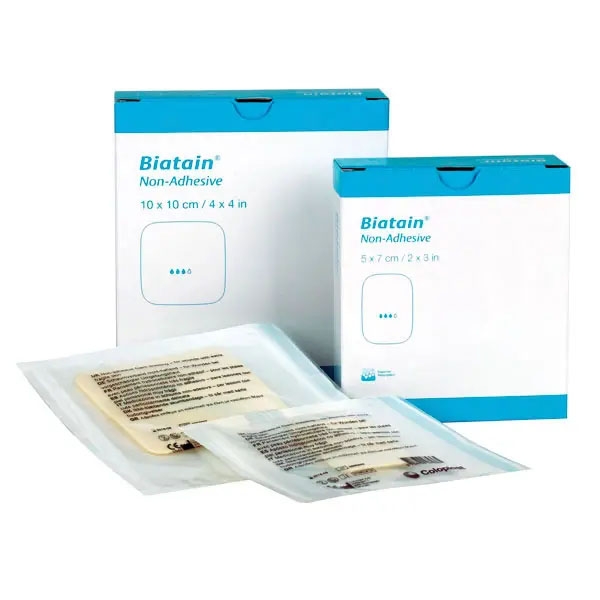
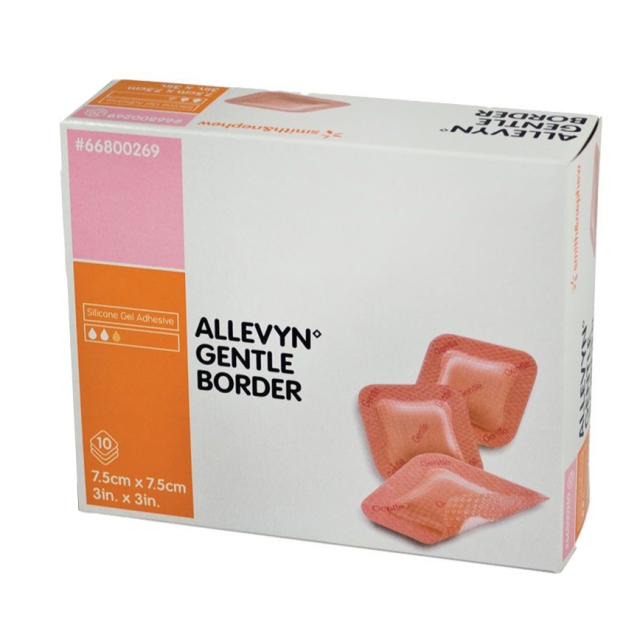
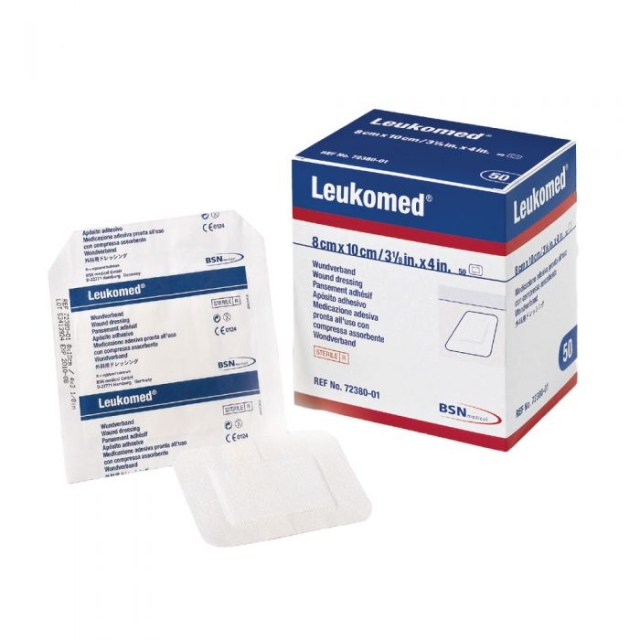
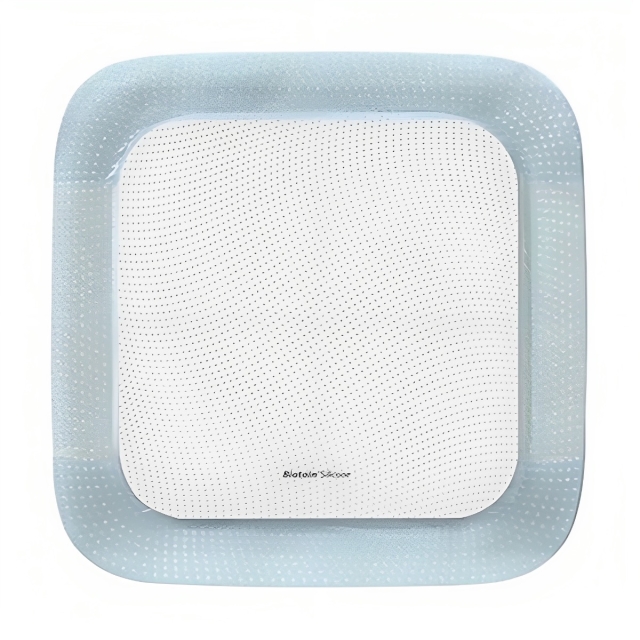
- Non Adherent & Silicone Dressings – Low-trauma dressings that protect delicate tissue and minimise pain by preventing the dressing from sticking to the wound bed.
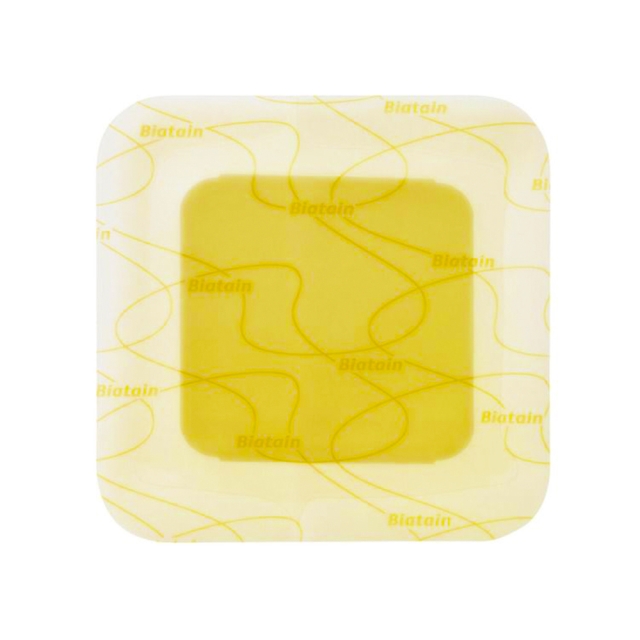
- Hydrocolloid Wound Dressings – Gel-forming dressings that create a moist healing environment for low to moderately exuding wounds such as pressure ulcers and minor burns.
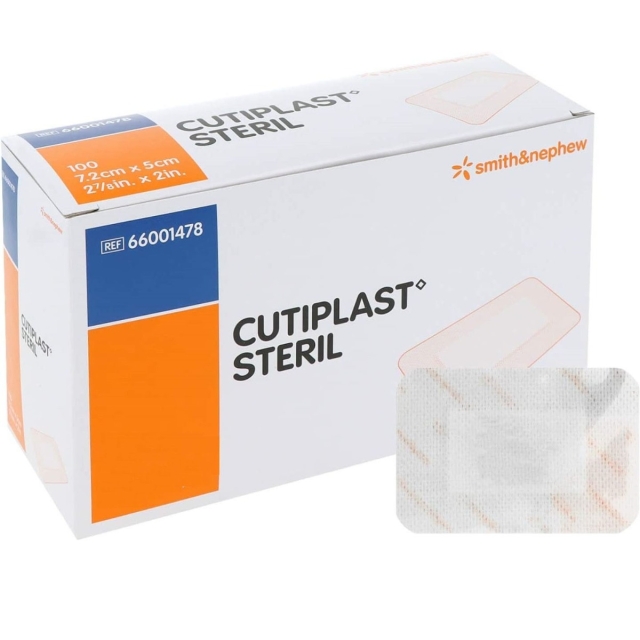
- Bandages & Plasters – Comprehensive range of bandages and adhesive plasters for everyday wound protection, support and secure coverage of minor injuries.
- Hydrogel Dressings Wound Care – Hydrating dressings that cool, soothe and re-moisturise dry or necrotic wounds while supporting gentle autolytic debridement.
- Alginate Wound Dressings – Highly absorbent seaweed-based dressings ideal for moderate to heavily exuding wounds, forming a gel that maintains a moist wound environment.
- Transparent Dressings – Thin, waterproof film dressings that protect wounds from contamination while allowing easy visual monitoring of the wound site.
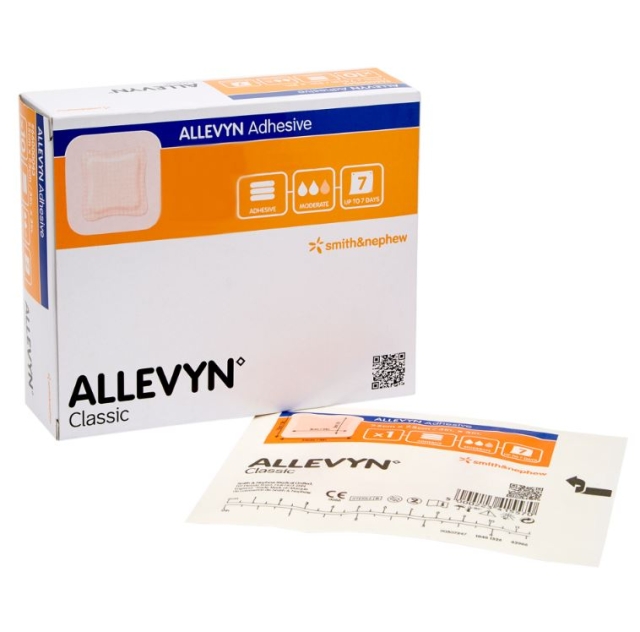
- Foam Wound Dressings – Soft, absorbent foam dressings providing cushioning and exudate management for moderate to heavily exuding wounds such as ulcers and pressure sores.
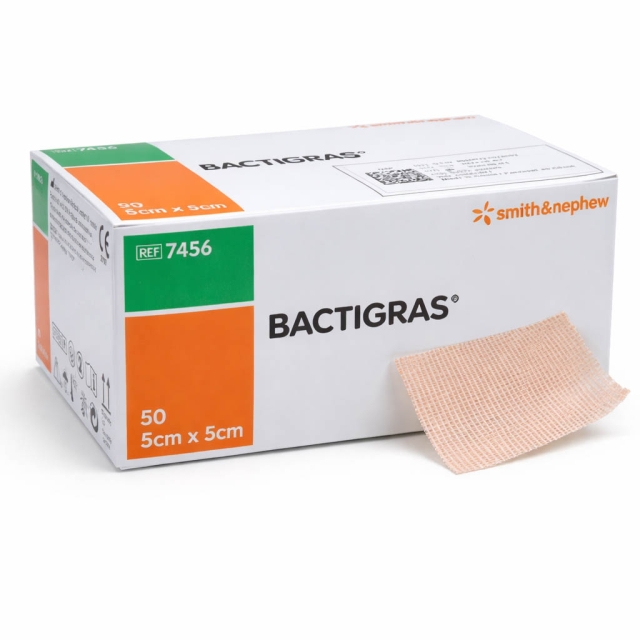
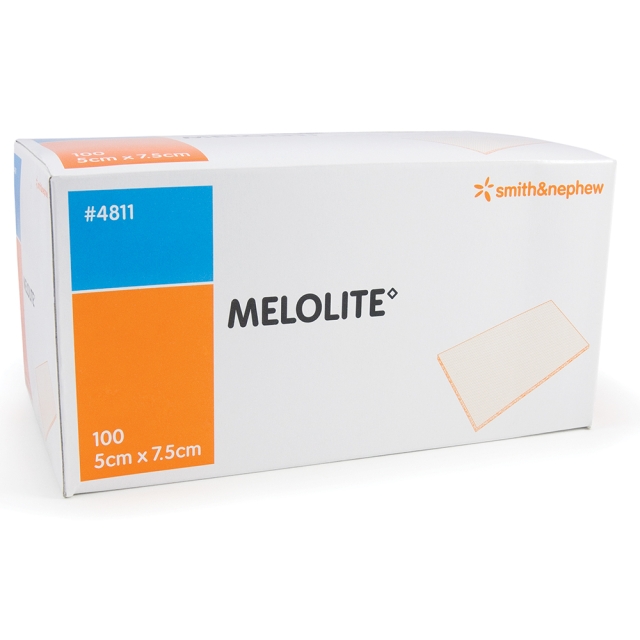
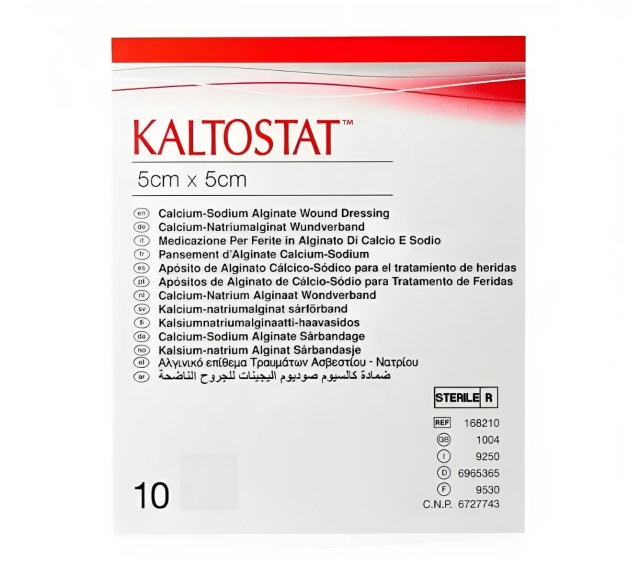


Sold: Pack of 50
Incl. VAT Exl. VAT