





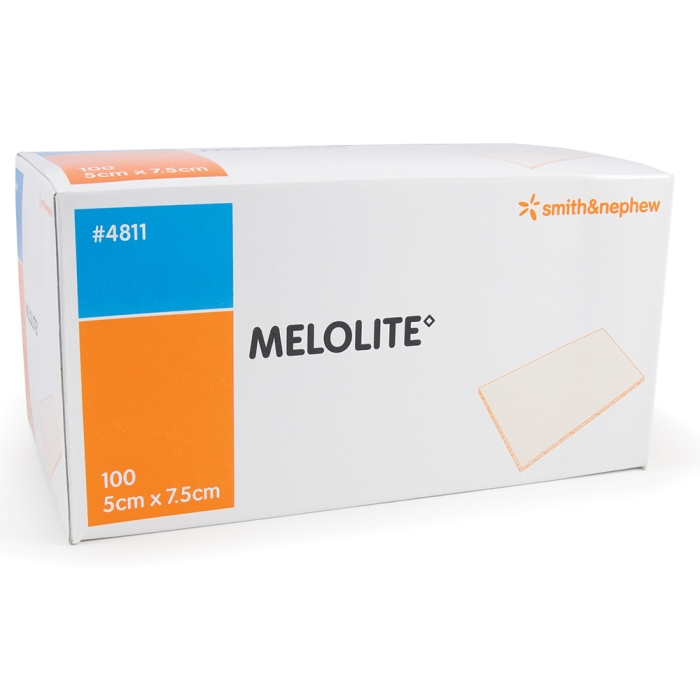
Melolite Non-Adherent Sterile Dressings - 5cm x 7.5cm
Low-adherent sterile dressing designed to minimise pain and trauma on removal.
Highly absorbent cotton and acrylic pad manages light to moderate wound exudate.
Thin, flexible construction cushions and protects without adding bulk.
Can be cut to shape while retaining integrity, suitable for everyday and post-operative wound care.

Product Description
Low-Adherent Absorbent Wound Dressing
A thin, low-adherent sterile dressing designed to absorb light to moderate wound exudate while helping to protect healing tissue.
Best for: Light to moderately exuding wounds requiring a gentle contact layer.
Not ideal for: Heavily exuding wounds that require high-capacity absorbent or compression dressings.
- Three-layer construction for comfort and protection
- Designed to minimise pain on dressing removal
- Suitable for routine and post-operative wound care
What is it?
Melolite Non-Adherent Sterile Dressings are single-use wound dressings made with a carefully constructed three-layer design. At the wound contact side is a very thin, perforated polyester film that is heat-bonded to an absorbent pad. This film is designed to be low adherent, helping to reduce disruption to fragile healing tissue during dressing changes.
The central layer consists of a highly absorbent cotton and acrylic fibre pad. This layer draws exudate away from the wound surface, helping to maintain a more balanced wound environment while cushioning the area from external pressure or friction. A hydrophobic backing layer completes the structure, helping to delay strike-through and protect clothing or secondary dressings.
The film side of the dressing is placed directly against the wound, with a secondary dressing or fixation used as required.
Who is it for?
This dressing is suitable for a wide range of users, from individuals managing minor everyday injuries at home to healthcare professionals providing routine wound care. It is commonly used in clinical, community, and home environments where a gentle, reliable, and easy-to-use dressing is needed.
Melolite is particularly appropriate for people who require regular dressing changes and wish to minimise discomfort on removal. Its low-adherent properties and thin profile make it a practical option where bulkier dressings may be unnecessary.
What does it help with?
- Clean sutured wounds: Helps protect the wound while absorbing light post-operative exudate.
- Abrasions: Cushions the wound surface and reduces the risk of the dressing sticking.
- Lacerations: Provides a protective interface layer during healing.
- Minor burns: Helps absorb light exudate while supporting comfortable dressing changes.
- Post-operative wounds: Suitable for routine monitoring and regular changes.
How does it work?
The perforated low-adherent film allows exudate to pass through quickly into the absorbent pad beneath. By drawing moisture away from the wound surface, the dressing can help reduce pooling while limiting adhesion to the wound bed.
The absorbent cotton and acrylic core holds fluid within its structure, while the hydrophobic backing layer helps slow the rate of strike-through. Together, these layers support a cleaner dressing change experience and help maintain comfort between changes.
Expected use timeline
First use: On initial application, the dressing feels soft and lightweight against the skin. Some awareness of the dressing is normal, particularly around tender wounds.
Short term (first few days): As the wound begins to stabilise, users often find dressing changes straightforward, with reduced pulling or sticking compared to standard gauze.
Ongoing use (over weeks): With continued appropriate use, the dressing can remain a reliable part of routine wound care, particularly where daily or frequent changes are required. Comfort is influenced by wound type, fixation method, and surrounding skin condition.
Problem and solution overview
| Common problem | How the dressing helps |
|---|---|
| Dressing sticks to the wound | Low-adherent perforated film helps reduce trauma during removal |
| Light exudate leaks through quickly | Absorbent cotton/acrylic pad helps retain fluid and delay strike-through |
| Discomfort during wear | Soft cushioning layer protects the wound from pressure and friction |
| Need for frequent changes | Improved strike-through performance can reduce unnecessary changes |
Key benefits
- Low-adherent surface designed to minimise pain on removal
- Highly absorbent pad suitable for light to moderate exudate
- Thin, flexible profile for comfortable everyday wear
- Can be cut to shape while retaining structural integrity
- Inert and non-sensitising materials for broad skin compatibility
- Supports clean, simple dressing routines
Fit and comfort check
The dressing should sit smoothly over the wound with full coverage of the affected area. It should feel comfortable. If the dressing feels tight, causes increased discomfort, or restricts movement, reassess the size or fixation method. Using an appropriately sized secondary dressing can improve comfort and help keep the Melolite layer in place.
Common mistakes to avoid
- Using the dressing on heavily exuding wounds beyond its intended capacity
- Applying excessive pressure with fixation that may cause discomfort
- Leaving the dressing in place longer than advised when exudate levels increase
- Placing the backing layer directly against the wound instead of the film side
How to use
- Clean the wound according to standard wound care guidance.
- Select an appropriately sized Melolite dressing.
- If required, cut the dressing to fit the shape of the wound.
- Place the perforated film side directly onto the wound surface.
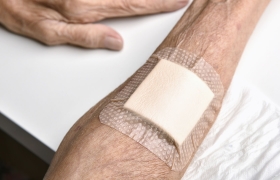
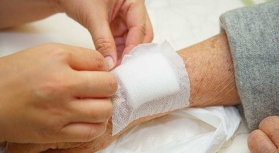
- Secure with a suitable secondary dressing or fixation.
- Change the dressing daily, or more often depending on wound condition and exudate level.
Technical specifications
| Product type | Low-adherent sterile wound dressing |
|---|---|
| Layer construction | Perforated polyester film, cotton/acrylic absorbent pad, hydrophobic backing layer |
| Absorbency level | Light to moderate exudate |
| Sizes | Varies by option |
| Cut to size | Yes, retains integrity when cut |
| Skin compatibility | Inert and non-sensitising |
| Pack contents | Pack of 100 sterile dressings |
| Intended use | Single use |
Frequently asked questions
Which side of the dressing goes on the wound?
The perforated film side should be placed directly against the wound. This allows exudate to pass into the absorbent pad while reducing adhesion.
Can Melolite be used every day?
Yes, it is designed for routine wound care and can be changed daily or more often if required by the wound condition.
Is it suitable for sensitive skin?
The materials are inert and non-sensitising, making the dressing suitable for a wide range of users. Always monitor the surrounding skin for irritation.
Can it be used with other dressings?
Melolite is commonly used as a primary contact layer with a secondary dressing or bandage for fixation.
What is the difference between Melolite and Melolin?
Melolite is a thinner low-adherent absorbent pad intended for minor or lightly exuding wounds. Melolin is thicker and designed to absorb fluid from more moderately wet wounds.
Is it suitable for heavily exuding wounds?
No, heavily exuding wounds may require a more absorbent dressing designed for higher fluid levels.
Complementary and pairing suggestions
- Secondary absorbent dressings for additional fluid management
- Retention bandages or fixation tapes for secure placement
- Skin-friendly adhesive products to protect surrounding skin
Content credibility
Written by: Algeos Product & Clinical Content Team
Last reviewed: February 2026
This content is provided to support informed purchasing decisions and general product understanding. It is not intended to replace professional medical advice or diagnosis.
Frequently bought together
Sold: Pack of 10
Incl. VAT Exl. VAT
Sold: Pack of 10
Incl. VAT Exl. VAT
Sold: Pack of 5
Incl. VAT Exl. VAT
Sold: Various Pack Sizes
Incl. VAT Exl. VAT
Sold: Pack of 10
Incl. VAT Exl. VATSold: Pack of 10
Incl. VAT Exl. VAT
Sold: Pack of 10
Incl. VAT Exl. VAT
Sold: Box of 10
Incl. VAT Exl. VAT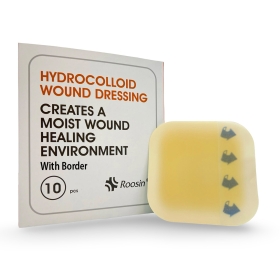
Sold: Box of 10
Incl. VAT Exl. VAT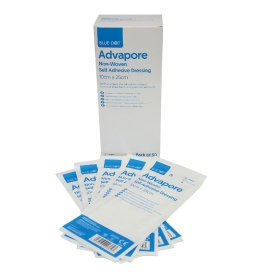
Sold: 3 Packs of 50
Incl. VAT Exl. VAT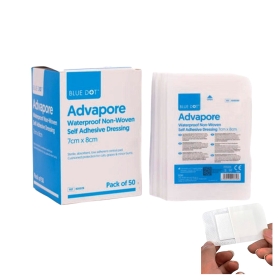
Sold: Pack of 50
Incl. VAT Exl. VAT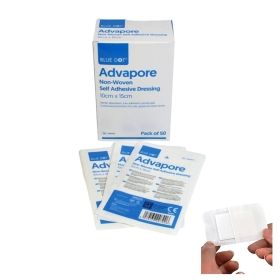
Sold: Pack of 50
Incl. VAT Exl. VAT
Sold: Pack of 50
Incl. VAT Exl. VAT
Sold: 3 packs of 50
Incl. VAT Exl. VAT
Sold: Pack of 50
Incl. VAT Exl. VAT
Sold: 3 packs of 50
Incl. VAT Exl. VAT
Sold: 20 Metre Roll
Incl. VAT Exl. VAT
Sold: 20 Metre Roll
Incl. VAT Exl. VAT
Sold: Pack of 50
Incl. VAT Exl. VAT
Sold: Box of 10
Incl. VAT Exl. VAT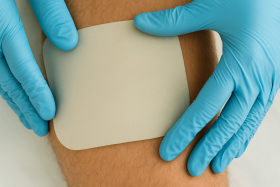
Sold: Pack of 100
Incl. VAT Exl. VAT