




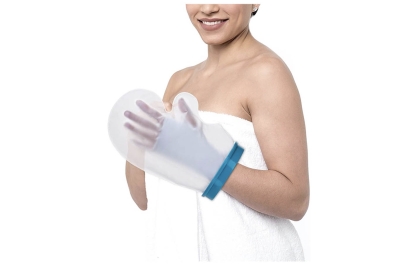
Breaking a bone is difficult enough - dealing with a cast shouldn't make life harder. No matter if it's your arm, leg, ankle, or wrist in a cast, protecting it is very important. This helps with comfort, hygiene, and most importantly, recovery. If you've ever wondered how to protect a casted limb from water, knocks, dirt or discomfort, our guide covers it all.
Why Cast Protection Is So Important
Casts are designed to immobilise broken bones and support healing, but they aren't waterproof and they definitely aren't invincible.
Exposure to water, dust, or pressure can weaken the cast, cause skin irritation, or lead to infections. That’s why safeguarding a casted limb is just as crucial as the cast itself.
Key Risks to Avoid
- Water damage: Plaster or fibreglass casts can absorb water - weakening the structure and promoting bacterial growth.
- Skin irritation: Moisture trapped under the cast can lead to itching, rashes or pressure sores.
- Breakdown of the cast: Bumps or knocks to an unprotected cast may reduce its effectiveness.
- Delayed healing: Improper care can increase recovery time and lead to complications.
Top Ways to Protect a Casted Limb
1. Use a Waterproof Cast Cover
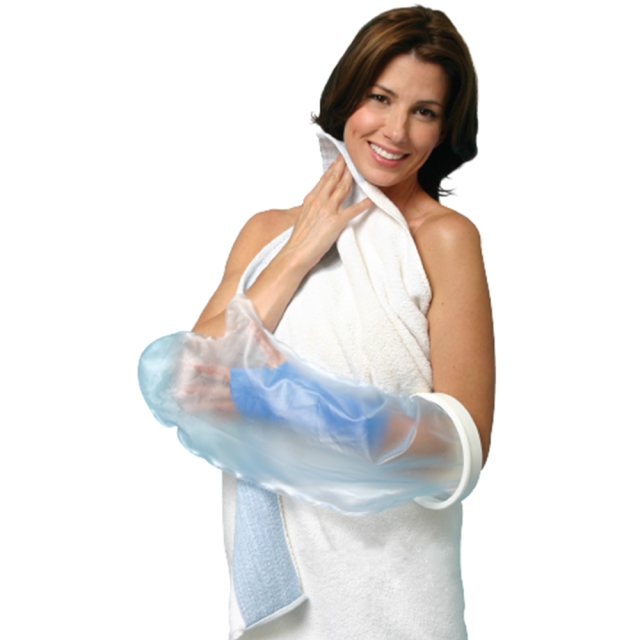
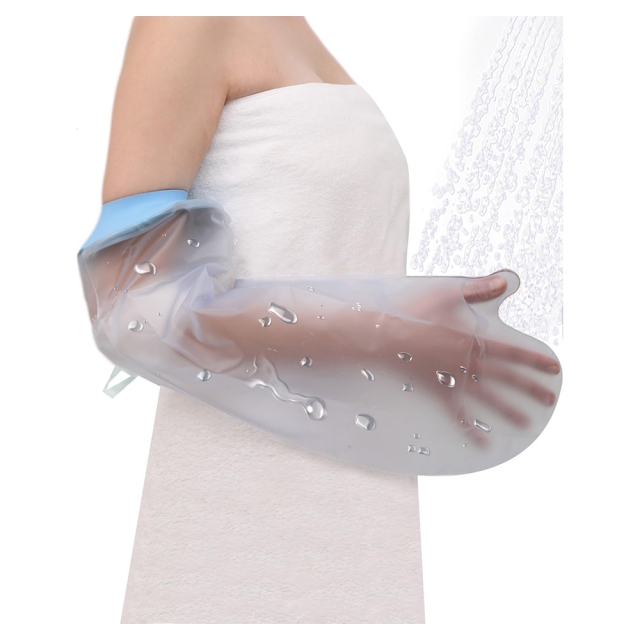
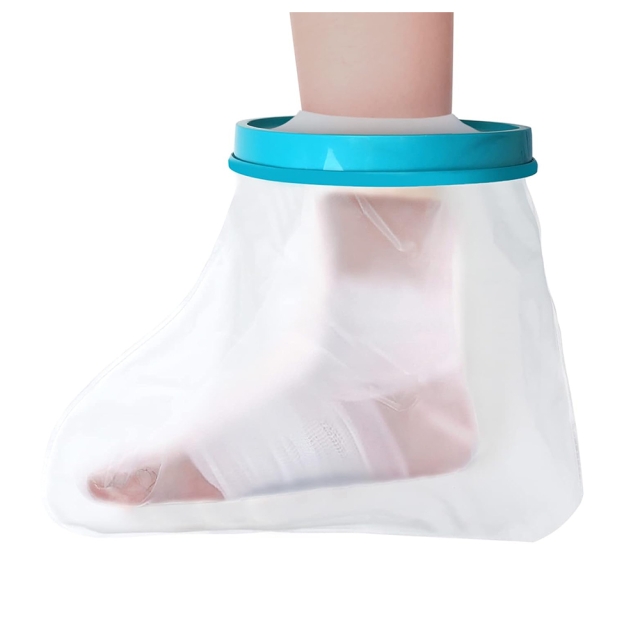
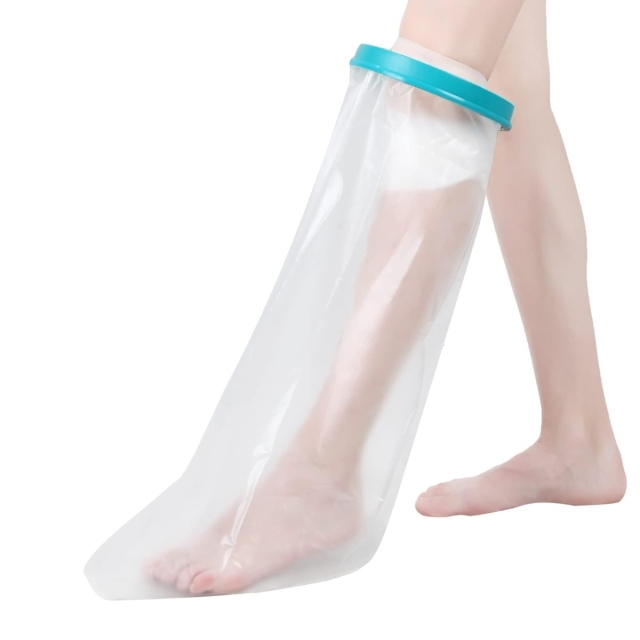
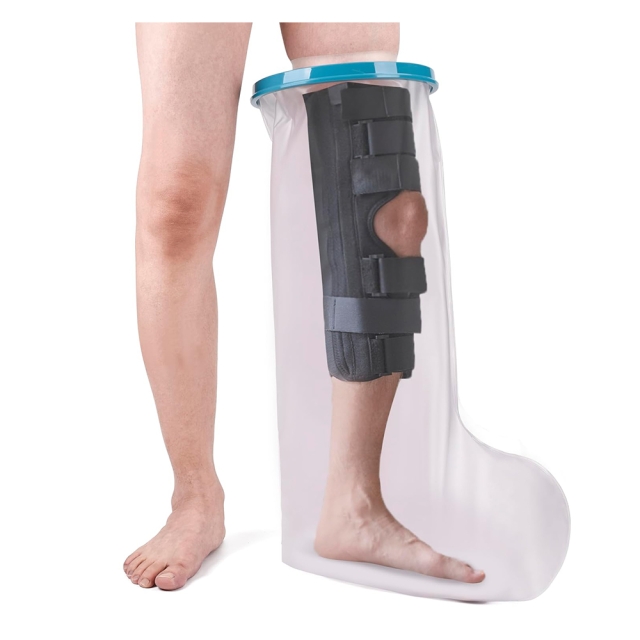
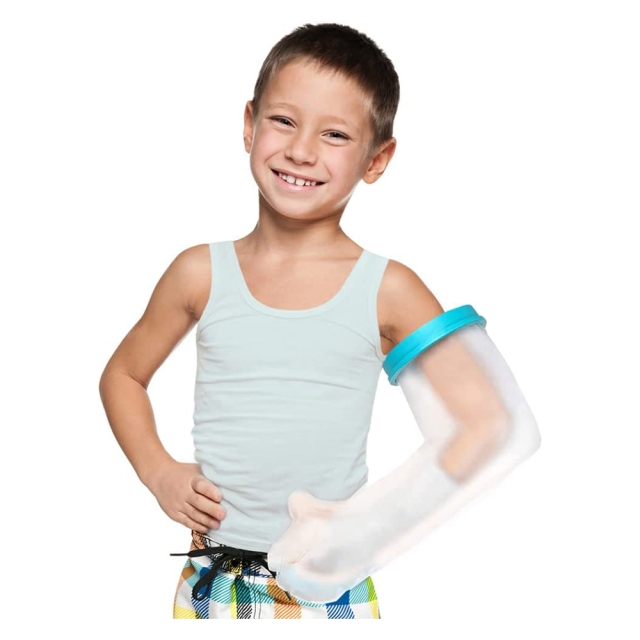
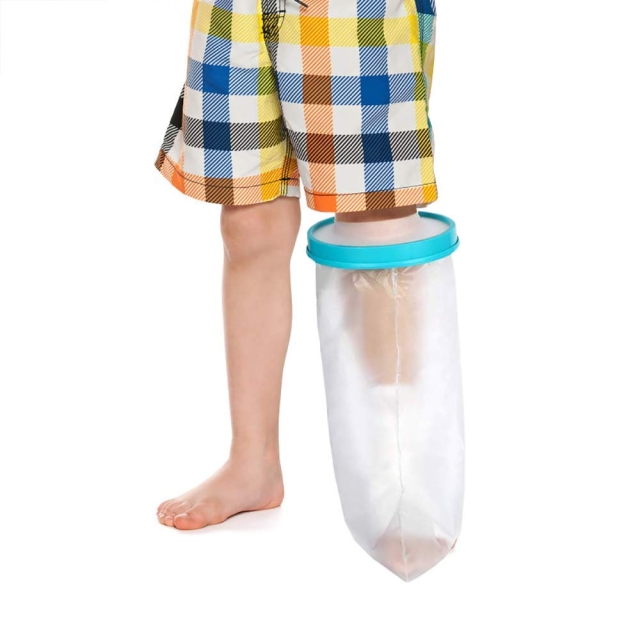
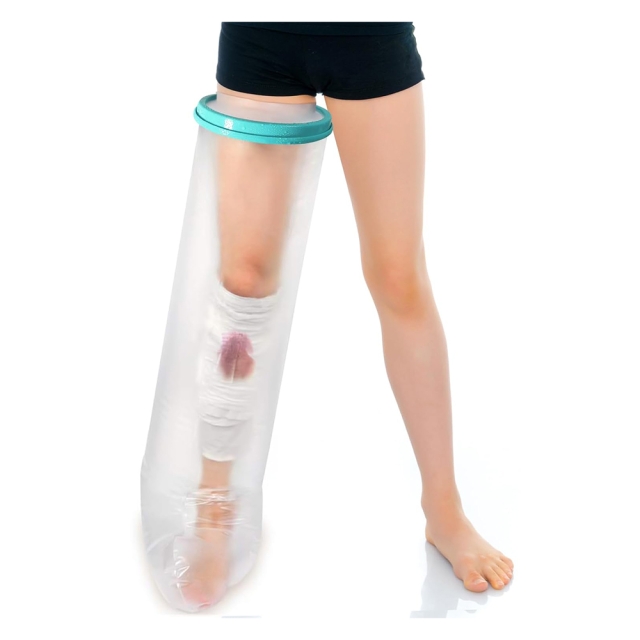
Waterproof cast covers are one of the most effective and convenient solutions. They slip over the cast and create a seal to prevent moisture from entering during showers, baths or even short swims. Choose from adult or child sizes and ensure a snug fit around the limb.
2. Avoid Getting the Cast Wet
If you don’t have a waterproof cover, use plastic bags or cling film as a short-term alternative - but these can leak and shouldn’t be relied on for daily use! Always dry the cast thoroughly if it gets splashed.
3. Cushion the Cast
To protect a cast from accidental knocks or wear, consider adding a soft, removable sleeve over the top. This is especially useful for children, elderly individuals or during sleep.
4. Elevate and Support the Limb
Keeping the casted limb elevated can reduce swelling and improve comfort. Use pillows or foam supports to cushion the limb when sitting or lying down.
5. Keep It Clean
Dust and debris can easily enter the open end of a cast. Avoid exposing the cast to messy environments and never insert objects inside it to scratch an itch.
Special Cast Protection for Legs and Arms
- Leg Casts: Use non-slip cast boots or walker protectors to stabilise and protect when moving about.
- Arm Casts: Use a sling or protective wrap for additional support and to prevent jostling.
Cast Care Tips from Professionals
- Check the skin around the cast daily for redness or soreness.
- Watch for signs of infection, such as unusual odour, heat, or discharge.
- Report any cracking, crumbling or excessive loosening to your healthcare provider.
- Never try to trim or remove a cast yourself.
When to Use Cast Protectors
Cast protectors are most helpful during:
- Bathing or showering.
- Outdoor walks in wet weather.
- Beach holidays or swimming (only with submersion-safe models).
- Bedtime or activities with high risk of knocks.
Trusted by Professionals
Cast protection is recommended medical professionals as a simple yet essential part of recovery. Keeping the cast clean, dry and intact can speed up healing and reduce complications.
In a Nutshell
Whether it's for a broken leg, wrist or elbow, protecting a casted limb properly can make a huge difference. Cast protectors, elevation pillows, and cushioned wraps all contribute to a smoother, safer recovery.
Don’t leave cast care to chance - take a little extra time to protect your limb, and your body will thank you.

Sold: Each
Incl. VAT Exl. VAT