





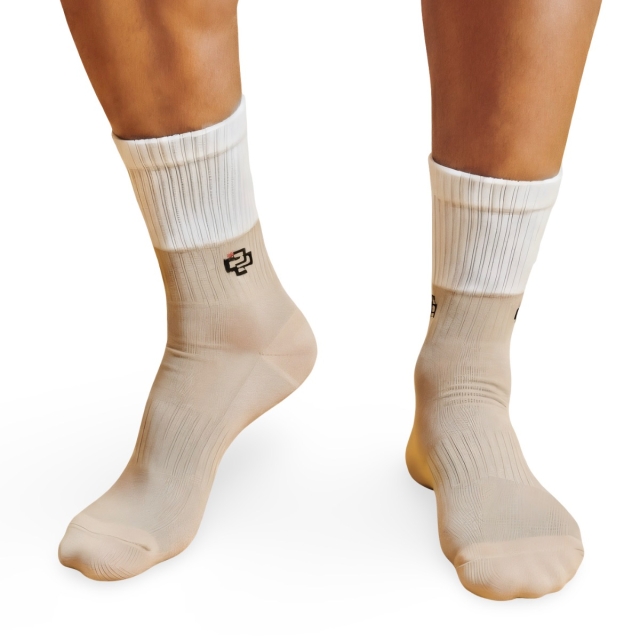
Diabetic socks are specially designed for protecting the feet of individuals with diabetes. Unlike regular socks, they incorporate features that help reduce the risk of foot injuries - enhance blood circulation and ensure maximum comfort.
These socks are manufactured with the understanding that diabetic feet are more susceptible to damage due to reduced sensation and compromised circulation. As a result diabetic socks are created to provide a seamless, protective environment for the feet.
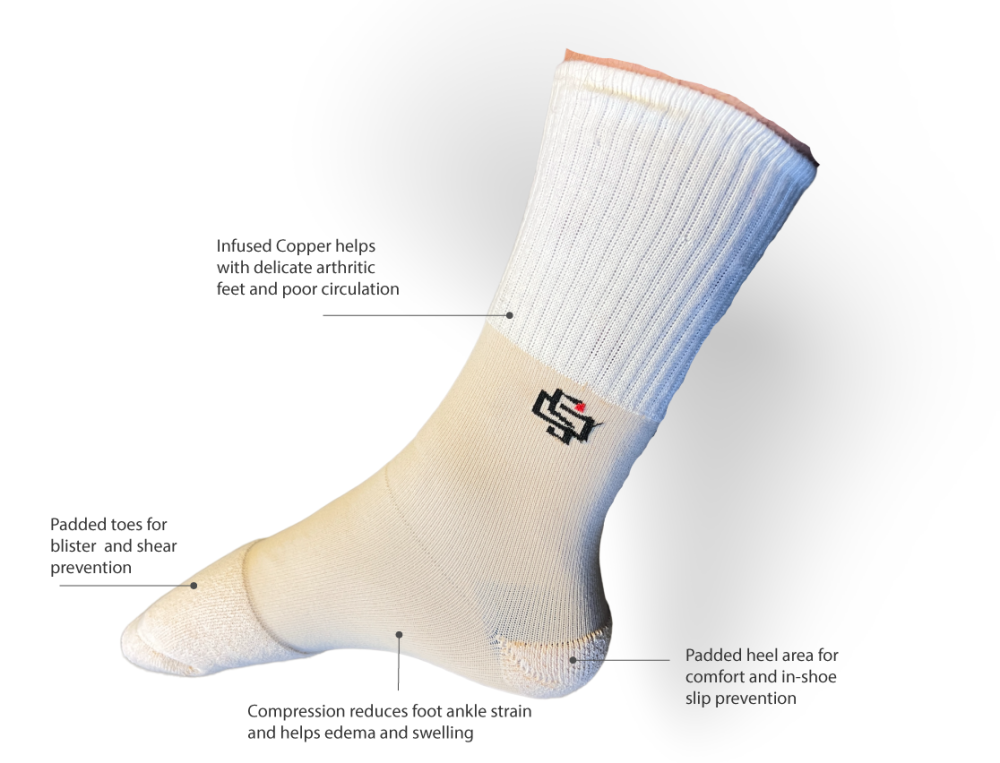
SockDocs Features and Design
Key Features of Diabetic Socks
Diabetic socks often come with several key features:
-
Seamfree Design: This helps prevent blisters and irritation which can lead to ulcers. Seams can cause friction that irritates the skin, and for diabetics, even minor abrasions can be problematic. Therefore, a seamfree design is crucial in minimising these risks.
-
Non-binding Tops: Ensures better circulation without constricting the legs. Traditional socks can leave indentations and restrict blood flow which is detrimental for diabetic individuals. Non-binding tops help maintain optimal circulation, which is vital for healing and overall foot health.
-
Moisture-Wicking Materials: Keeps the feet dry, reducing the risk of infections. Diabetes can impair the body’s ability to fight infections, so keeping the feet dry is essential in preventing fungal and bacterial growth.
-
Cushioning: Provides extra protection and comfort. Cushioning helps absorb impact and reduce pressure on the foot - preventing calluses and blisters that could lead to ulcers.
-
Antimicrobial Properties: Often infused with copper or silver to minimise bacteria and fungi. These materials help create a hostile environment for microbes - further protecting against infections.
Why Wear Diabetic Socks Daily?
Prevention of Foot Ulcers
Foot ulcers are a common complication for people with diabetes, often resulting from minor injuries that do not heal properly. Diabetic socks help prevent ulcers by providing a seamfree, cushioned environment that protects against friction and pressure.
The consistent use of diabetic socks can reduce the likelihood of skin breakdown, a precursor to ulcer formation. By minimising the potential for injuries and promoting a healthy environment - diabetic socks play a crucial role in ulcer prevention.
Reduced Risk of Neuropathy
Neuropathy, or nerve damage, can lead to loss of sensation in the feet, making injuries more likely. Diabetic socks offer a snug fit that enhances blood flow, supporting nerve health and reducing the risk of neuropathy.
This snug fit ensures that there are no areas of excessive pressure, which can exacerbate nerve damage. By maintaining warmth and circulation, diabetic socks help in preserving nerve function and sensation in the feet.
Improved Circulation
Diabetic socks often feature non-binding tops and are designed to enhance blood circulation. This is crucial for individuals with diabetes, as poor circulation can lead to complications, including delayed wound healing.
Enhanced circulation aids in the delivery of nutrients and oxygen to foot tissues, promoting quicker recovery from minor injuries. By supporting optimal blood flow, diabetic socks contribute to overall foot health and resilience.
Comfort and Support
The cushioning and support provided by diabetic socks make them comfortable for daily wear. They reduce pressure points and prevent the formation of calluses, which can lead to more serious issues if left untreated.
Comfort is especially important for individuals with diabetes, as discomfort can lead to reduced mobility and further complications. The right balance of support and softness ensures that diabetic socks are a practical and comfortable choice for everyday use.
Types of Diabetic Socks
Diabetic socks come in various types, each offering unique benefits:
Compression Socks
Compression socks apply gentle pressure to the legs, promoting better blood flow and reducing swelling. They are particularly beneficial for those with venous insufficiency or those who spend long periods standing.
Compression socks can help prevent the pooling of blood in the lower extremities, reducing the risk of clot formation. By improving circulation, these socks also aid in the prevention of varicose veins and deep vein thrombosis.
Copper Socks
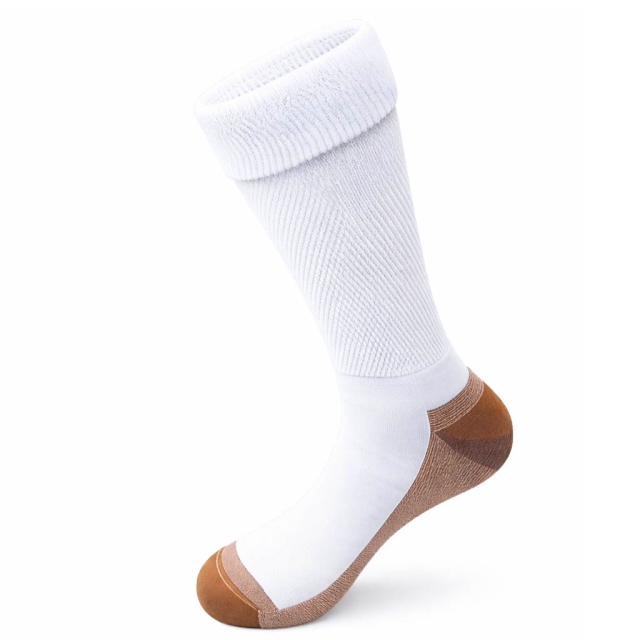
Copper socks have antimicrobial properties that help prevent infections by reducing bacteria and fungi on the feet. They also improve skin health and reduce odors, making them a popular choice for diabetic foot care.
The infusion of copper ions in the fabric provides continuous protection against microbial growth. This makes copper socks a practical solution for maintaining foot hygiene and reducing the risk of infections. SockDocs Copper Socks combine compression and copper infusion to create an amazing solution for Diabetes patients.
Silicone Gel Socks
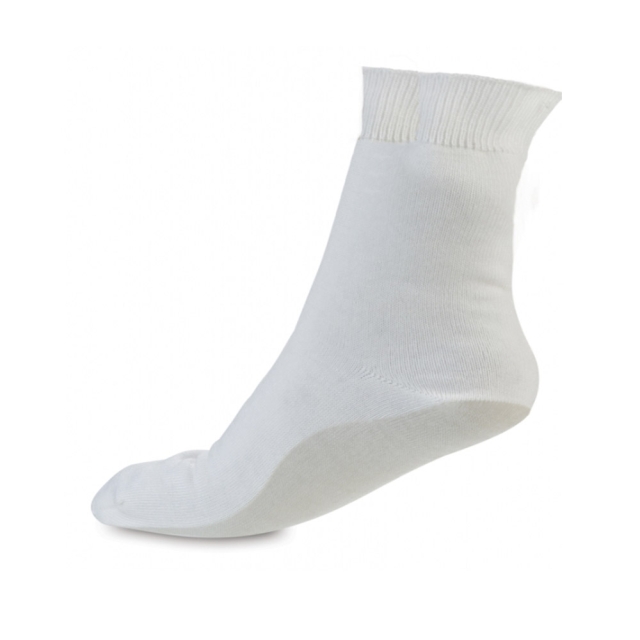
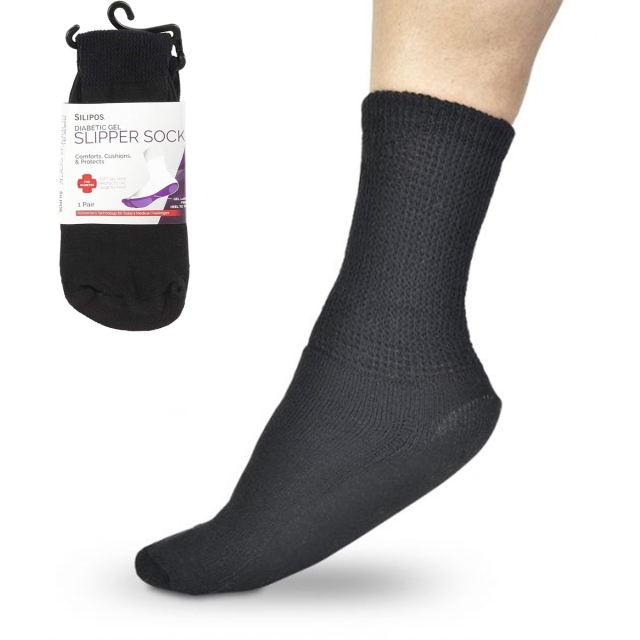
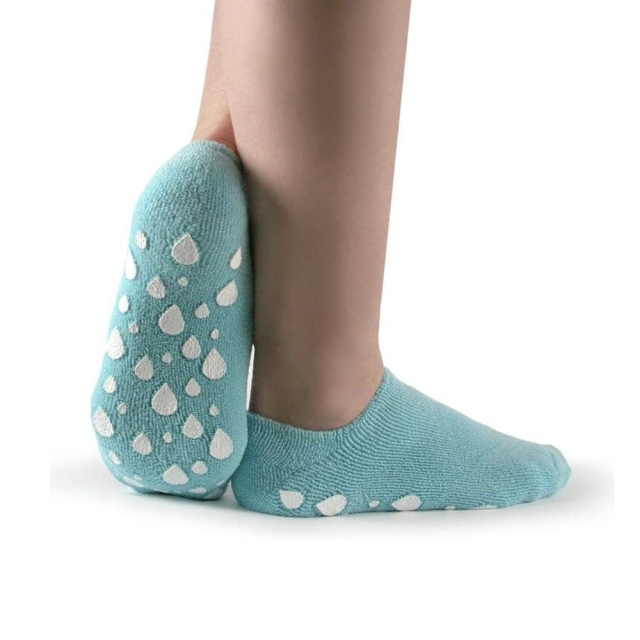
Silicone gel socks provide added cushioning, particularly in the heel and ball of the foot areas. They are ideal for individuals with sensitive skin or those who require extra protection against pressure and friction. The gel pads help distribute pressure evenly across the foot, preventing sore spots and blisters.
These socks are especially beneficial for those who experience frequent foot pain or discomfort.
How to Choose the Right Diabetic Socks
When selecting diabetic socks, always consider the following factors:
-
Material Type: Opt for moisture-wicking fabrics like bamboo or wool blends. These materials help keep the feet dry, reducing the risk of fungal infections and maintaining a comfortable foot environment. Natural fibers also offer breathability, which is essential for temperature regulation.
-
Sock Fit: Ensure a snug fit without being too tight to avoid restricting blood flow. A proper fit prevents bunching and slipping, which can cause friction and blisters. It is important to choose a size that accommodates any foot swelling that might occur during the day.
-
Sock Cushioning: Choose socks with adequate padding for comfort and protection. The right amount of cushioning can prevent excessive pressure and impact, safeguarding the foot against injuries. Look for socks with reinforced heels and toes for added durability and protection.
-
Sock Length: Consider the length that best suits your needs, whether ankle, crew, or knee-high. The length should be chosen based on personal comfort and the level of support needed for specific activities. Longer socks may offer more comprehensive coverage and support, especially for those with circulatory concerns.
The Role of Diabetic Footwear
While diabetic socks play a significant role in foot health, pairing them with appropriate diabetic footwear amplifies their benefits. Diabetic shoes are designed to provide extra depth, a wide toe box, and additional support to complement the protective features of diabetic socks. Together, they form a comprehensive foot care system that addresses various aspects of diabetic foot health.
Benefits of Diabetic Footwear
-
Prevention of Pressure Points: Diabetic shoes distribute weight evenly, reducing pressure on sensitive areas. This even distribution helps prevent foot deformities and reduces the risk of calluses and ulcers. Proper footwear can greatly enhance mobility and comfort for individuals with diabetes.
-
Customisation: Many diabetic shoes offer customisable inserts for personalised support. These inserts can be tailored to address specific foot issues such as arch support or heel cushioning. Customisation ensures that the footwear meets the unique needs of the wearer, providing optimal support and protection.
-
Durability and Protection: Made from high-quality materials, these shoes offer long-lasting protection for diabetic feet. Durable construction ensures that the shoes withstand daily wear and provide consistent support. By investing in quality footwear - individuals can prevent foot injuries and maintain their foot health over time.
Proactive Foot Care for Diabetes Sufferers
Wearing diabetic socks daily is a proactive step towards protecting your feet from the complications associated with diabetes. They offer a combination of comfort, protection and improved circulation - making them an essential component of diabetic foot care!
By choosing the right pair of diabetic socks and pairing them with appropriate footwear, you can significantly reduce the risk of ulcers, neuropathy, and other foot-related issues. Regular use of diabetic socks not only prevents health complications but also enhances overall quality of life by allowing greater freedom of movement and comfort.
Investing in your foot health today can lead to a healthier tomorrow, ensuring you maintain an active and comfortable lifestyle despite the challenges of diabetes. Whether you opt for compression socks, copper socks or silicone gel socks (or even a combination of all), the key is to find a pair that meets your specific needs and supports your overall foot health.
Prioritising foot care with the right socks and shoes is a small change that can have a significant impact on your health and well-being.
You can learn more and view Algeos Medical Socks range here.
Related product categories: Diabetic Footcare Products | Diaped Solutions
More Articles
Differences Between Everyday Socks and Diabetic Socks
When it comes to foot health, picking the right socks is very important. This is especially true for people with diabetes.
It is not required for all diabetics to wear diabetic socks. However, it is strongly advised for those with foot problems or a high risk of getting them.
Understanding Diabetic Foot Conditions
Diabetes is a chronic condition that affects millions worldwide. One of the lesser-known but significant complications of diabetes is the development of foot problems.
Top Tips for Diabetic Foot Care
Diabetic lower limb products and daily living aids. Includes diabetic insoles, monitoring and prevention solutions to ensure safe and healthy feet.
Sold: Pair
Incl. VAT Exl. VAT