




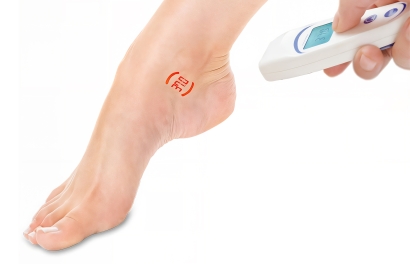
Local rises in plantar skin temperature are an early, quantifiable sign of tissue stress in diabetes. When patients and clinicians monitor that signal consistently they can intervene before skin breaks down and a diabetic foot ulcer forms.
Definition
Foot temperature monitoring is the routine measurement of plantar skin temperature at standard sites to detect localised increases that suggest inflammation from repetitive mechanical stress or infection. In clinical studies and guidelines a left-to-right difference of ≥ 2.2 °C at corresponding sites is widely used as an action threshold that triggers rest and offloading.
Sources: Lavery et al., 2004 Armstrong & Lavery, 2007 IWGDF 2023
How it works - why it matters
Peripheral neuropathy blunts pain and pressure feedback. As a result small traumas from daily walking accumulate at bony prominences such as the metatarsal heads.
The inflammatory response increases local perfusion which raises skin temperature days to weeks before visible erythema or ulceration. This makes temperature a leading indicator of risk rather than a late sign.
Randomised controlled trials demonstrate that acting on temperature alerts prevents ulcers. In the seminal study by Lavery and colleagues, people who performed twice-daily home skin temperature checks and reduced activity when a hotspot appeared experienced fewer complications than controls on usual care alone Lavery et al., 2004.
A 15 month multicentre trial in high-risk patients found recurrence was over four times more likely in standard care than in those coached to act on the 2.2 °C rule Lavery et al., 2007. More recently a 2021 trial reinforced that the benefit depends on behaviour change when temperatures rise Bus et al., 2021.
Guidelines reflect the evidence. The International Working Group on the Diabetic Foot (IWGDF) recommends daily self monitoring of plantar temperatures for people at moderate to high risk and emphasises responding to significant asymmetries IWGDF 2023. In the UK, NICE NG19 sets out foot protection and multidisciplinary services that provide the structure to embed temperature based surveillance and rapid escalation where needed NICE NG19.
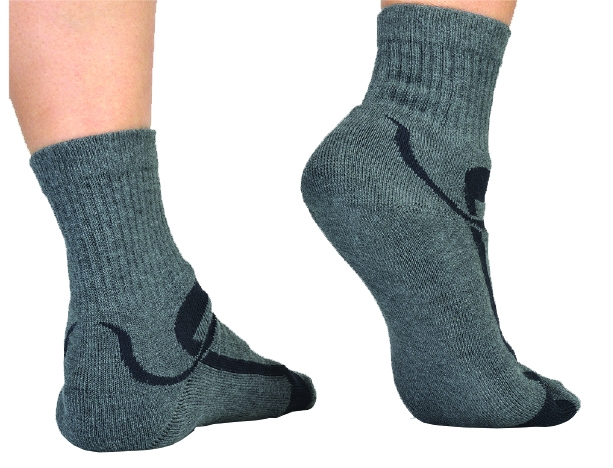
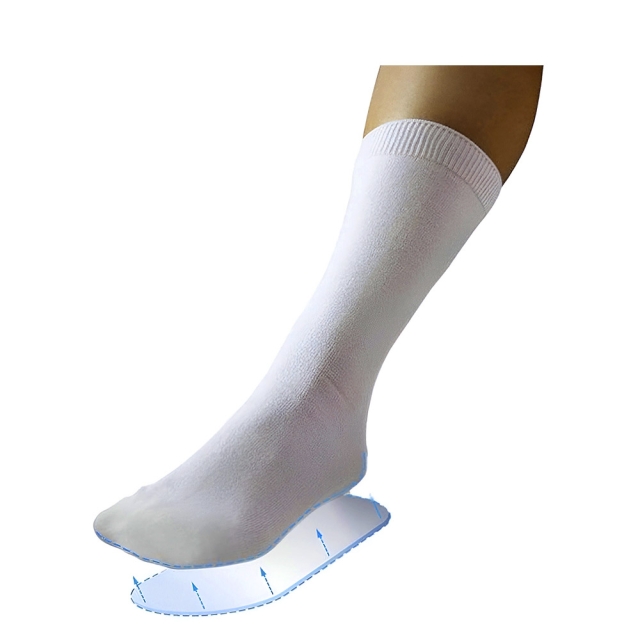
Technology is extending access. A wireless smart mat that compares plantar temperatures during a brief daily standing session predicted most ulcers around five weeks before clinical presentation and showed good user engagement Frykberg et al., 2017. Smart socks and insoles now combine temperature with pressure and wear-time to support earlier offloading in community settings Reyzelman et al., 2022.
What users say - adherence in the real world
Prevention depends on people measuring and responding. In the 2007 multicentre trial most participants in the temperature arm recorded measurements regularly across 15 months which aligned with markedly fewer recurrences Lavery et al., 2007.
With a smart mat, patients used the device several times per week on average and the system correctly identified most impending ulcers with a clinically useful lead time Frykberg et al., 2017. Smart wearable programmes have reported sustained utilisation over months which supports practicality outside controlled trials Reyzelman et al., 2022.
Step-by-step clinical guide
- Risk stratify - identify people with neuropathy, previous ulcer or amputation, foot deformity, Charcot changes or end stage kidney disease. Prioritise IWGDF risk 2-3 for daily self monitoring IWGDF 2023.
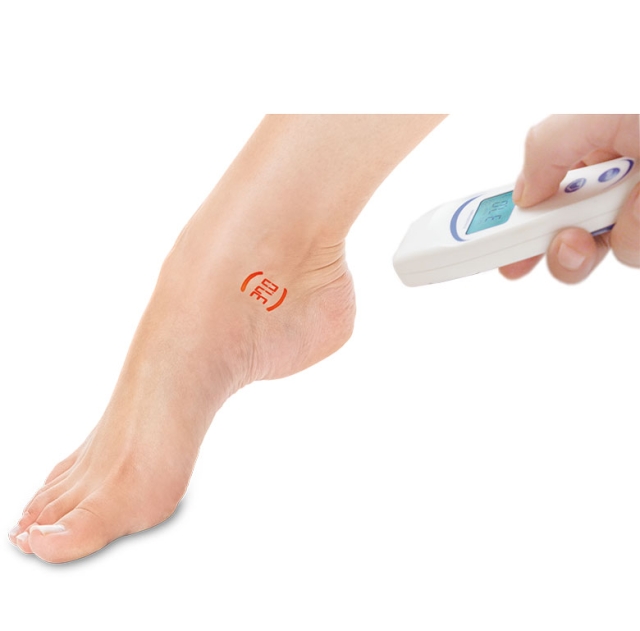
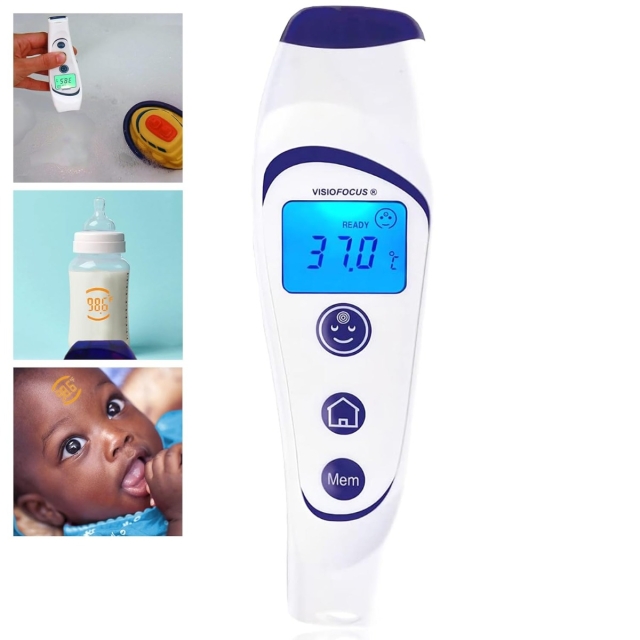
- Choose your method - handheld infrared thermometer for spot checks, infrared thermography for full-sole mapping in clinic, or remote systems like smart mats and socks for automated alerts at home. Reviews summarise the strengths and limitations of these options Faus Camarena et al., 2024.
- Set baseline sites - measure at least six plantar points per foot: hallux pulp, first to fifth metatarsal heads, midfoot if prominent and heel. Record mirror sites on both feet to compare. If the patient has only one foot use within-foot comparisons and ambient-adjusted thresholds validated for unilateral monitoring Lavery et al., 2019.
- Measure consistently - same time each day after removing footwear and socks for several minutes. Avoid immediate post-exercise measurements which can confound interpretation. Document readings in an app or chart.
- Use the 2.2 °C rule - if any site is ≥ 2.2 °C warmer than the corresponding site on the other foot treat it as a hotspot. Recheck within 24 hours to confirm persistence before escalating activity restrictions Armstrong & Lavery, 2007.
- Act early - reduce weight-bearing for 24-48 hours, review footwear or orthoses, add temporary offloading if indicated and repeat temperature checks the next day. If the temperature gap persists or there are additional signs such as redness or swelling refer to a foot protection service or multidisciplinary foot care team per NICE pathways NICE NG19.
- Document and escalate - recurrent hotspots at the same site or unilateral rises in amputees warrant targeted imaging and vascular assessment as appropriate. Coordinate with diabetology and vascular teams to address glycaemia and perfusion.
- Reinforce education - explain that temperature is a leading indicator and that acting quickly prevents ulcers and admissions. Integrate device alerts and adherence summaries into routine reviews.
At-a-glance comparison of temperature monitoring options
| Method | What it measures | Evidence highlights | Pros | Limitations | Best for |
|---|---|---|---|---|---|
| Handheld infrared thermometer | Spot skin temperature at predefined plantar sites compared between feet | Randomised trials show lower ulcer recurrence when patients reduce activity at a ≥ 2.2 °C difference Lavery et al., 2007 Armstrong & Lavery, 2007 | Low cost, easy to teach, immediate readings | Manual logging, technique sensitive, limited to discrete points | Motivated patients and clinic reviews |
| Infrared thermography camera | Thermal map of the entire plantar surface | Reviews support early detection of pre-ulcer states and localisation of hotspots Faus Camarena et al., 2024 | Rapid mapping, visual feedback, documents change | Ambient control and training needed, capital cost | Clinics that need imaging and research settings |
| Smart temperature mat | Automated bilateral plantar asymmetry during a short daily standing session | Predicted most ulcers about five weeks before presentation with good adherence Frykberg et al., 2017 | Passive use, remote alerts, adherence analytics | Device footprint, subscription costs, requires daily interaction | High-risk patients with ulcer history and telehealth programmes |
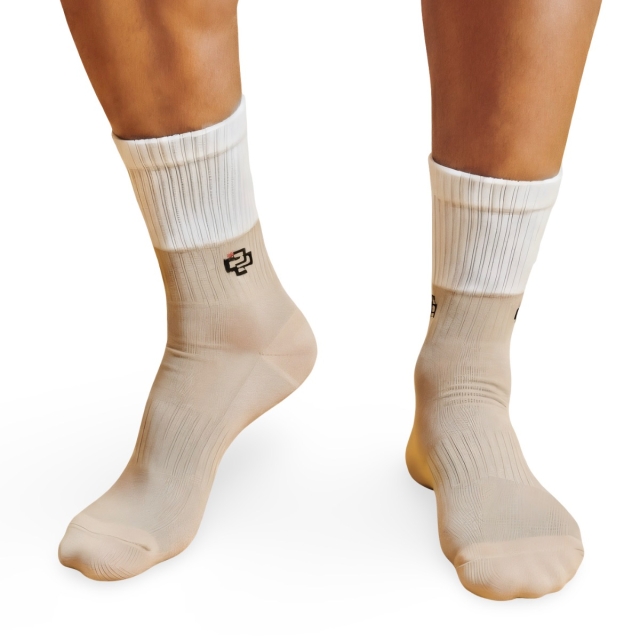
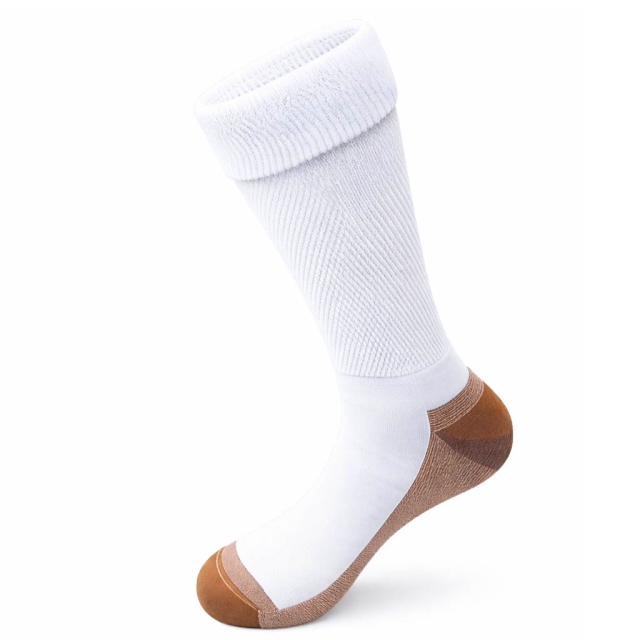
| Smart socks or insoles | Continuous plantar temperature with pressure, steps and wear-time | Remote monitoring programmes report sustained utilisation and timely prompts Reyzelman et al., 2022 | Continuous data, real-time prompts, supports adherence | Cost and device fit considerations, data management | Active users who value integrated feedback and dashboards |
Frequently asked questions
Why is 2.2 °C used as the alert threshold
Because this between-feet difference balanced sensitivity and specificity in early monitoring studies and was adopted in trials and guidance as a practical operational rule Armstrong & Lavery, 2007 IWGDF 2023.
Does a hotspot always mean infection
No. Most early hotspots reflect inflammatory load from repetitive mechanical stress. They should prompt rest, pressure reduction and reassessment. If redness, swelling or systemic features appear evaluate for infection or acute Charcot and escalate per local protocols.
How strong is the evidence that home monitoring prevents ulcers
Multiple randomised trials and a recent multicentre study show that adding daily thermometry to standard care reduces ulcer recurrence when people respond to alerts with reduced activity and offloading Lavery et al., 2004 Lavery et al., 2007 Bus et al., 2021.
What if the patient has only one foot
Unilateral methods compare multiple sites within the same foot and adjust for ambient temperature. This approach showed clinically useful prediction for future ulceration in a prospective study Lavery et al., 2019.
Is clinic thermography useful or just a research tool
It is a useful adjunct. Systematic reviews suggest infrared thermography can help identify pre-ulcer states and track complications although standardisation and ambient control remain important Faus Camarena et al., 2024.
How do UK services incorporate temperature monitoring
NICE NG19 describes the foot protection service in the community and the multidisciplinary foot care service in hospital which are ideal structures to embed temperature based surveillance and rapid escalation NICE NG19.
References and research sources
- Lavery LA, Higgins KR, Lanctot DR, et al. Home monitoring of foot skin temperatures to prevent ulceration. Diabetes Care. 2004. PubMed: 15504989
- Lavery LA, Higgins KR, Lanctot DR, et al. Preventing diabetic foot ulcer recurrence in high-risk patients. Diabetes Care. 2007. PubMed: 17192340
- Armstrong DG, Lavery LA. Monitoring neuropathic diabetic patients at home. Skin temperature monitoring reduces risk for ulceration. American Journal of Medicine. 2007. PubMed: 17602935
- Bus SA, Waaijman R, De Haart M, et al. Effectiveness of at-home skin temperature monitoring in reducing ulcer recurrence. BMJ Open Diabetes Research & Care. 2021. Article: e002392
- Frykberg RG, Gordon IL, Reyzelman A, et al. Feasibility and efficacy of a smart mat technology to predict development of diabetic plantar ulcers. Diabetes Care. 2017. Article: 973-980
- Lavery LA, Petersen BJ, Linders DR, et al. Unilateral remote temperature monitoring in persons with diabetes. BMJ Open Diabetes Research & Care. 2019. Article: e000696
- Faus Camarena M, Naranjo V, et al. Update on the use of infrared thermography in diabetic foot. Sensors. 2024. Article: MDPI Sensors
- Reyzelman AM, Murphy G, et al. Continuous temperature monitoring with a smart sock for prevention of recurrent foot ulcers. JMIR Formative Research. 2022. Article: e32934
- International Working Group on the Diabetic Foot. IWGDF Guidelines 2023. Site: iwgdfguidelines.org
- National Institute for Health and Care Excellence. NICE NG19 - Diabetic foot problems: prevention and management. Site: nice.org.uk
Related product category: Diabetic Footcare Products: pressure relief, protection and everyday monitoring
Author
Marc Cameron from Algeos. He writes on practical, evidence-based guides that help podiatrists and multidisciplinary teams translate research into everyday prevention.
Sold: Pair
Incl. VAT Exl. VAT