Algeos expands pressure-care portfolio through new Caversham partnership
Algeos has expanded its pressure-care portfolio through a new distribution partnership with Caversham®, making four specialist Class I medical devices available to healthcare professionals and care providers across the UK.
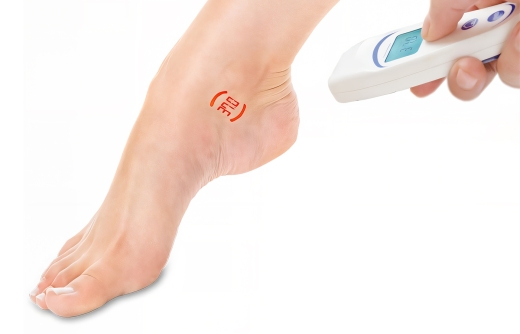
Foot temperature monitoring is the routine measurement of plantar skin temperature at standard sites to detect localised increases that suggest inflammation from repetitive mechanical stress or infection. In clinical studies and guidelines a left-to-right difference of ≥ 2.2 °C at corresponding sites is widely used as an action threshold.
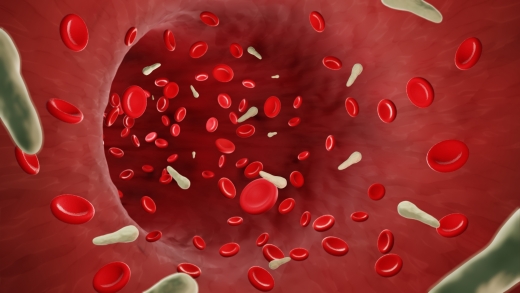
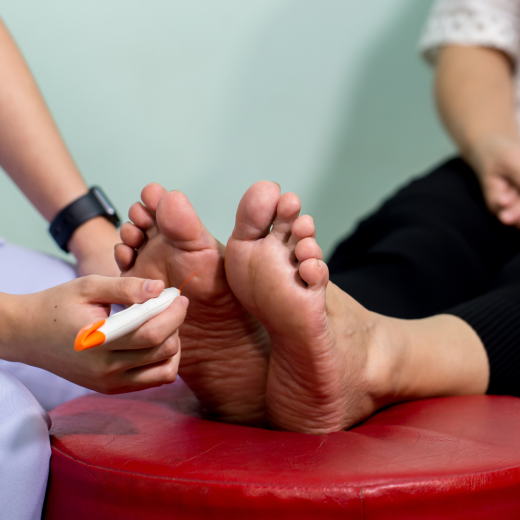
Diabetic patients face a higher risk of sepsis due to slow-healing wounds and infections. Early detection through neuropathy testing and using off-loading cushions or advanced insoles like Levabo Heel Up can prevent ulcers from turning into severe infections. Proper foot care, daily inspections, and hygiene are crucial.
On World Sepsis Day, let’s focus on protecting diabetic patients through proactive care and education to reduce the risk of life-threatening sepsis.
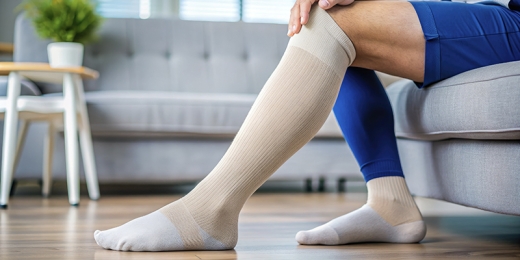
While it’s not mandatory for all diabetics to wear diabetic socks, it is highly recommended for those with existing foot complications or a high risk of developing them. Diabetic socks provide preventive care, comfort, and protection, making them suitable for daily wear, especially during activities that put stress on the feet.
Diabetes is a chronic condition that affects millions worldwide. One of the lesser-known but significant complications of diabetes is the development of foot problems. Diabetic foot conditions can lead to severe consequences, including amputation if not properly managed.