





Prevalence of Diabetic Foot Ulcers
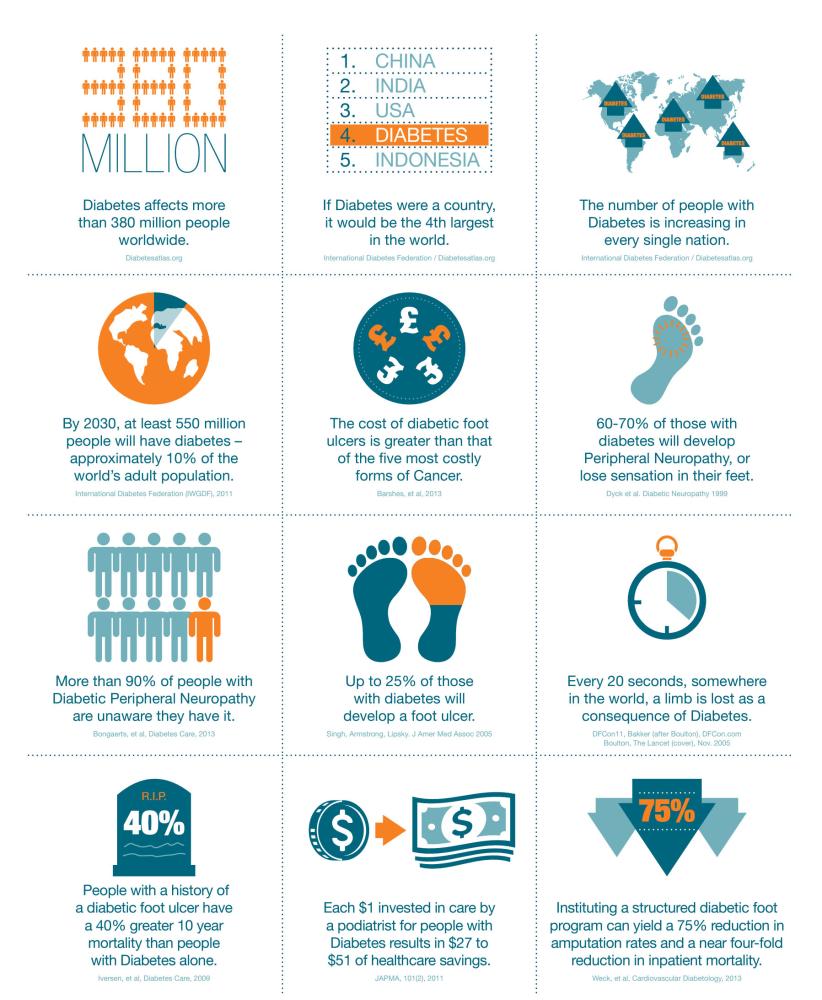
Diabetic foot ulcers (DFUs) are a common complication among individuals with diabetes. Approximately 19% to 34% of people with diabetes will develop a DFU in their lifetime. This high prevalence underscores the critical need for effective preventive measures and management strategies.
Risk of Amputation
The development of a DFU significantly increases the risk of lower-extremity amputation. About 20% of individuals with a DFU will require an amputation, which can be classified as minor (below the ankle) or major (above the ankle). This highlights the severe consequences of diabetic foot complications and the importance of early intervention.
Mortality Rates
The prognosis following a DFU or subsequent amputation is often poor. Studies indicate that up to 50% of individuals with a DFU die within five years of developing the ulcer. This mortality rate is comparable to - or even exceeds, that of many common cancers. Such alarming statistics emphasise the critical need for comprehensive diabetic foot care.
Economic Impact
The financial burden associated with diabetic foot complications is substantial. In the United States, the annual cost for treating DFUs is estimated to be between $9 billion and $13 billion, in addition to the costs associated with diabetes management itself. These expenses stem from prolonged hospitalisations, surgical procedures, rehabilitation and long-term care, placing a significant strain on healthcare resources.
Global Disparities
The impact of diabetic foot complications varies worldwide, with higher prevalence rates observed in low- and middle-income countries. Factors such as limited access to healthcare, lack of awareness, and insufficient training for healthcare professionals contribute to these disparities. For instance, the International Diabetes Federation reports higher levels of diabetic peripheral neuropathy in the Africa and South and Central America regions. Addressing these inequalities is crucial for global health improvement.
Prevention and Management Strategies
- Regular Screening: Early detection of peripheral neuropathy and peripheral arterial disease is vital. Routine foot examinations can identify risk factors before they lead to ulcers.
- Patient Education: Educating individuals with diabetes about proper foot care, including daily inspections, appropriate footwear, and maintaining good glycaemic control, can significantly reduce the risk of complications.
- Multidisciplinary Care: Involving a team of healthcare professionals, such as podiatrists, endocrinologists and vascular surgeons, ensures comprehensive management of diabetic foot issues.
- Advanced Therapies: Utilising treatments like total contact casting, which redistributes pressure away from ulcers, and antimicrobial photodynamic therapy, which targets resistant infections can enhance healing outcomes.
How GPs, Podiatrists and First-Line Healthcare Professionals Can Help Prevent the Diabetic Foot Crisis
1. Routine Screening and Early Detection
Early identification of risk factors for diabetic foot complications is critical. First-line healthcare professionals are often the first point of contact for individuals with diabetes and are uniquely positioned to detect problems before they escalate.
- GPs: During routine diabetes check-ups, GPs should examine the feet for signs of neuropathy, poor circulation, or early wounds.
- Podiatrists: Conduct comprehensive foot assessments, including vascular and neurological examinations to assess risks more thoroughly.
- Other Professionals: Practice nurses, physiotherapists, and pharmacists can be trained to perform basic foot screenings, ensuring all patients with diabetes receive regular foot checks.
Key Tip: Develop and implement standardised foot screening protocols in primary care settings to ensure consistent and effective assessments.
2. Patient Education and Empowerment
Educating patients about the importance of foot care can significantly reduce the risk of complications. GPs, podiatrists, and other professionals should provide clear, practical advice to help patients take control of their foot health.
- Daily Inspections: Teach patients to inspect their feet daily for cuts, blisters, or other abnormalities and to seek prompt medical attention if they notice any issues.
- Footwear Advice: Emphasise the importance of wearing well-fitted, protective shoes and adequate diabetic socks to prevent pressure points and injuries.
- Blood Sugar Control: GPs can reinforce the link between blood sugar levels and the risk of diabetic complications.
Key Tip: Use visual aids, leaflets, and digital tools to make educational messages more accessible and memorable for patients.
3. Multidisciplinary Team Approach
Collaboration among healthcare professionals is essential to provide comprehensive care for individuals with diabetes. A multidisciplinary team can address all aspects of diabetic foot care, from prevention to treatment.
- GPs: Serve as the central coordinators, referring patients to podiatrists, diabetes specialists, or vascular surgeons as needed.
- Podiatrists: Focus on preventive care, minor treatments (e.g., callus removal), and managing early-stage ulcers.
- Diabetes Specialists: Help optimise blood sugar control and address systemic complications that may contribute to foot issues.
- Wound Care Nurses: Play a crucial role in managing diabetic foot ulcers with advanced dressings and therapies.
- Vascular Surgeons: Intervene in cases of severe peripheral arterial disease to restore blood flow and improve healing.
Key Tip: Establish clear referral pathways and communication channels among team members to ensure seamless patient care.
4. Prevention and Treatment Innovations
Healthcare professionals should stay informed about the latest advancements in diabetic foot care, incorporating evidence-based solutions into their practice.
- Pressure-Relieving Devices: Offloading devices such as total contact casts or specialised diabetic insoles can prevent and treat ulcers effectively.
- Antimicrobial Therapies: New wound dressings and antimicrobial treatments can address infections that often complicate diabetic foot ulcers.
- Telemedicine: Virtual consultations enable frequent monitoring of at-risk patients, reducing the need for in-person visits while ensuring timely interventions.
Key Tip: Advocate for funding and access to these innovative solutions, particularly in low-resource settings.
5. Raising Awareness and Advocating for Resources
First-line healthcare professionals can also influence policy and public awareness to combat the diabetic foot crisis on a larger scale.
- Community Campaigns: Collaborate with local organisations to promote foot health awareness in at-risk populations.
- Professional Training: Advocate for increased training opportunities to equip all healthcare providers with the skills needed to address diabetic foot complications.
- Resource Allocation: Work with policymakers to secure funding for essential services, including podiatry clinics and wound care centres.
Key Tip: Use national awareness days, such as World Diabetes Day, to amplify educational efforts and reach a broader audience.
GPs, podiatrists, and other first-line healthcare professionals are at the forefront of the fight against the diabetic foot crisis. By integrating routine screening, patient education, multidisciplinary care, and innovative solutions into their practice, they can significantly reduce the burden of diabetic foot complications. Through collaboration, advocacy, and proactive care, healthcare providers can help prevent unnecessary suffering and improve the lives of individuals with diabetes.
Algeos is at the forefront of supporting professionals and patients with diabetes. We offer 100s of solutions for prevention, diagnosis, edcuation and general diabetic foot and lower limb health. Your view all our solutions for diabetic foot care here.





Sold: Sold per Pair
Incl. VAT Exl. VAT