




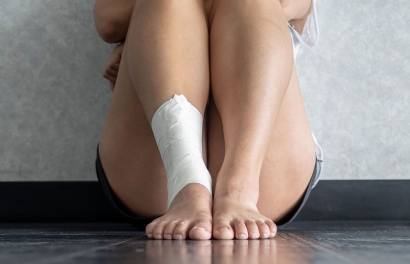
How to use zinc oxide tape: practical advice for physios and patients
Zinc oxide tape is useful when a joint needs a little more control than an elastic support can offer. The difference between helpful strapping and an uncomfortable one usually comes down to assessment, positioning and how the tape is applied.
Here is a straightforward approach to using it safely, including an ankle taping example and the checks I would want anyone using rigid tape to understand.

How does zinc oxide tape work?
The tape acts as an external restraint. When strips are placed in a suitable pattern - they can reduce the range or speed of a movement that stresses healing tissue. For a recovering lateral ankle sprain, that might mean limiting excessive inward rolling of the foot.
It is support rather than treatment in its own right. The 2021 ankle sprain clinical practice guideline recommends appropriate external support alongside progressive weight-bearing and exercise. It also cautions against using taping or bracing as the only intervention for chronic ankle instability.

When is it worth using?
Think first about the movement you want to control. Rigid tape is often useful for short-term ankle support during a graded return to sport, for protection around selected finger or wrist injuries and for supporting the foot's arch. A specific foot pattern - such as Low-Dye taping, may temporarily ease plantar heel symptoms while a fuller treatment plan takes effect.
It is less useful when the main aim is comfortable compression, when swelling is changing rapidly or when somebody needs a support they can remove and refit independently. In those situations, an appropriately fitted brace or another type of tape may be preferable. See the Algeos physio tape range for the available options.
Before you reach for a roll: Do not strap a suspected fracture, a severely swollen joint or an injury associated with deformity or inability to bear weight instead of arranging assessment. NHS guidance explains when a sprain needs urgent help.
How to apply zinc oxide tape: an ankle example
This is a basic stirrup-based method for an ankle already assessed as suitable for strapping. It is a teaching outline, not an instruction to self-treat a new injury. More complex figure-of-eight and heel-lock techniques are best demonstrated in person.
- Check suitability and skin. Ask about adhesive reactions, altered sensation and circulation problems. Avoid broken skin, active eczema, infection and fragile skin. Explain what the support should feel like.
- Prepare the area. Clean and dry the ankle. Remove moisturiser and trim excess hair if necessary. Consider protective pads or underwrap over the front of the ankle and Achilles region where friction is likely.
- Position the foot. Sit the patient with the ankle held comfortably at approximately 90 degrees to the leg, not rolled in or out. Keep that position throughout application.
- Apply gentle anchors. Place separate strips around the lower leg above the ankle bones to receive the supporting strips. Lay each strip down rather than winding it tightly around the limb.
- Add the stirrups. Start on the inner side of the lower-leg anchor, pass the tape down under the heel and finish on the outer side. Apply two further overlapping stirrups where indicated, smoothing each one flat.
- Finish and reassess. Secure loose ends without adding tight circular layers. Check toe colour, warmth and sensation. Ask the person to stand and walk a few steps if appropriate. The support should feel secure without pinching or new pain.
For a fully illustrated ankle sequence including figure-of-eight and heel-lock steps, use the American Orthopaedic Foot & Ankle Society guide. Patients should have their own technique demonstrated before repeating it at home.
What about the foot, wrist and fingers?
Do not simply copy the ankle pattern onto another area. Arch strapping works through a different set of forces and finger techniques require careful assessment of the injured structure. For plantar heel pain, the Royal Orthopaedic Hospital Low-Dye guide provides a clear illustrated method.
For wrist and finger support, the priority is preserving useful function while protecting the particular movement that causes trouble. A painful finger after a fall or a wrist with marked swelling deserves assessment before taping. Narrower strips may improve precision but extra layers do not automatically improve support.


What users say and what clinicians should listen for
People often describe a well-taped ankle as feeling more secure, particularly during changes of direction. That perceived confidence can be useful but it does not prove the ligament is ready for match play. I would pay just as much attention to comments about rubbing inside a shoe, a crease at the front of the ankle or toes that feel different.
The aim is not to make the joint feel locked solid. Ask whether walking feels natural, whether symptoms change after a few minutes and whether the tape stays comfortable as the person warms up. If not, remove it and reconsider the technique or the support choice.
Zinc oxide tape versus other supports
| Option | Best use | Main limitation |
|---|---|---|
| Rigid zinc oxide tape | Targeted short-term movement control | Application skill and adhesive-related skin problems |
| Kinesiology tape | Flexible taping with movement | Does not provide equivalent rigid restraint |
| Elastic adhesive bandage | Flexible wraparound strapping | Can create excess compression |
| Ankle brace | Reusable support for repeated activity | Fit, footwear space and comfort vary |
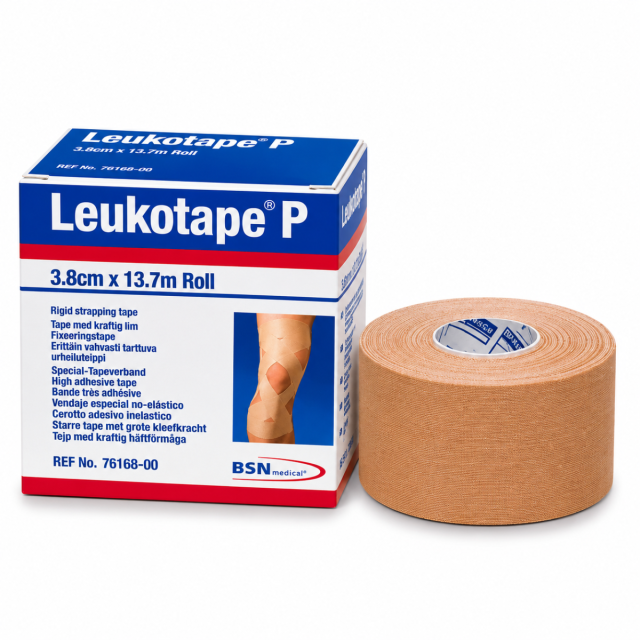
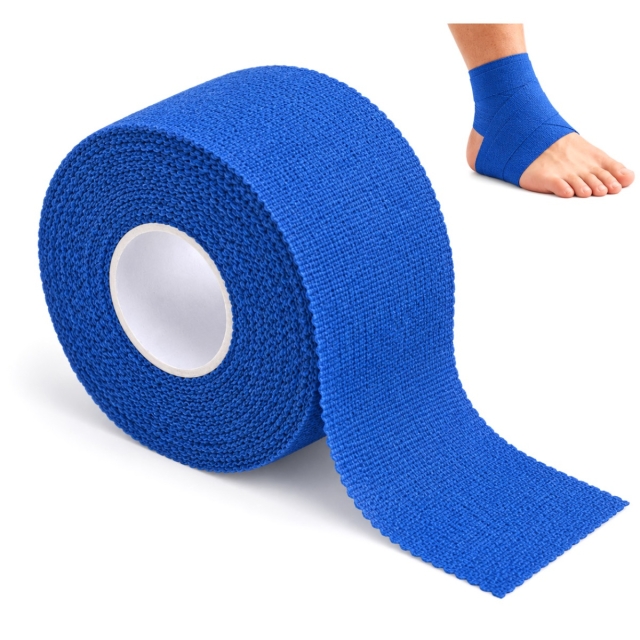
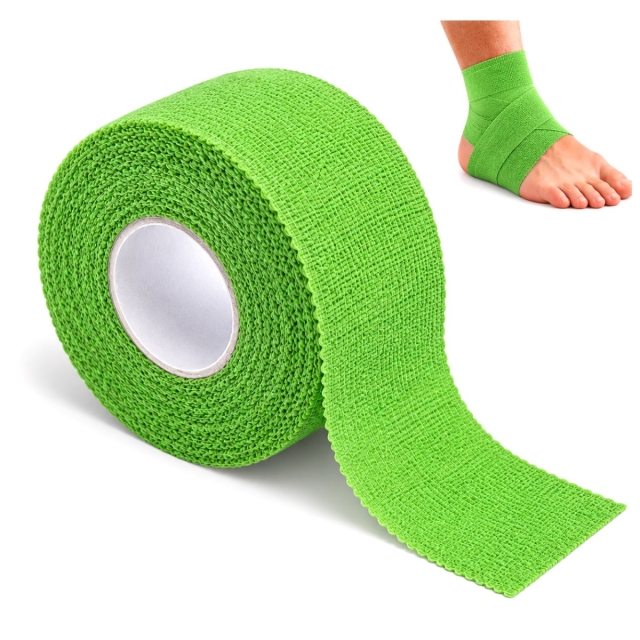
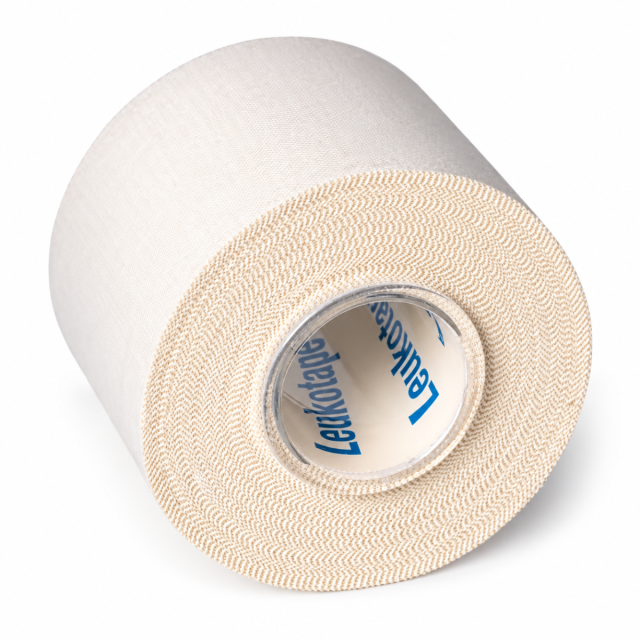
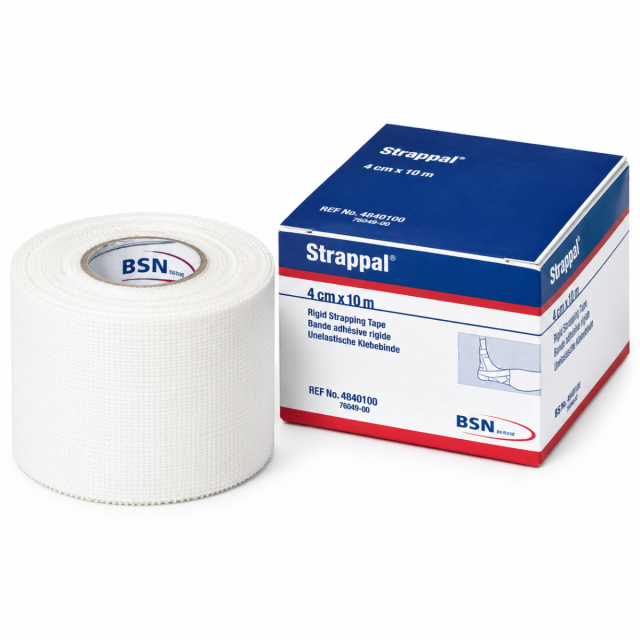
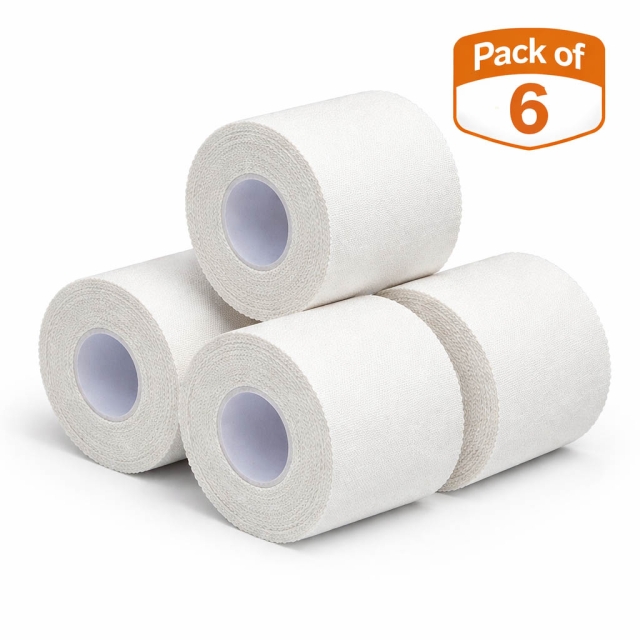
For tape selection, compare Physioworx zinc oxide tape, Strappal and the wider zinc tape collection. Select a width and adhesive suited to the patient rather than assuming one roll suits every joint.
When to remove zinc oxide tape
Remove it immediately if there is tingling, numbness, throbbing, coldness, discolouration, worsening pain or itching. For ordinary sports strapping, remove it after the intended activity unless the treating clinician has given different instructions. Some prescribed foot-strapping protocols allow several days of wear, so duration depends on the technique and skin response.
Support the skin with one hand and peel the tape back slowly and close to the surface, preferably with hair growth. A suitable adhesive remover can help. Inspect for redness, blistering or skin stripping afterwards and allow irritated skin to recover before retaping.
Frequently asked questions
How tight should zinc oxide tape be?
Firm enough to support the intended movement but never tight enough to cause pain, swelling, altered sensation or colour change.
Can I apply zinc oxide tape myself?
Yes, for a technique you have been taught and can check safely. A new injury or unfamiliar joint should be assessed first.
Can I leave zinc oxide tape on overnight?
Remove activity-related strapping unless a clinician specifically recommends longer wear. Swelling and pressure may change while you sleep.
Can zinc oxide tape help plantar fasciitis?
Low-Dye foot strapping may provide temporary symptom relief. It works best alongside advice on loading, footwear and rehabilitation.
Does zinc oxide tape go directly on a blister?
No. Do not place rigid sports tape directly onto an open blister or wound. Use an appropriate dressing and protect surrounding skin.
Is hypoallergenic tape safe for everyone?
No adhesive is reaction-proof. Stop using tape if a rash, burning or persistent itching develops and seek advice if symptoms continue.
References and further reading
- Martin RL et al. Lateral ankle ligament sprains: clinical practice guidelines. JOSPT, 2021.
- NHS. Sprains and strains.
- American Orthopaedic Foot & Ankle Society. How to tape an ankle.
- Royal Orthopaedic Hospital. Low-Dye taping for plantar heel pain.
- Guy's and St Thomas' NHS Foundation Trust. High-Dye strapping for feet.
- NHS. Contact dermatitis.


Sold: 13.7 m
Incl. VAT Exl. VAT