



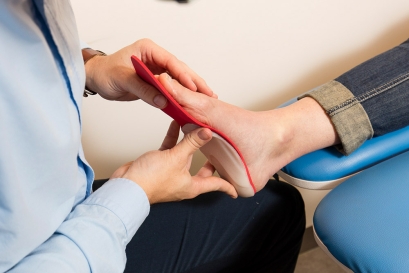
Foot Orthotics have been used for the management of lower-limb and foot pathologies since the 19th century. Clinical studies have shown that Orthotic devices encourage the normal function of the foot by dissipating kinetic forces during the stance phase of gait.
Foot Orthotic Types
The most commonly used types of foot Orthotics in clinical settings are: simple Insoles, custom-made and prefabricated or semi-bespoke Orthotics.
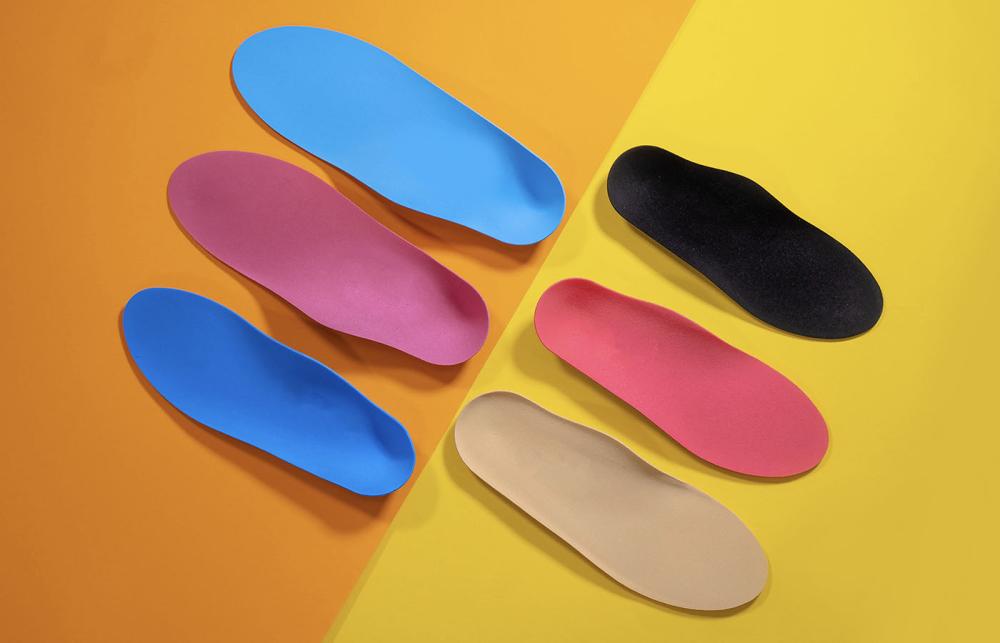
Simple Insoles are manufactured using a multi-layered approach, starting with a base, mid layer components and covering materials mainly using open and closed cell polyurethanes as well as leathers and viscoelastic polymers which provide local cushioning and minimal mechanical correction.
Custom-made foot Orthotics are devices manufactured from a foot impression either utilising traditional plaster of Paris casts or different scanning techniques. Devices are traditionally manufactured using more rigid materials such as Polypropylene or various densities of Ethylene Vinyl Acetate (EVA) which provide pressure relief as well as more mechanical correction.
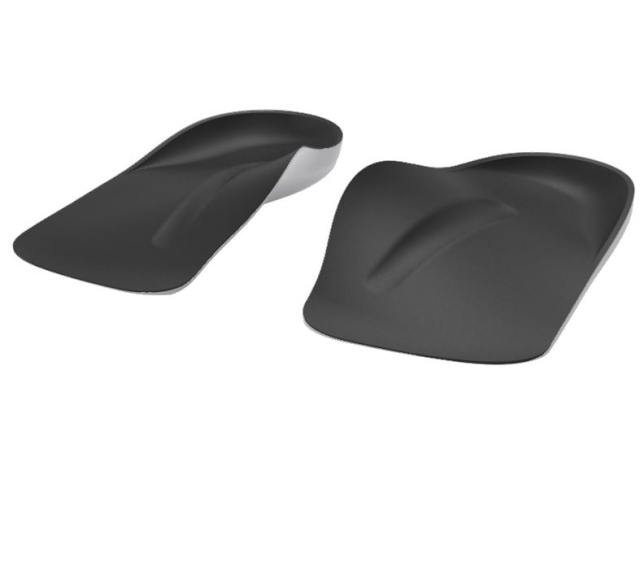
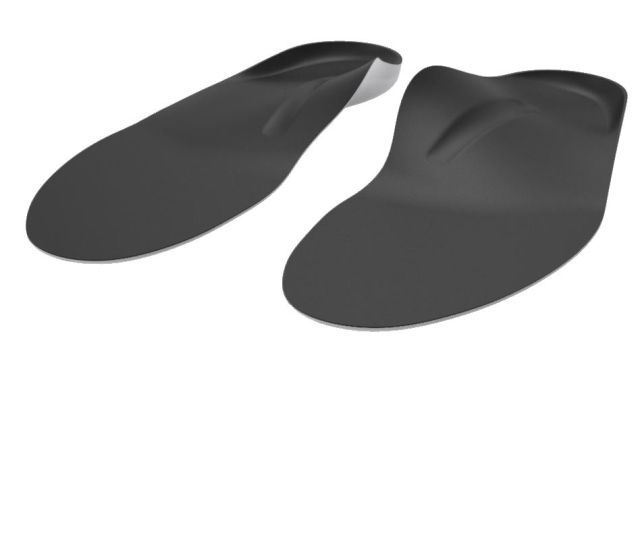
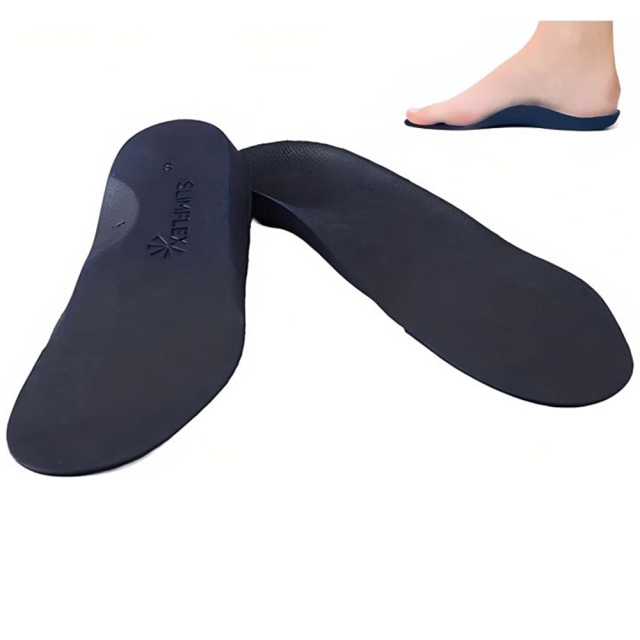
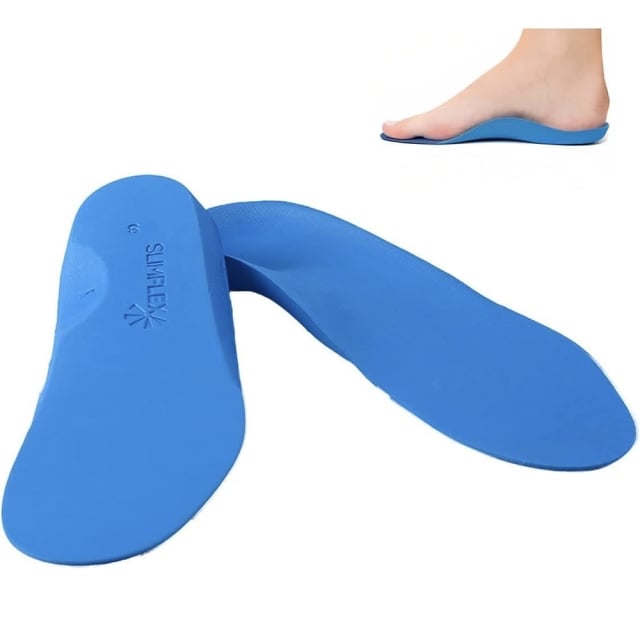
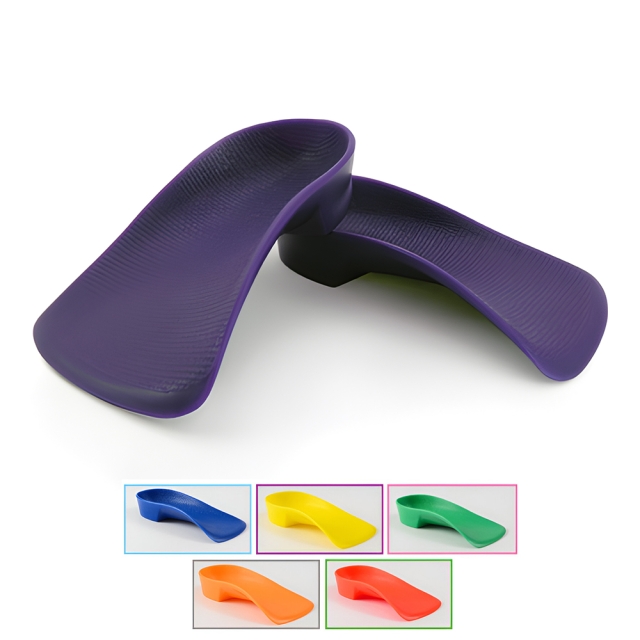
Prefabricated or Semi-bespoke Orthotics are non-custom devices designed to provide a neutral base offering a standard degree of support, although they are not significantly corrective on their own.
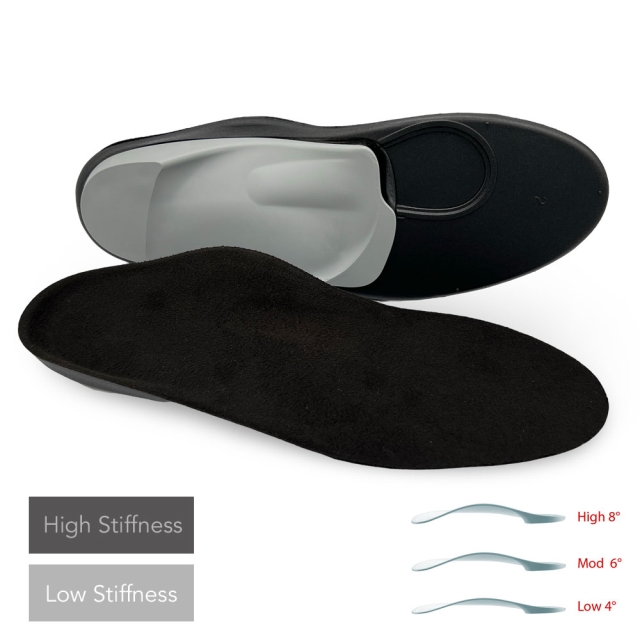
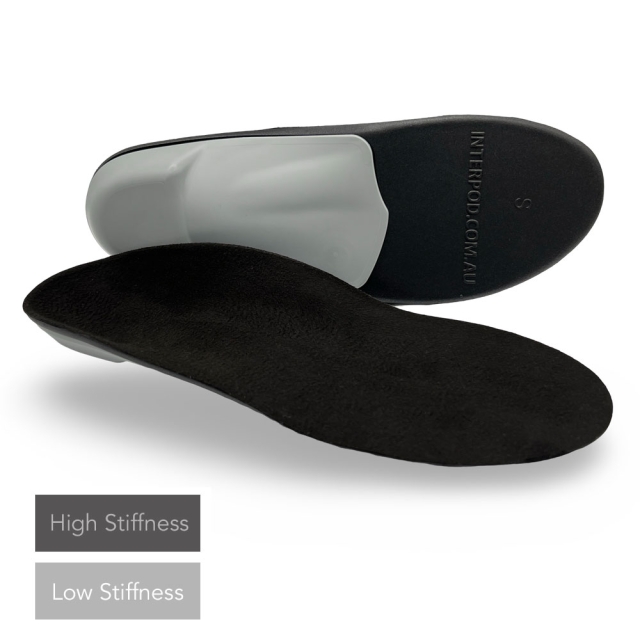
Prefabricated Finshed Devices such as Interpod includes intrinsic posting based on biomechanical, laboratory and clinical experience for an immediate, non-invasive, research-supported treatment.
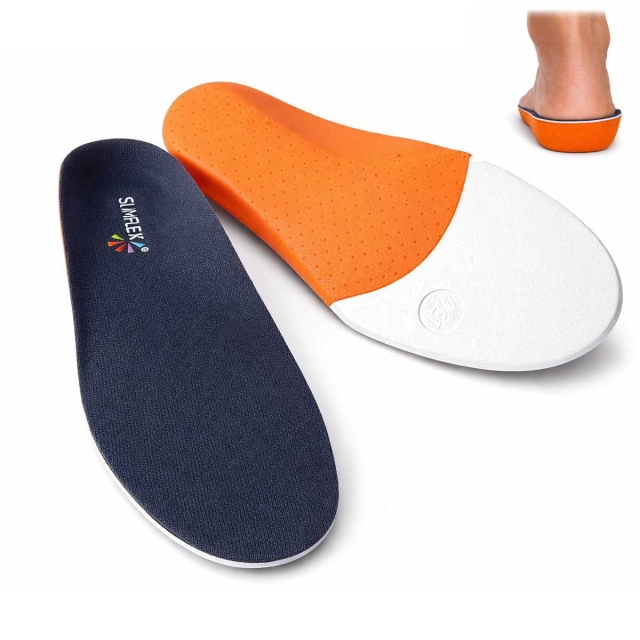
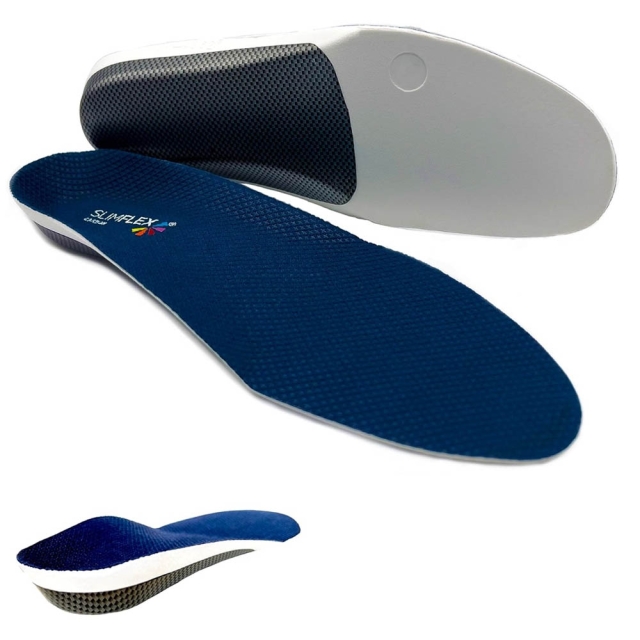
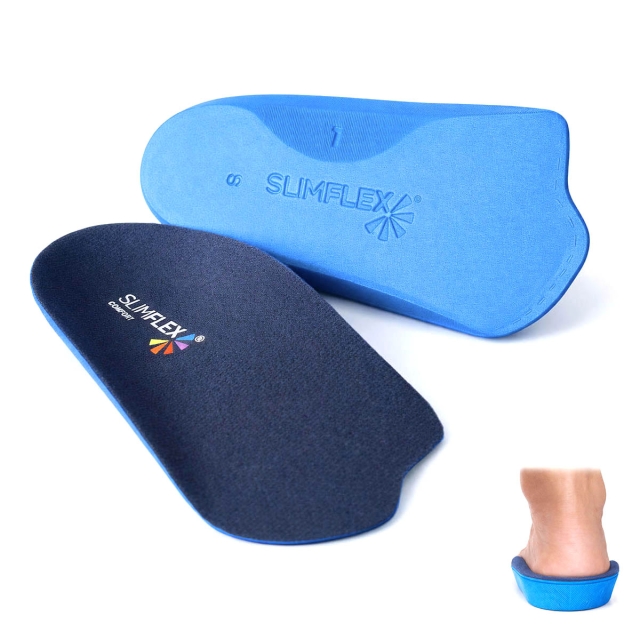
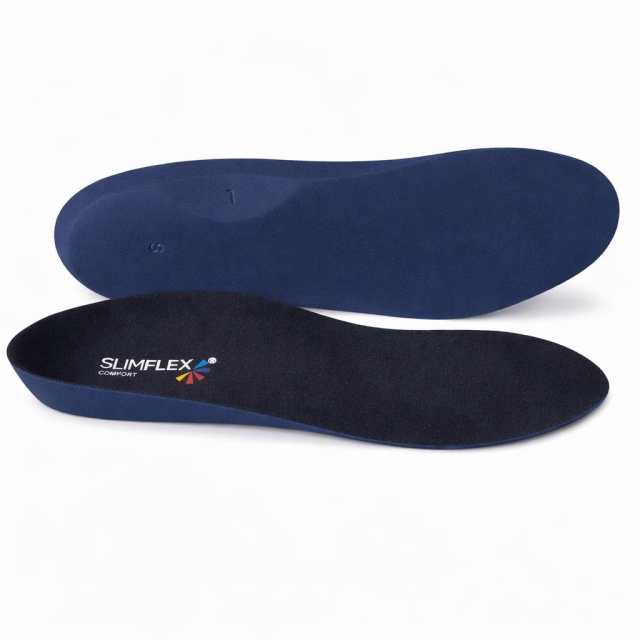
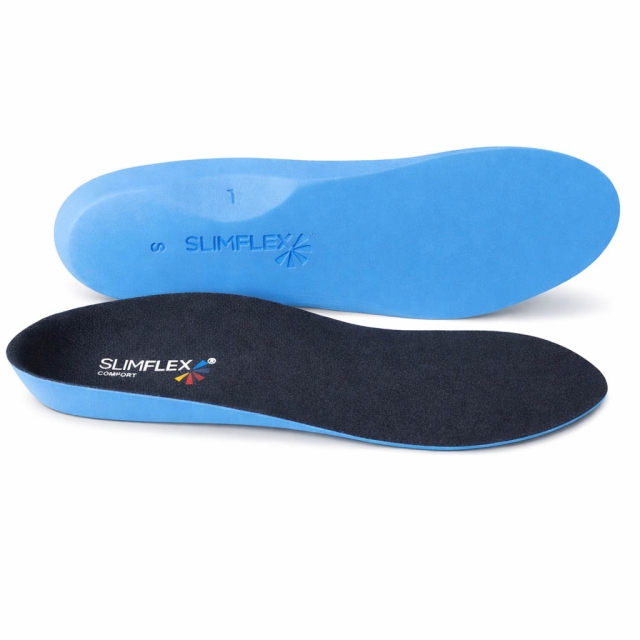
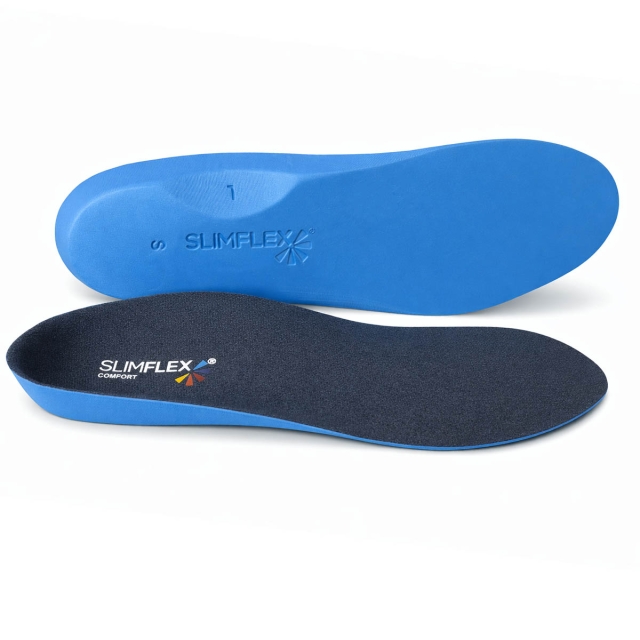
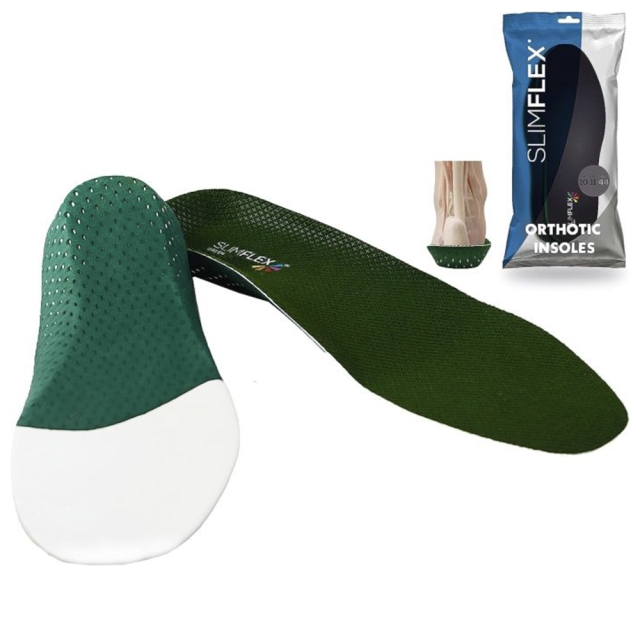
Orthotic Insoles provide moderate support and foot cradling to help prevent pronation and supination while providing comfort. Many of the inserts listed can be modified by clinicians providing additional functional control.
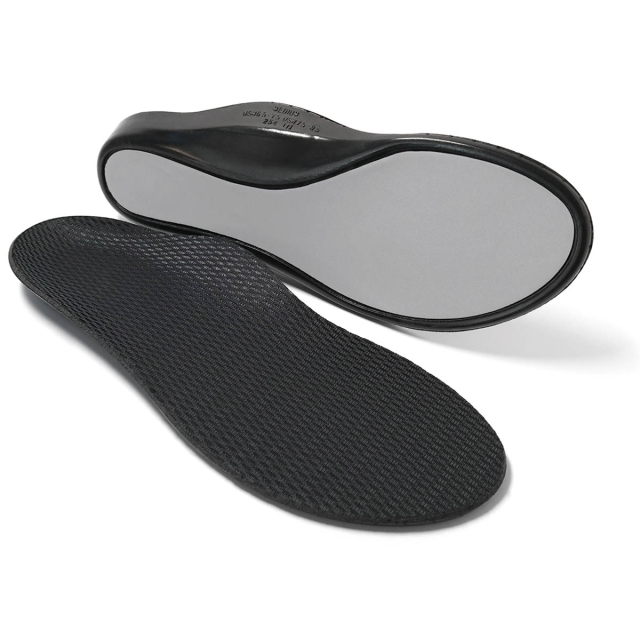
Diabetic or Memory Foam Insoles provide full cushioning that help relieve pressure and prevent pressure or fridtion related foot problems such as ulcers or calluses.
When are custom orthotics required?
An orthotic corrective device worn that can help the muscles, tendons and bones function at their highest potential. Custom-made orthotics are manufactured from a 3D image of your body part using casting materials or 3D scanning devices.
When appropriately prescribed to treat a medical condition and custom-made, orthotics can decrease pain in parts of the body, such as your knees, hips and lower back.
Are orthotics free on NHS?
The NHS provides access to foot orthotics for those with medically diagnosed foot problems. However, the process can take time due to waiting lists and the need for assessment by a healthcare professional.
Here is an outline of how foot orthotic treatment works within the NHS:
- Referral to a Specialist: The first step is usually to visit your GP if you or your child are experiencing foot pain or discomfort. The GP may perform an initial examination and, if needed, refer you to a podiatrist or orthotist. In some cases, you may be referred to an orthopaedic consultant if surgery is a potential option.
- Initial Assessment: Once referred, the podiatrist or orthotist will conduct a thorough assessment. This may include a physical examination, gait analysis (the way you walk) and possibly imaging tests like X-rays or scans. The goal is to determine the underlying issue and whether orthotics are appropriate.
- Prescription and Fitting: If orthotics are deemed necessary, the specialist may recommend either custom-made or pre-fabricated orthotics. For custom orthotics, measurements or casts of the feet will be taken. The orthotics may take several weeks to be produced. For pre-fabricated orthotics, you may receive them immediately or soon after the appointment.
- Follow-Up and Adjustments: After receiving the orthotics, you will likely need follow-up appointments to ensure they are working as intended. Adjustments might be necessary if there is any discomfort or if the orthotics are not providing the expected results.
Long-term orthotic treatment on the NHS
Once foot orthotics are prescribed and fitted, the journey doesn’t end there. Long-term management is crucial to ensure the continued effectiveness of the treatment. Here’s how it typically works within the NHS:
- Regular Reviews: Patients are encouraged to attend follow-up appointments, especially during the initial phase after receiving orthotics. These reviews help the specialist assess whether the orthotics are making the desired changes in gait and foot posture.
- Reassessments: As children grow or if an adult’s foot condition evolves, reassessments are necessary. The NHS may periodically offer re-evaluations to determine if new orthotics are required. For instance, children’s foot needs change as they grow, often necessitating new orthotics to accommodate growth and changing biomechanics.
- Replacing Orthotics: Orthotics, especially those that are custom-made, have a lifespan, and regular replacement may be required. Pre-fabricated orthotics may last 6 months to a year, depending on usage and wear. Custom orthotics tend to last longer but still require monitoring for signs of wear and tear.
- Managing Chronic Conditions: For chronic conditions like arthritis, diabetes, or long-term postural issues, ongoing orthotic use is typically necessary. The NHS provides long-term management plans, which may include periodic reviews, replacement orthotics, and even additional therapies like physiotherapy or podiatric interventions.
- Self-Management: Patients are encouraged to monitor their foot health at home. This includes ensuring the orthotics fit properly in footwear, checking for signs of wear, and paying attention to any changes in foot pain or discomfort. Regular foot care, such as moisturising and checking for pressure points, is especially important for diabetic patients.
NHS waiting times and considerations
One of the common challenges faced by those seeking orthotics via the NHS is waiting times. Due to the high demand for podiatry services, there can often be long delays in getting an appointment or receiving custom-made orthotics.
Patients may experience a waiting period from several weeks to months for an initial appointment or orthotic fitting.
For those who require faster relief, purchasing off-the-shelf orthotics from trusted suppliers, such as Algeos, can be an option while waiting for a custom device. These can offer temporary support, especially for more general foot conditions like mild overpronation or flat feet.

What to Expect During your Assessment
During your assessment and examination, your provider observes:
- Your overall posture.
- The structure, alignment, strength and range of motion of your legs, hips and feet.
- Your presenting symptoms and condition.
- Your lifestyle including job, hobbies and overall health.
During a gait analysis, your provider observes how you walk - identifying any existing accommodations or abnormalities. Based on your assessment, your provider discusses your treatment options and explains how the treatment will help meet your specific needs.
Importance of foot orthotics for foot health
Foot orthotics play a vital role in improving foot function, reducing pain, and promoting long-term health. Whether accessed through the NHS or purchased privately, they offer a significant benefit to patients with a range of foot conditions.
The NHS provides a comprehensive pathway for diagnosing and treating foot issues, though long-term management and self-care are essential for ongoing success.
Orthotic care is a collaborative process involving the patient, podiatrist, or orthotist. By following NHS guidance, attending regular reviews, and maintaining good foot health practices, individuals can manage their foot conditions effectively and enjoy better mobility and comfort in the long term.
Related Product Groups on Algeos.com
|
Algeos full range for you to view by category. |
Insoles for diabetics and arthritic patients. |
For flat feet and people requiring robust foot support. |
Insoles for children and young adults. |
|
NHS-supplied orthotic insoles designed for versatile chairside fitting. |
Prefabricated orthotics range trusted by clinicians for broad conditions. |
Thermo-mouldable semi-bespoke orthotics designed to mimic custom devices. |
Gel cushioning insoles for shock absorption, comfort and everyday pain relief. |
|
Heel raises and lifts for Achilles pain, calf strain and leg length discrepancy. |
Insoles and orthotic options focused on arch support and heel pain reduction. |
Pressure-relieving memory foam insoles for comfort and sensitive feet support. |
Top covers and linings to improve comfort, durability and in-shoe feel. |
|
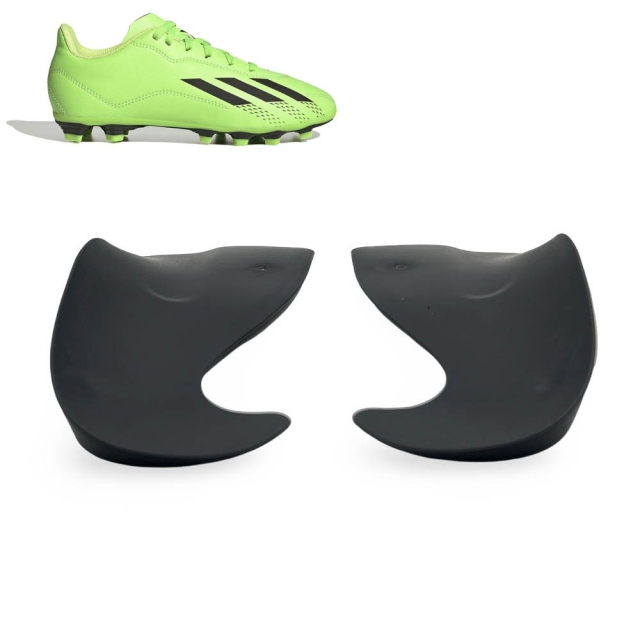
Semi-Bespoke Orthotics & Shells Orthotic shells designed for semi-bespoke builds and clinical customisation. |
Wedges and posts for modifying orthoses and refining alignment and control. |
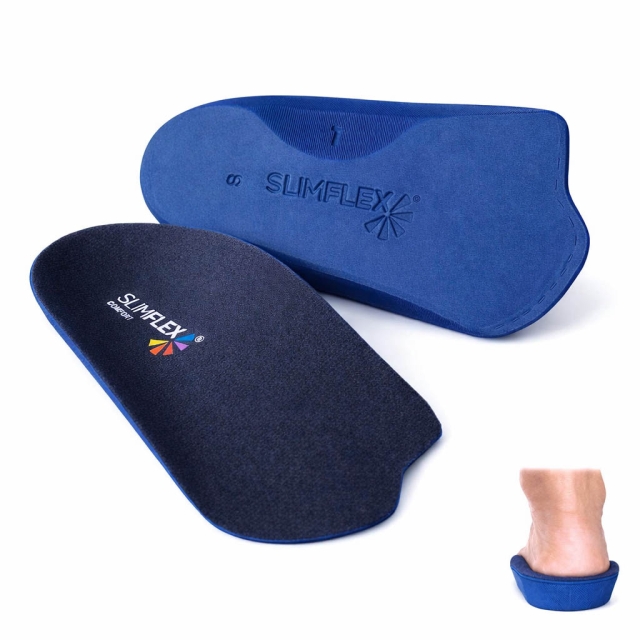
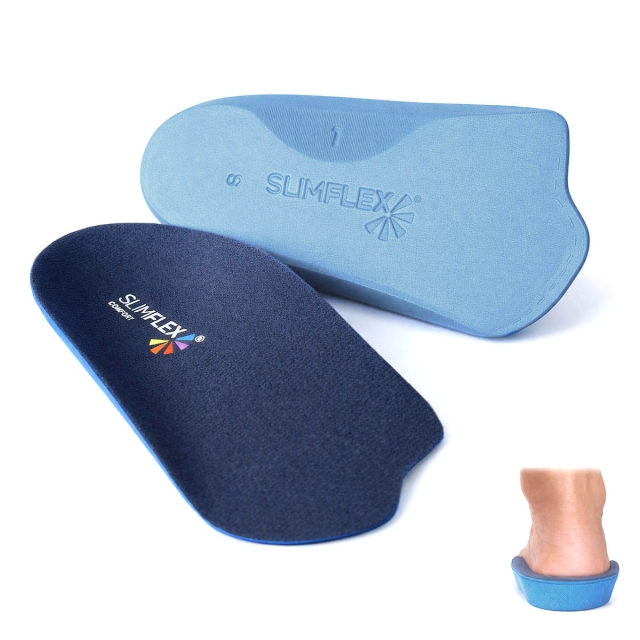
Heel cushioning and heel spur solutions for targeted shock absorption. |
Heel raise additions for orthotic adaptations and plantar loading management. |
Sold: Sold per Pair
Incl. VAT Exl. VAT