




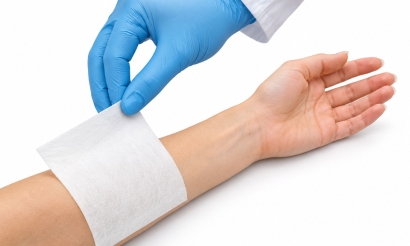
Foam, Alginate or Hydrocolloid?
Choosing the right wound dressing is not simply about absorbency. Foam, alginate and hydrocolloid dressings manage fluid differently and selecting the wrong material can leave a wound too wet or too dry. Understanding these differences helps clinicians maintain a healing environment while improving comfort and protecting surrounding skin.
What Is Moisture Management in Wound Care?
Moisture management is the process of maintaining sufficient hydration at the wound surface while controlling excess wound fluid, known as exudate. Effective management supports tissue repair and reduces the risk of maceration, dressing adhesion and damage to surrounding skin.
The objective is balance rather than maximum absorption. A dressing must handle fluid without removing moisture needed for healing. NICE recognises this principle in its guidance on advanced wound dressings.
Why Moisture Balance Matters
Wound exudate contains water, proteins, immune cells and substances involved in tissue repair. In appropriate quantities it supports the wound environment. Excess fluid, however, can contribute to maceration and damage fragile surrounding skin.
Insufficient moisture can cause dressings to adhere, increase discomfort during removal and interfere with wound healing.
Clinical selection therefore considers three functions:
- Absorption: removing excess fluid from the wound surface.
- Retention: keeping absorbed fluid within the dressing to minimise leakage.
- Hydration: preserving or supplying moisture where tissue is too dry.
These properties vary between dressing categories and individual products. Fluid handling can also change under compression or when dressings become saturated.
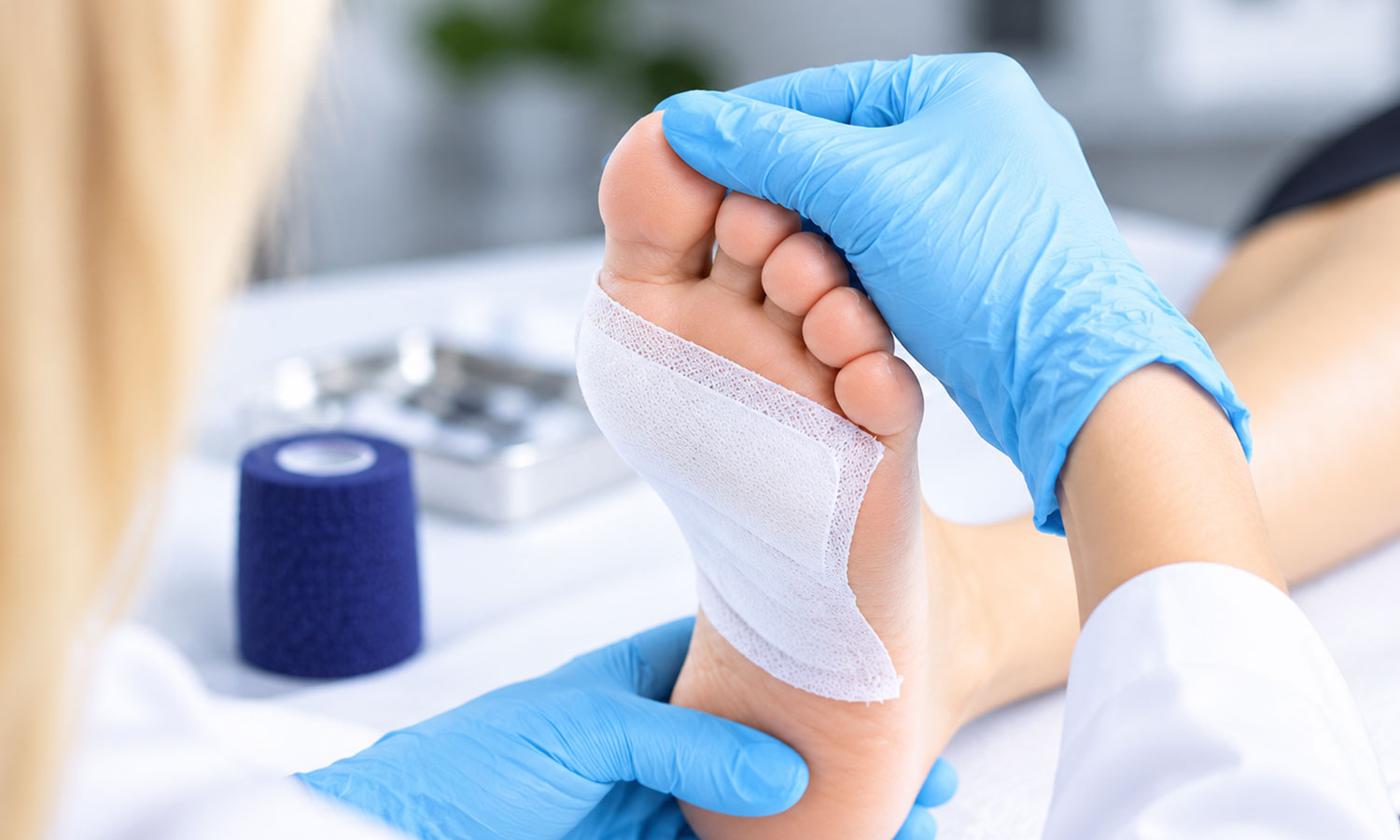
How Each Dressing Works
1. Foam Dressings: Absorption with Cushioning
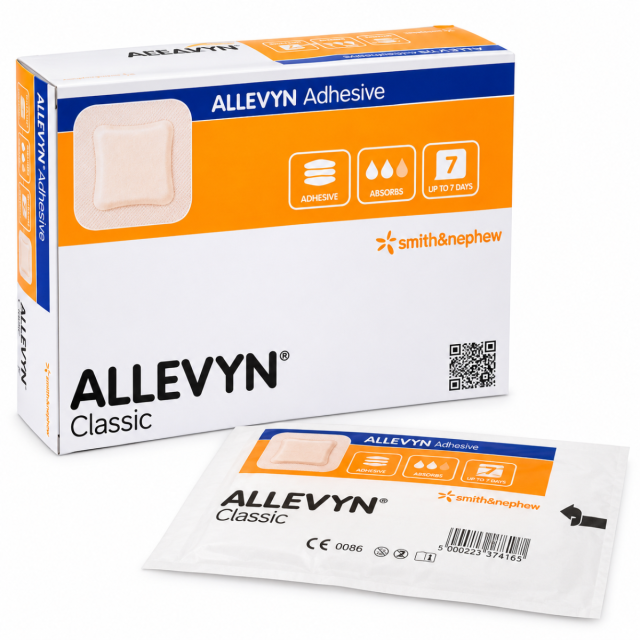
Foam dressings generally contain hydrophilic polyurethane that absorbs exudate into a porous structure. Some incorporate additional absorbent layers or silicone contact surfaces for gentler removal.
They suit many moderately to heavily exuding wounds - particularly where cushioning is beneficial. Examples include granulating leg ulcers and selected pressure injuries.
Limitation: standard absorbent foams are less appropriate for dry wounds. Their fluid retention also varies between products and may be affected by compression.
2. Alginate Dressings: Absorption Through Gel Formation
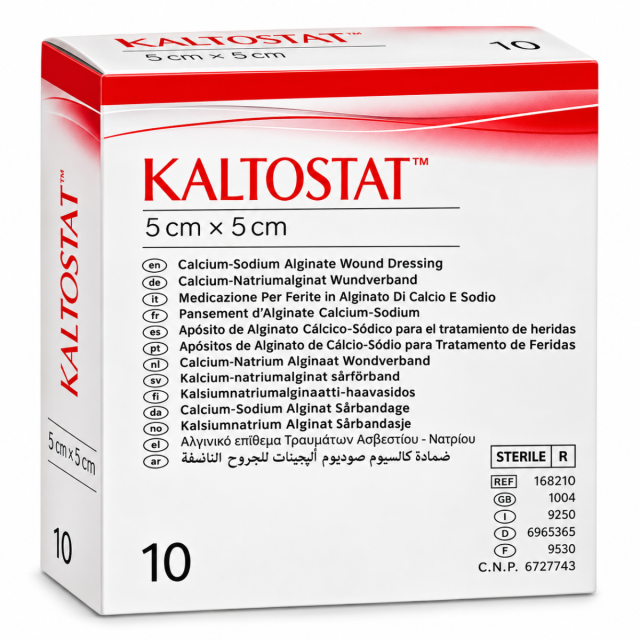
Alginate dressings contain fibres derived from brown seaweed. When calcium or calcium-sodium alginate contacts wound exudate - the fibres form a soft gel.
This reaction enables substantial fluid absorption while maintaining contact with a moist wound surface. Alginates are useful for moderately or heavily exuding wounds and selected wound cavities.
They usually require a secondary dressing. They should not be placed on dry wounds because inadequate moisture may prevent gel formation and make removal difficult.
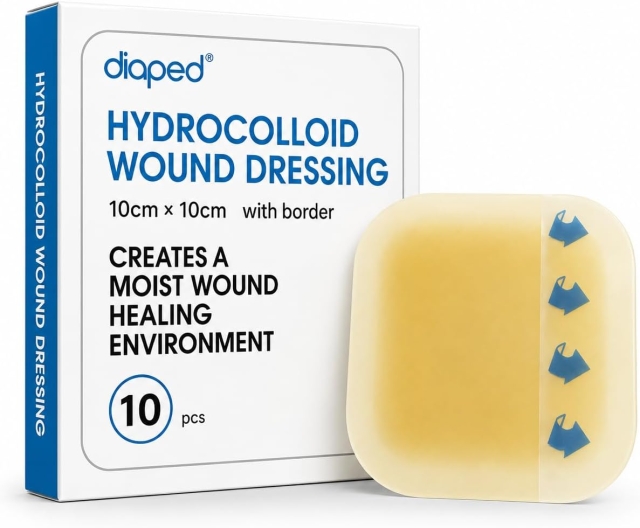
3. Hydrocolloid Dressings: Moisture Conservation
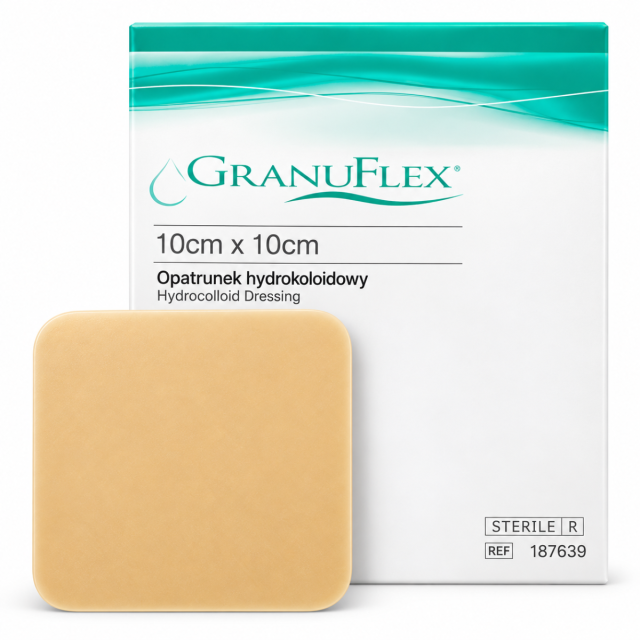
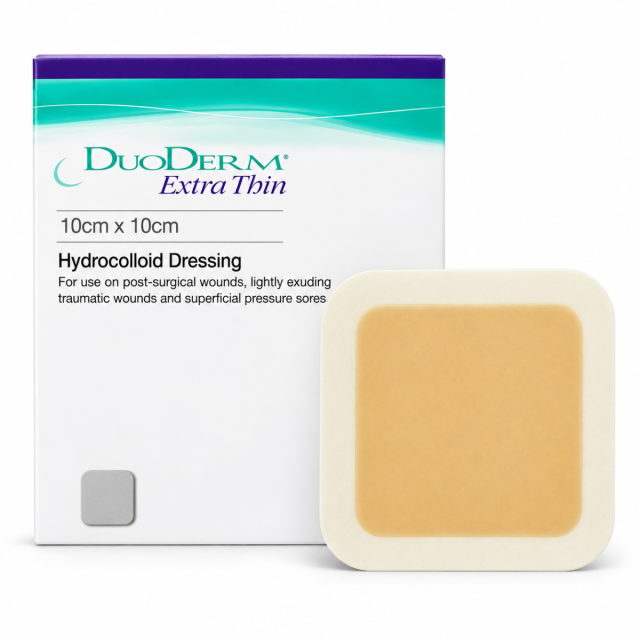
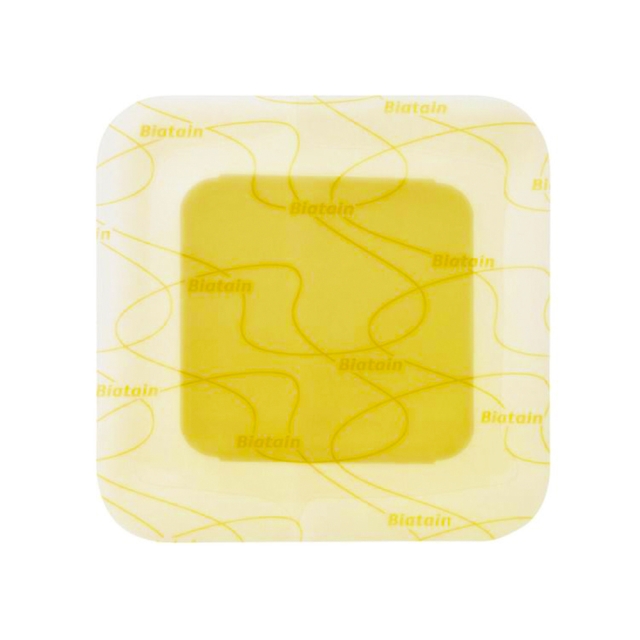
Hydrocolloids contain gel-forming materials beneath a protective backing. They absorb smaller quantities of exudate and create a moist environment that can support autolytic debridement.
They are commonly considered for superficial wounds with low to moderate exudate when infection is not suspected.
Limitation: their comparatively limited absorption makes them unsuitable for heavily exuding wounds. Occlusion may also be inappropriate where infection requires assessment or close monitoring.
Foam vs Alginate vs Hydrocolloid: Comparison Table
| Feature | Foam | Alginate | Hydrocolloid |
|---|---|---|---|
| Absorbency | Moderate to high | High | Low to moderate |
| Fluid mechanism | Absorbs into porous layers | Forms a gel with exudate | Absorbs fluid into a gel matrix |
| Moisture retention | Product-dependent | Gel maintains wound contact | Strong moisture conservation |
| Moisture donation | Generally none | None when applied dry | Primarily retains rather than donates |
| Typical wounds | Exuding superficial wounds | Wet wounds and suitable cavities | Superficial lightly exuding wounds |
| Secondary cover | Sometimes | Usually | Usually not |
| Main concern | Drying or saturation | Adhesion if insufficient exudate | Maceration if excess exudate |
These are category-level characteristics, not measured absorbency rankings. Check each manufacturer's specifications before selecting a product.
Practical Clinical Examples
Example 1: A Moderately Exuding Leg Ulcer
A patient presents with a shallow venous leg ulcer producing regular fluid. A suitable foam dressing may absorb exudate while protecting the wound beneath prescribed compression.
The clinician must assess arterial circulation before compression and choose a dressing capable of retaining fluid under pressure.
Example 2: A Wet Surgical Wound Cavity
A wound cavity produces substantial exudate. An alginate ribbon may help absorb fluid within the cavity while a secondary dressing manages drainage.
Cavity packing requires professional assessment. Material must be placed loosely and completely removed at each change.
Example 3: A Superficial Wound with Minimal Fluid
A clean superficial wound produces little exudate but needs protection from drying. A suitable hydrocolloid may conserve moisture and support autolytic debridement.
If infection is suspected or the surrounding skin becomes macerated, reassessment is necessary.
What Users Say About Moisture-Managing Dressings
Patient experience is often influenced by comfort, leakage, dressing changes and ease of removal. These are important practical considerations alongside clinical effectiveness.
Foam dressings may be preferred where cushioning and convenient application matter. Alginate users may notice gel formation during removal, while hydrocolloid users sometimes find that the gel has an unfamiliar appearance or smell.
These are general product-use observations rather than verified patient testimonials. New offensive odour, increasing pain or deteriorating tissue should never automatically be attributed to the dressing.
Comfort, wear time and treatment costs should be reviewed alongside wound progress.
Step-by-Step Guide to Choosing a Dressing
- Assess the wound. Identify its cause, dimensions, depth, tissue condition and infection risk. Check vascular status where relevant.
- Estimate exudate. Record whether fluid is minimal, low, moderate or heavy and note changes between reviews.
- Examine surrounding skin. Look for maceration, irritation, fragility and adhesive sensitivity.
- Match moisture requirements. Consider hydrocolloid for lightly exuding wounds, foam for moderate exudate and alginate for wetter wounds or suitable cavities.
- Check product instructions. Confirm absorbency, permitted applications, fixation requirements and compatibility with compression.
- Monitor performance. Review leakage, saturation, pain, dressing adherence and changes in wound size.
- Adjust treatment. Change the dressing strategy if exudate increases or decreases. Investigate underlying causes rather than relying on greater absorbency alone.
Which Dressing Is Most Effective?
No dressing category consistently delivers superior healing across all wounds. Cochrane reviews have found insufficient high-quality evidence that foam or alginate dressings improve venous leg ulcer healing more than alternative dressing classes.
Appropriate wound assessment, compression where indicated, infection management and protection of surrounding skin remain central to care.
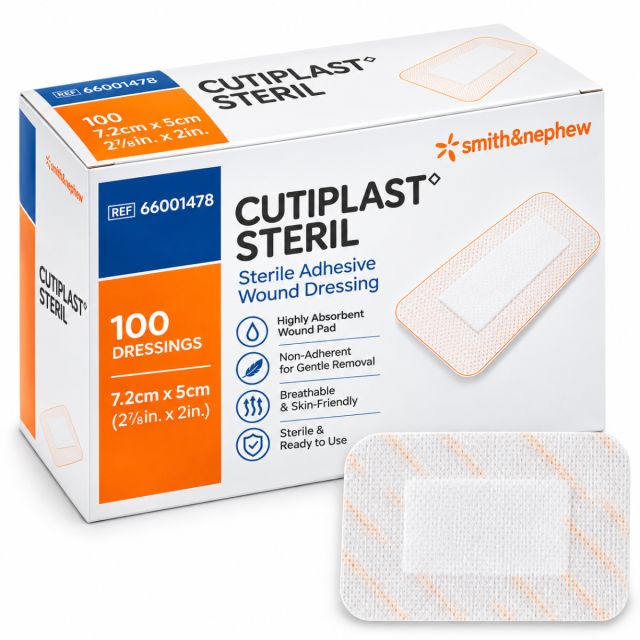
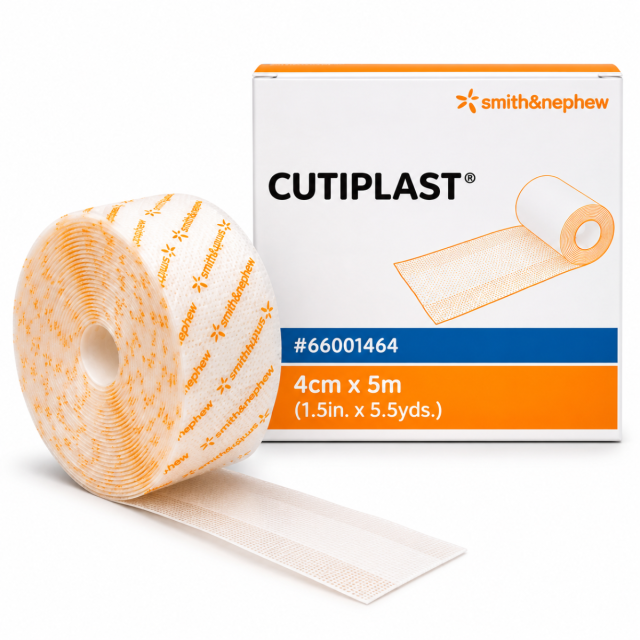
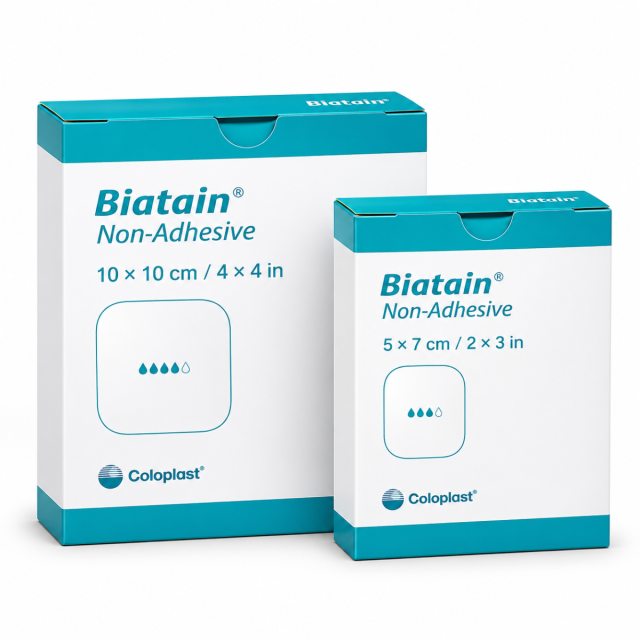
For dressing options and related supplies, visit the Algeos wound dressings range or explore the guide to wound dressings in the UK.
Frequently Asked Questions
1. Which dressing absorbs the most wound fluid?
Alginates and high-absorbency foams are suitable for moderate to heavy exudate. Actual capacity varies by manufacturer and dressing construction.
2. Are foam dressings suitable for dry wounds?
Generally not. Most absorbent foams are intended for exuding wounds and may remove needed moisture from dry tissue.
3. When should alginate dressings be avoided?
Avoid standard alginates on dry wounds or those producing minimal fluid unless specifically directed by a clinician.
4. Do hydrocolloid dressings add moisture?
They primarily conserve existing moisture and form a gel with wound fluid. Hydrogels are generally more suitable when active hydration is required.
5. Can alginate and foam dressings be combined?
Yes. Alginate may provide primary absorption while a suitable foam acts as a secondary dressing, following clinical assessment.
6. How often should dressings be changed?
Frequency depends on the wound, product instructions and clinical care plan. Leakage, saturation or deterioration may require earlier changes and review.
7. Which dressing heals wounds fastest?
No single dressing consistently outperforms the others. The appropriate choice is determined by wound characteristics and management of the underlying cause.
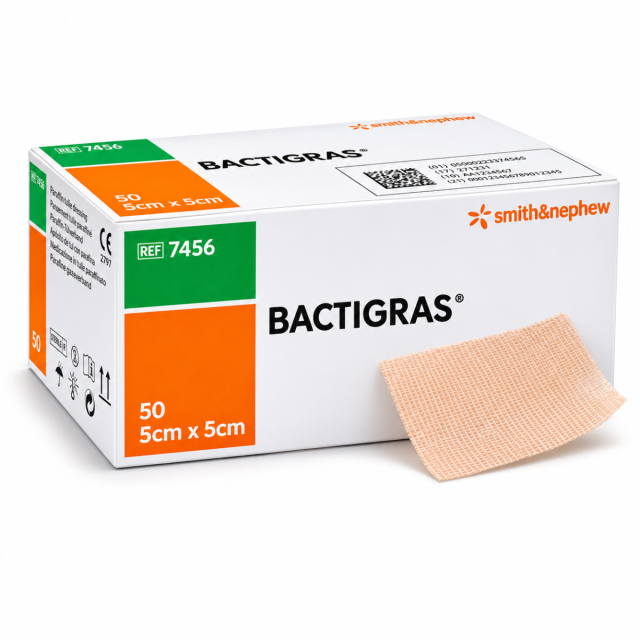
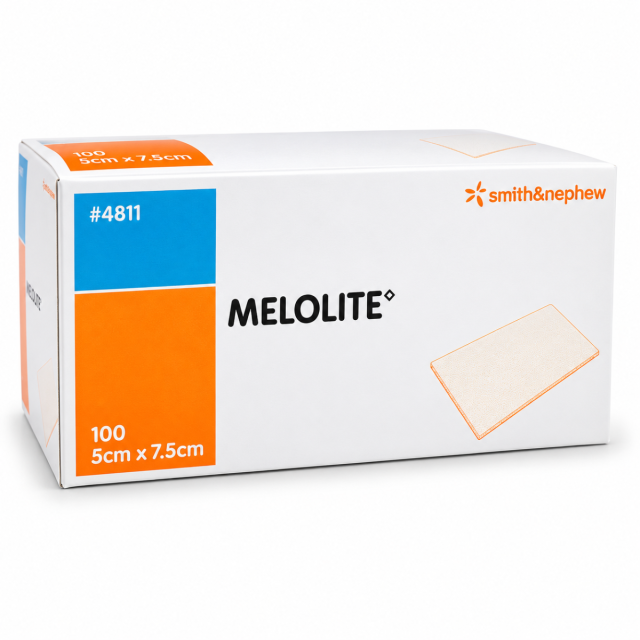

Sold: Pack of 50
Incl. VAT Exl. VAT