



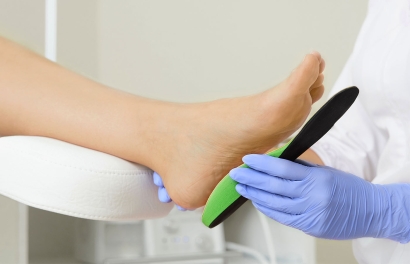
The NHS provides orthotic insoles to support patients with foot, lower-limb or musculoskeletal conditions. Typically, access is via a referral from your GP to a podiatrist or orthotist, who then assesses the issue and prescribes appropriate in-shoe support.
Insoles are issued by the NHS to manage a wide range of problems, including plantar fasciitis, flat feet, overpronation, arthritis, diabetic foot risks and gait abnormalities.
Prefabricated (ready-made) insoles are often the first line of treatment due to their quick availability and ability to offer real clinical benefit.
Why the NHS Dispenses Off-the-Shelf Insoles
- Quick relief: Available immediately without the wait time of custom options.
- Evidence-based: Proven to help with common foot and postural complaints.
- Cost-effective: Significant long-term savings to the NHS when used preventively.
- Adaptable: Many can be heat-moulded or modified to suit individual patient needs.
Top 5 NHS-Dispensed Insoles from Algeos
| Insole | Key Features | Why the NHS Dispenses It | |
|---|---|---|---|
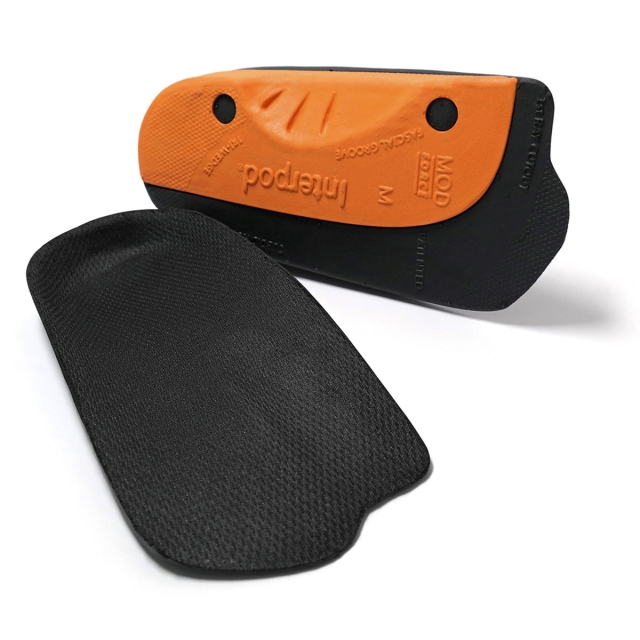
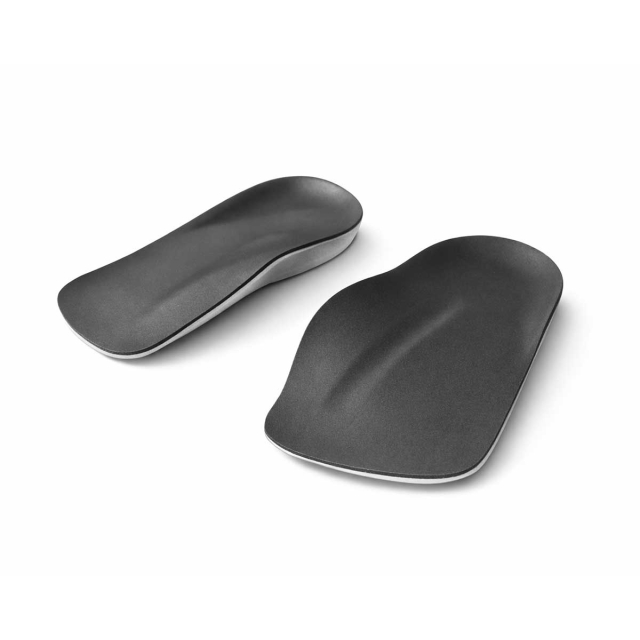
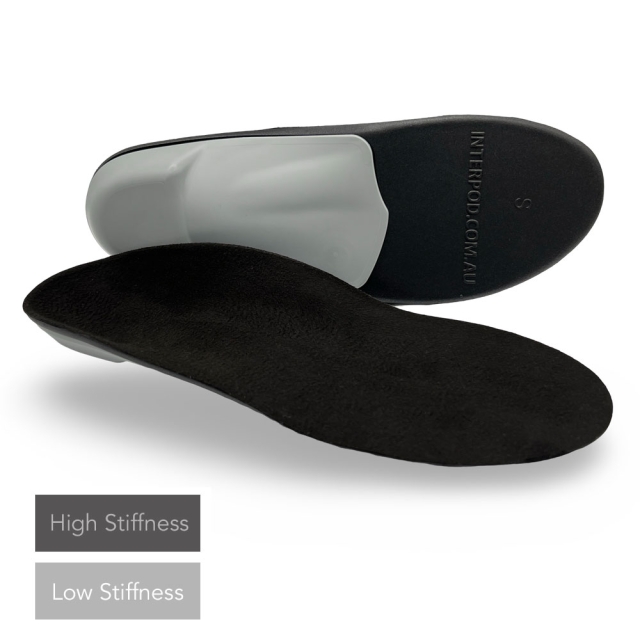
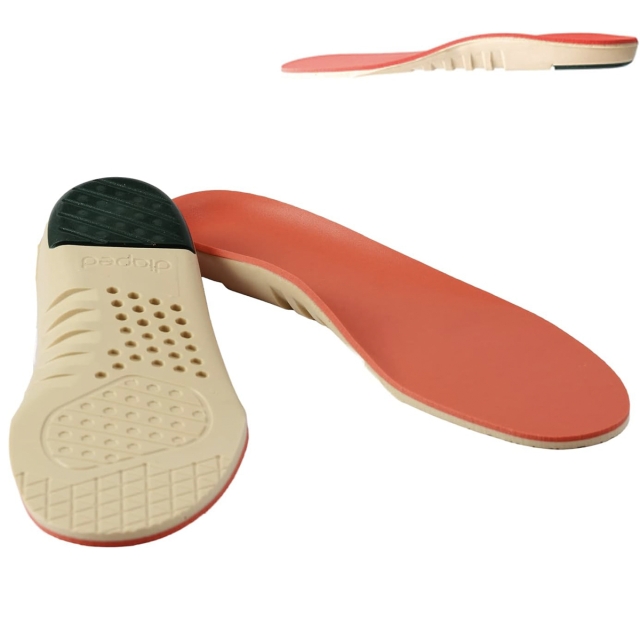
| Interpod Flex Foot Orthotics | 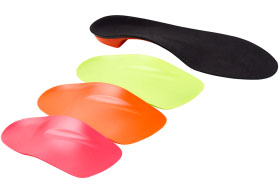 |
¾ length; thermoplastic base; cushioned top cover; mild intrinsic arch support | Immediate support for overpronation and foot alignment; flexible yet firm; ideal for fast NHS intervention |
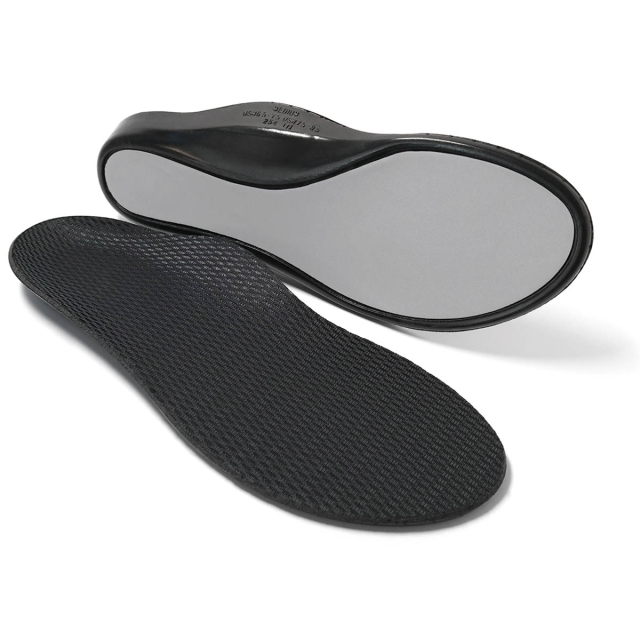
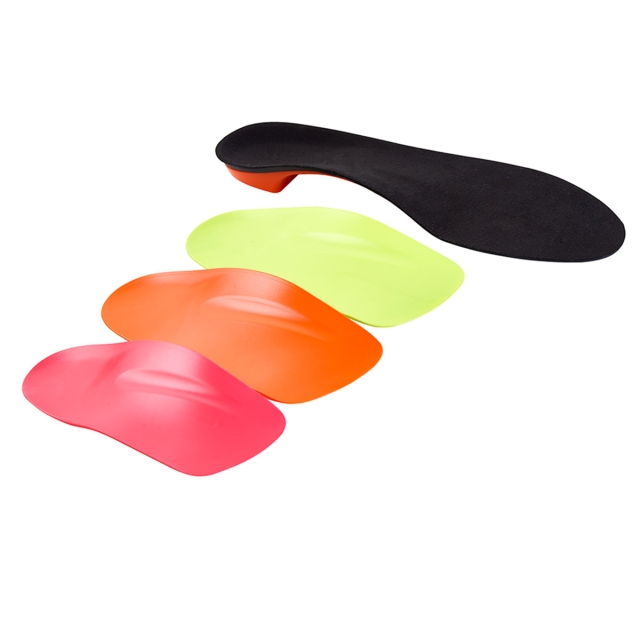
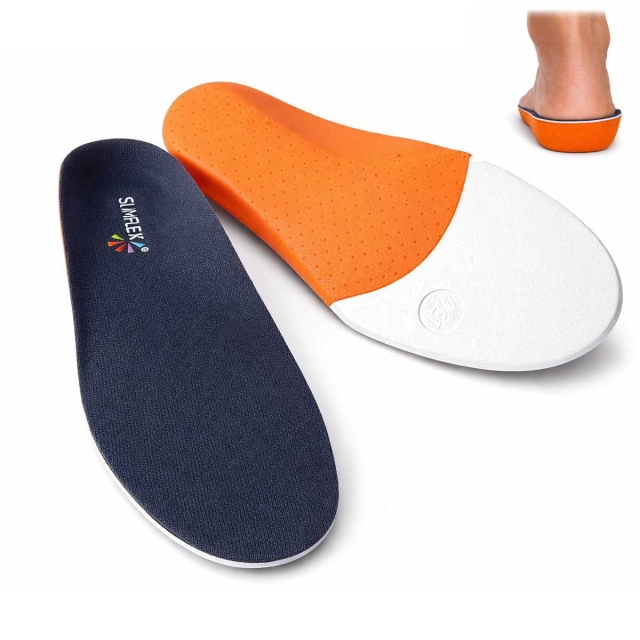
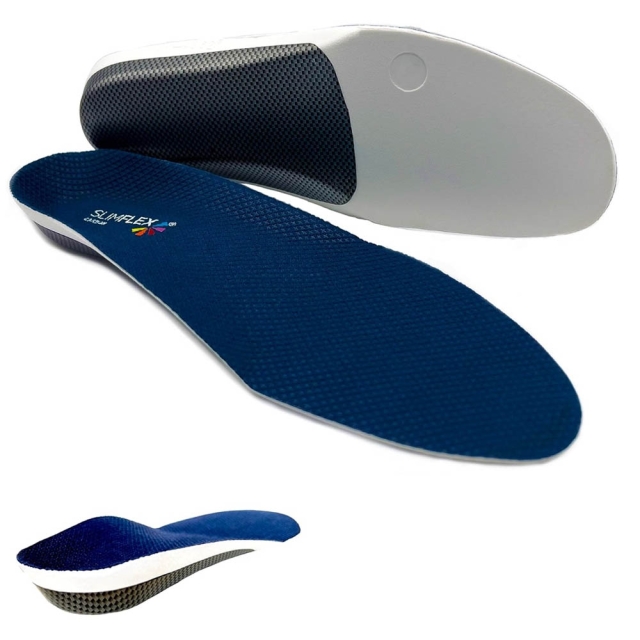
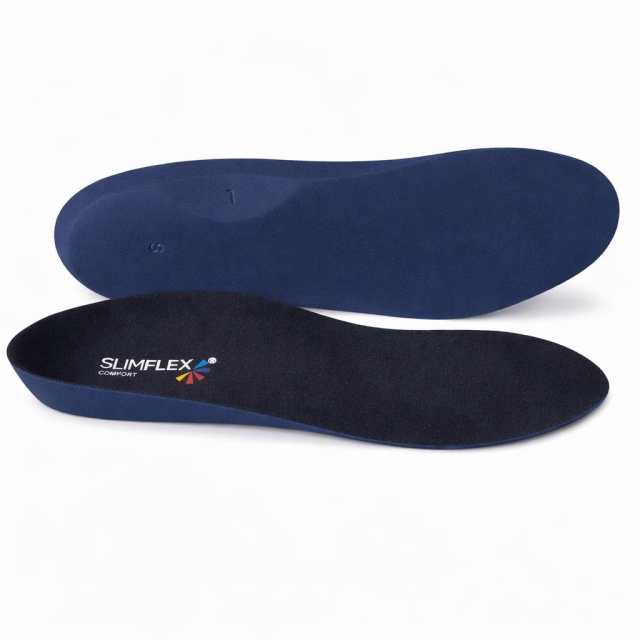
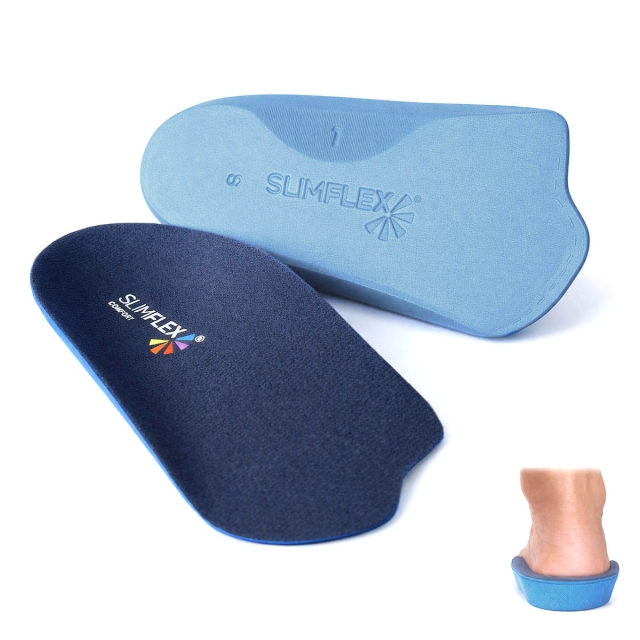
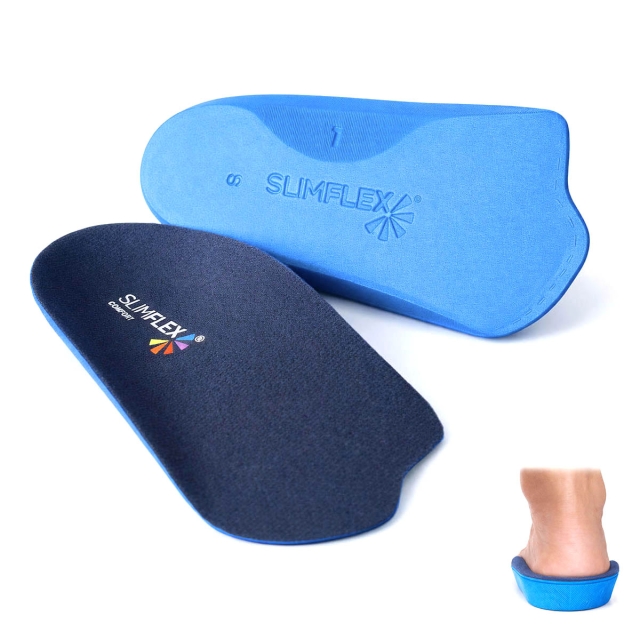
| Slimflex Comfort Orthotic Insoles | 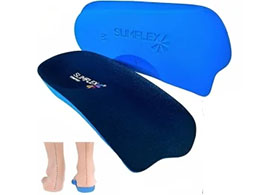 |
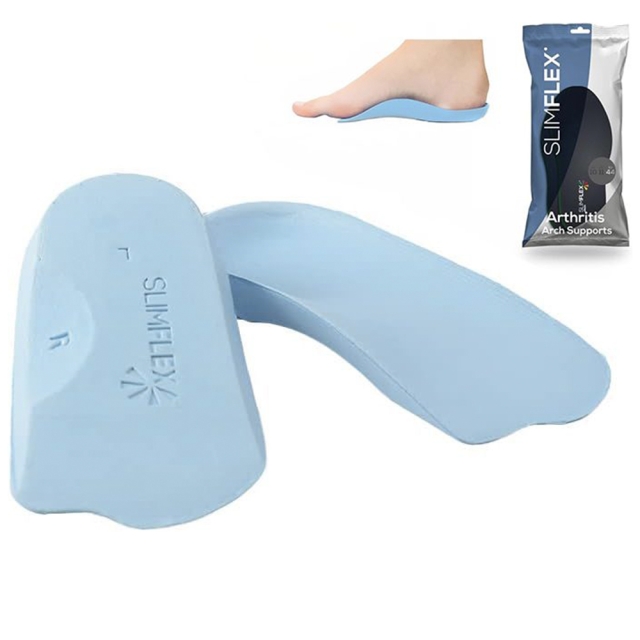
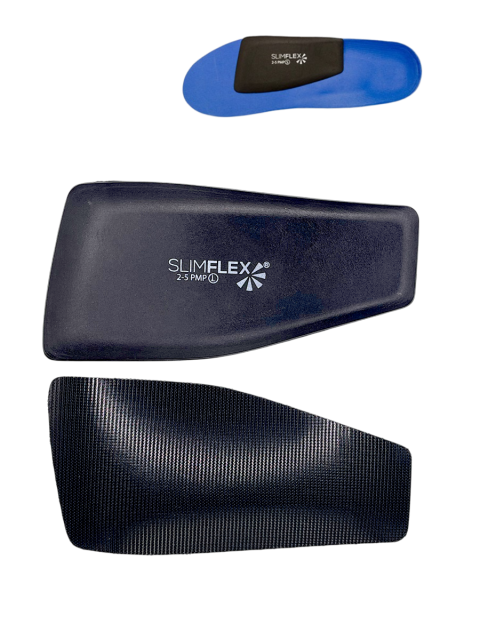
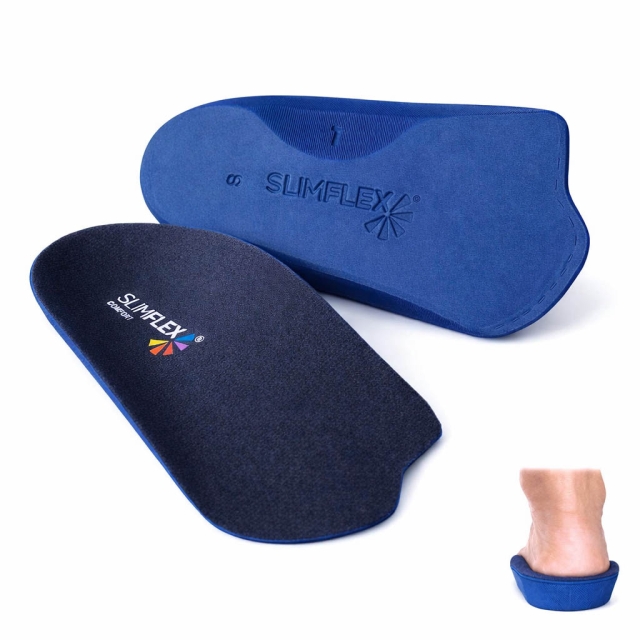
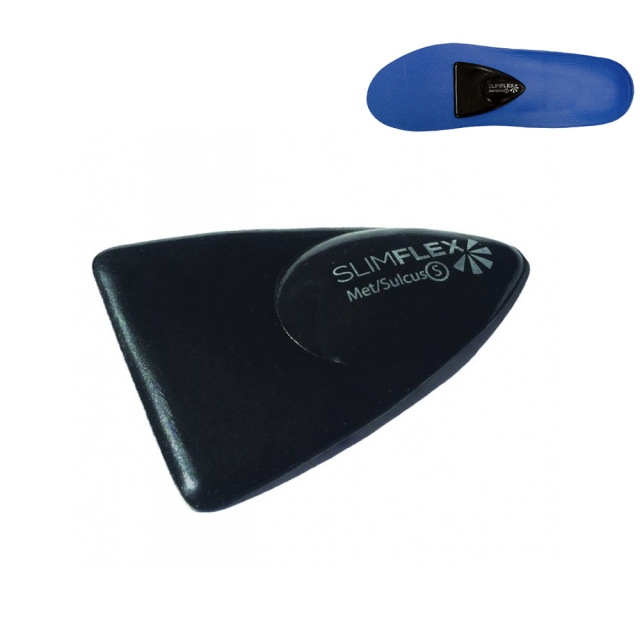
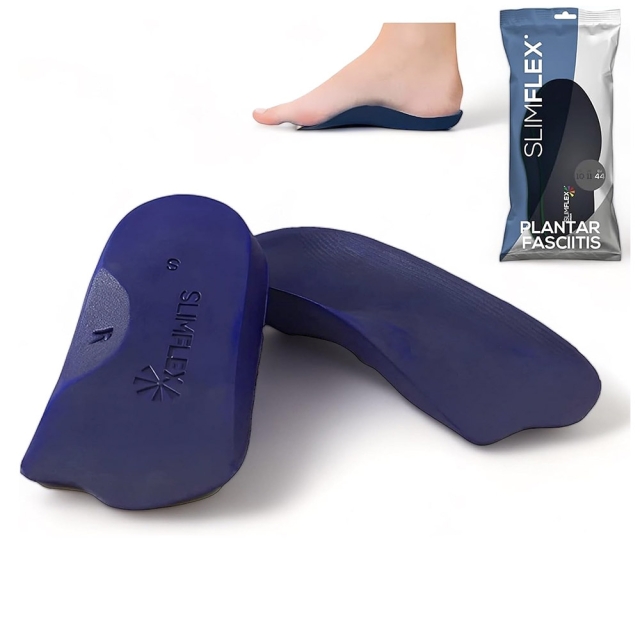
3/4 and full length EVA; flat base; heat-mouldable; grindable; adaptable for posting | Highly versatile; clinicians can customise on the spot; suitable for a wide range of patient types |
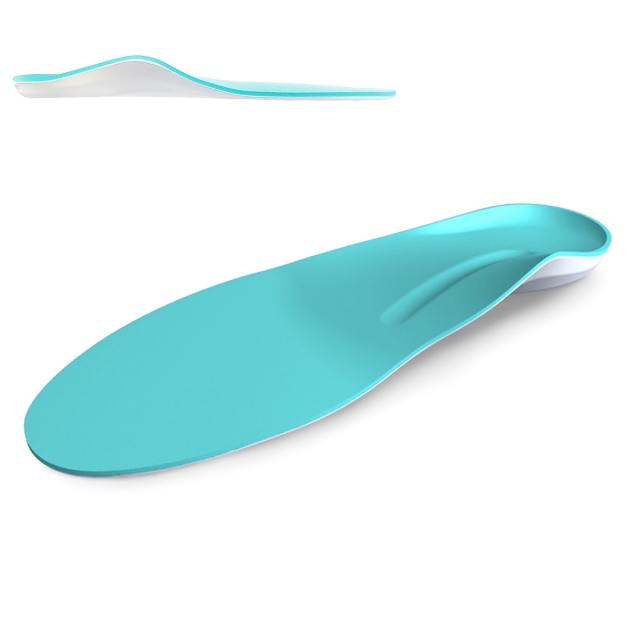
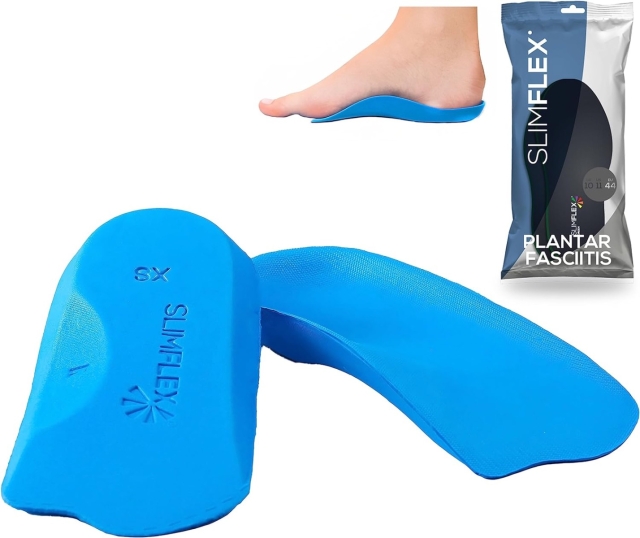
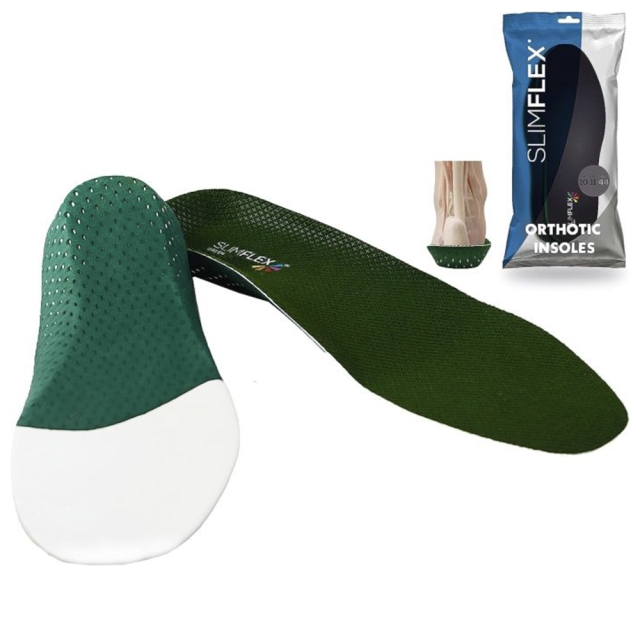
| Slimflex Green | 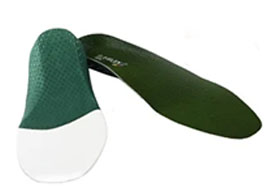 |
Closed-cell EVA; full-length; medium firmness; designed for general foot pain | Affordable and effective for everyday use; balances support and cushioning for general NHS podiatry patients |
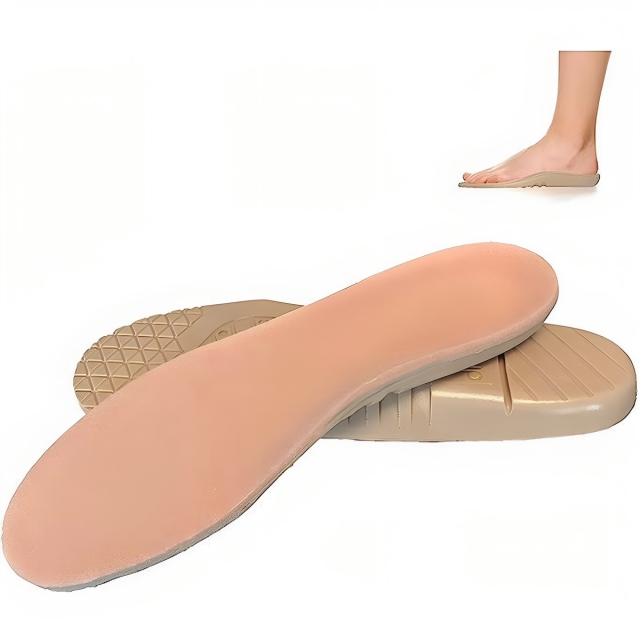
| Duosoft Plus | 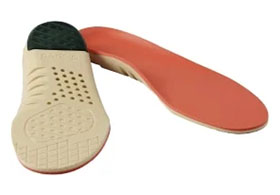 |
Dual-density memory foam; soft top layer; firmer heel and arch zones; anatomical design | Excellent for forefoot pain, foot ulcer prevention and arthritis; added cushioning reduces pressure in sensitive areas |
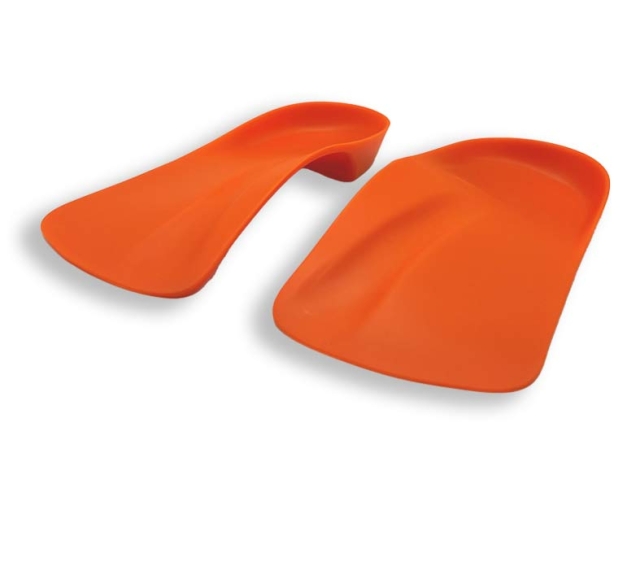
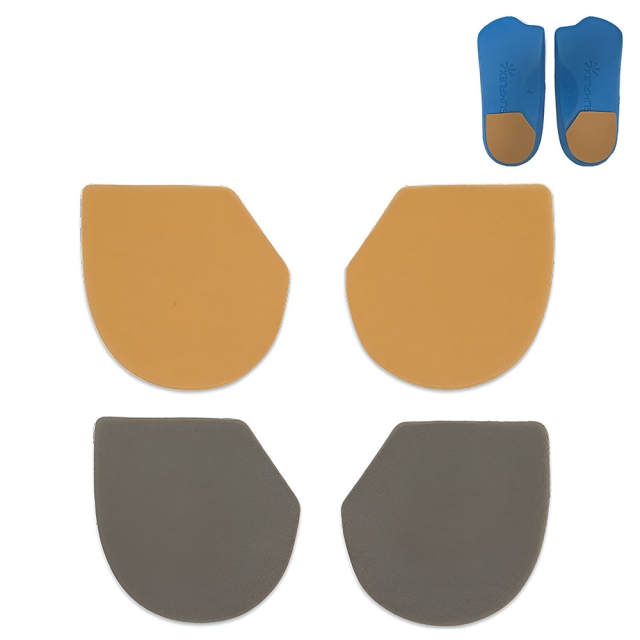
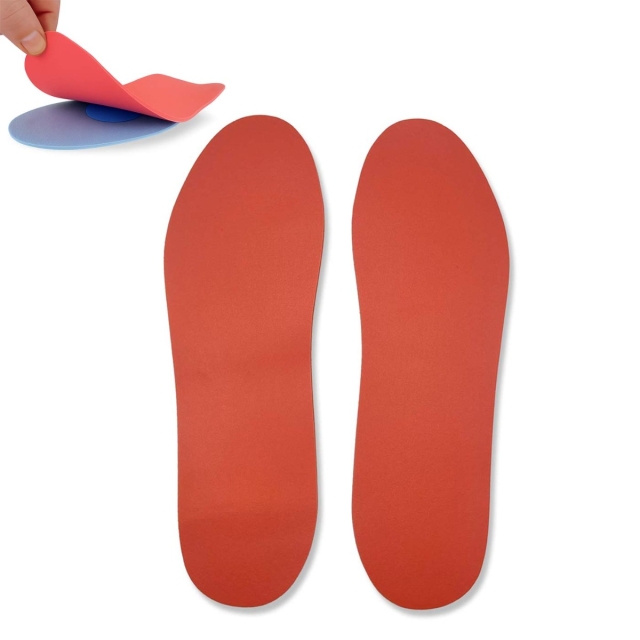
| Slimflex Amber | 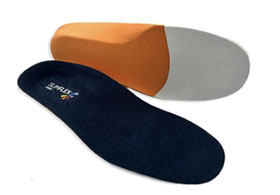 |
High-density EVA; strong arch support; heat-mouldable; low-profile design | Reliable for patients needing firmer control; durable and cost-effective; popular for both overpronation and soversupination support |
Clinical Applications: When Each Insole is Used
- Interpod Flex: Best for gait correction and patients with flexible flat feet or knee instability.
- Slimflex Comfort: Suited to general foot pain, heel issues, or moderate pronation.
- Slimflex Green: All-round insole for mild biomechanical complaints.
- Duosoft Plus: Ideal for patients with fat pad atrophy, metatarsalgia or diabetic foot risk.
- Slimflex Amber: Prescribed when firmer arch and lateral control is required; excellent for long-term use.
How the NHS Recommends Using Insoles
Once issued, patients are typically advised to:
- Wear the insoles for 30 minutes to 1 hour on the first day and gradually increase wear time daily.
- Use supportive, lace-up footwear with a removable insole to accommodate the orthotic.
- Clean them with a damp cloth and allow them to air dry – not on a radiator or in direct sunlight.
- Return for a follow-up if the insoles are causing discomfort, showing wear, or not relieving symptoms.
Why Algeos Insoles Fit NHS Requirements
Algeos has a long-standing reputation as a trusted supplier of foot orthotic products to the NHS. Their insoles are:
- Evidence-backed: Designed in collaboration with clinicians and used in published studies.
- Heat-mouldable & grindable: Easily customised in clinic, saving time and increasing patient satisfaction.
- Cost-effective: Durable and competitively priced, helping NHS budgets go further.
- Clinically supported: Many Algeos insoles include practitioner guides and fitting templates to streamline care.
What Happens During an NHS Insole Appointment?
If you’re referred for insoles through the NHS, the process usually follows a structured clinical pathway. While exact steps may vary slightly between trusts, most patients can expect the following:
1. Initial assessment
A podiatrist or orthotist will assess your foot health, posture, and gait. This may include looking at how you walk, examining your footwear and discussing symptoms such as pain, foot fatigue or instability. Your medical history and daily activity levels are also considered.
2. Insole selection or prescription
Based on the assessment, the clinician will decide whether a prefabricated (off-the-shelf) orthotic insole is appropriate or whether a more customised solution is required. In many cases, NHS pathways begin with prefabricated insoles due to their effectiveness for common conditions such as plantar fasciitis, flat feet, and overpronation.
3. Fitting and adjustment
The insole is fitted into your footwear and checked for comfort and alignment. Some insoles may be trimmed or lightly adjusted to suit your shoes. You’ll usually be advised on which types of footwear work best with your insoles.
4. Wear-in advice
Patients are typically given guidance on gradually increasing wear time to allow the feet and lower limbs to adapt. Mild discomfort during the early days can be normal, but ongoing pain should be reported.
5. Review and follow-up
A follow-up appointment may be arranged to assess progress, make adjustments, or decide whether further intervention is needed. Many NHS patients achieve symptom relief at this stage without requiring custom orthotics.
This step-by-step approach helps ensure insoles are used as an effective, evidence-based first-line option within NHS foot care pathways.
Summary
Orthotic insoles remain one of the NHS’s most effective and accessible tools for managing foot pain and mobility issues. The Algeos range, particularly Interpod Flex, Slimflex Comfort, Slimflex Green, Duosoft Plus and Slimflex Amber, are go-to solutions for clinicians due to their proven benefits, adaptability and value.
By matching the right insole to the right foot type and condition, NHS podiatrists and orthotists are helping thousands stay on their feet, comfortably and safely.
Article revised 25th January 2026
Sold: Sold per Pair
Incl. VAT Exl. VAT