




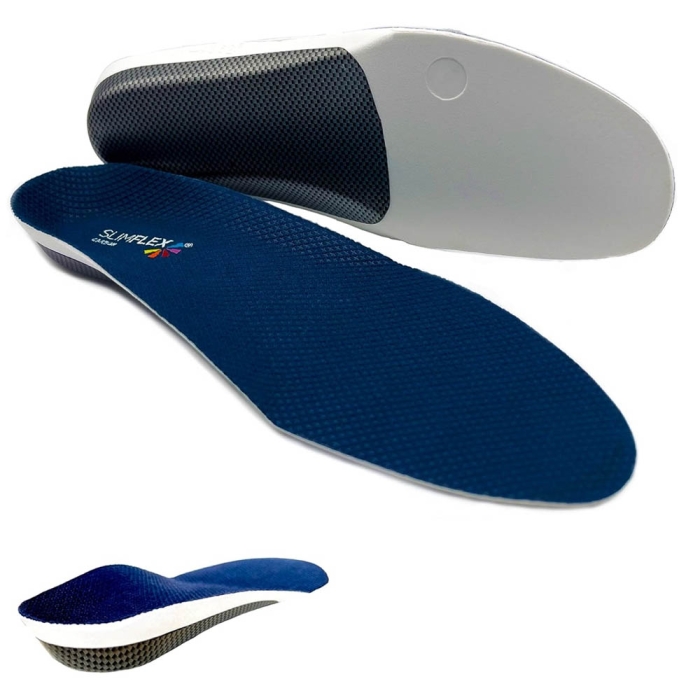
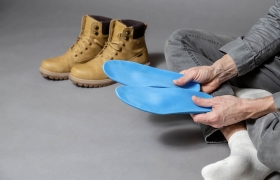
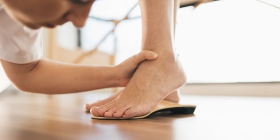
Orthotic insoles, also known as orthotic inserts or shoe inserts, are custom-made or over-the-counter devices designed to support, align, or improve the function of the feet.
Slimflex Carbon Orthotic Insoles for Supination
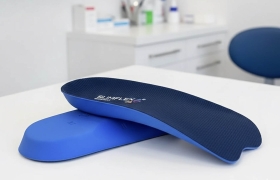
Supination Control Orthotic Insoles combine arch support and lateral foot control.
The insoles have a rigid thermoplastic base that controls the foot, preventing the foot rolling outwards - also known as Supination or Under Pronation.
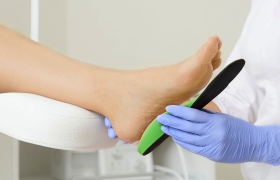
The insoles can be worn straight out of the pack or modified by Podiatrist using orthotic posting wedges.
Available through the NHS.
10 Packs available for prescibing professionals.
£13.82 £11.52 £13.82 £11.52
Sold: Sold per Pair
Incl. VAT Exl. VATSlimflex
GB https://schema.org/MerchantReturnFiniteReturnWindow 14 https://schema.org/ReturnByMail https://schema.org/FreeReturn
GB
5.95 18 GBP
0 1 DAY
1 3 DAY

Product Description
Combined Arch Support and Supination Control
Slimflex Carbon orthotic insoles are designed to provide effective supination control and enhanced foot stability. Manufactured using durable EVA orthotic foam and a rigid carbon-effect thermoplastic base, these insoles offer reliable biomechanical support for patients who require greater control of foot movement.
Secure Heel Cradle
The structured base helps stabilise the foot by supporting the lateral arch and providing a secure heel cradle, helping to reduce excessive outward rolling of the foot. This makes Slimflex Carbon an excellent orthotic solution for individuals experiencing supination, lateral instability or biomechanical imbalance.
The rigid thermoplastic shell also makes Slimflex Carbon particularly suitable for heavier patients or those requiring stronger foot control compared to softer orthotic devices. The combination of supportive structure and cushioning EVA foam ensures both durability and comfort during everyday activities.
Moisture-absorbing Top Cover
Each insole is finished with a quick-drying, moisture-absorbing top cover that helps maintain comfort and hygiene throughout the day. This breathable covering helps manage moisture build-up in footwear, making the insoles suitable for both active and daily use.
For clinicians, Slimflex Carbon offers excellent flexibility in orthotic prescription. The insoles can be easily customised using Slimflex wedges and Podotech orthotic components, allowing practitioners to create a tailored orthotic device that meets the specific biomechanical needs of each patient.
Combining strong foot control, durability and chairside customisation, Slimflex Carbon orthotic insoles provide a practical and effective solution for managing supination and improving overall foot stability.
Orthotic Features
Full Lateral Control
The insoles have a rigid thermoplastic rearfoot base that controls the foot, preventing the foot rolling outwards - also known as Supination or Under Pronation.
True Supination Control Orthotic Insoles
Many orthotic insoles claim to prevent supination, but they don’t, they simply help flat footed people. Slimflex Carbon are proven to prevent foot rolling.
Unique Design
Biomechanical 3D design utilises advanced materials to provide support and stability for the foot, helping prevent ailments linked to ‘rolling’ such as heel pain, ankle instability and forefoot pain.
Cushioning System
Featuring signature comfort cushioning for superior shock absorption, these orthotic insoles will help keep feet aligned but also fatigue free. Insoles can be worn by women and men, children and adults.
Durable Quality
The insoles are made from robust, high-quality materials designed to last multiple years even under heavy usage conditions ensuring the feet have ultimate comfort.
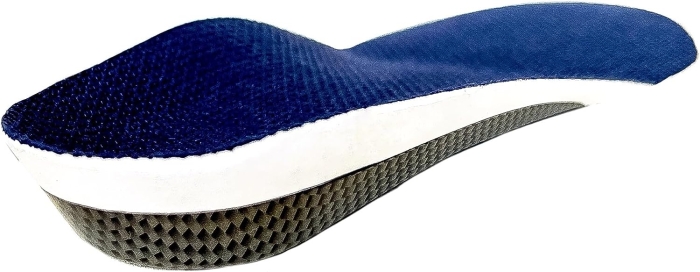
Lateral and Medial Control from rear
When to Use Slimflex Carbon Orthotic Insoles
Ideal introduction to orthotic therapy: Slimflex Carbon insoles provide a practical starting point for patients beginning orthotic treatment, offering reliable support and control without the need for complex custom devices.
First-line treatment in clinical practice: Commonly used as a first-line orthotic solution in both NHS podiatry clinics and private podiatry practices, helping clinicians deliver effective biomechanical support quickly.
Deep heel cup for enhanced foot control: The deep heel cup design helps stabilise the heel and improve overall foot alignment, allowing effective correction even when additional wedges or orthotic components are not used.
Medial and lateral arch support: The orthotic design supports both the medial and lateral arches, helping to stabilise the foot and reduce excessive movement.
Customisable for advanced biomechanical needs: For more complex foot conditions, Slimflex Carbon insoles can be used alongside Slimflex wedges and Podotech orthotic components to create a more customised orthotic solution.
Clinically established orthotic solution: Slimflex insoles are widely prescribed within the NHS and supported by clinical research, making them a trusted choice for managing a range of biomechanical foot conditions.
Indications
- Over-supinating Feet
- Shin Splints
- Posterior Tibial Tendon Dysfunction
- Cavovarus Foot
- Lateral Ankle Instability
- Plantar Fasciitis
- Stress fracture prevention
Professional Usage Tips
- Use Slimflex Carbon on its own to control a minimally deviated STJ axis.
- Try using a Slimflex Carbon with a 3.5° rear foot wedge (MOSI).
- Use a Slimflex Carbon with a kinetic wedge for a functional hallux limitus presentation.
Fitting and Care Guide
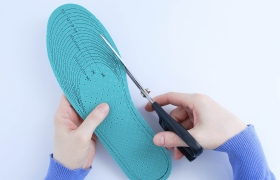
- Size Selection: Choose the insole size that matches the shoe size. If necessary, trim the insole to fit the shoe by following the guidelines on the insole.
- Insertion: Remove the existing insole from your shoe. Place the Slimflex Insole inside the shoe, ensuring it lies flat and the heel fits snugly against the back of the shoe.
- Adjustment Period: The insoles should be worn for a few hours initially to allow your feet to adjust. Gradually increase usage time over several days.
- Cleaning: Remove the insoles from the shoes. Wipe them with a damp cloth using mild soap. Do not immerse in water.
- Drying: Allow the insoles to air dry completely before reinserting them into the shoes. Avoid direct sunlight or high heat.
- Inspection: Regularly check the insoles for signs of wear and replace them as needed to maintain optimal support and comfort.
FAQ: Understanding and Managing Supination
1. What is supination and how does it affect the body?
Supination or under-pronation, occurs when the foot rolls outward excessively during walking or running. This condition reduces the foot's ability to absorb shock, potentially leading to problems such as ankle instability, plantar fasciitis, shin splints and even stress fractures.
2. What clinical evidence supports the use of insoles for preventing supination-related injuries?
Studies indicate that customised orthotic insoles with appropriate arch support and heel control can significantly improve foot alignment and gait mechanics.
A 2019 study published in the Journal of Foot and Ankle Research found that insoles designed to redistribute pressure and support the medial arch can mitigate the outward rolling motion associated with supination, reducing stress on the lower limbs.
3. Are specific exercises effective in preventing or reducing supination?
Yes, exercises focusing on strengthening and stretching the lower leg muscles and foot arch can help.
Evidence from the International Journal of Sports Physical Therapy suggests that targeted strengthening of the tibialis posterior and stretching the calf muscles can improve foot biomechanics and reduce excessive outward rolling.
4. What footwear features are recommended for patients with supination?
Footwear with a wide toe box, cushioning for shock absorption, and a firm heel counter is ideal for supinators.
Clinical advice from the American Orthopaedic Foot & Ankle Society recommends using shoes with a neutral or high arch to accommodate the biomechanics of a supinating foot.
5. Can physical therapy assist in managing supination?
Yes, physical therapy is an effective approach. Therapists may employ gait retraining, balance exercises, and myofascial release techniques to improve overall lower limb mechanics.
Research from the Clinical Biomechanics Journal highlights that guided physical therapy can improve stability and reduce discomfort caused by supination.
6. What role do orthotic insoles play in managing supination?
Orthotic insoles, such as Slimflex Carbon, are designed to correct biomechanical imbalances by offering arch support and stabilising the heel.
A review in The Journal of Orthopaedic and Sports Physical Therapy demonstrated that rigid insoles effectively alleviate the strain on ligaments and joints, reducing the risk of long-term complications from supination.
Further Reading
Do Orthotic Insoles Work? Examining the Evidence
Accessing Foot Orthotics from the NHS
The NHS provides access to foot orthotics for those with medically diagnosed foot problems. However, the process can take time due to waiting lists and the need for assessment by a healthcare professional.
Foot Oversupination, Underpronation and Foot Rolling
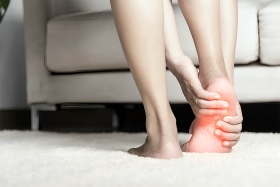
Foot Oversupination, also known as underpronation, is a foot alignment issue in which the foot rolls outwardly or doesn't roll inward enough when compared to the normal walking cycle. This may affect individuals in various ways.
Related Pages:
View are full orthotic insoles range
View our full Plantar Fasciitis range
Frequently bought together
We found other products you might like!
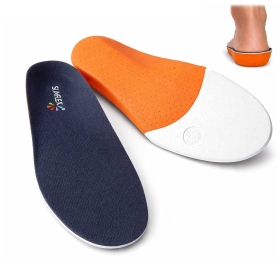
Slimflex Amber Arch Support Insoles for Overpronation £11.58 £9.65
Sold: Sold per Pair
Incl. VAT Exl. VAT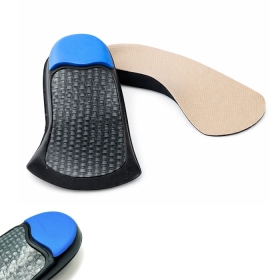
Semiflex Carbon ¾ Length Shock Absorbing Insoles for Plantar Fascia Strain & Heel Strike £26.14 £21.78
Sold: Sold per Pair
Incl. VAT Exl. VAT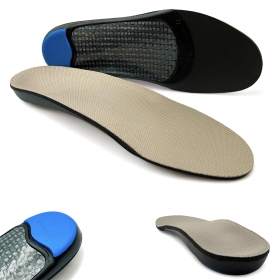
Semiflex Carbon Shock Absorbing Insoles for Plantar Fascia Strain & Heel Strike £26.14 £21.78
Sold: Sold per Pair
Incl. VAT Exl. VAT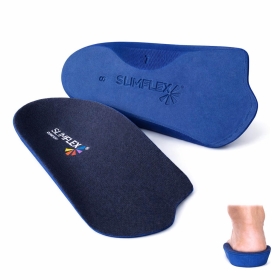
Slimflex Comfort Plantar Fasciitis Insoles - High Density - 3/4 Length £11.84 £9.87
Sold: Sold per Pair
Incl. VAT Exl. VAT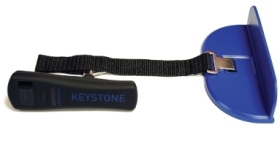
Interpod Keystone Supination Resistance Tool £60.00 £50.00
Sold: Each
Incl. VAT Exl. VAT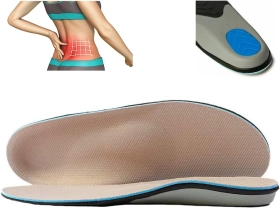
Motion Control Orthotic Insoles for Overpronation £23.52 £19.60
Sold: Sold per Pair
Incl. VAT Exl. VAT
Slimflex Comfort Plantar Fasciitis Insoles - Low Density - 3/4 Length £11.84 £9.87
Sold: Sold per Pair
Incl. VAT Exl. VAT
Slimflex Simple HD 3/4 Length Orthotic Insoles £10.73 £8.94
Sold: Sold per Pair
Incl. VAT Exl. VAT
Slimflex Comfort 3/4 Length Insoles – Arch Support Inserts for Plantar Fasciitis £11.30 £9.42
Sold: Sold per Pair
Incl. VAT Exl. VAT
Slimflex Simple MD Orthotic Insoles for Everyday Support £12.00 £10.00
Sold: Sold per Pair
Incl. VAT Exl. VAT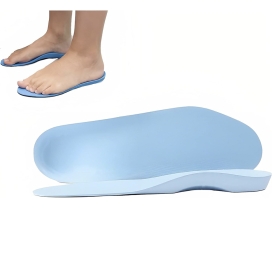
Slimflex Simple LD Orthotic Insoles for Sensitive Feet £12.00 £10.00
Sold: Sold per Pair
Incl. VAT Exl. VAT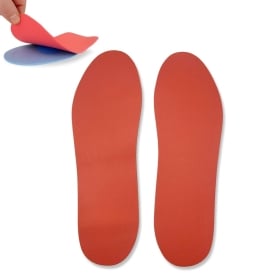
Slimflex Foot Orthotic Top Covers - Medical Grade 2055 - Pink £6.29 £5.24
Sold: Pair
Incl. VAT Exl. VAT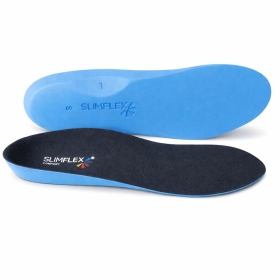
Slimflex Comfort Plantar Fasciitis Insoles - Low Density for Delicate Feet £13.00 £10.83
Sold: Sold per Pair
Incl. VAT Exl. VAT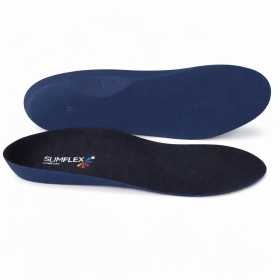
Slimflex Comfort Plantar Fasciitis Insoles - High Density for Heavier Users and Sports £13.00 £10.83
Sold: Sold per Pair
Incl. VAT Exl. VAT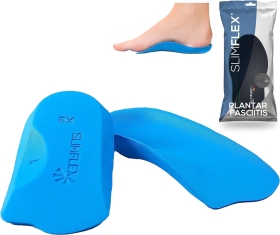
Slimflex Simple MD Arch Support Insoles - 3/4 Length £10.73 £8.94
Sold: Pair
Incl. VAT Exl. VAT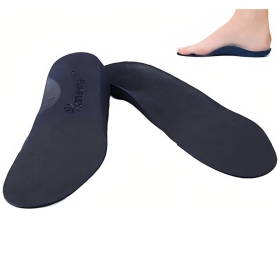
Slimflex Simple HD Orthotic Insoles £12.00 £10.00
Sold: Sold per Pair
Incl. VAT Exl. VAT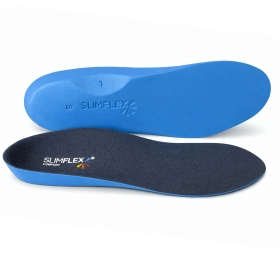
Slimflex Comfort Plantar Fasciitis Insoles - Medium Density for Most People £13.00 £10.83
Sold: Sold per Pair
Incl. VAT Exl. VAT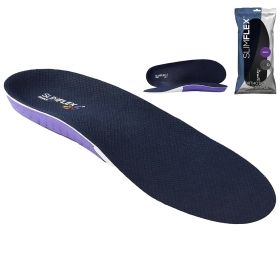
Slimflex Berry Wide Fit Orthotic Insoles £15.38 £12.82
Sold: Sold per Pair
Incl. VAT Exl. VAT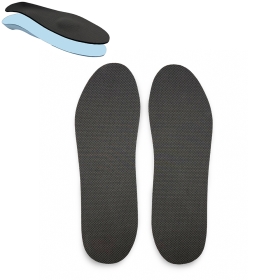
Slimflex Foot Orthotic Top Covers - Neosorb Bamboo £5.23 £4.36
Sold: Pair
Incl. VAT Exl. VAT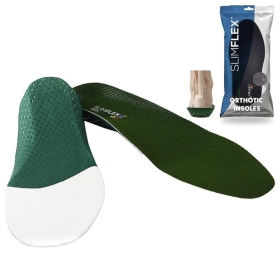
Slimflex Green Orthotic Insoles £6.22 £5.18
Sold: Sold per Pair
Incl. VAT Exl. VAT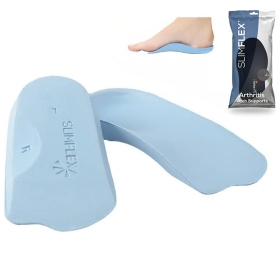
Slimflex Simple LD 3/4 Length Orthotic Insoles £10.73 £8.94
Sold: Sold per Pair
Incl. VAT Exl. VAT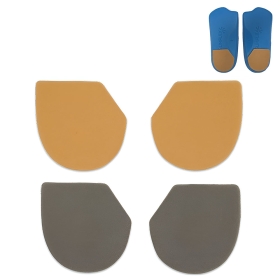
Arch Adjusted Rearfoot Wedges - for Slimflex Insoles £8.39 £6.99
Sold: 5 Pairs
Incl. VAT Exl. VAT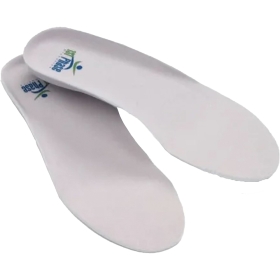
Slimflex EVA Insoles - for Orthotic Additions £4.94 £4.12
Sold: Sold per Pair
Incl. VAT Exl. VAT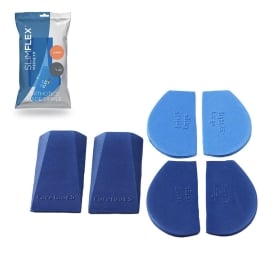
Slimflex Wedge Packs for Orthotic Insoles £9.17 £7.64
Sold: Pack of 6
Incl. VAT Exl. VAT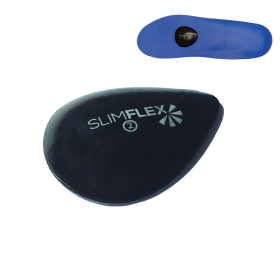
Slimflex PU Metatarsal Pads for Metatarsalgia and General Forefoot Pain £24.55 £20.46
Sold: Pack of 10
Incl. VAT Exl. VAT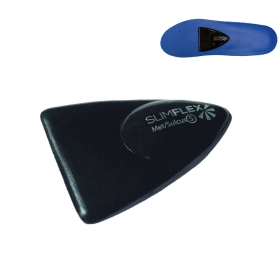
Slimflex Metatarsal Sulcus Pads for Orthotic Insoles £26.11 £21.76
Sold: 5 Pairs
Incl. VAT Exl. VAT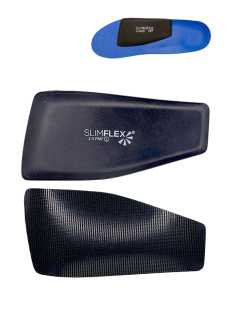
Slimflex 2-5 PMP Micro Hook Pads for Orthotic Insoles £23.40 £19.50
Sold: Pack of 5 Pairs
Incl. VAT Exl. VATRelated Posts



Sold: Sold per Pair
Incl. VAT Exl. VAT