



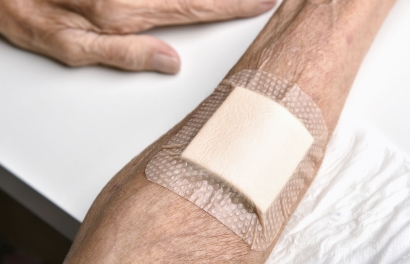
Why Wound Dressings Matter
Proper wound care is crucial for healing and preventing infection. Modern wound dressings are designed to keep wounds in a moist, protected environment, which research has shown helps skin cells grow and wounds heal faster.
With so many dressing types available (over-the-counter and on NHS prescription), it can be confusing to know which to use.
This guide explains the main types of wound dressings in clear, jargon-free language, what wounds they’re best for and when to get professional help.
Whether it’s a minor cut or a chronic ulcer, choosing the right dressing can make a big difference in comfort and healing.
Types of Dressings and Their Uses
There are many dressing types, each suited to certain wound conditions. Key factors in choosing a dressing include how much fluid (exudate) the wound produces, whether the wound is dry or sloughy (dead tissue), if there’s infection and the condition of the surrounding skin.
Below we overview common dressing categories – hydrocolloid, foam, alginate, hydrofiber, hydrogel, film, antimicrobial, and silicone – and explain in simple terms what they are and when to use them.
Hydrocolloid Dressings
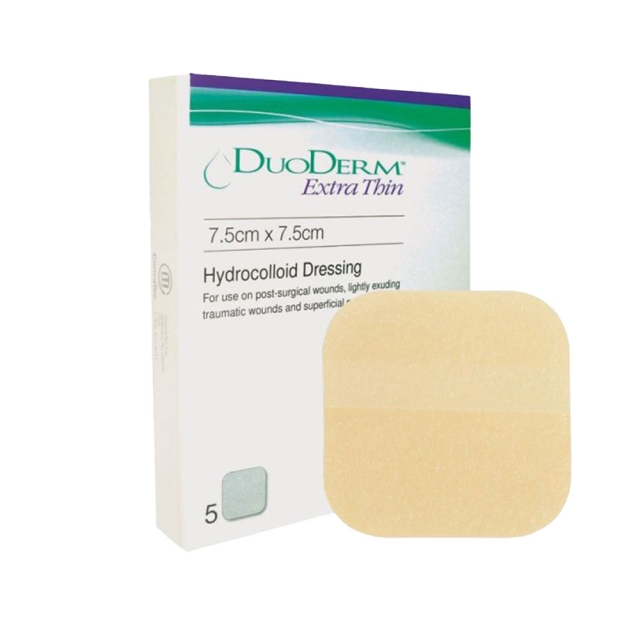
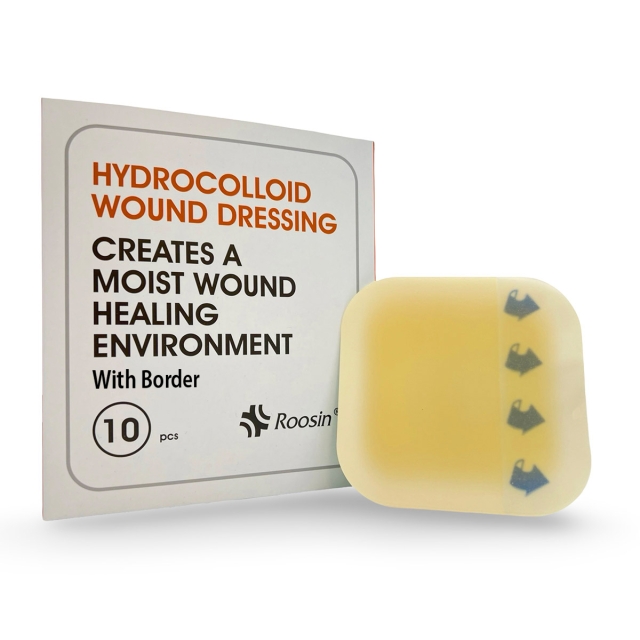
Hydrocolloids are moisture-retaining dressings that contain gel-forming agents on an adhesive, waterproof backing. They absorb wound fluid and turn into a gel, keeping the area moist and promoting autolytic debridement (the body’s natural removal of dead tissue).
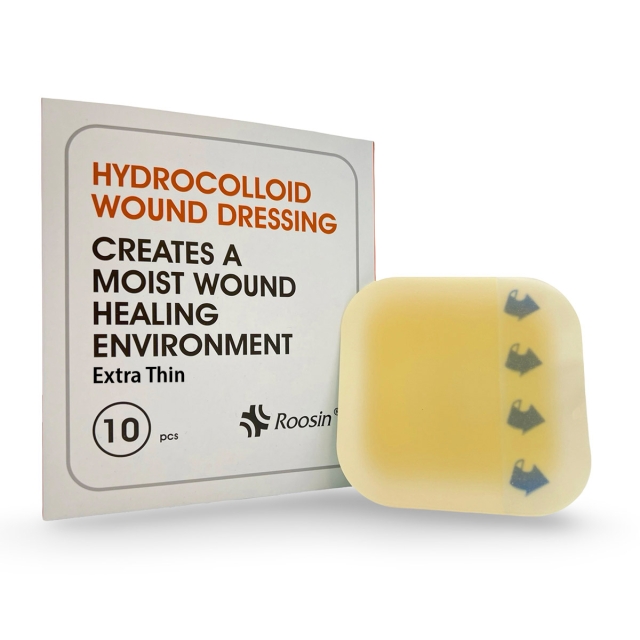
Hydrocolloids are best for wounds with low to moderate exudate – for example, shallow pressure ulcers or non-infected foot ulcers that aren’t too wet. Thin hydrocolloid sheets can even be used on dry wounds or very lightly exuding wounds to help rehydrate them.
They seal over the wound like a second skin, protecting it from dirt and bacteria, and can stay in place for several days if intact.
Hydrocolloids are popular for blisters, minor burns, and superficial ulcers – they cushion the area and maintain a stable temperature. Some can also help protect fragile skin areas from friction. However, hydrocolloid dressings should not be used on heavily draining or infected wounds, as too much fluid can cause the dressing to leak or trap infection.
Most hydrocolloids have a strong adhesive; care is needed when removing them to avoid skin trauma.
Examples: DuoDERM (Convatec), Tegasorb™ (3M), Compeed blister plasters.
Foam Dressings
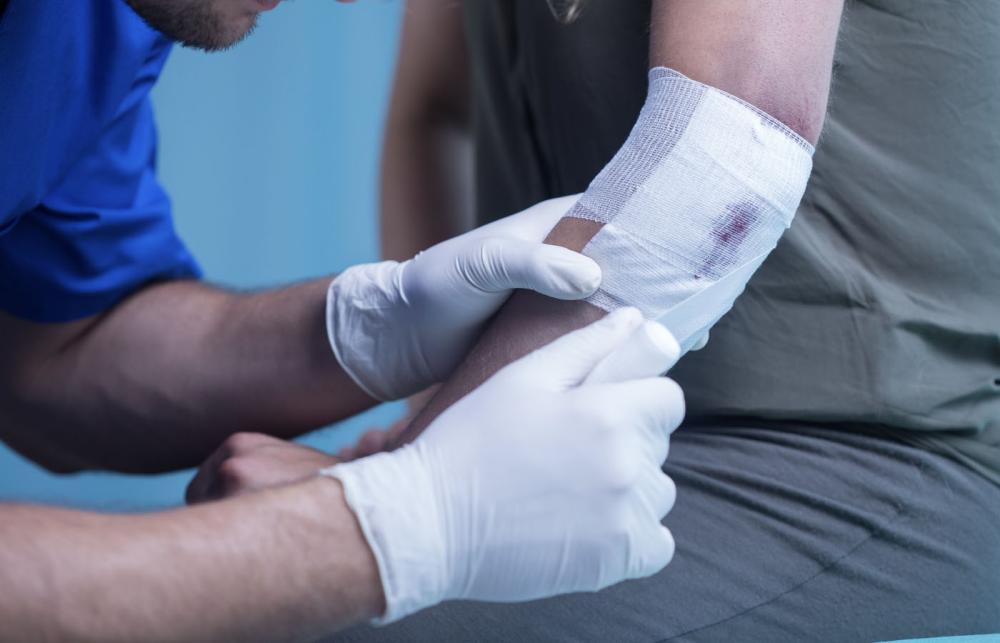
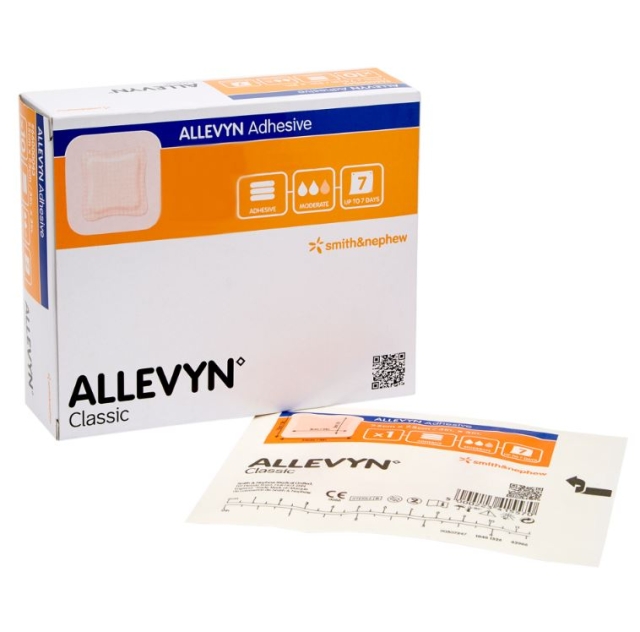
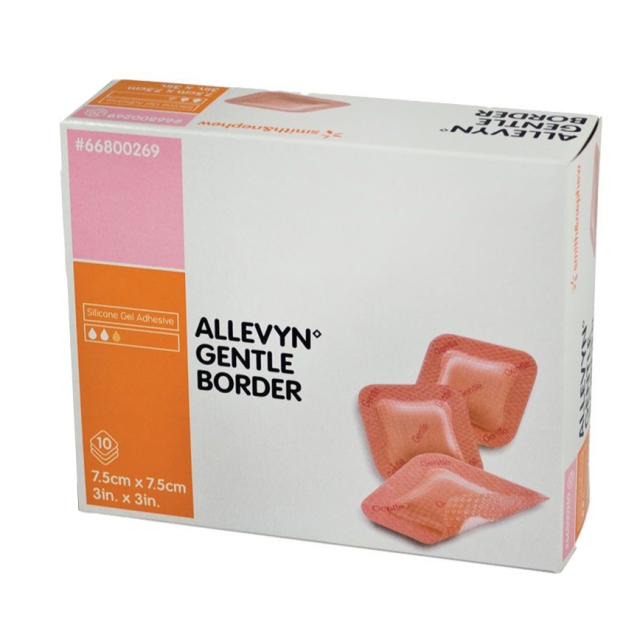
Foam dressings are soft, thick pads (often polyurethane foam) that absorb moderate amounts of fluid. They are typically used on wounds with moderate exudate to keep the wound from getting too wet. The foam cushions the wound and protects it from further injury, making it suitable for pressure ulcers, leg ulcers, diabetic foot ulcers, surgical wounds, and traumatic wounds with drainage.
Foams often come with or without adhesive borders, and many use gentle silicone adhesive for pain-free removal. They usually stay in place for 2–4 days, depending on fluid levels. They are not ideal for very dry or very wet wounds.
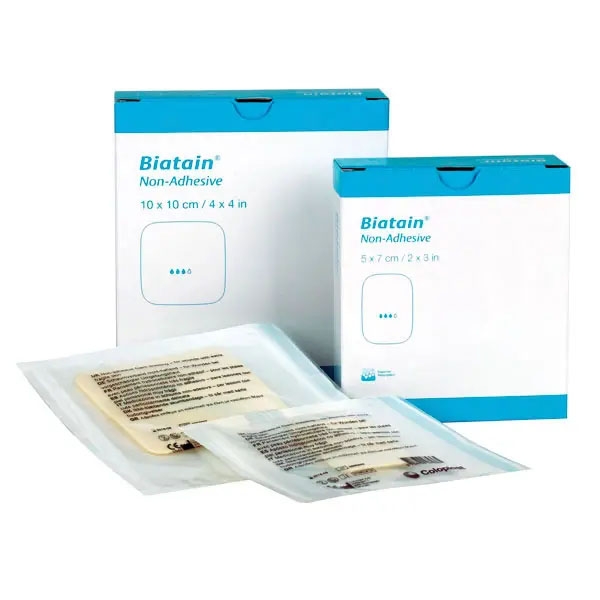
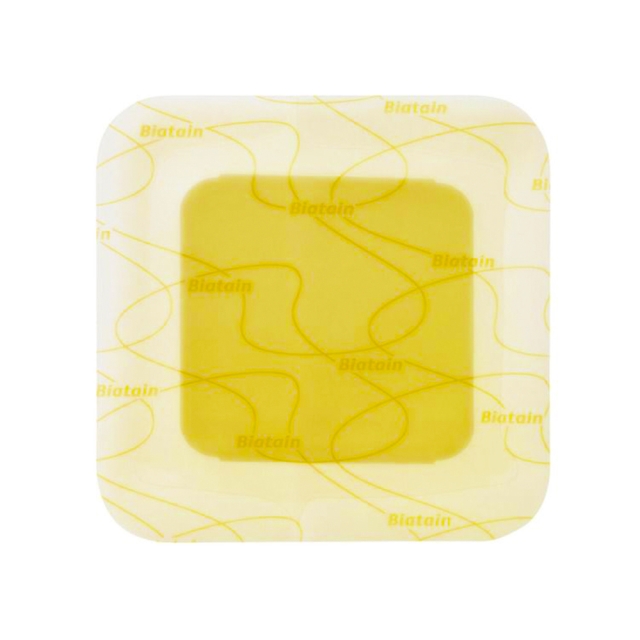
Examples: Allevyn (Smith & Nephew), Mepilex Border (Mölnlycke), Biatain (Coloplast).
Alginate Dressings
Alginate dressings are made from seaweed fibres (calcium alginate) that are highly absorbent. They turn into a soft gel when in contact with wound fluid and can absorb large volumes, making them ideal for heavily exuding wounds. They are often used in leg ulcers, deep pressure ulcers, and surgical wounds.
They require a secondary dressing and are not suitable for dry wounds. Alginates are also useful for bleeding wounds as the calcium helps clotting.
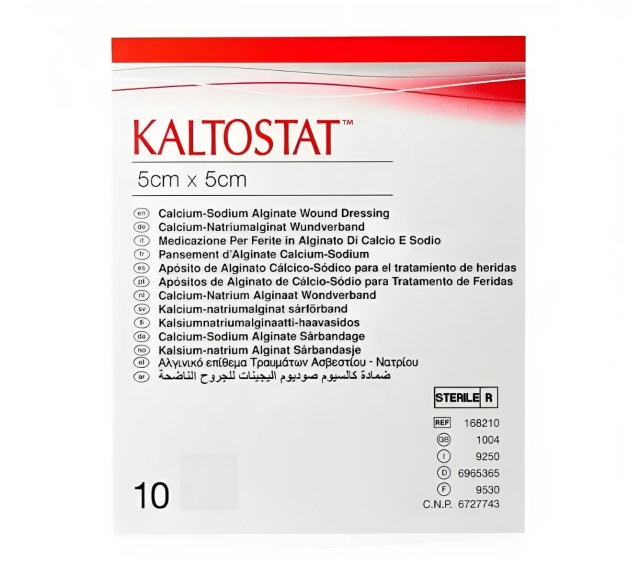
Examples: Kaltostat (Convatec), Algisite (Smith & Nephew), Sorbsan.
Hydrofiber Dressings (Gelling Fibre)
Hydrofiber dressings (e.g. Aquacel®) are cellulose fibres that gel when wet. They work similarly to alginates, absorbing heavy exudate and conforming to wound shape. Unlike alginates, they hold together better on removal. They require a secondary dressing and should not be used on dry wounds.
Examples: Aquacel Extra (Convatec), ActivHeal Aquafiber.
Hydrogel Dressings
Hydrogels donate moisture rather than absorbing it. They are ideal for dry or necrotic wounds, as they rehydrate tissue and promote autolytic debridement. Hydrogels are also soothing for burns and radiation skin damage. They need a secondary dressing and frequent changes. Not suitable for heavily exuding wounds.
Examples: IntraSite Gel (Smith & Nephew), ActiFormCool, Lomatuell
Film Dressings
Film dressings are transparent adhesive sheets that provide a waterproof, bacteria-proof barrier. They are best for superficial wounds with little to no exudate. They can also serve as secondary dressings or to protect high-friction areas. Not suitable for infected or wet wounds.
Examples: Opsite (Smith & Nephew), Tegaderm (3M).
Antimicrobial Dressings
These contain agents like silver, iodine, or honey to reduce bacterial load. They are used short-term on infected or high-risk wounds, but not recommended for routine use. NICE advises limiting use to wounds with clinical signs of infection.
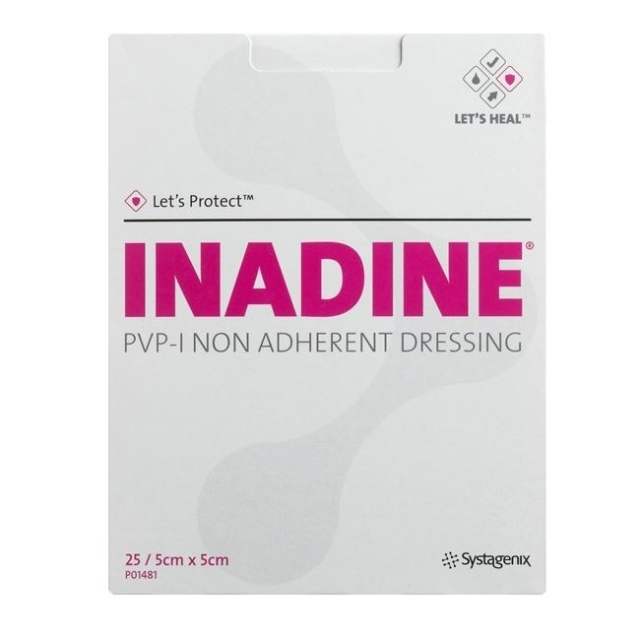
Examples: Aquacel Ag+® (silver), Inadine (iodine), Medihoney (honey-based).
Silicone Dressings (Low-Adherent)
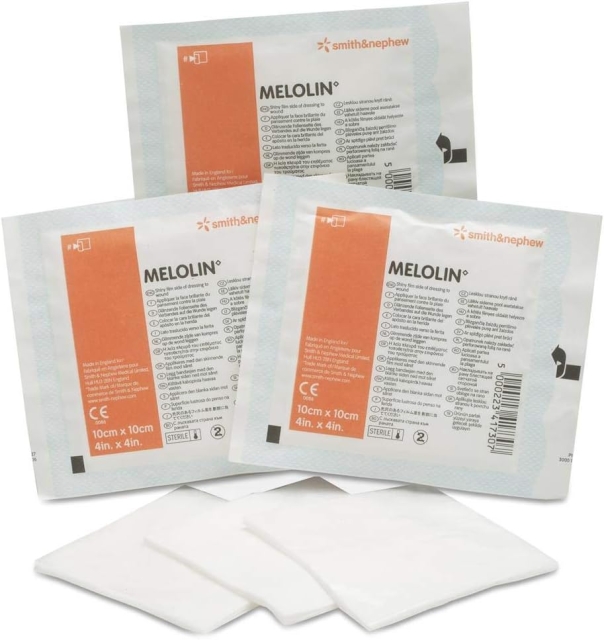
Silicone dressings are gentle, non-stick dressings that minimise pain and skin trauma during removal. They are used for fragile skin, burns, grafts, or wounds requiring frequent dressing changes. Often used as a wound contact layer under another dressing.
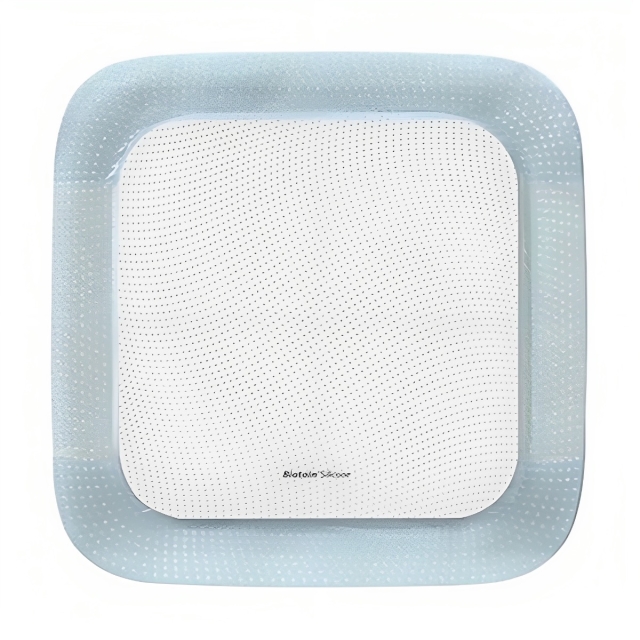
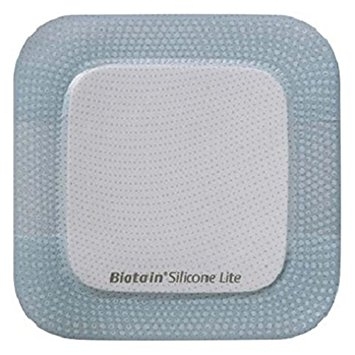
Examples: Mepitel, Adaptic Touch, Atrauman Silicone, Biatain Silicone
Common Dressings and Uses
| Dressing Type | Description & Best Uses | Example Brands (UK) |
|---|---|---|
| Hydrocolloid | Gel-forming adhesive pad. Best for light–moderate exudate; keeps wounds moist. Not for infection or heavy fluid. | DuoDERM®, Comfeel® |
| Foam | Absorbent cushioned pad. Good for moderate exudate (ulcers, surgical wounds). Not for dry wounds. | Allevyn®, Mepilex® |
| Alginate | Seaweed fibre. For heavy exudate/bleeding. Needs secondary cover. Not for dry wounds. | Kaltostat®, Algisite® |
| Hydrofiber | Synthetic fibre gel. For moderate–heavy exudate. Easier removal than alginate. Needs secondary cover. | Aquacel®, ActivHeal® Aquafiber |
| Hydrogel | Moisture-donating gel. For dry/necrotic wounds, burns. Needs secondary cover. Not for wet wounds. | IntraSite Gel®, ActiForm Cool® |
| Film | Transparent film. Protects clean, dry wounds or IV sites. Not absorbent. | Tegaderm™, Opsite™ |
| Antimicrobial | Silver, iodine, honey dressings. Short-term use on infected wounds. | Aquacel Ag®, Inadine®, Medihoney® |
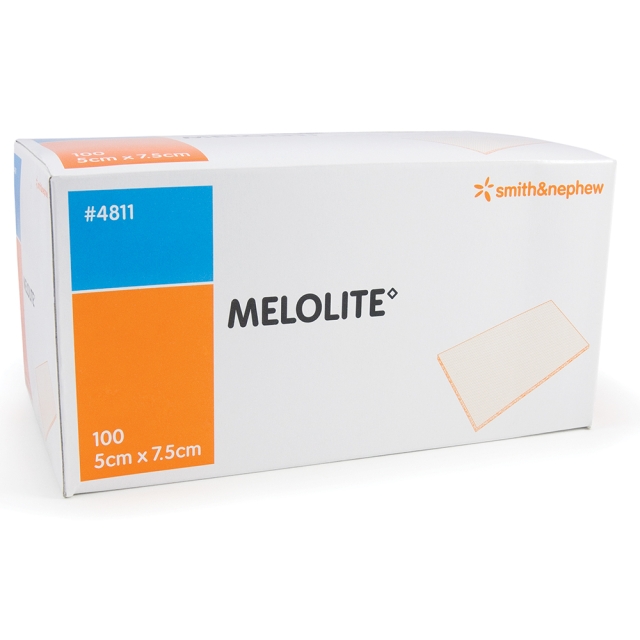
| Silicone | Low-adherent contact layers. Gentle for fragile or painful wounds. Usually combined with secondary dressing. | Mepitel®, Adaptic Touch® |
Trusted Brands and NHS-Approved Options in the UK
In the UK, many advanced dressings are available on prescription and listed in NHS formularies. Pharmacies also stock basic wound care products. Trusted brands include:
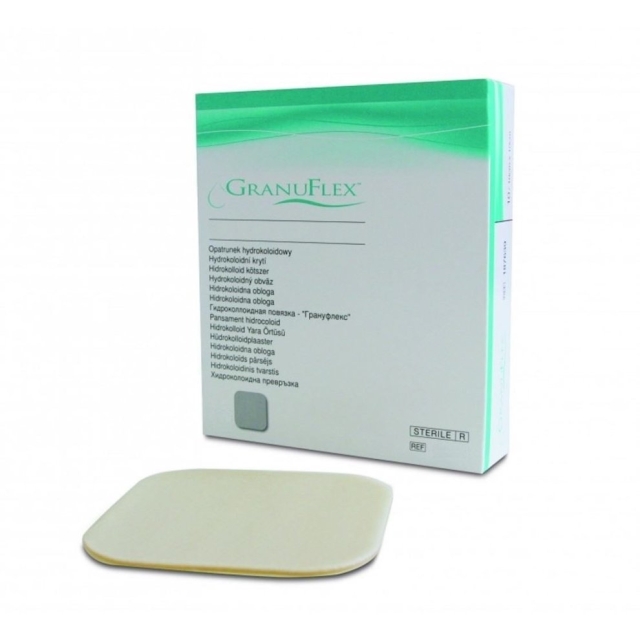
- Hydrocolloids: DuoDERM, Comfeel Plus, Granuflex, Compeed.
- Foams: Allevyn, Mepilex, Biatain, Tegaderm Foam.
- Alginates & Hydrofibers: Kaltostat, Algisite, Aquacel, ActivHeal alternatives.
- Hydrogels: IntraSite Gel, ActivHeal Hydrogel, ActiForm Cool.
- Films: Opsite™, Tegaderm™, Primapore® (island dressing).
- Antimicrobials: Inadine, Medihoney, Aquacel Ag+, Acticoat.
- Silicone layers: Mepitel, Adaptic Touch, UrgoTul.
Dressings for Different Wound Types
Pressure Ulcers
Hydrocolloids or foams for shallow ulcers; alginates or hydrofibers for deeper, wetter ulcers. Always seek early professional care.
Diabetic Foot Ulcers
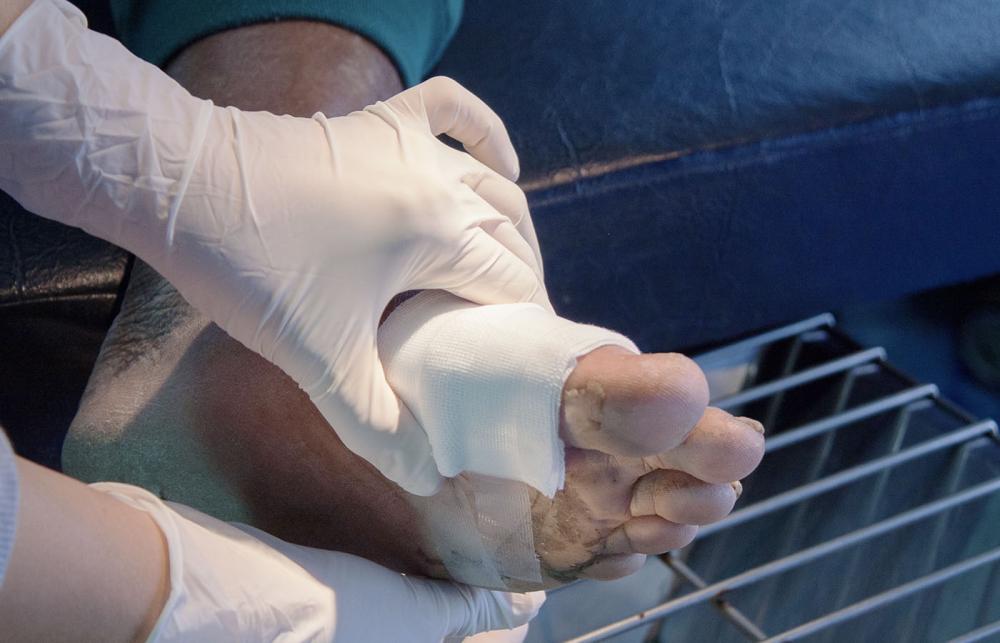
Require urgent podiatry or multidisciplinary care. Dressings may include foams, alginates, hydrogels, or antimicrobials depending on ulcer type. Offloading pressure is essential.
Venous Leg Ulcers
Main treatment is compression therapy, with absorbent dressings underneath (often alginate, hydrofiber, or foam). Always managed by trained nurses.
Surgical Wounds
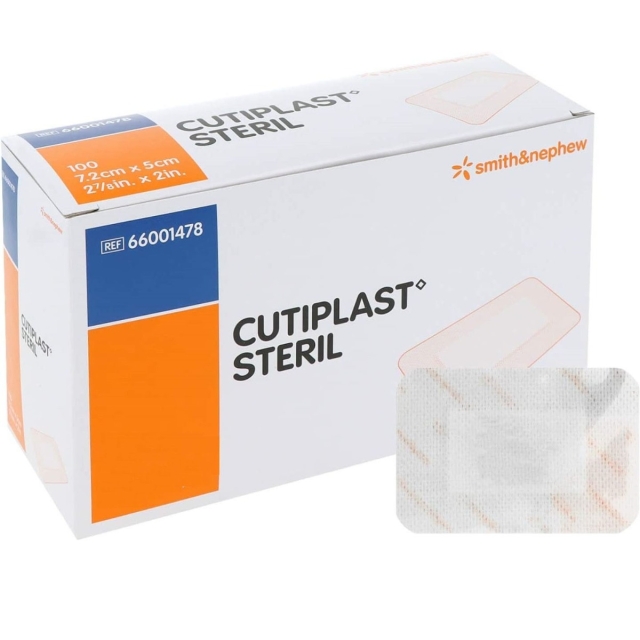
Usually require simple island dressings or films for the first 48 hours. Seek help if signs of infection appear.
Minor Cuts & Grazes
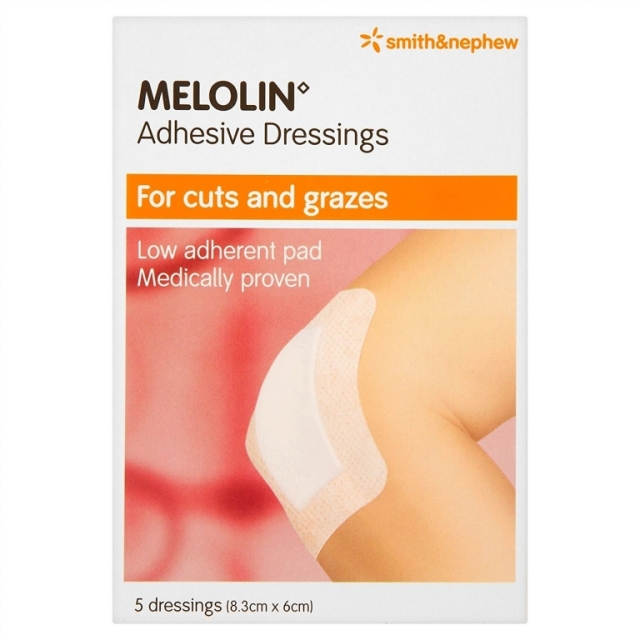
Clean with water, apply a plaster or sterile pad. Hydrocolloid plasters useful for blisters. Seek help if deep, dirty, or infected.
When to Seek Professional Help
- Signs of infection: spreading redness, pus, swelling, fever.
- Heavy bleeding that won’t stop.
- Large, deep, or gaping wounds.
- Animal or human bites.
- Wounds not healing after 7–10 days.
- Underlying conditions like diabetes or poor circulation.
- Pressure ulcers or foot ulcers in diabetics.
Practical Tips for Home Wound Care
- Wash hands before/after dressing changes.
- Use clean saline or tap water to rinse wounds.
- Secure dressings without cutting circulation.
- Check for irritation or signs of infection at each change.
- Keep tetanus vaccination up to date.
- Support healing with a healthy lifestyle.
Conclusion
Wound care might seem daunting with all the types of dressings available, but the key principles are straightforward: keep the wound clean, moist (but not too wet), and protected. Use dressings that suit the wound’s needs – absorbing fluid if it’s leaky, donating moisture if it’s dry, adding antimicrobial action if it’s infected, and being gentle if the skin is fragile.
The UK has a wealth of tried-and-tested wound dressings, and the NHS provides guidance (like NICE guidelines) to ensure patients get effective, evidence-based care. By understanding the basics outlined in this guide, you can confidently manage minor wounds.
With the right dressing and care, most wounds – from everyday cuts to chronic ulcers – can heal well.
Sources
The information in this article is drawn from reputable UK sources, including NHS guidelines and NICE evidence summaries on wound management. For example, NICE emphasises choosing cost-effective dressings that meet the wound’s requirements and using silver dressings only for infected wounds.
Wounds UK publications provide insight into dressing types and their uses. NHS patient resources offer advice on when to seek medical help for wounds. These and other sources are cited throughout the text to ensure the advice here is up-to-date and trustworthy as of 2025.
Wound care may seem complex, but the principles are simple: keep wounds clean, moist and protected. Use dressings that match the wound’s needs and seek help if healing stalls or infection develops.
NHS-approved products ensure safety and quality, whether prescription dressings or pharmacy supplies.
Information drawn from NHS guidelines, NICE evidence summaries, and Wounds UK publications on wound management (2025).
You can view Algeos Wound Dressings
Wound Product Categories:
- Medical Dressing Gauze – Versatile, absorbent gauze dressings for cleaning, packing and covering a wide range of acute and chronic wounds.
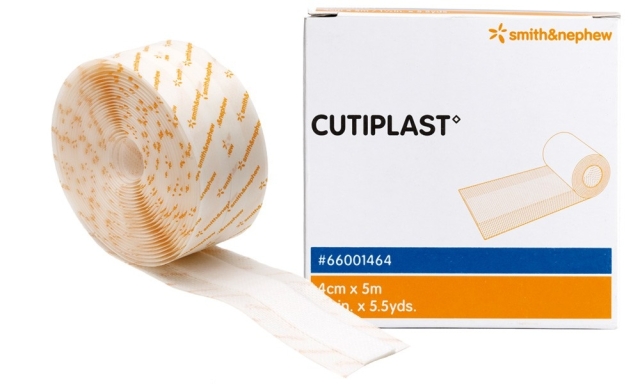
- Dressing Tape for Wound Care – Adhesive fixation tapes designed to secure primary dressings in place, protect wounds and maintain patient comfort.
- Non Adherent & Silicone Dressings – Low-trauma dressings that protect delicate tissue and minimise pain by preventing the dressing from sticking to the wound bed.
- Hydrocolloid Wound Dressings – Gel-forming dressings that create a moist healing environment for low to moderately exuding wounds such as pressure ulcers and minor burns.
- Bandages & Plasters – Comprehensive range of bandages and adhesive plasters for everyday wound protection, support and secure coverage of minor injuries.
- Hydrogel Dressings Wound Care – Hydrating dressings that cool, soothe and re-moisturise dry or necrotic wounds while supporting gentle autolytic debridement.
- Alginate Wound Dressings – Highly absorbent seaweed-based dressings ideal for moderate to heavily exuding wounds, forming a gel that maintains a moist wound environment.
- Transparent Dressings – Thin, waterproof film dressings that protect wounds from contamination while allowing easy visual monitoring of the wound site.
- Foam Wound Dressings – Soft, absorbent foam dressings providing cushioning and exudate management for moderate to heavily exuding wounds such as ulcers and pressure sores.
Revised 22nd January 2026
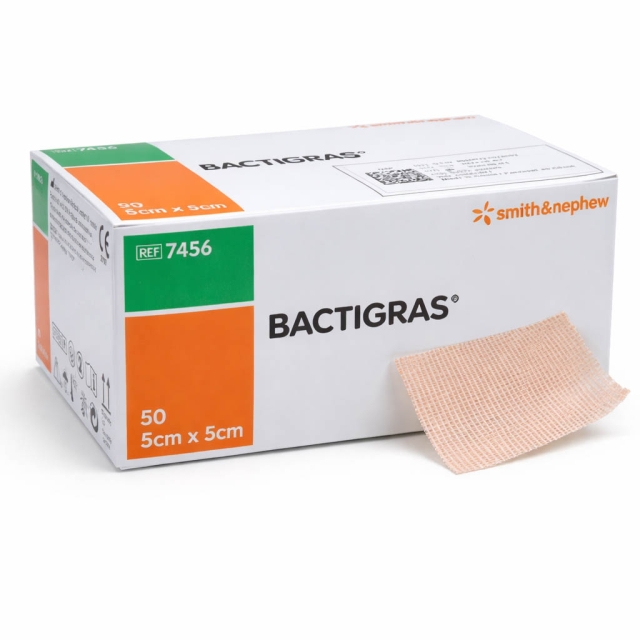


Sold: Pack of 50
Incl. VAT Exl. VAT