



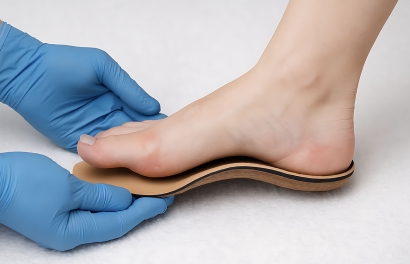
A practical guide to heel pain, how insoles help, and which Algeos orthotic solutions can support comfort, stability and recovery in daily life and clinical care.
Heel pain is one of the most common foot problems seen in clinics and everyday life. It can affect walking, work, sport, standing tolerance and even the first few steps out of bed in the morning. For many people, the pain is linked to plantar fasciitis, but heel pain can also come from fat pad irritation, Achilles tendon problems, heel spurs, poor footwear, over-pronation or repeated impact.
The right insoles can make a real difference. A good heel pain insole should support the arch, cushion impact, stabilise the rearfoot and improve how pressure moves through the foot. This can reduce strain on painful tissues and make standing or walking more comfortable.
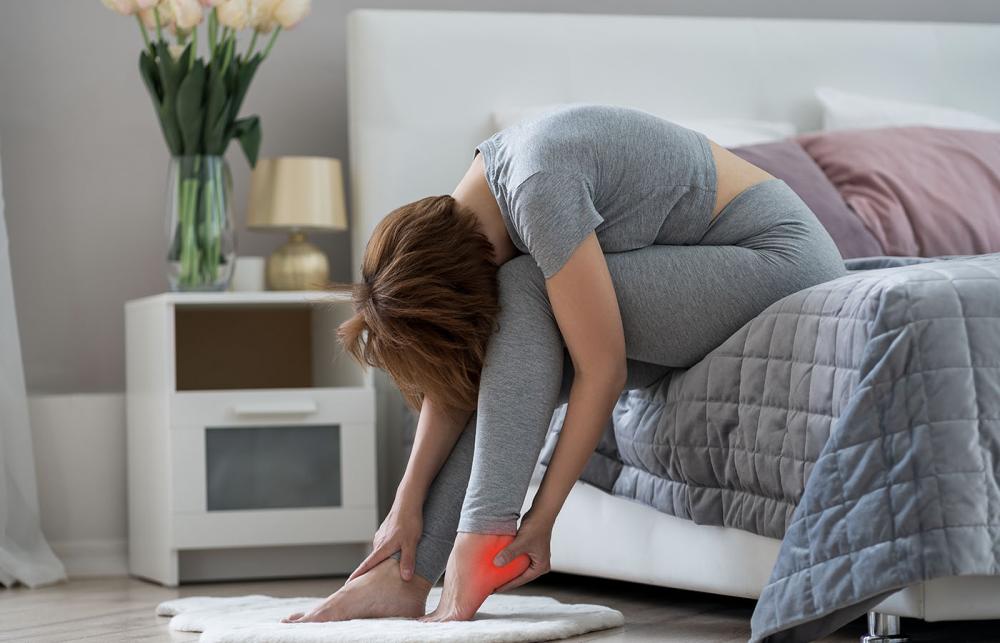
Looking for insoles for heel pain? Algeos offers a wide range of orthotic insoles used by podiatrists, clinicians and patients to support plantar fasciitis, heel pain, arch strain and poor foot mechanics.
Plain English summary: the best insoles for heel pain are not just soft cushions. They combine heel cushioning, arch support and rearfoot stability to reduce pressure and improve the way the foot functions during standing and walking.
What causes heel pain?
Heel pain is pain felt underneath, behind or around the heel. It is often caused by repeated loading, poor shock absorption, strain through the plantar fascia, irritation of the heel fat pad, Achilles tendon stress or poor foot posture.
The most common pattern is pain under the heel that is worse with the first steps in the morning or after sitting. This is often associated with plantar fasciitis, where the plantar fascia becomes irritated or overloaded near its attachment at the heel bone.
Heel pain is not always the same condition in every person. That is why the best insole depends on where the pain is, how the foot moves, the person’s footwear, body weight, activity level and whether the problem is new, recurring or long-standing.
Insole options for heel pain support
Different types of heel pain need different insole features. Some people need more cushioning under the heel. Others need firmer arch support, better rearfoot control or a slimmer orthotic that fits work shoes.
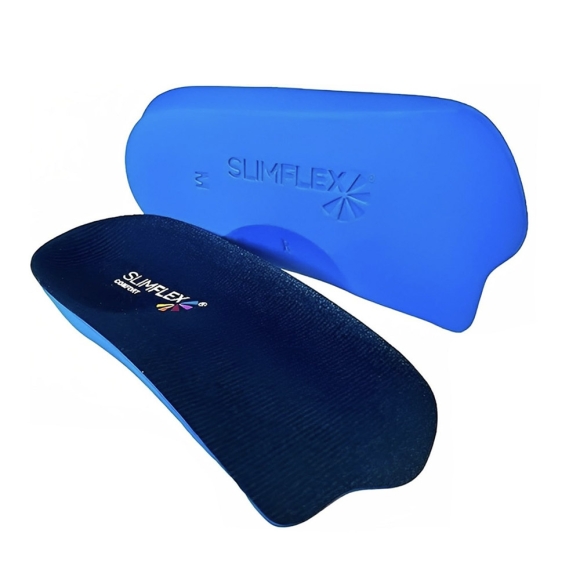
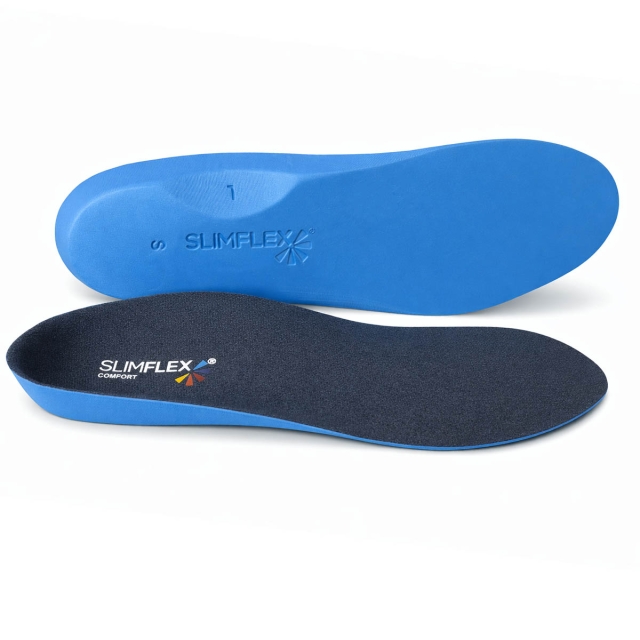
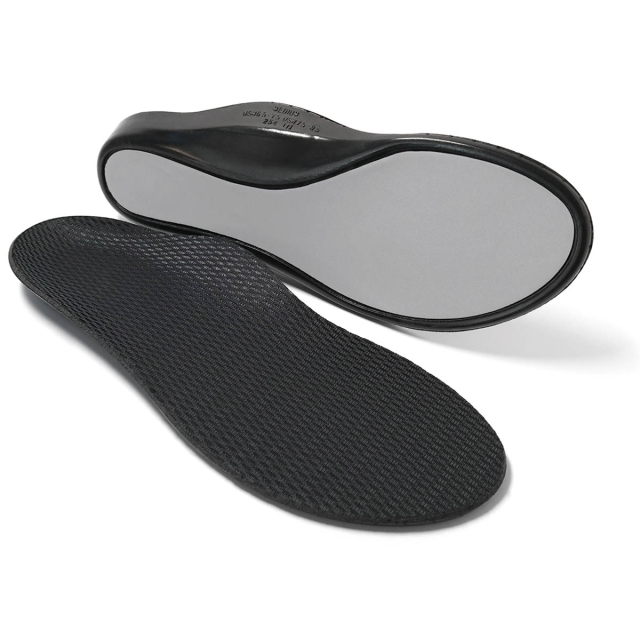
Slimflex Comfort
Everyday support for heel pain, plantar fasciitis and general arch strain.
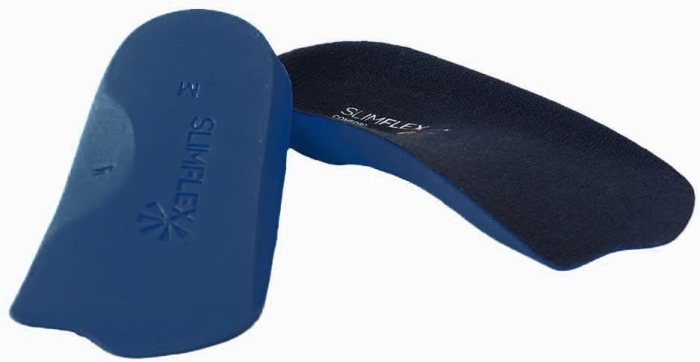
Slimflex Comfort HD
Higher-demand support for standing, walking and heavier daily loading.
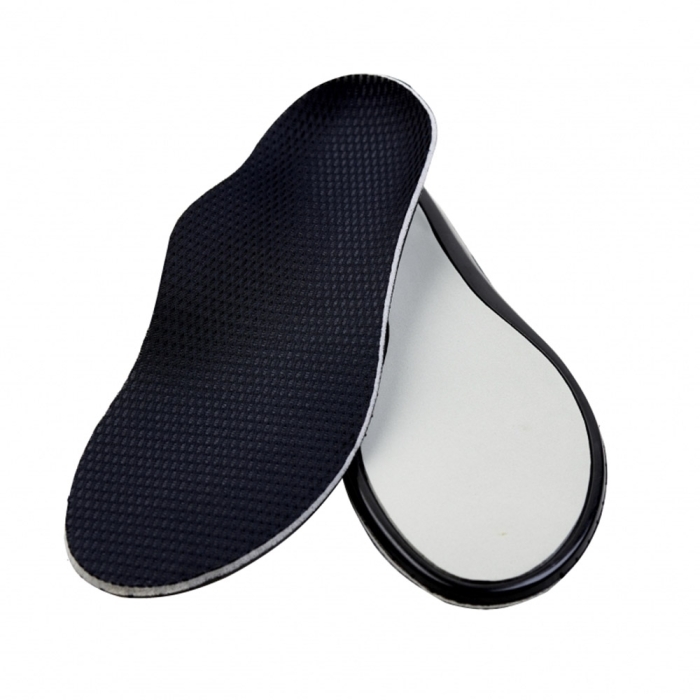
Interpod insoles
Clinical-style orthotic support for pronated feet and mechanical heel pain.
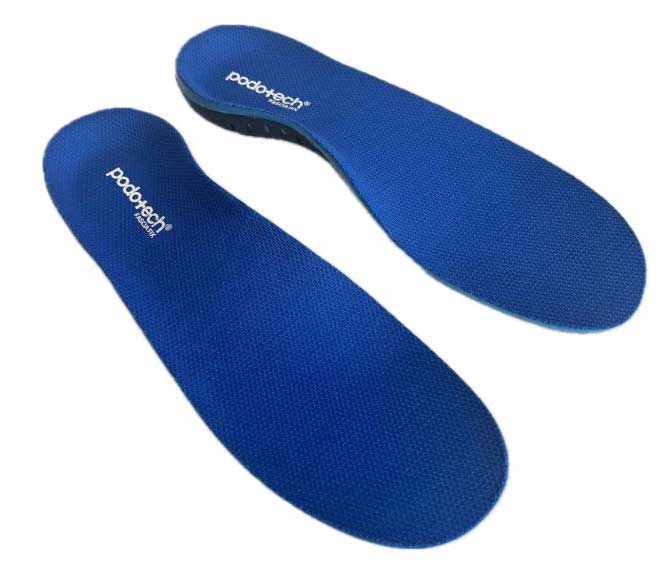
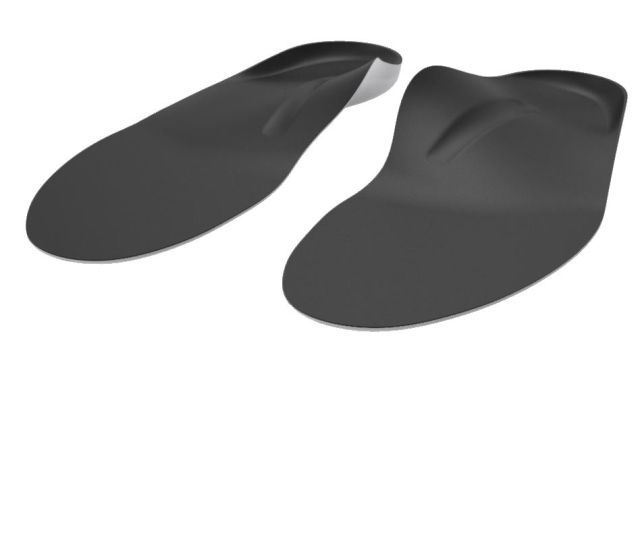
FasciaFix
Condition-specific support for plantar fascia strain and heel pain.
How insoles help heel pain
Each step places force through the heel, arch and forefoot. If the foot lacks support, absorbs shock poorly or rolls in excessively, pressure can become concentrated around the heel. Insoles help by changing how forces are distributed through the foot.
A good heel pain insole should not simply add padding. It should help the heel sit more securely, support the arch and reduce repetitive strain during walking and standing.
Key benefits of insoles for heel pain
- Heel cushioning: helps reduce impact forces at heel strike.
- Arch support: reduces excessive strain through the plantar fascia and supports the midfoot.
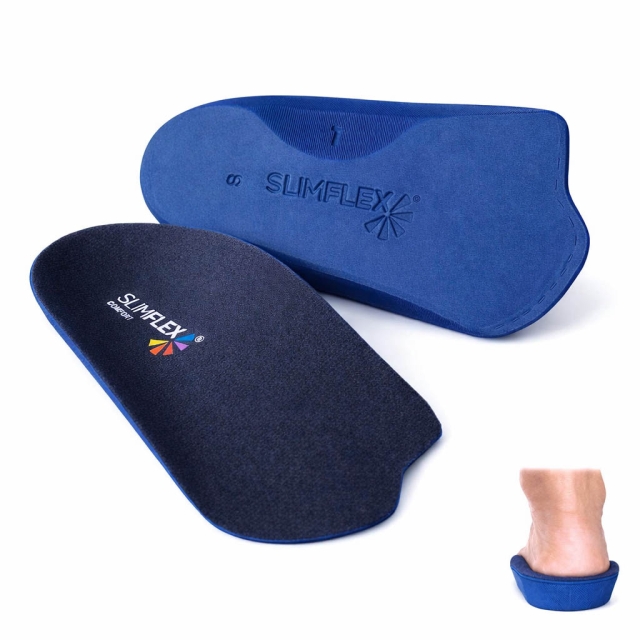
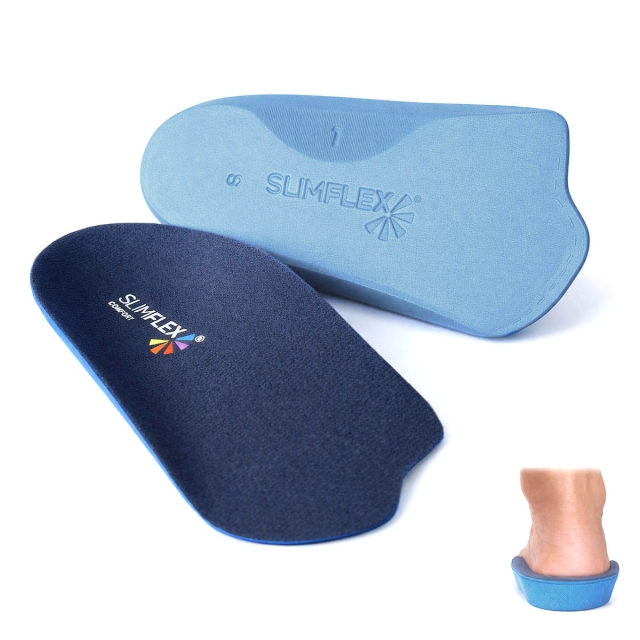
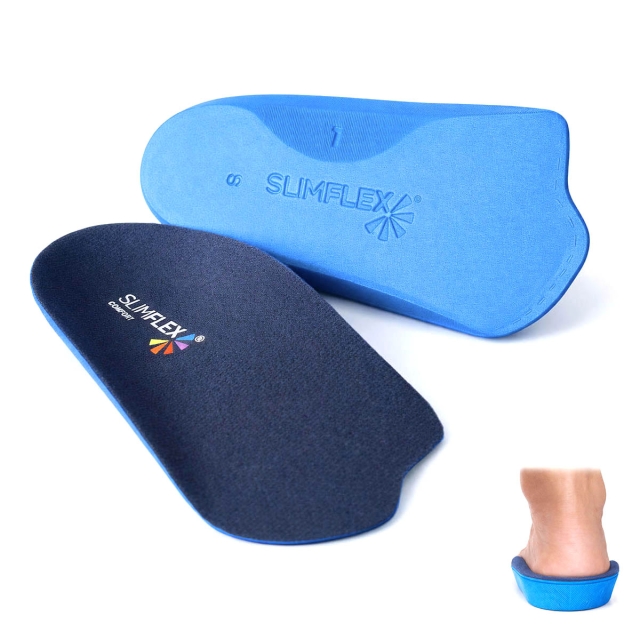
- Heel stabilisation: a contoured heel cup helps control rearfoot movement.
- Pressure redistribution: spreads load more evenly across the foot instead of concentrating pressure under the heel.
- Improved alignment: better foot posture can reduce strain through the heel, ankle, knee and lower limb.
For many people, insoles are most effective when combined with supportive footwear, calf stretching, plantar fascia stretching, gradual strengthening and sensible activity modification.
Types of heel pain and the insole features that help
| Heel pain type | Common symptoms | Helpful insole features |
|---|---|---|
| Plantar fasciitis | Sharp pain under the heel, often worse with first steps in the morning. | Structured arch support, heel cushioning and a stable heel cup. |
| Heel fat pad irritation | Bruised or deep aching pain directly under the heel, often worse on hard floors. | Shock-absorbing heel cushioning and pressure redistribution. |
| Over-pronation-related heel pain | Heel and arch discomfort linked to the foot rolling inwards excessively. | Firmer arch support and rearfoot control. |
| High-arch impact pain | Heel soreness linked to poor natural shock absorption. | Cushioning plus supportive structure to spread load. |
| Achilles-related heel pain | Pain behind the heel or at the back of the ankle. | Heel lift or cushioning may help some users, but professional assessment is recommended. |
| Work-related heel pain | Heel pain after long shifts, standing or walking on hard floors. | Durable cushioning, arch support and a stable fit inside work footwear. |
What people commonly report when using insoles
People using supportive insoles for heel pain often report improved comfort during walking and standing. Morning heel pain may become less intense, and longer periods on the feet can feel more manageable.
Some users notice immediate cushioning comfort, while arch support and biomechanical control often take longer to feel natural. Firmer orthotic insoles can feel unusual at first, especially under the arch, so a gradual break-in period is usually recommended.
Long-term users often value the preventative role of insoles. Once heel pain is under control, continued support can help reduce repeated flare-ups, especially for people who stand for long periods, wear work footwear or have recurring plantar fasciitis symptoms.
Step-by-step guide to using insoles for heel pain
1. Identify where the heel hurts
Pain under the heel may point towards plantar fasciitis or fat pad irritation. Pain behind the heel may involve the Achilles tendon. The pain location helps guide the best insole type.
2. Check your footwear
Even the best insoles work poorly in unsupportive shoes. Choose footwear with a stable sole, enough depth and a secure fastening where possible.
3. Choose the right level of support
Mild heel pain may respond to cushioning and moderate arch support. Recurring pain, over-pronation or long-standing symptoms may need firmer orthotic control.
4. Fit insoles correctly
Insoles should sit flat inside the shoe without bunching, sliding or lifting at the heel. Remove the shoe’s existing footbed if needed and if the shoe allows it.
5. Build up wear time gradually
Start with one to two hours per day, then increase gradually over one to two weeks. This helps the foot adapt, especially with firmer orthotic insoles.
6. Combine with stretching and load management
Calf stretching, plantar fascia stretching and reducing sudden spikes in standing, walking or running can improve results.
7. Reassess if pain persists
If heel pain does not improve, worsens or affects normal daily life, assessment by a podiatrist, physiotherapist or healthcare professional is recommended.
Recommended insoles for heel pain
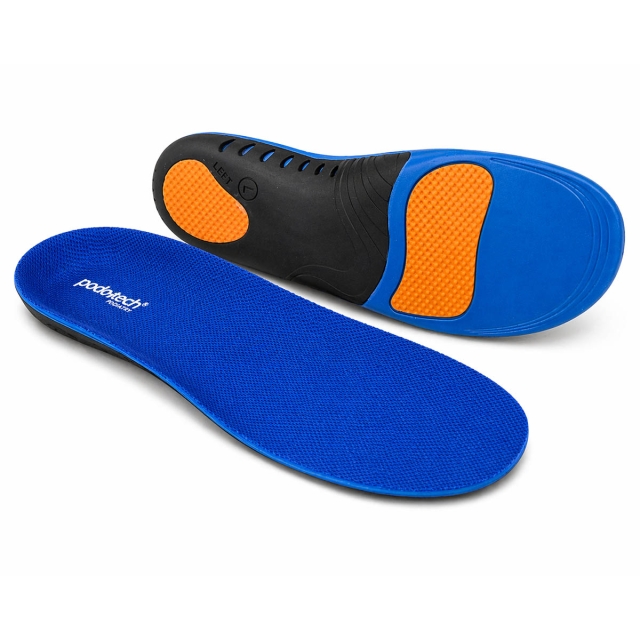
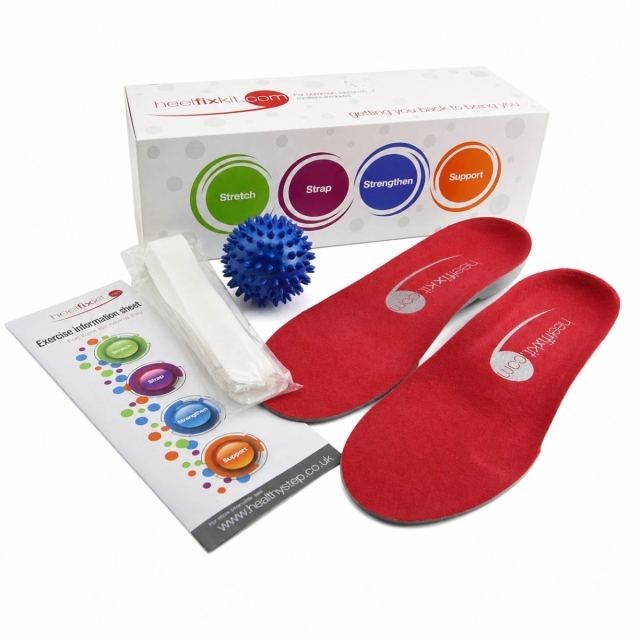
Algeos offers a broad range of orthotic insoles commonly used by clinicians and patients to manage heel pain, plantar fasciitis and poor foot mechanics. The products below vary in support level, profile and application.
| Product image | Product | Best for | Product link |
|---|---|---|---|
|
Slimflex Comfort Orthotic Insoles | Everyday heel pain, plantar fasciitis, moderate arch support and shoes with limited space. | View product |
|
Slimflex Comfort HD Orthotic Insoles | Heavier users, prolonged standing, work footwear and higher mechanical demand. | View range |
|
Interpod Arch Support Insoles | Pronated feet, biomechanical correction, clinical prescription and mechanical heel pain. | View range |
|
FasciaFix Plantar Fasciitis Insoles | Condition-specific plantar fascia support, heel cushioning and daily comfort. | View range |
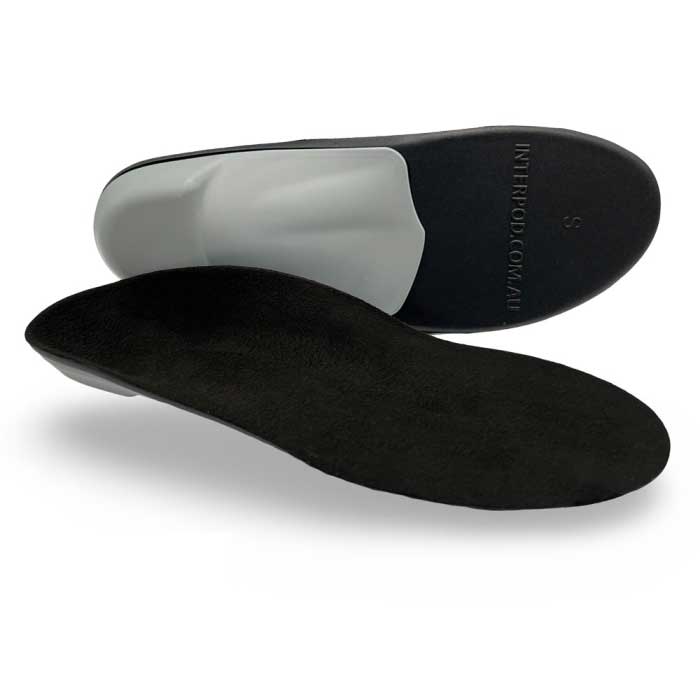 |
Interpod Flex Heel Cup Orthotics | Heel pain with poor rearfoot control and users who need heel-focused support. | View range |
How to choose the best insoles for heel pain
Choosing the best insole for heel pain is not about softness alone. The most effective insoles combine cushioning, structure and stability. The right choice depends on the cause of pain, foot type, footwear and daily activity.
Look for structured arch support
Heel pain is often linked to poor load distribution through the foot. Insoles with structured arch support help reduce strain through the plantar fascia and improve weight transfer from heel to forefoot.
Very soft or flat insoles may feel comfortable at first, but they often fail to provide enough long-term support for recurring heel pain.
Prioritise heel stability and cushioning
A deep heel cup helps keep the back of the foot stable. This can reduce unwanted heel movement and help the heel sit more securely in the shoe. Targeted cushioning can reduce impact forces, especially on hard floors.
Match the insole to your foot type
- Flat or over-pronated feet: often benefit from firmer arch support and motion control.
- High arches: may need more shock absorption alongside supportive structure.
- Neutral feet: typically do well with balanced support and cushioning.
- Sensitive heels: may need softer heel cushioning but still benefit from arch support.
Consider your footwear and daily activity
Insoles should fit securely inside everyday shoes without crowding the toes or lifting the heel excessively. Some insoles are better suited to trainers and walking shoes, while slimmer designs may work better in work shoes or dress footwear.
Give insoles time to work
Heel pain relief is rarely instant. Many people notice gradual improvement over two to six weeks as the foot adapts and symptoms settle. Insoles work best when combined with stretching, load management and appropriate footwear.
Insole comparison: which option suits which heel pain user?
| Insole type | Main benefit | Best suited to | Consideration |
|---|---|---|---|
| Cushioned heel insoles | Impact reduction and heel comfort. | Early or mild heel pain, sensitive heels and low mechanical demand. | May not provide enough arch support for plantar fasciitis or over-pronation. |
| Arch support insoles | Reduces strain by supporting the arch and improving pressure transfer. | Most common heel pain cases, especially plantar fasciitis and arch fatigue. | Needs correct fit and gradual wear-in. |
| Firm orthotic insoles | Better control of foot posture and load transfer. | Pronated feet, recurring symptoms and higher activity levels. | Can feel firm at first and may need a break-in period. |
| Heel cup orthotics | Improves rearfoot stability and heel containment. | Heel-dominant pain and poor rearfoot control. | May not provide full-length arch support. |
| Condition-specific heel pain insoles | Combines arch support, heel cushioning and fascia-focused design. | Users wanting a targeted plantar fasciitis or heel pain solution. | Fit depends on footwear depth and available shoe space. |
What else helps heel pain?
Insoles are important, but they work best as part of a wider management plan. Most people need a combination of support, stretching, gradual loading and footwear changes.
- Supportive footwear: shoes with stable soles and enough depth help insoles work properly.
- Calf stretching: tight calf muscles can increase strain through the heel and plantar fascia.
- Plantar fascia stretching: gentle stretching of the arch before first steps may reduce morning pain.
- Activity modification: reduce sudden spikes in walking, running or standing during flare-ups.
- Gradual strengthening: progressive foot and calf strengthening can improve long-term resilience.
- Avoiding barefoot hard-floor walking: slippers or supportive footwear can help some people at home.
Need clinical supplies for foot care? Algeos provides podiatry supplies, orthotic therapy products and rehabilitation solutions for clinicians and healthcare settings.
When to seek professional advice
Many cases of heel pain improve with conservative care, but professional assessment is recommended if symptoms persist, worsen or interfere with normal daily life.
Seek advice from a podiatrist, physiotherapist or healthcare professional if: heel pain lasts more than a few weeks, pain is severe, symptoms are worsening, you cannot walk normally, there is swelling or bruising, you have numbness or tingling, pain follows an injury, or you have diabetes, inflammatory arthritis or another condition that affects foot health.
Common questions about the best insoles for heel pain
- What are the best insoles for heel pain?
- The best insoles for heel pain usually combine heel cushioning, arch support and rearfoot stability. Soft cushioning alone may help impact pain, but structured support is often needed for plantar fasciitis, over-pronation and recurring heel pain.
- Do insoles cure heel pain?
- Insoles do not cure every cause of heel pain by themselves, but they can reduce pain, improve foot mechanics and support recovery. They work best alongside stretching, load management and supportive footwear.
- Are custom orthotics better than prefabricated insoles?
- Custom orthotics can be useful for complex, persistent or unusual cases. However, many people get effective relief from high-quality prefabricated insoles that provide good arch support, heel control and cushioning.
- Are soft gel insoles good for heel pain?
- Soft gel insoles can help cushion the heel, especially on hard floors. However, they may not provide enough arch support or heel stability for long-term heel pain linked to plantar fasciitis or poor foot mechanics.
- How long should I wear heel pain insoles each day?
- Wear insoles during most weight-bearing activities, especially when walking or standing for long periods. A gradual wear-in period over the first few days is usually the most comfortable approach.
- How quickly do heel pain insoles work?
- Some people feel more comfortable quickly, but meaningful improvement often takes two to six weeks. Recovery depends on the cause of heel pain, symptom duration, footwear, activity level and whether stretching or strengthening is included.
- Can I wear heel pain insoles in multiple pairs of shoes?
- Yes, but fit and support vary between shoes. If you switch footwear often, it may help to have more than one pair of insoles suited to different shoe types.
- Should I wear insoles at home?
- If hard floors aggravate symptoms, supportive footwear with insoles can help at home. Walking barefoot on hard floors often increases morning or evening heel pain for some people.
- When should I see a healthcare professional?
- If heel pain lasts more than a few weeks, gets worse or affects daily life, see a podiatrist, physiotherapist or healthcare professional. They can confirm the cause and rule out other problems.
Summary: choosing the best insoles for heel pain
The best insoles for heel pain provide more than soft cushioning. They support the arch, stabilise the heel, improve pressure distribution and reduce strain during daily activity.
For mild heel pain, a cushioned supportive insole may be enough. For recurring symptoms, plantar fasciitis, over-pronation, prolonged standing or higher mechanical demand, firmer orthotic control may be needed. Fit, footwear and gradual wear-in are all important.
Sold: Each
Incl. VAT Exl. VAT