

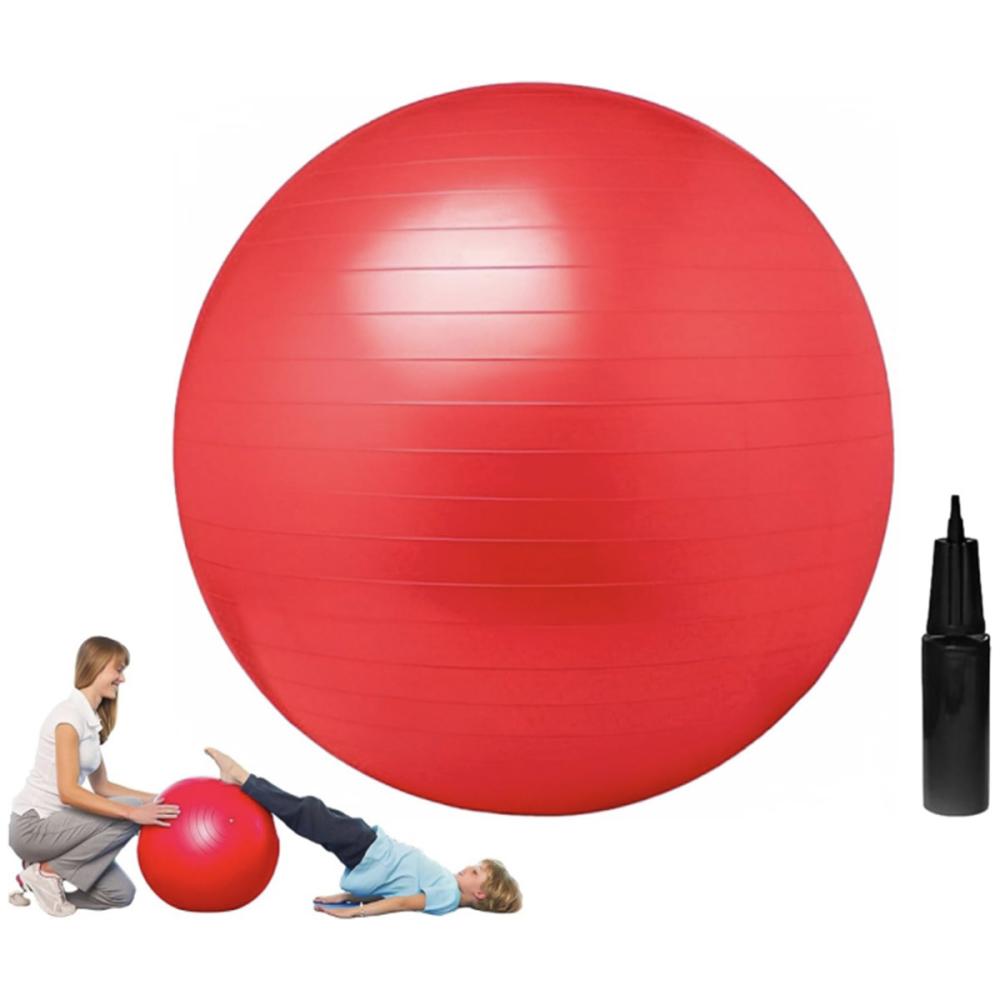
Exercise balls are underestimated for their simplicity. These simple objects have many uses for people of all ages, abilities, and fitness levels.
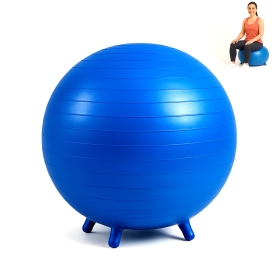
 Exercise Ball with Feet - 55cm£10.80 £9.00£18.90 £15.75
Sold: Each
Incl. VAT Exl. VAT

Sold: Each
Incl. VAT Exl. VATExercise balls are a simple, versatile way to support core training, balance work, mobility routines, active sitting and selected rehabilitation programmes. Also known as stability balls, Swiss balls or physio balls, they are widely used in gyms, clinics, therapy rooms, offices and home exercise settings.
Their unstable surface encourages the body to make small postural adjustments, helping to activate the deep core muscles, improve balance awareness and support better control through the hips, pelvis, spine and shoulders. This makes them useful for a broad range of exercises, from gentle seated mobility work to more challenging strength and conditioning routines.
The balls can be used for stretching, strengthening, posture training, pregnancy exercise, Pilates-style movements, balance drills and controlled rehabilitation exercises. They are also popular for active sitting, where the user sits on the ball for short periods to encourage upright posture and light core engagement.
Because they are lightweight, portable and easy to store, exercise balls are a practical option for clinics, schools, gyms and home users. They can be incorporated into warm-ups, therapy programmes, desk-based movement breaks or full-body workouts.
Available in different sizes to suit user height and exercise type, gym balls offer a low-cost, adaptable tool for improving movement, stability and confidence during exercise.
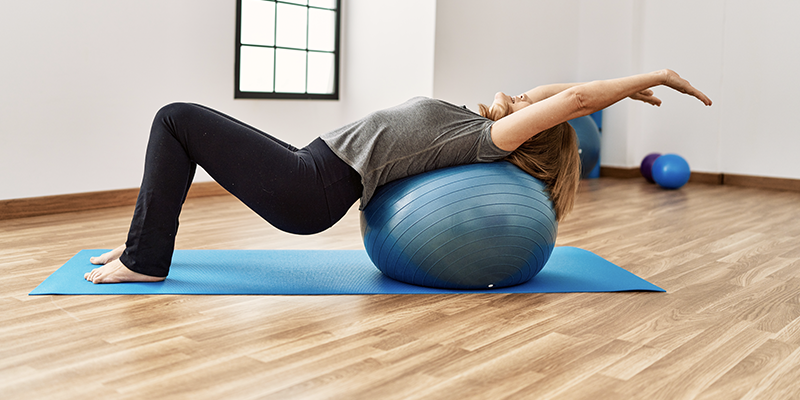
Gym balls (AKA exercise balls) are inflatable exercise aids used to introduce controlled instability into movement. That instability can encourage trunk engagement, balance reactions and body awareness during selected exercises.
In practical terms, they are often used for core work, mobility drills, seated exercises, low-impact conditioning, Pilates, yoga and rehabilitation progressions.
They can also be useful outside a traditional workout. Some people use them for gentle movement breaks, pregnancy positioning, clinic-based exercise programmes or sensory activities where a soft, dynamic surface is helpful.
Our balls are suitable for strength training, core stability, rehabilitation, balance exercises and broader wellbeing use across home and clinical settings.
If you want one all-round option, start with a standard anti-burst gym ball sized to the user. If you need more control, consider a peanut ball. If the goal is smaller Pilates-style movements, choose a compact soft ball instead.
The usual choice for home exercise, general conditioning, core work, stretching and posture-focused movement. Choose from above or see a heavier-duty option such as the 250kg gym ball.
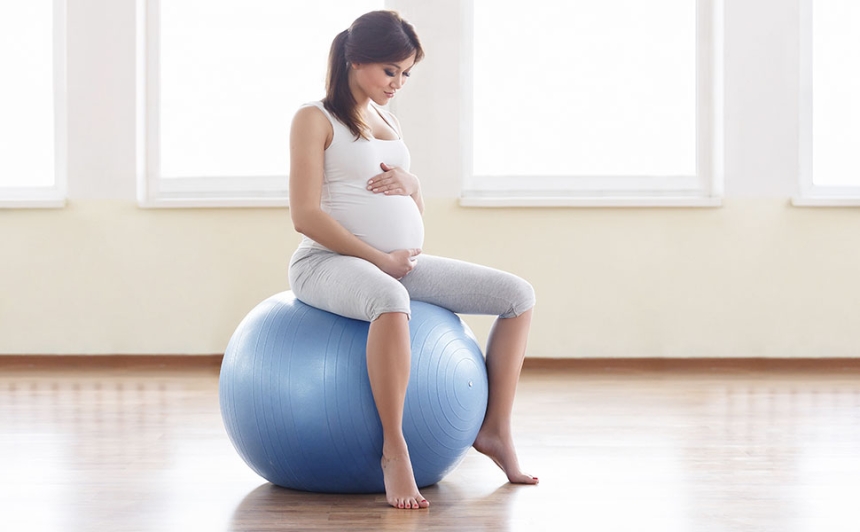
Designed for supported movement, comfort and position changes during pregnancy and beyond. A practical example is the Pregnancy Ball 75cm.
The peanut shape offers a broader base and can feel more stable than a round ball for some users. See the Peanut Yoga Ball 70cm or the Peanut Yoga Ball 90cm.
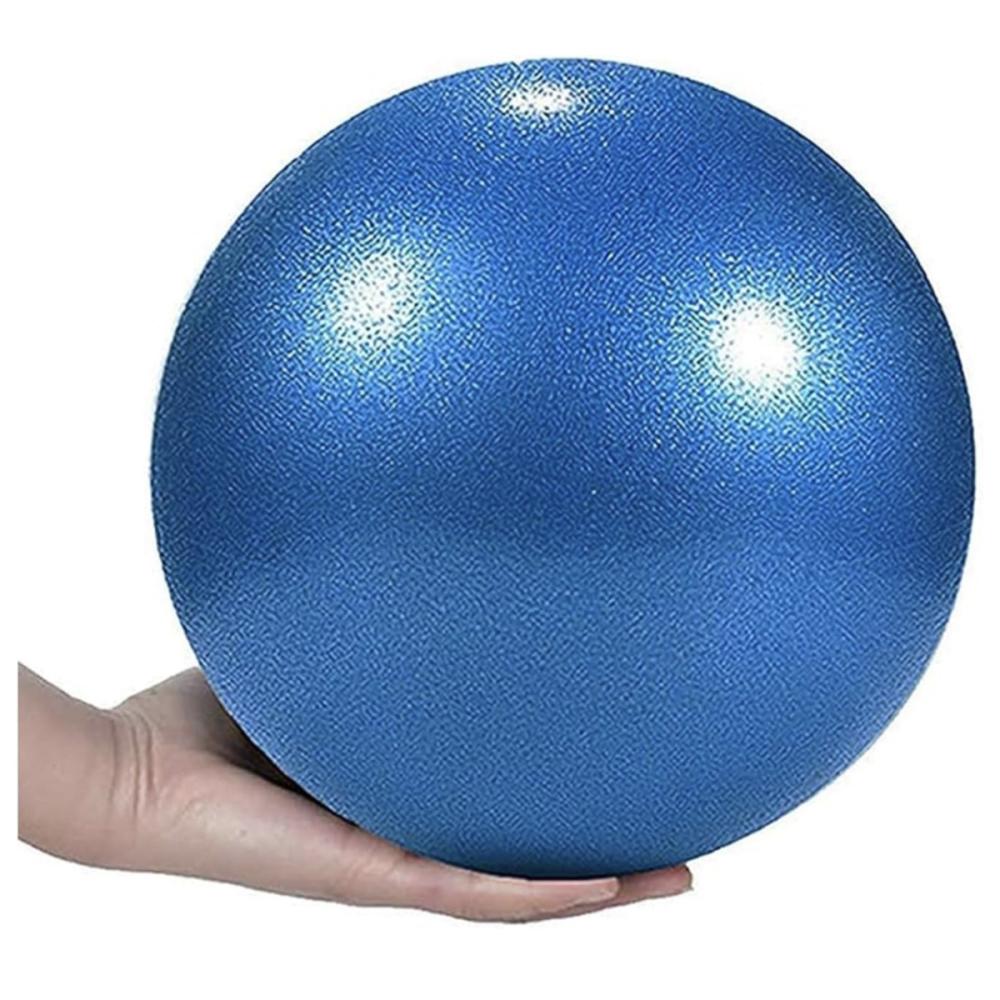
Ideal for controlled floor-based work, adductor activation, mobility drills and Pilates routines. The Physioworx Pilates Ball is a useful example.
| Concern or goal | How a gym ball may help |
|---|---|
| Core strength and everyday conditioning | Can add controlled instability to selected exercises for trunk, hip and shoulder work. |
| Balance and proprioception | Useful alongside wider balance training tools, particularly in progressive home or clinic programmes. |
| Back comfort and posture-focused movement | May support mobility and exercise routines where posture, trunk endurance and movement confidence are part of the goal. |
| Pregnancy movement and comfort | Can provide gentle support for seated mobility, pelvic movement and position changes. |
| Muscle stiffness and recovery routines | Often works well as part of a broader recovery set-up rather than as a stand-alone item. |
| Home rehab progression | Can be integrated into structured strengthening, mobility and control work when clinically appropriate. |
Decide whether the ball is mainly for fitness training, rehabilitation, pregnancy support, active sitting, sensory use or Pilates-style floor work. Your goal determines the best shape and size.
Round balls suit general exercise. Peanut balls may suit users who want more lateral stability. Small soft balls are better for controlled Pilates and targeted activation work.
Look at product dimensions carefully and match them to the user’s height and exercise style. A ball that is too small or too large can make exercise positioning less comfortable and less effective.
If the ball will see regular use at home, in a clinic or by different users, a more robust anti-burst option such as the 250kg gym ball may be a better fit.
Some products include a pump, while others require one separately. If needed, add the Physioworx Gym Ball Hand Pump to avoid delays once the product arrives.
Many users benefit from combining a ball with a mat, resistance band, foam roller or balance aid.
Useful if your gym ball routine also includes soft tissue work, stretching and recovery.
A practical companion for strengthening plans that combine band and ball exercises.
This guide is designed for home fitness users, physiotherapists, rehabilitation clinics, Pilates and yoga practitioners, and office workers interested in active sitting.
Pregnancy brings significant physical and postural changes that can affect comfort, mobility and confidence. Check out our guide.
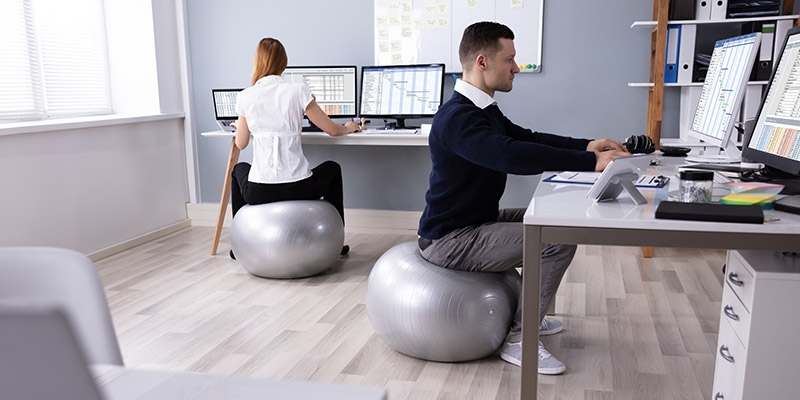
Using an exercise ball as a chair in the workplace has become a popular alternative to traditional seating.
Useful background reading for users exploring posture, trunk control and spinal health support.
Broad, accessible advice around back comfort, movement habits and support options.
The Physioworx Peanut Ball is designed for predictable movement, durable daily use and practical applications across maternity care, rehabilitation, fitness and paediatric support.
Ideal for users progressing from simple seated control towards more targeted balance work.
Balance balls - also known as stability balls, Swiss balls or exercise balls - have earned their place in gyms, clinics and living rooms - we dive deeper.
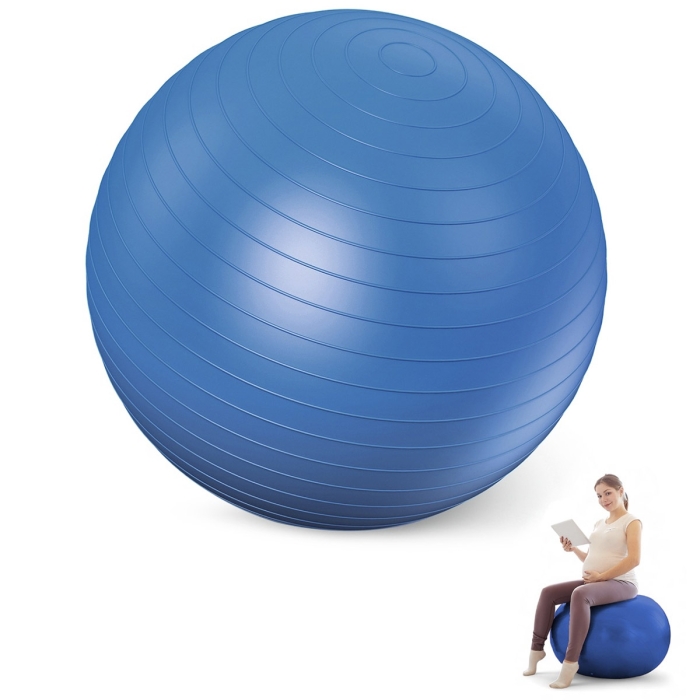
For antenatal exercise, supported seated movement and general comfort-focused use.
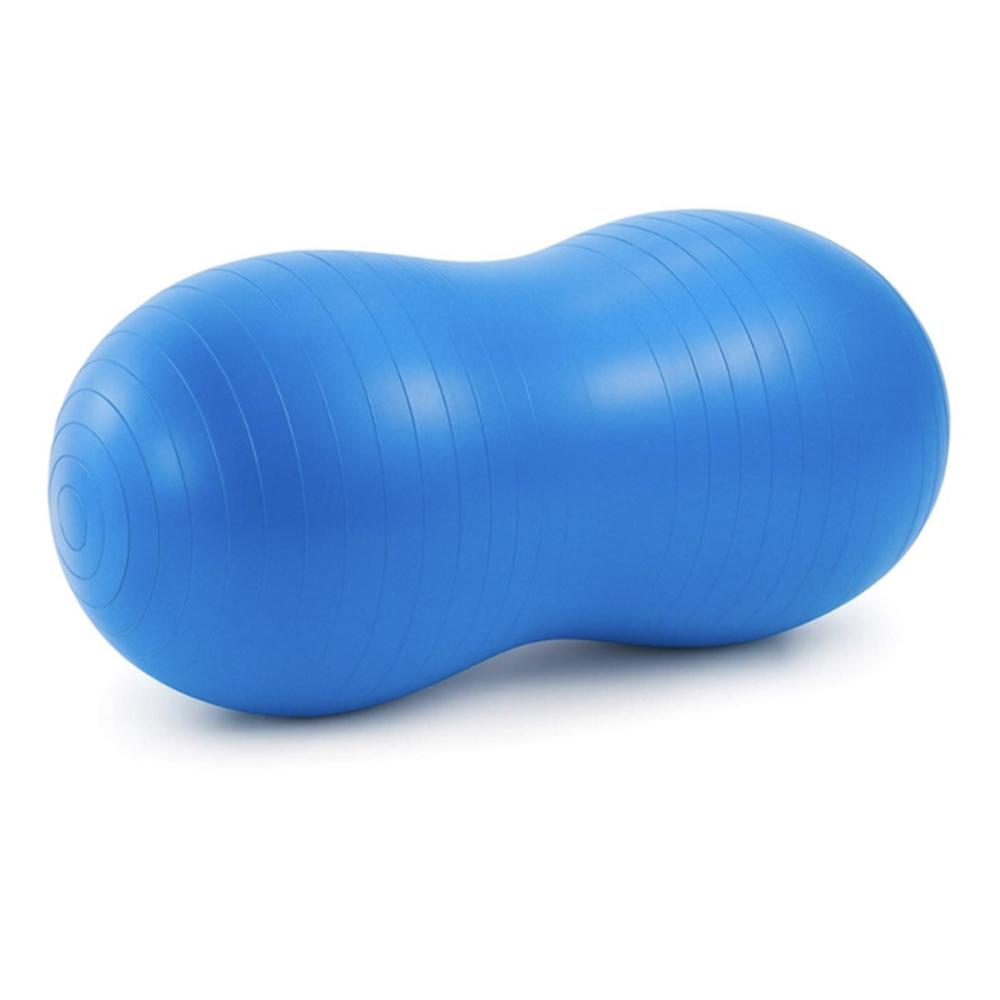
Peanut-shaped format for users who want a more secure base than a fully round ball.
Start with the manufacturer’s size guidance, your height and the intended exercise style. A seated position with knees roughly level to or slightly below the hips is often used as a practical starting point, but product-specific guidance should always come first.
They can be a useful tool for core-focused exercise because they add controlled instability to selected movements. The effect depends on exercise choice, technique and the wider programme rather than the ball alone.
A standard round ball is the most versatile all-round option. A peanut ball has a longer, double-lobed shape which can feel more stable and controlled for some users, especially in rehab, pregnancy support or sensory settings.
Many people use them for gentle antenatal movement and comfort, but suitability depends on the individual and any clinical advice they have been given. For pregnancy-specific use, choose an appropriate maternity product such as the Pregnancy Ball 75cm and seek professional guidance where needed.
Often yes. Some products include one and some do not. If you need a separate inflation tool, the Physioworx Gym Ball Hand Pump is a useful add-on.
They can be, particularly for graded balance, control, mobility and strengthening work. Rehab exercises should be matched to the person’s stage of recovery and, where relevant, prescribed or checked by a clinician.
Popular combinations include exercise mats, resistance bands, foam rollers and balance aids.
Written by Marc Cameron - Product Director at Algeos.
Sold: Each
Incl. VAT Exl. VAT
Sold: Each
Incl. VAT Exl. VAT
Sold: Pack of 3
Incl. VAT Exl. VATSold: Pack of 3
Incl. VAT Exl. VAT
Sold: Each
Incl. VAT Exl. VAT
Sold: 10m Roll
Incl. VAT Exl. VAT
Sold: Per Roll
Incl. VAT Exl. VAT
Sold: Each
Incl. VAT Exl. VATSold: Each
Incl. VAT Exl. VAT
Sold: Roll
Incl. VAT Exl. VAT
Sold: Each
Incl. VAT Exl. VATSold: Each
Incl. VAT Exl. VAT
Sold: Single roll 5m
Incl. VAT Exl. VAT
Sold: Each
Incl. VAT Exl. VAT
Sold: Pack of 6
Incl. VAT Exl. VAT
Sold: Each
Incl. VAT Exl. VAT
Sold: Each
Incl. VAT Exl. VAT
Sold: Each
Incl. VAT Exl. VAT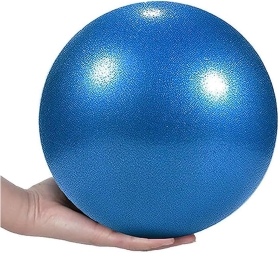
Sold: Each
Incl. VAT Exl. VAT
Sold: pair
Incl. VAT Exl. VAT
Sold: Each
Incl. VAT Exl. VATSold: Each
Incl. VAT Exl. VAT
Sold: 13.5m Rolls
Incl. VAT Exl. VAT
Sold: 100ml
Incl. VAT Exl. VATSold: 100ml
Incl. VAT Exl. VAT
Sold: Each
Incl. VAT Exl. VATSold: Each
Incl. VAT Exl. VAT
Sold: Each
Incl. VAT Exl. VAT
Sold: pair
Incl. VAT Exl. VATSold: pair
Incl. VAT Exl. VAT
Sold: 10m Roll
Incl. VAT Exl. VAT
Sold: Each
Incl. VAT Exl. VAT
Sold: each
Incl. VAT Exl. VAT
Sold: 5.5m
Incl. VAT Exl. VAT
Sold: Each
Incl. VAT Exl. VAT
Sold: Each
Incl. VAT Exl. VAT
Sold: 13.7 m
Incl. VAT Exl. VAT
Sold: Pack of 5 bands
Incl. VAT Exl. VAT
Sold: Per Roll
Incl. VAT Exl. VAT
Sold: Single Roll
Incl. VAT Exl. VATSold: Single Roll
Incl. VAT Exl. VAT
Sold: Pair
Incl. VAT Exl. VAT
Sold: Per Sheet
Incl. VAT Exl. VAT
Sold: Each
Incl. VAT Exl. VAT
Sold: Each
Incl. VAT Exl. VAT
Sold: Pack of 2
Incl. VAT Exl. VAT
Sold: Pair
Incl. VAT Exl. VAT
Sold: Each
Incl. VAT Exl. VAT
Sold: Each
Incl. VAT Exl. VATSold: Each
Incl. VAT Exl. VAT
Sold: Each
Incl. VAT Exl. VAT
Sold: Pair
Incl. VAT Exl. VAT
Sold: 1 or 10 Sheets
Incl. VAT Exl. VAT
Sold: Pack of 2
Incl. VAT Exl. VAT
Sold: Each
Incl. VAT Exl. VATSold: Each
Incl. VAT Exl. VAT
Sold: Each
Incl. VAT Exl. VATSold: Each
Incl. VAT Exl. VAT
Sold: Complete Set
Incl. VAT Exl. VATSold: Complete Set
Incl. VAT Exl. VAT
Sold: Each
Incl. VAT Exl. VAT
March 15, 2026
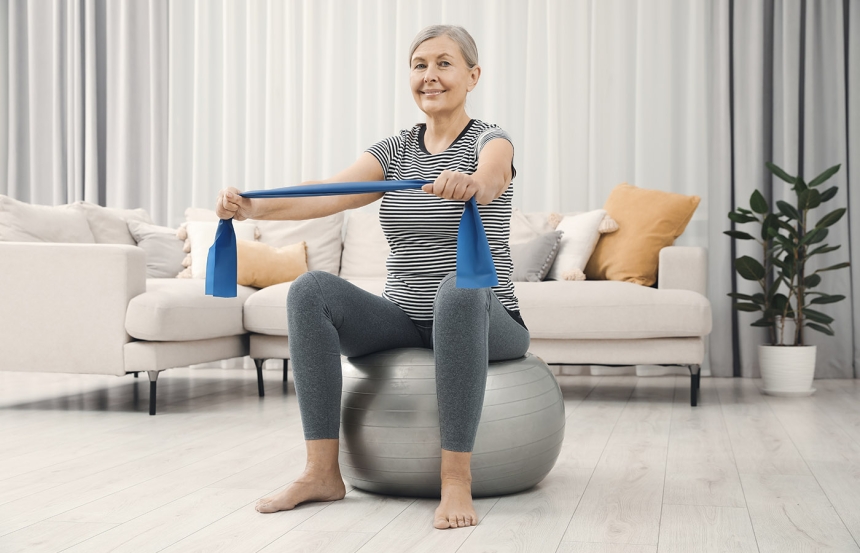
Exercise balls are underestimated for their simplicity. These simple objects have many uses for people of all ages, abilities, and fitness levels.
March 11, 2026
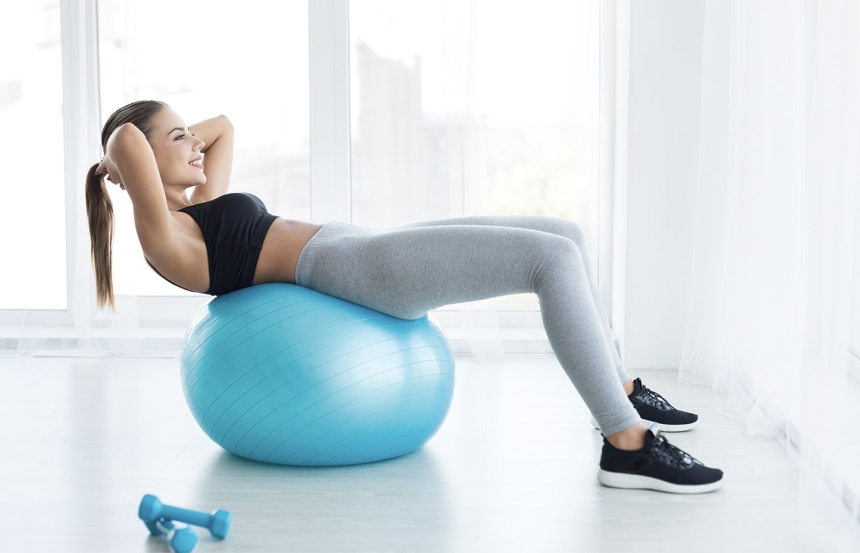
This guide is designed for home fitness users, physiotherapists, rehabilitation clinics, Pilates and yoga practitioners, and office workers interested in active sitting.
January 31, 2026
January 31, 2026
Using an exercise ball as a chair in the workplace has become a popular alternative to traditional seating. While there are some potential benefits, there are also notable disadvantages to consider. Below, we explore both the advantages and drawbacks of using an exercise ball as a chair, as well as tips on how to use it properly and alternative ways to improve posture.
January 22, 2026
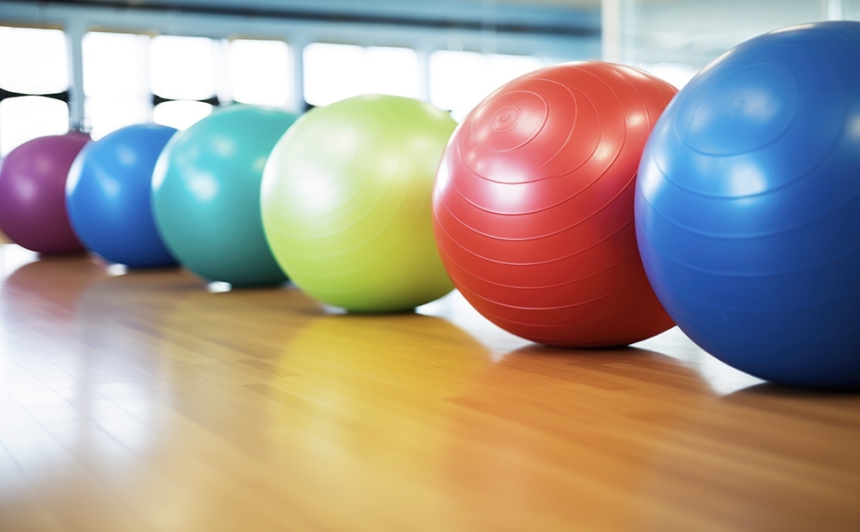
The Physioworx 50cm Peanut Ball is a versatile and innovative exercise tool designed to enhance comfort, support, and effectiveness in various applications, including pregnancy, labor, physical therapy, and general fitness.
December 31, 2025
Inflatable exercise balls, known as stability balls, Swiss balls, or fitness balls, are essential in fitness and rehabilitation. These versatile tools enhance core strength, balance, flexibility, and aid in injury recovery. Made from durable, burst-resistant materials, they support various exercises that engage multiple muscle groups, making them invaluable for home gyms, fitness centres, and therapeutic settings.
August 07, 2025
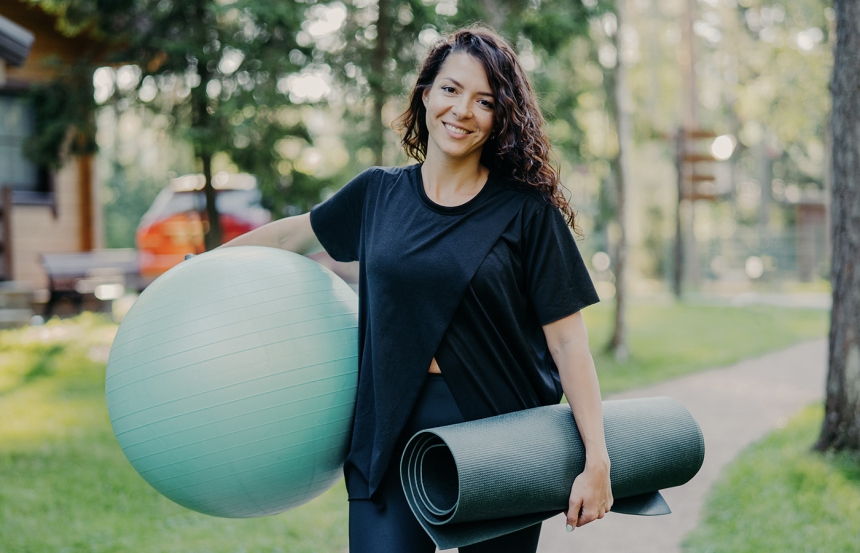
Balance balls - also known as stability balls, Swiss balls or exercise balls - have earned their place in gyms, clinics and living rooms. They’re simple, affordable, and effective for core strength, posture, and rehabilitation.
June 13, 2025
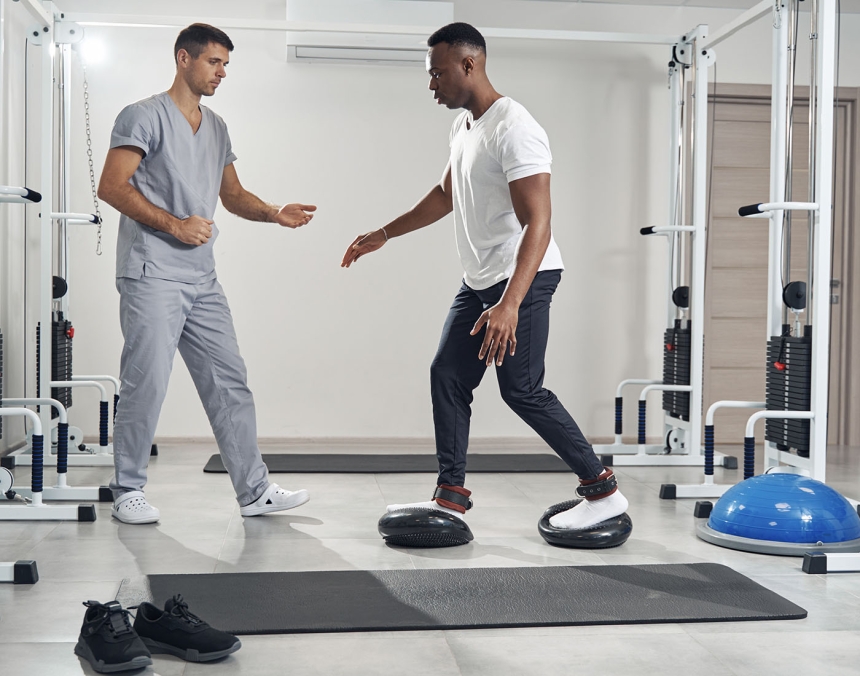
Balance therapy, sometimes known as balance rehabilitation or vestibular rehabilitation therapy (VRT), is a form of targeted physical therapy designed to help individuals improve their stability, coordination and overall confidence in movement.
It plays a critical role in treating people who experience unsteadiness, dizziness, or frequent falls - symptoms that can be caused by a variety of underlying conditions affecting the sensory and musculoskeletal systems.
January 06, 2025
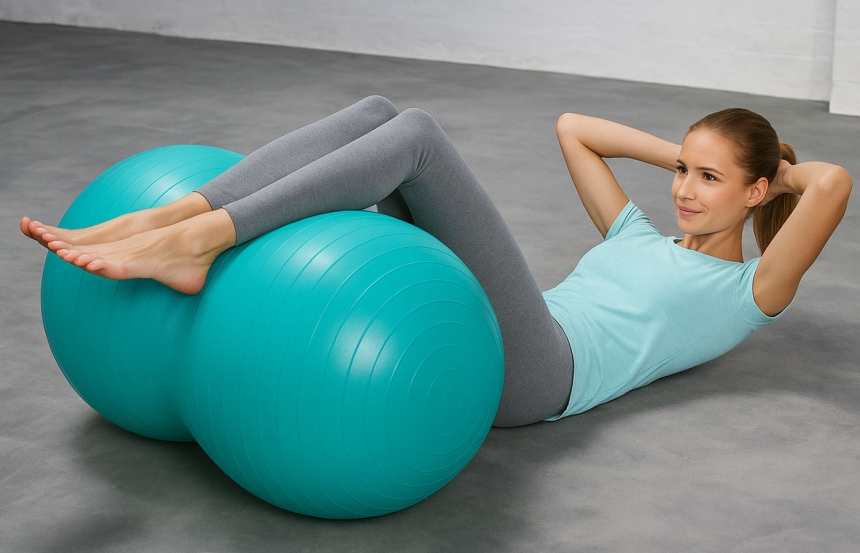
Peanut exercise balls are a unique fitness tool. Their distinctive shape sets them apart from traditional exercise balls. These balls offer a range of benefits. They can improve balance, coordination, and core strength. But what exactly are peanut exercise balls? And how are they used in fitness routines?
Sold: Each
Incl. VAT Exl. VAT