




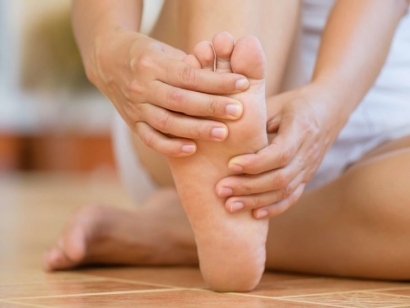
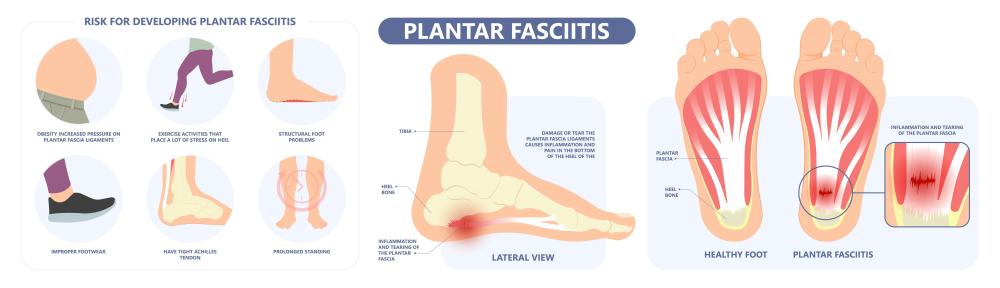
Plantar fasciitis is one of the most common causes of pain beneath the heel and along the arch of the foot. The plantar fascia is a strong band of connective tissue that runs from the heel bone towards the toes, helping support the foot's natural arch and absorb load as we walk.
When this tissue becomes irritated by repeated strain, even everyday activities such as getting out of bed or walking to the kitchen can become uncomfortable. Although the name ends in "-itis", plantar fasciitis does not always involve ongoing inflammation. It is often better understood as a problem with how the fascia responds to repeated loading.
What Causes Plantar Fasciitis?
Plantar fasciitis usually develops when the strain placed on the plantar fascia exceeds what it can comfortably tolerate. Sometimes there is an obvious trigger, such as a sudden increase in walking or running. In other cases, symptoms build gradually.
Factors that may contribute include:
- A change in activity: Starting a new exercise routine, increasing running distances or spending longer on your feet.
- Foot mechanics: Flat feet, high arches or excessive inward rolling of the foot (overpronation) may alter how forces pass through the arch, although none automatically causes plantar fasciitis.
- Calf and ankle tightness: Reduced ankle flexibility can change the way the foot takes weight during walking.
- Footwear: Worn-out shoes, inadequate cushioning or little arch support may aggravate symptoms.
- Repeated standing on hard surfaces: Particularly during long shifts or when activity increases suddenly.
You do not have to have flat feet to develop plantar fasciitis, and not every case is associated with overpronation.
Common Symptoms
- Sharp, stabbing or aching pain beneath the heel, sometimes extending into the arch.
- Pain with the first few steps in the morning or after sitting for a long time.
- Symptoms that ease as you start moving but return after prolonged walking or standing.
- Tenderness when pressing the underside of the heel or stretching the sole of the foot.
Arch pain is not always plantar fasciitis. Nerve irritation, tendon problems, stress injuries and other conditions can cause similar symptoms, particularly if the pain is in an unusual location or feels different from the typical first-step pattern.
Prevention and Treatment Options
Most people can begin by reducing activities that aggravate their symptoms, choosing supportive footwear and introducing gentle exercises. Insoles, cold therapy and night splints may also help, depending on the individual. No single treatment works for everyone, so a combination is often more useful than relying on one product.
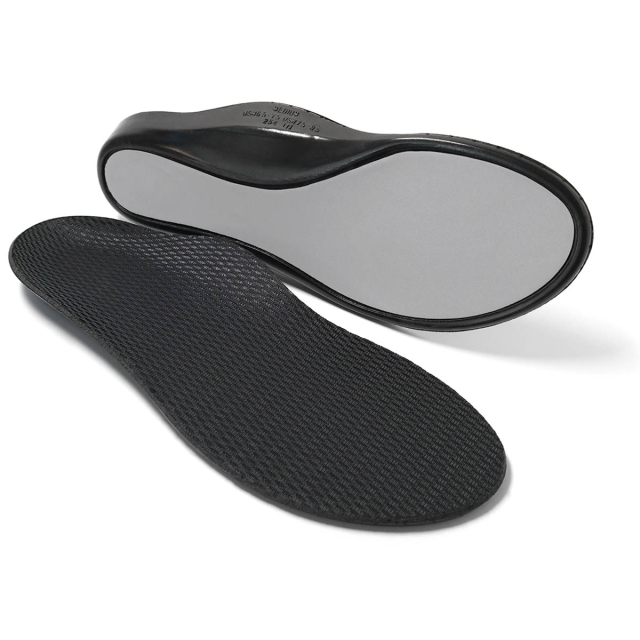
1. Orthotic Insoles
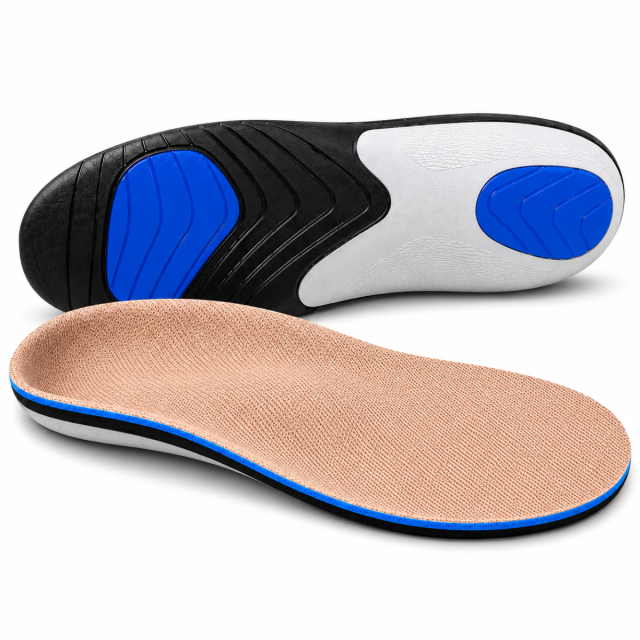
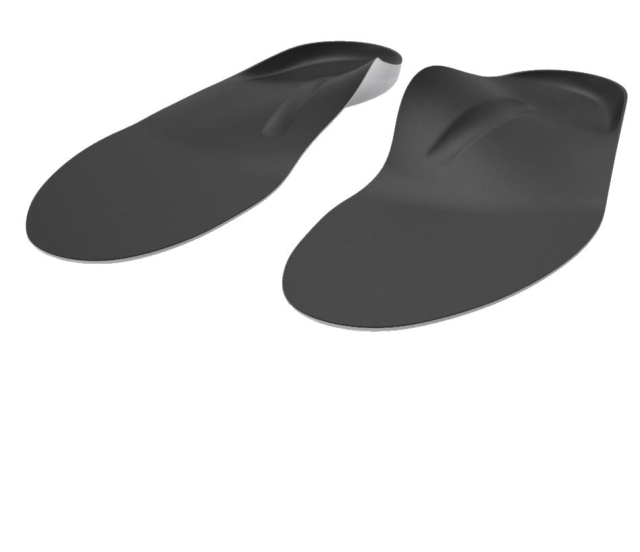
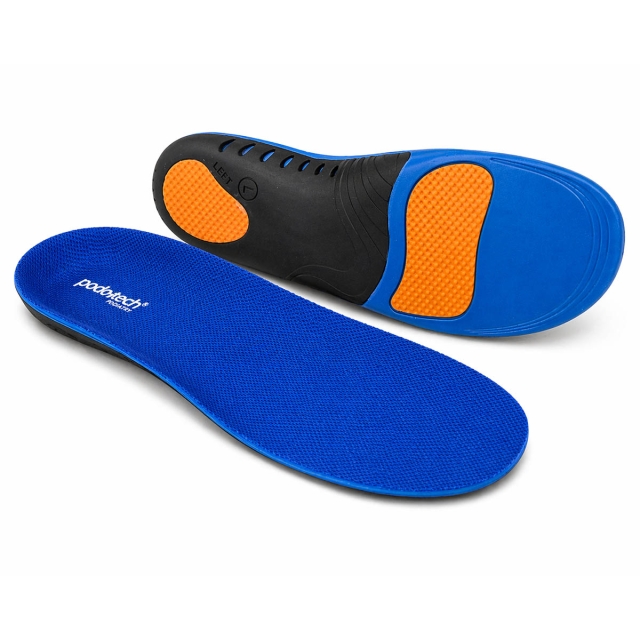
Well-fitting insoles can help support the arch, cushion the heel and make walking more comfortable. The aim is to improve how the foot handles load, rather than force every foot into the same position.
When choosing an orthotic insole, consider:
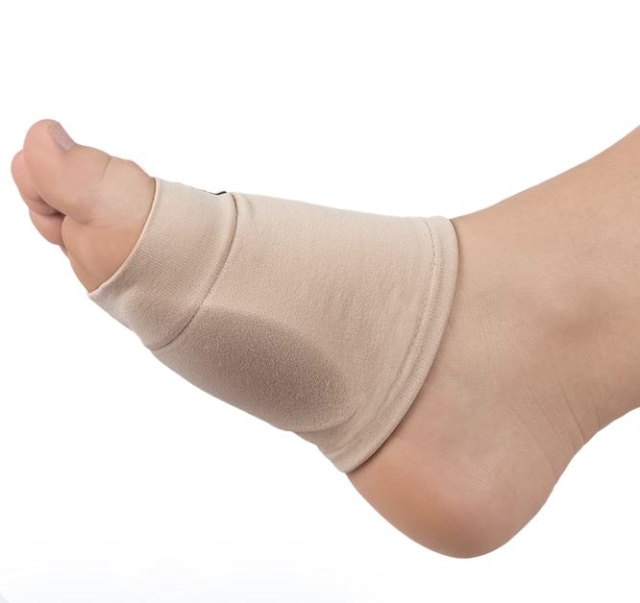
- Arch support: Enough support to feel comfortable without creating a new pressure point.
- Heel cushioning and stability: A supportive heel cup or suitable cushioning may help with discomfort under the heel.
- Appropriate firmness: Some people prefer a softer orthotic, while others benefit from a more structured design.
- Fit: The insole should sit securely in the shoe without crowding the toes or lifting the heel excessively.
Off-the-shelf orthoses are a reasonable starting point for many people. Custom-made orthotics or additions such as medial heel posting may be considered after a professional assessment, rather than being necessary for everyone.
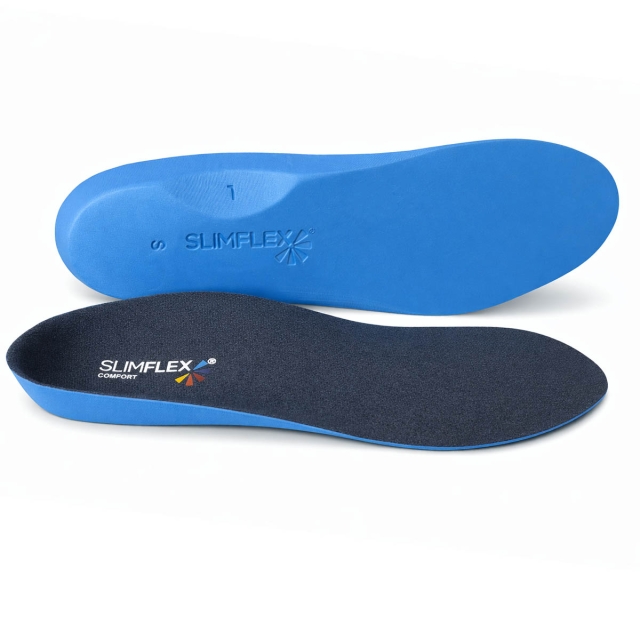
For example, Slimflex Comfort medium-density insoles provide contoured arch support and a deep heel cup. You can also explore the wider Algeos plantar fasciitis support range.
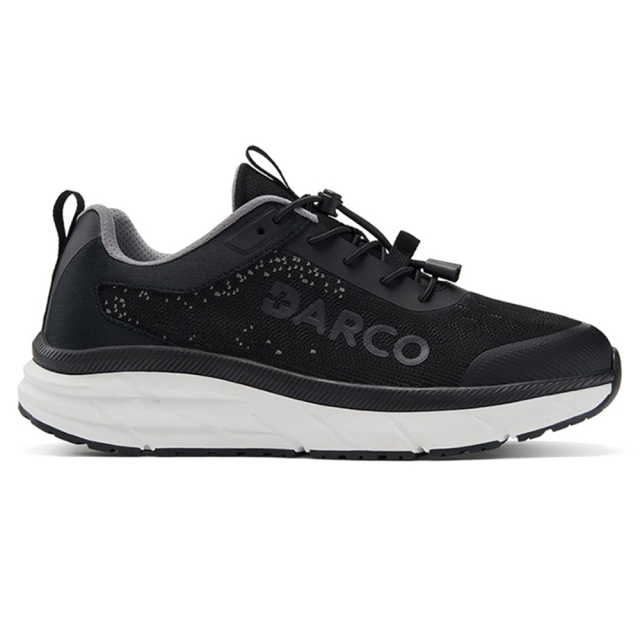
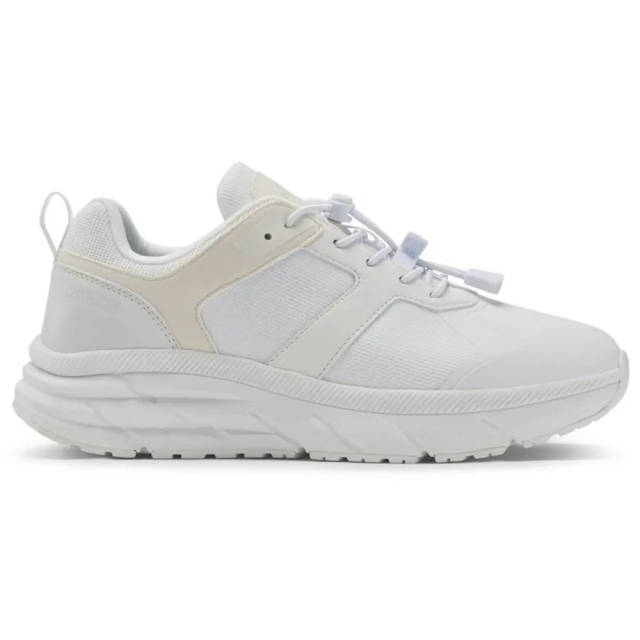
2. Supportive Footwear
A supportive shoe can be just as important as the insole inside it. Look for:
- A cushioned heel and a stable, comfortable sole.
- Good arch support without uncomfortable pressure.
- A secure fit around the heel, with enough room for the toes.
- Removable footbeds if you plan to use full-length orthotic insoles.
The material of the upper matters less than whether the shoe fits and supports your foot properly. Avoid walking barefoot on hard floors while symptoms are troublesome, and limit time in flimsy flip-flops, worn-out shoes or backless slippers.
3. Ice and Short-Term Pain Relief
If your heel feels sore after activity, try applying an ice pack wrapped in a towel for 10–20 minutes. Never apply ice directly to the skin. Cold therapy may ease symptoms temporarily, but it does not replace footwear changes and gradual rehabilitation.
Paracetamol or an anti-inflammatory gel, such as ibuprofen gel, may help some people manage pain. Ask a pharmacist which treatment is suitable for you, particularly if you have another medical condition or take regular medication.
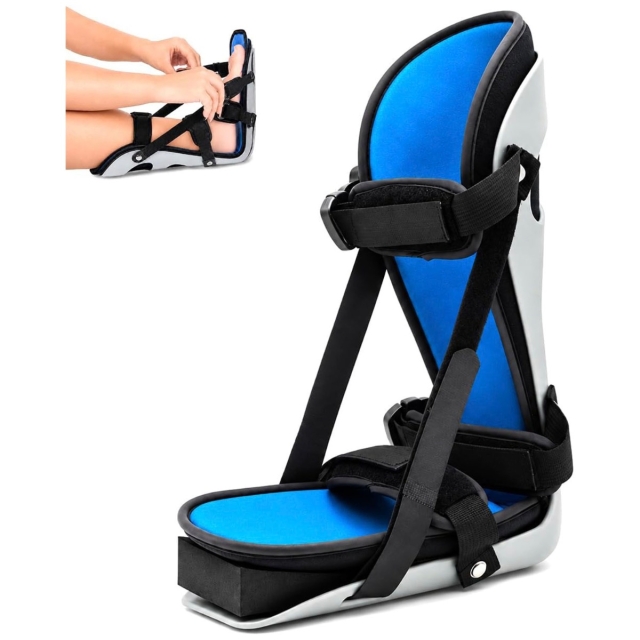
4. Night Splints
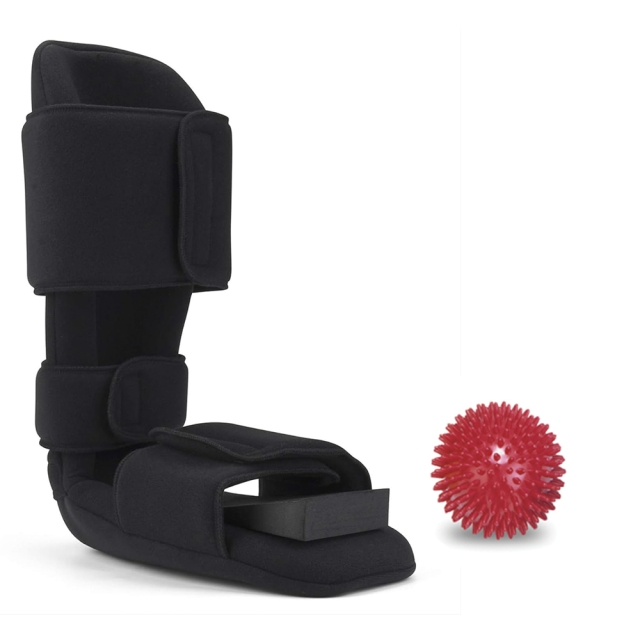
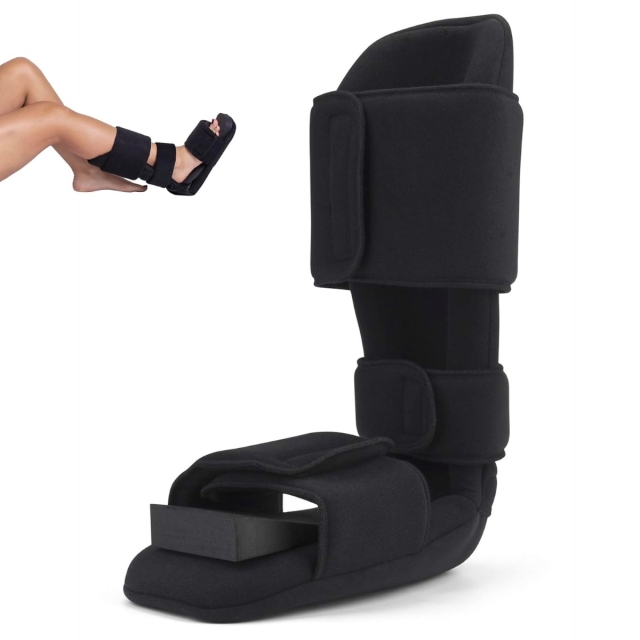
Night splints hold the foot in a gently stretched position while you rest, helping some people who experience particularly painful first steps in the morning. They are generally an addition to stretching, footwear and activity management, not a standalone cure.
The Bodytonix Adjustable Night Splint is one option designed to provide a controlled stretch to the plantar fascia and Achilles tendon. A healthcare professional can advise whether a splint is appropriate and how to wear it safely. A night splint should not be used for walking unless its instructions specifically permit it.
5. Gentle Stretching and Strengthening
Stretching is an important part of managing plantar heel pain. These simple movements can be useful, especially before getting out of bed or after sitting for a while:
- Plantar fascia stretch: Sit down, rest the affected foot across the opposite knee and gently pull your toes towards your shin until you feel a comfortable stretch beneath the arch. Hold briefly, then relax and repeat.
- Calf stretch: Face a wall with one foot behind the other. Keep the back heel on the floor and lean forward until you feel a gentle stretch in the calf. Hold for around 30 seconds, then relax.
- Supported heel raises: When comfortable, hold a stable chair or worktop, rise slowly onto your toes and lower your heels with control. Start with a manageable number and build up gradually.
These exercises should not cause a significant increase in pain. If they do, reduce the effort or stop and ask for advice. For further exercise guidance, see Berkshire Healthcare NHS Foundation Trust's plantar heel pain advice.
6. Manage Activity Without Stopping Everything
If a particular walk, workout or long shift makes your heel noticeably more painful, reduce the amount or intensity for a while rather than repeatedly pushing through a flare-up. Lower-impact activities such as swimming or cycling may be more comfortable while symptoms settle.
As pain becomes easier to manage, gradually increase walking and exercise again. A useful habit is to pay attention to how the heel feels during the activity and on your first steps the following morning. A clear increase in morning pain can be a sign that you need to scale back and progress more slowly.
When to See a Professional
According to NHS advice, see a GP if heel or arch pain has not improved after two weeks of self-care, is getting worse, keeps returning or is affecting normal activities. Arrange an assessment if you have tingling or loss of feeling in the foot, or if you have diabetes and develop foot pain.
Seek prompt medical advice after a significant injury, if you cannot put weight on the foot, or if it becomes unusually red, hot and swollen.
A podiatrist or physiotherapist can assess your symptoms, footwear, movement and activity levels. They may recommend a more specific stretching or strengthening programme, suitable orthoses or other treatments if initial measures are not helping.
Frequently Asked Questions
Can plantar fasciitis cause pain in the arch rather than the heel?
Yes. The pain is often most noticeable beneath the heel, but it can extend along the arch because the plantar fascia runs from the heel towards the toes. Pain elsewhere in the foot, especially with numbness or swelling, needs assessment rather than assuming it is plantar fasciitis.
Do I need custom-made orthotics for plantar fasciitis?
Not necessarily. Many people start with supportive shoes and an appropriate off-the-shelf insole. Custom-made orthotics may be considered when there are more complex foot mechanics, a difficult fit or symptoms that have not responded to simpler options.
How long does plantar fasciitis take to improve?
Recovery varies. Some people feel better within weeks, while others need several months of consistent changes to footwear, exercise and activity. Improvement is not always a straight line, and persistent symptoms deserve a professional review.
In Summary
Plantar fasciitis is a common cause of heel and arch pain, but it is not limited to people with flat feet or overpronation. Supportive footwear, comfortable orthotic insoles, gentle stretching, gradual strengthening and sensible activity changes can all play a part in recovery. Ice and night splints may provide additional symptom relief for some people.
Start with manageable changes, monitor how your foot responds and seek advice if pain persists or interferes with everyday life.
For a closer look at the available styles of support, read our guide to choosing plantar fasciitis insoles. You can also find self-care and medical advice on the NHS plantar fasciitis page.
This article is for general information and is not a substitute for an individual assessment by a qualified healthcare professional.
Sold: Sold per Pair
Incl. VAT Exl. VAT