



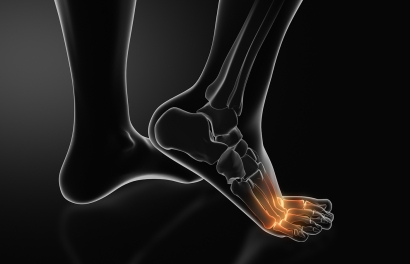
Metatarsalgia can be a real pain in the foot - literally. If you've been experiencing discomfort in the ball of your foot, you might be dealing with this common condition. But don't worry; you're not alone.
Many people have this problem. The good news is that there are effective ways to treat and manage metatarsalgia.
In this article, we will look at metatarsalgia. We will discuss its causes and how to treat it. You can use different methods, like foot arch support and specific exercises.
Understanding Metatarsalgia
Metatarsalgia is a condition that causes pain and inflammation in the ball of your foot. This area is crucial because it takes the brunt of your weight when you walk, run, or jump. People with metatarsalgia often feel sharp, aching, or burning pain. This pain is worse when they stand for a long time.
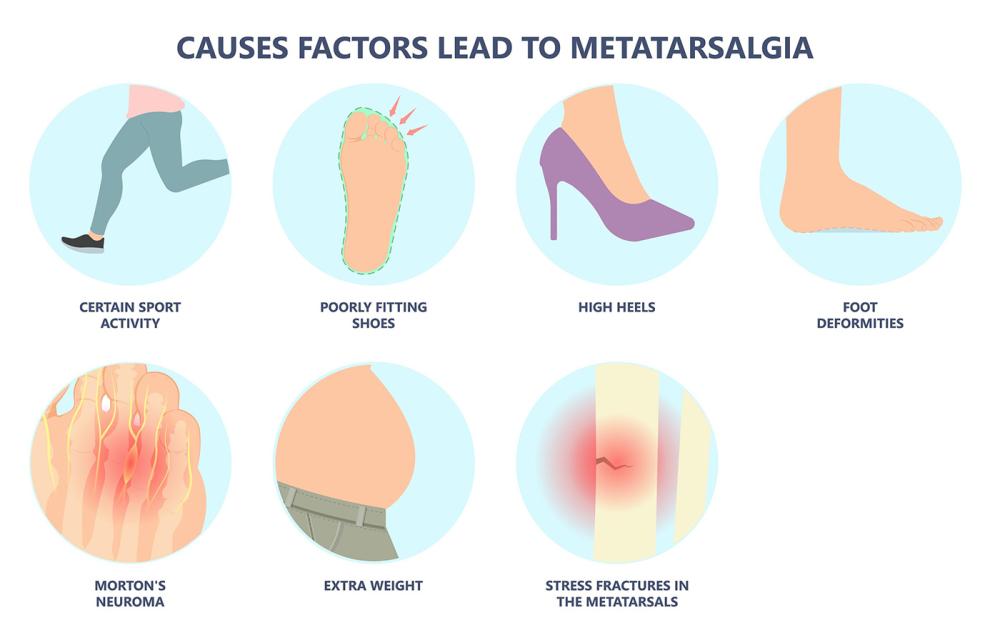
Common Causes of Metatarsalgia
Several factors can contribute to the development of metatarsalgia:
- Foot Shape and Structure: High arches or flat feet can cause uneven weight distribution. This puts extra pressure on the metatarsal bones.
- Improper Footwear: Wearing shoes that don't fit well or lack support can exacerbate the condition.
- High-Impact Activities: Activities such as running or jumping can increase the stress on the metatarsals.
- Excess Weight: Carrying extra weight can add pressure to the forefoot.
- Age and Health Conditions: Ageing and conditions like arthritis or diabetes can increase the risk.
How Do You Treat Metatarsalgia?
Treating metatarsalgia often requires a combination of strategies. Here are some effective methods:
Foot Arch Support
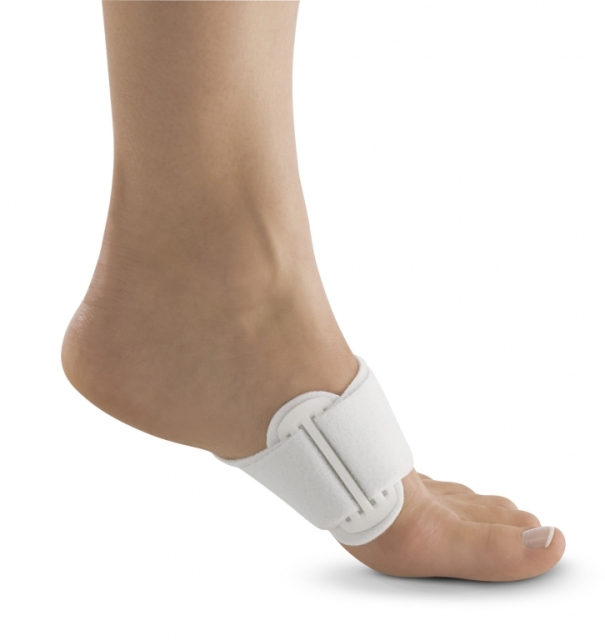
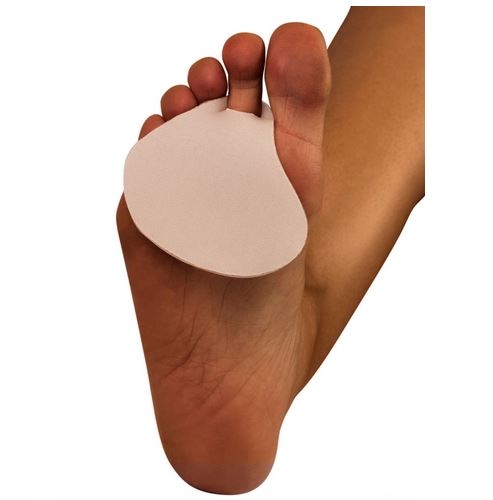
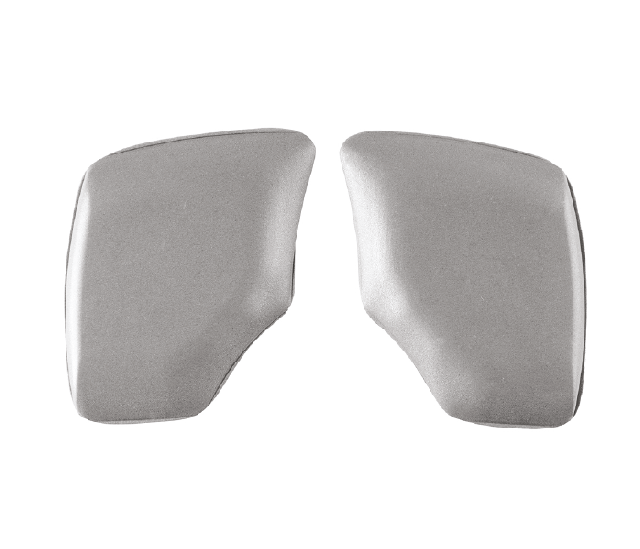
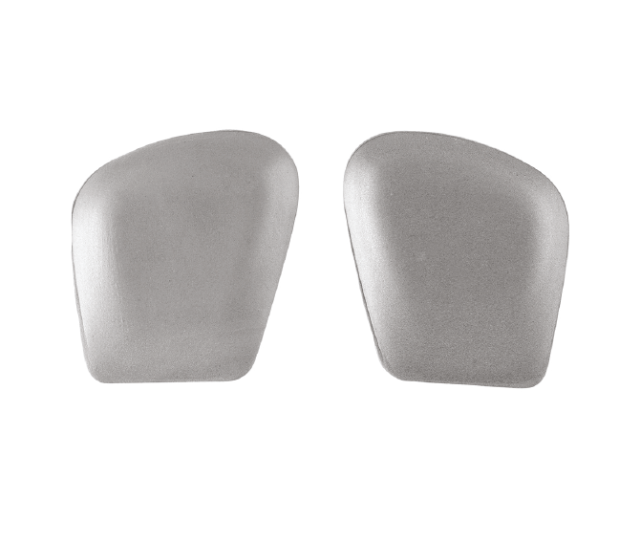
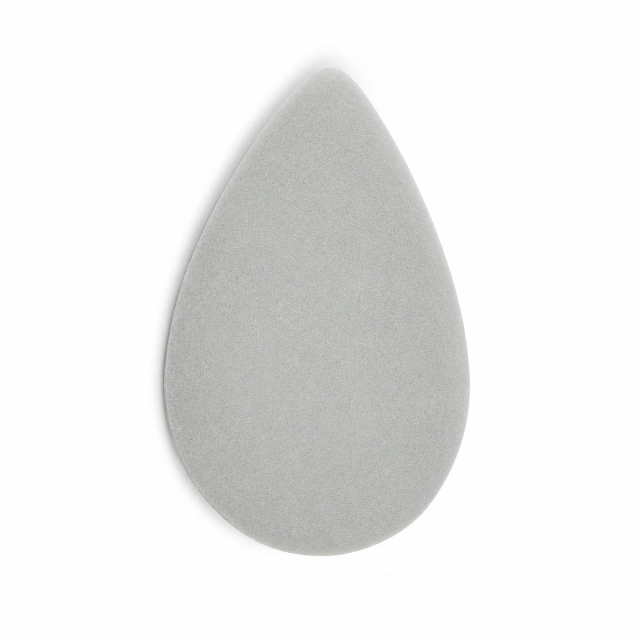
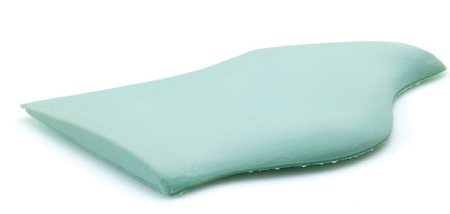
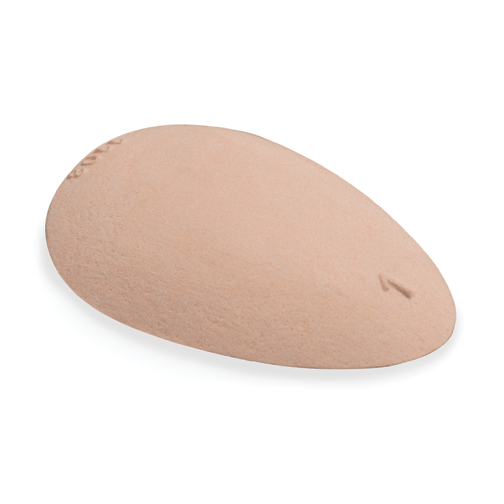
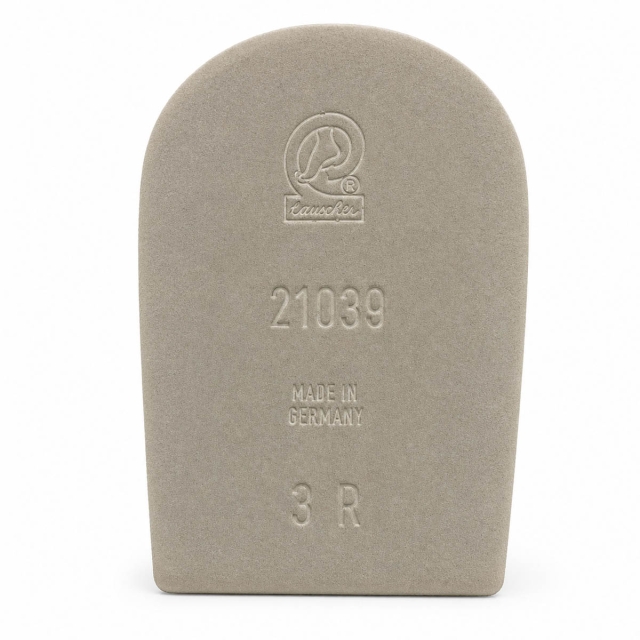
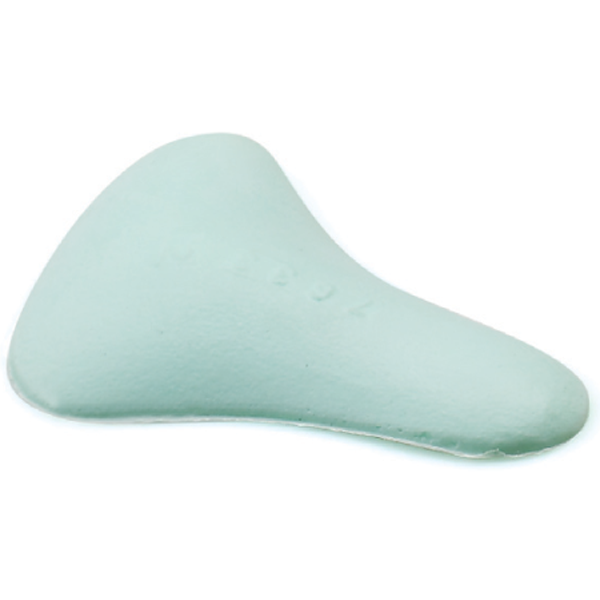
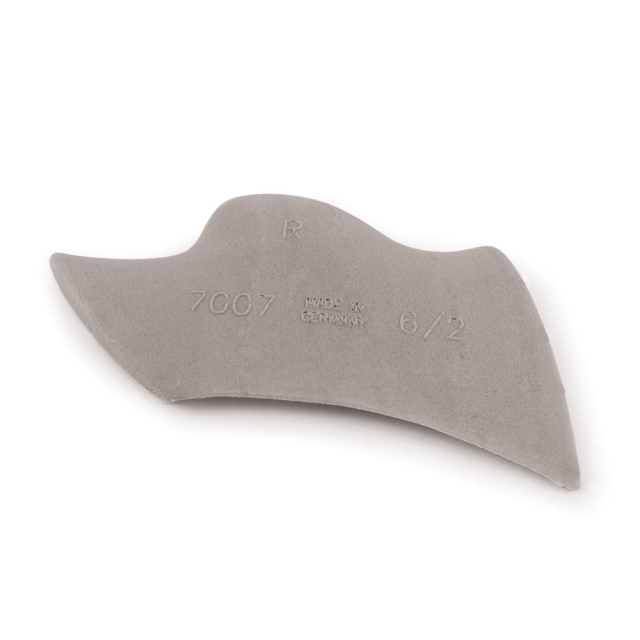
One of the most effective ways to alleviate metatarsalgia is by using proper foot arch support. Arch supports can help redistribute pressure across the foot, reducing the load on the metatarsals. Here’s how to choose the right support:
- Custom Orthotics: These are tailored to your specific foot shape and provide optimal support.
- Over-the-Counter Insoles: While not customised, orthotic insoles can still offer significant relief and are readily available.
- Supportive Footwear: Choose shoes with good arch support and cushioning. This is important if you do high-impact activities.
Metatarsalgia Exercises
Targeted exercises can strengthen the muscles in your feet, improve flexibility, and alleviate pain. Here are a few exercises to incorporate into your routine:
Toe Stretch
- Sit on the floor with your legs extended.
- Use your hands to pull back on your toes gently.
- Hold for 15-30 seconds and repeat a few times.
Marble Pickup
- Place several marbles on the floor.
- Use your toes to pick up one marble at a time and place it in a bowl.
- Repeat for a few minutes each day.
Calf Stretch
- Stand facing a wall with one foot in front of the other.
- Keep your back leg straight and heel on the ground.
- Lean forward, bending your front knee to stretch the calf of your back leg.
- Hold for 15-30 seconds and switch legs.
Rest and Ice
Resting your feet and applying ice can help reduce inflammation and pain. Aim to rest your feet whenever possible, especially after high-impact activities. Apply ice wrapped in a cloth to the affected area for 15-20 minutes a few times a day.
Weight Management
Maintaining a healthy weight can significantly reduce the pressure on your feet. If you have extra weight, think about eating a balanced diet and exercising regularly. This can help you lose weight and reduce foot pain.
Pain Relief
Over-the-counter pain relievers like ibuprofen or acetaminophen can help manage pain and inflammation. However, it's always best to consult with a healthcare professional before starting any medication.
When to Seek Professional Help
While many cases of metatarsalgia can be managed with home treatments, there are times when professional help is necessary. Consider seeking medical advice if:
- The pain persists or worsens despite treatment.
- You notice swelling, redness, or warmth in the foot.
- You experience sudden, severe pain.
- Home treatments aren't providing relief after several weeks.
A healthcare provider can offer additional treatments, such as physical therapy, corticosteroid injections, or, in rare cases, surgery.
Pain Free Future
Metatarsalgia might be a painful condition, but with the right strategies, you can manage and alleviate the discomfort. You can improve your recovery by using foot arch supports. Doing specific exercises also helps. Additionally, living a healthy lifestyle is important. Remember, it's always best to consult with a healthcare professional if you're unsure about your condition or treatment options.
You can learn the causes of your pain. By using helpful strategies, you can recover without pain. This will allow you to enjoy your favourite activities again.
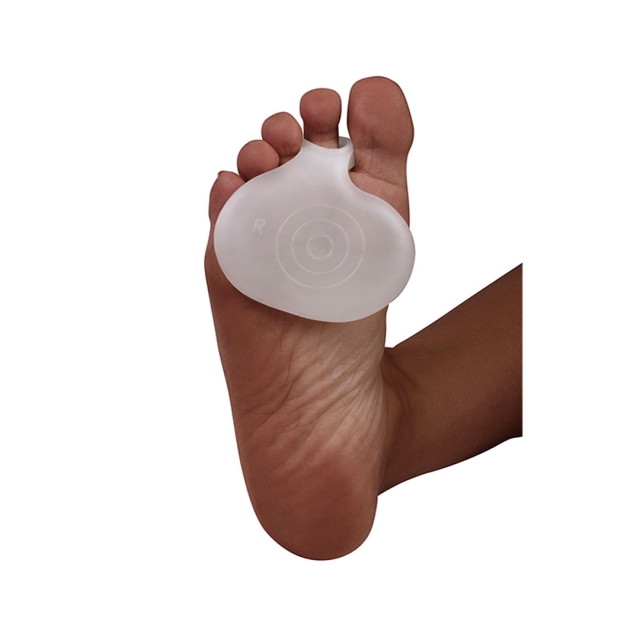
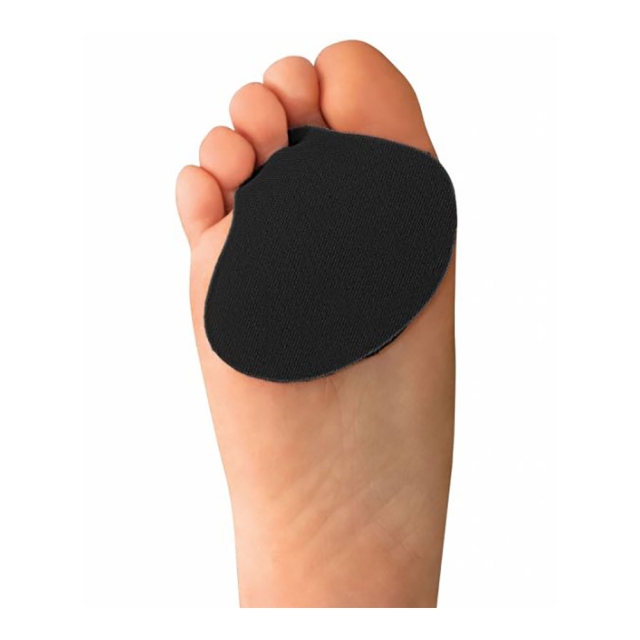
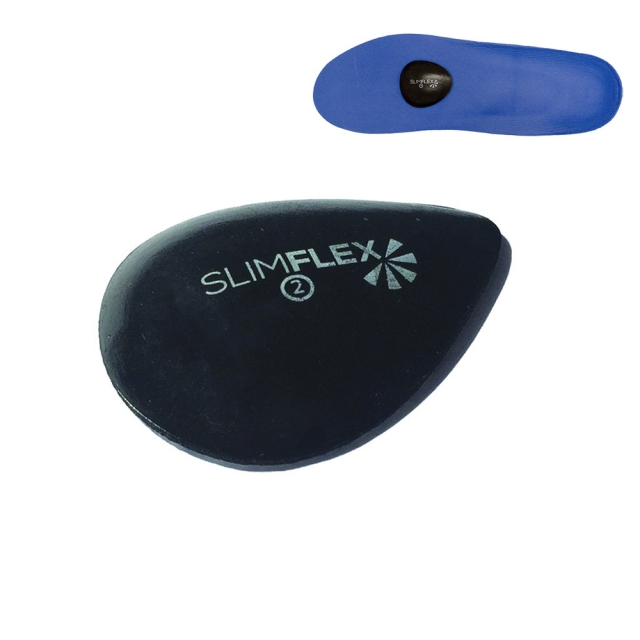
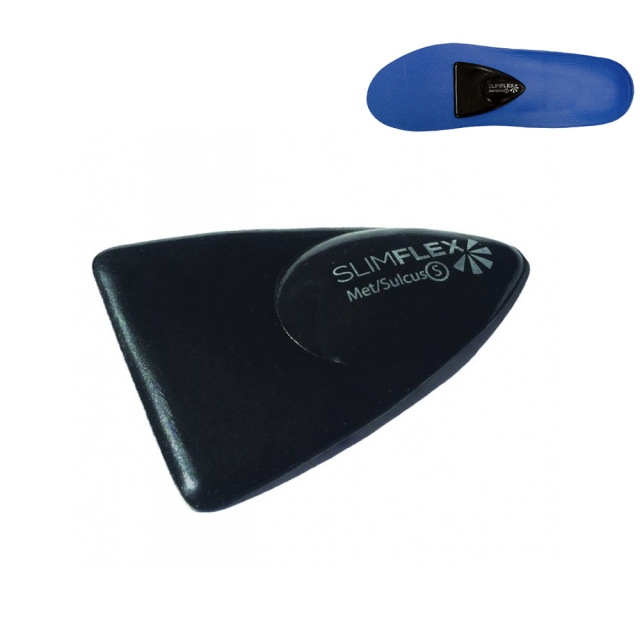
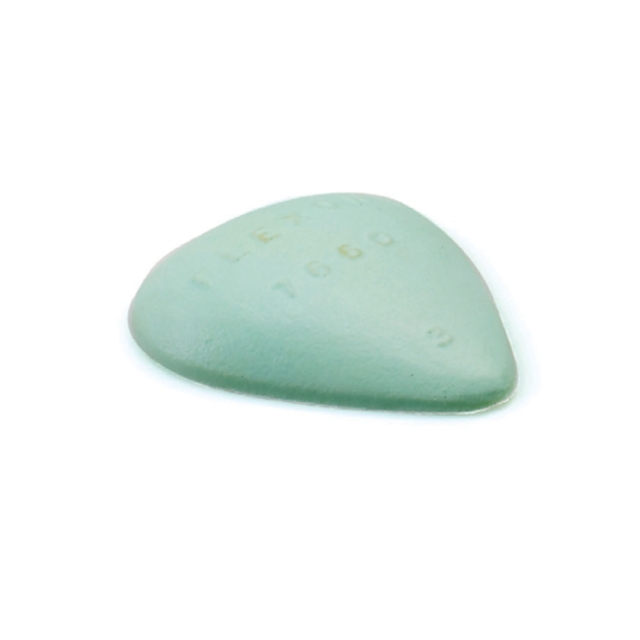
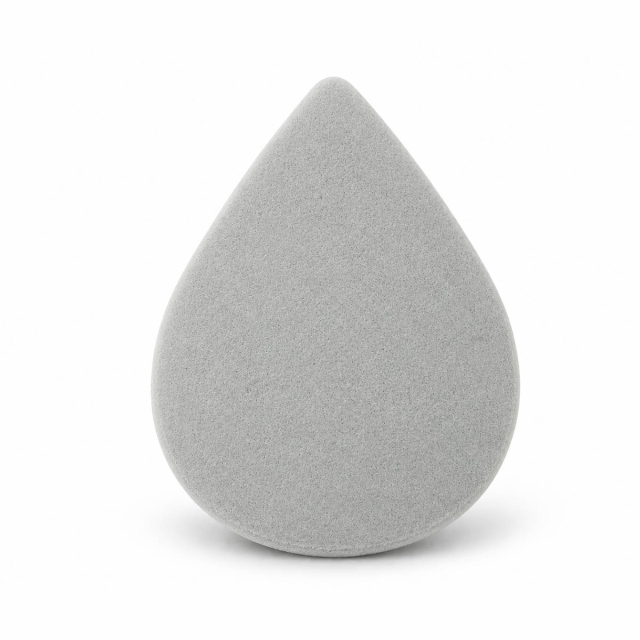
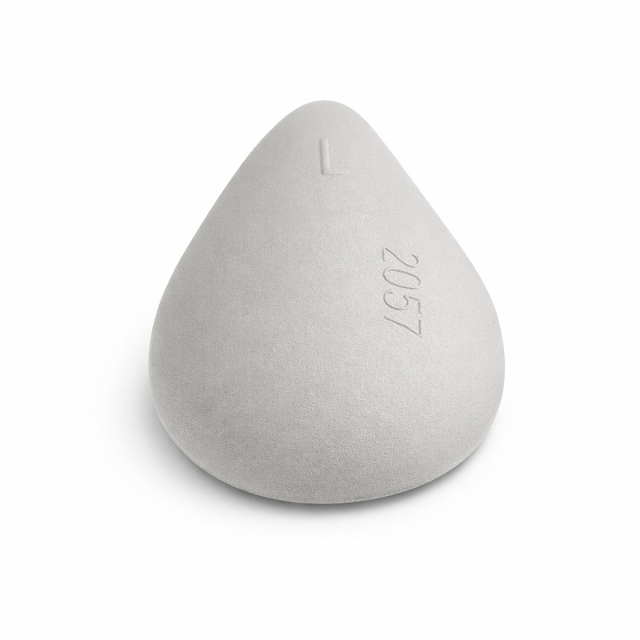
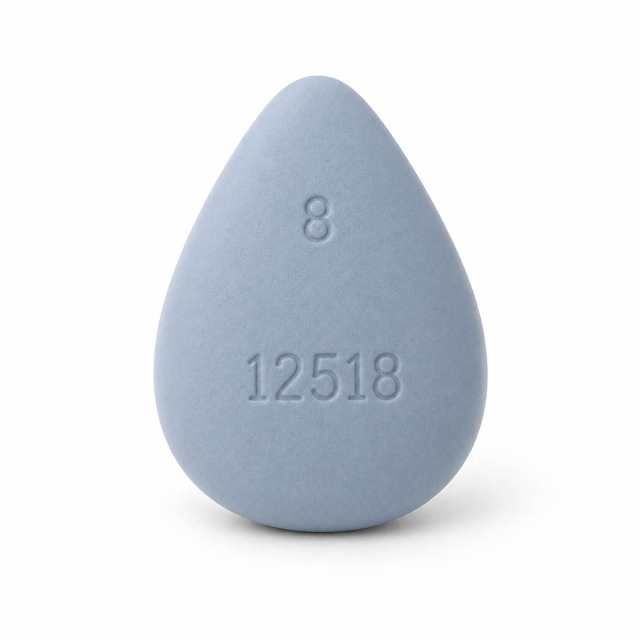
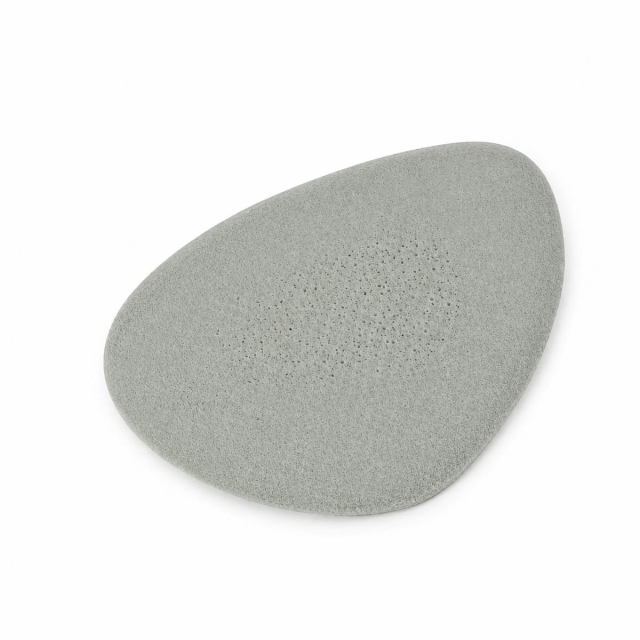
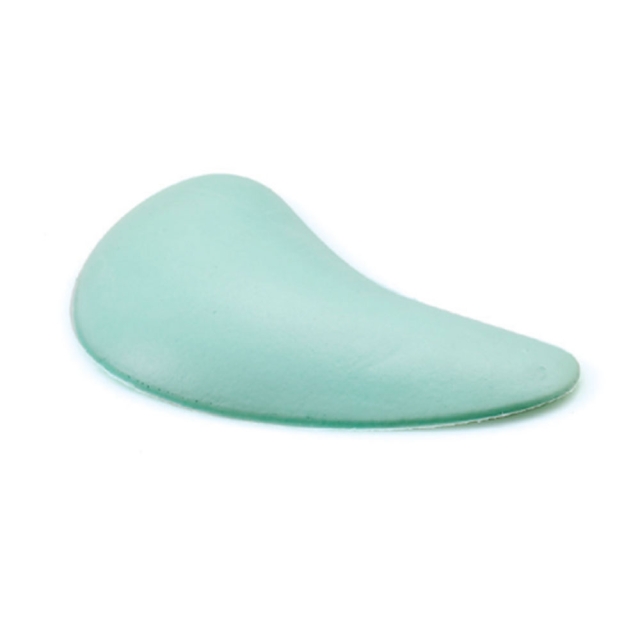
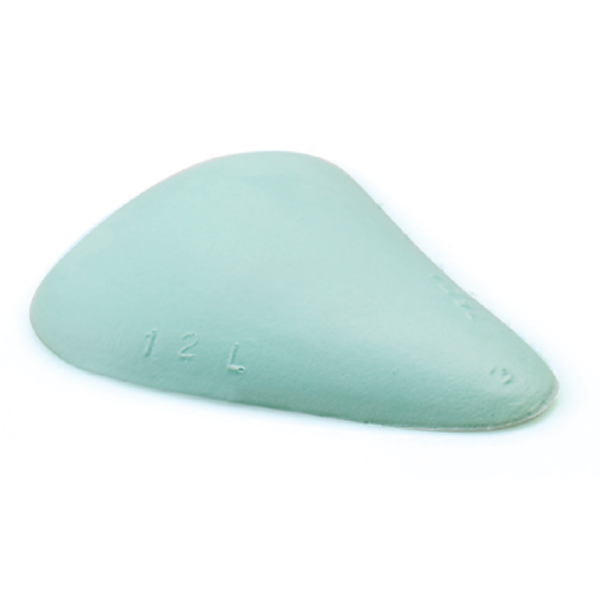
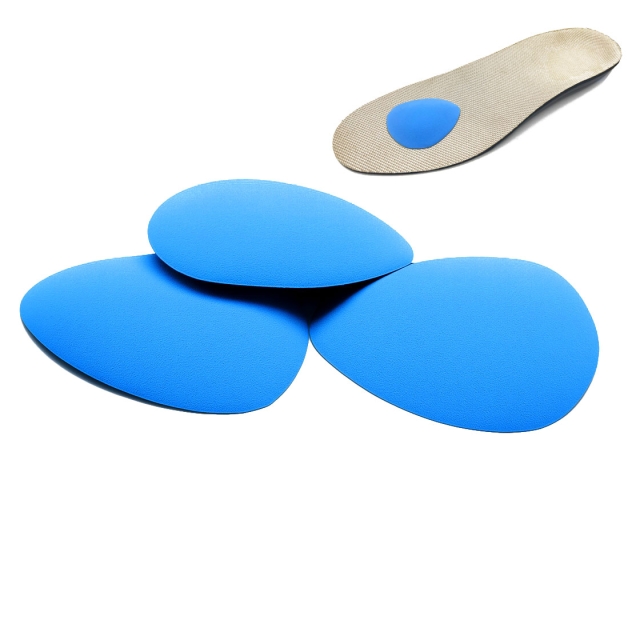
View Algeos products designed for Metatarsalgia.
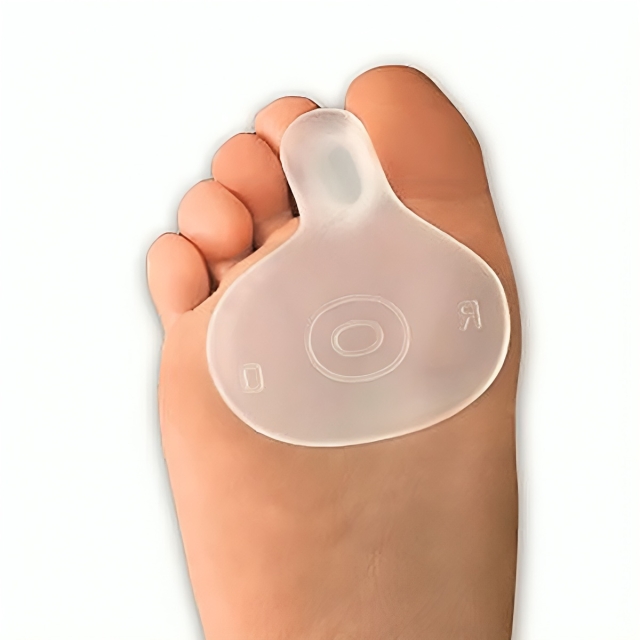
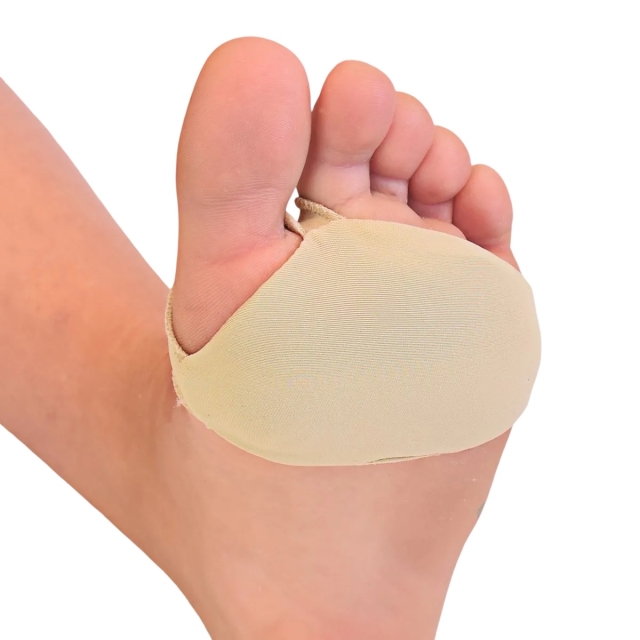
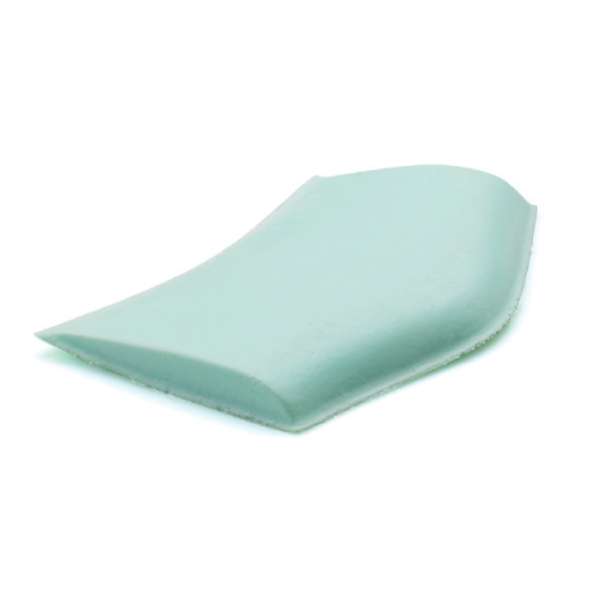
Sold: Sold Individually
Incl. VAT Exl. VAT