




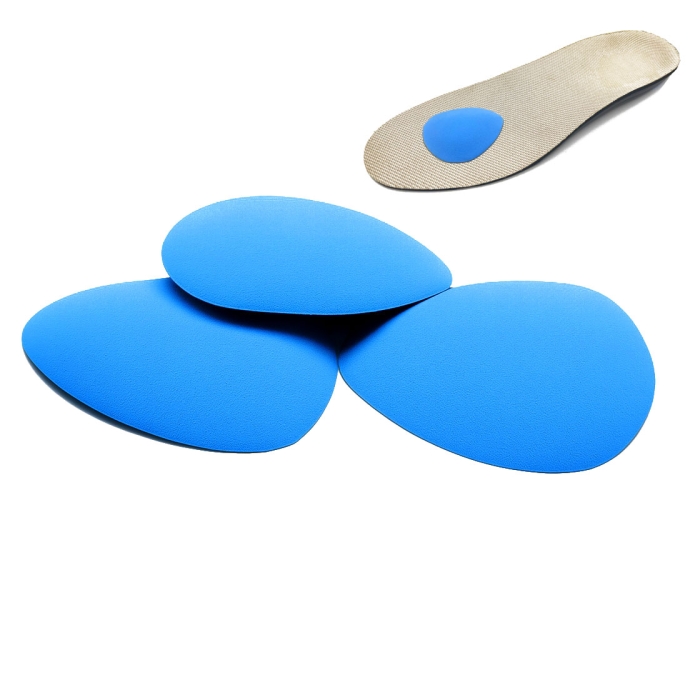
Podotech Self-Adhesive PU Metatarsal Pads for Insoles
High-raise PU metatarsal pads with adhesive backing for quick insole or orthotic adaptation, designed to help redistribute pressure away from the metatarsal heads.
Commonly used for ball-of-foot pain and metatarsalgia, where reducing local forefoot pressure can improve comfort in walking and standing.
Suitable for podiatry, orthotic, rehab and NHS-style conservative footcare pathways, where metatarsal pads are used behind the ball of the foot to deflect pressure.
"I like to apply these direct to patients shoes. Quick and easy to use".
Saffron W, UK
Sold: Pack of 10 Pairs
Incl. VAT Exl. VAT
Product Description
Metatarsal Pads: Quick Insole Adaptions for Forefoot pain Conditions
PU Metatarsal Pads are high-raise polyurethane forefoot pads designed for insole and orthotic modifications. They are used to help redistribute pressure away from the ball of the foot and support the area just behind the metatarsal heads.
Suitable for podiatrists, clinicians, orthotic technicians and informed users adapting insoles for forefoot comfort, these self-adhesive pads can be positioned to target pressure, improve load distribution and support more comfortable walking or standing.
Key selling points
- High-raise metatarsal pad for stronger forefoot lift during insole modification.
- Helps move pressure away from sensitive metatarsal heads.
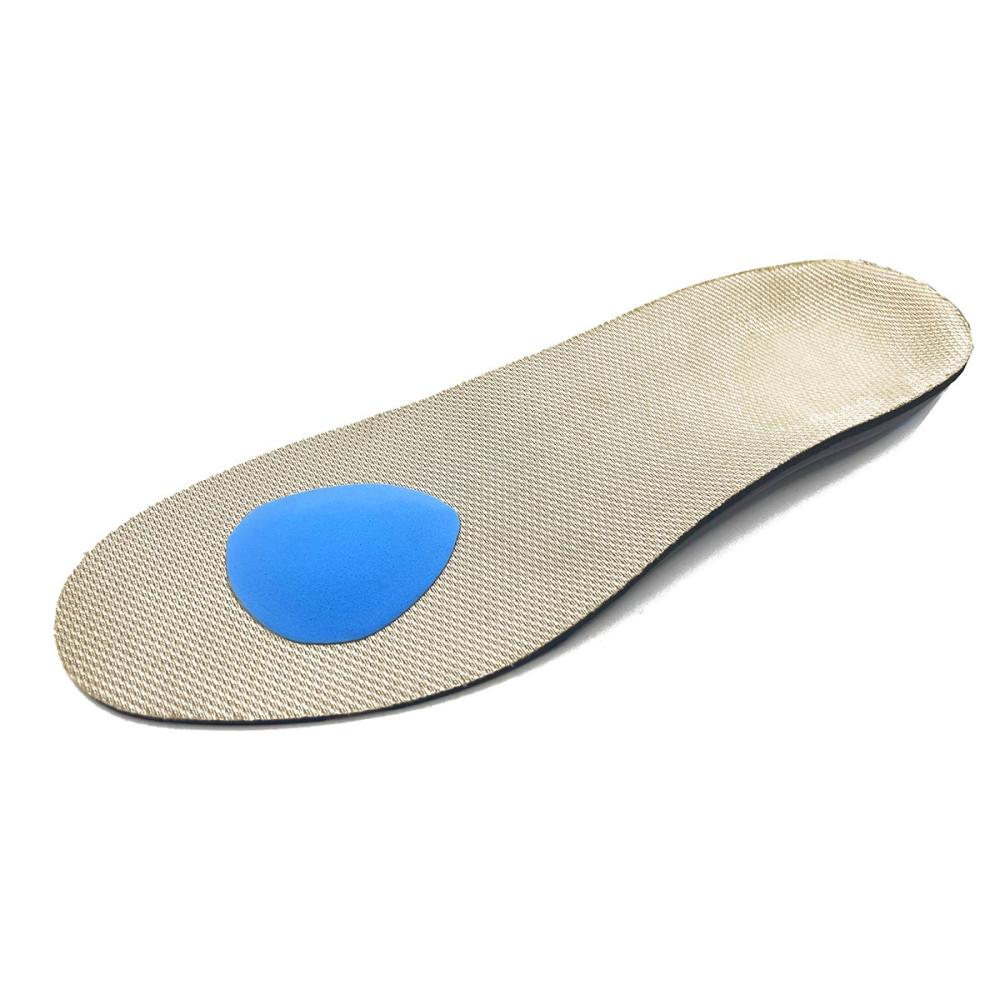
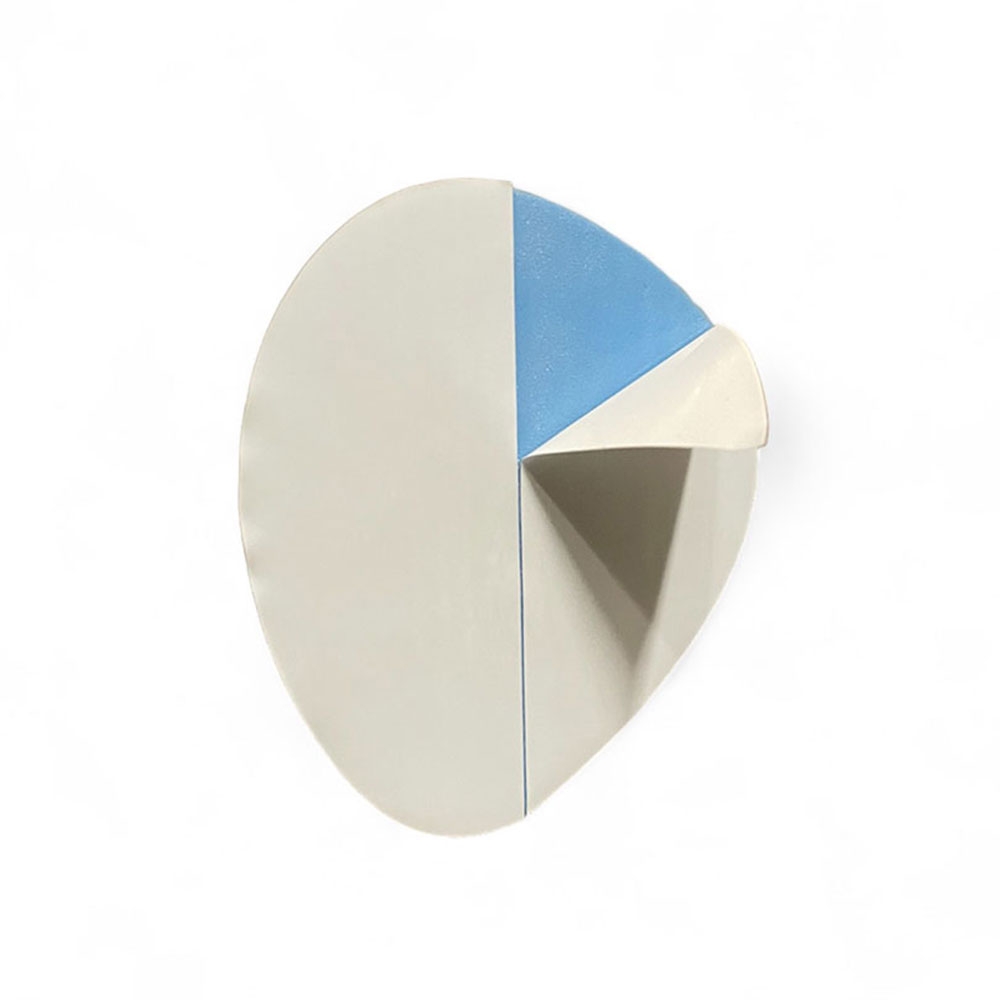
- Self-adhesive backing supports quick fitting to insoles or orthotic devices.
- PU construction offers soft cushioning with practical durability for daily wear applications.
- Can be adjusted medially or laterally depending on the area needing support.
- Supplied as a pack of 10 pairs for clinic use or repeated fitting.
What they do and how they work
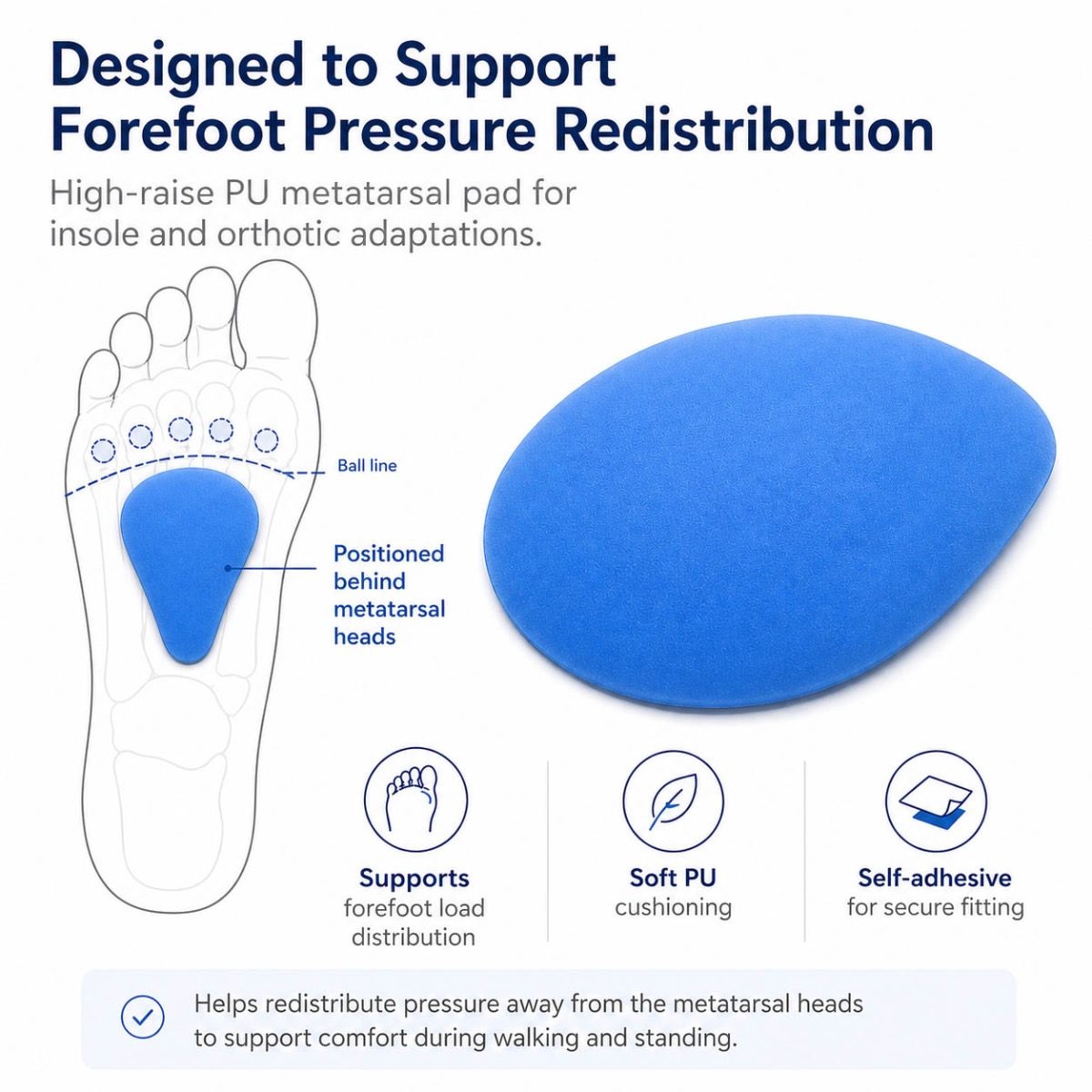
A metatarsal pad is placed just behind the ball of the foot, not directly under it. In this position, it helps lift and support the tissues behind the metatarsal heads so pressure is spread more evenly across the forefoot.
This can reduce focal loading beneath painful areas, improve comfort in shoes and orthoses, and support users who need more targeted forefoot offloading than a flat insole alone can provide.
Common problems it may help with
- Metatarsalgia or general ball-of-foot discomfort
- Forefoot pressure during prolonged standing or walking
- Localised discomfort linked to insole fit or forefoot loading
- Symptoms associated with excessive pressure beneath the metatarsal heads
- Selected insole adaptations for Morton’s neuroma-style symptoms
- Forefoot soreness in active, work or everyday footwear
Applications and they are suitable for
- Podiatrists, orthotists, physiotherapist, foot health practitioners and Podiatry coached patients
- Orthotic workshops carrying out insole modifications
- Informed and coached users adapting existing insoles for forefoot comfort
- People needing targeted support behind the ball of the foot
- Use in everyday footwear, selected sports footwear and rehabilitation settings where forefoot pressure relief is required
Who it may not be suitable for
- Users who need a full-length orthotic solution rather than a local pad addition
- People with severe foot pain, unexplained numbness, or rapidly worsening symptoms without clinical assessment
- Anyone unable to tolerate increased volume inside the shoe
- Cases where incorrect pad placement worsens pressure or irritation
- Open wounds or broken skin in the area of contact unless advised by a clinician
Product specifications
| Product type | High-raise metatarsal pad for insole adaptions |
|---|---|
| Material | Polyurethane (PU) |
| Backing | Adhesive backing |
| Hardness | Shore A14 |
| Use | Insole and orthotic modification for forefoot pressure redistribution |
| Pack size | Pack of 10 pairs |
Usage instructions
- Remove the insole or orthotic if needed so positioning can be checked accurately.
- Place the pad near the forefoot so it sits behind the ball of the foot, not directly under the painful spot.
- Position the flatter edge just behind the metatarsal heads and orient the tapered edge towards the heel.
- For more lateral forefoot symptoms, the pad can be moved slightly towards the 3rd and 4th toe area. For more medial support needs, it can be moved slightly towards the inside of the foot.
- Once position is confirmed, secure the pad firmly using the adhesive backing. Additional attachment can be achieved with spray adhesive, contact adhesive, or double-sided tape where required.
- Check comfort in standing and walking, then adjust if needed before long periods of wear.
Benefits
- Targets pressure relief where a standard insole may not be enough
- Supports more comfortable walking and standing
- Useful for customising orthotic devices without replacing the full insole
- Simple to fit and reposition during assessment
- Helps clinicians fine-tune forefoot support for different presentations
- Can reduce friction and local overload in the forefoot when correctly placed
Contraindications & warnings
- Do not place the pad directly under the metatarsal heads, as this can increase pressure and discomfort.
- Stop use and reassess placement if pain worsens, numbness increases, or new irritation develops.
- Use caution in people with reduced sensation, fragile skin, diabetes-related foot risk, or significant circulatory problems unless fitted under professional guidance.
- Not a substitute for clinical diagnosis where forefoot pain is persistent, severe, or associated with swelling, trauma, or neurological symptoms.
- Check that the shoe still fits safely after the pad is added, particularly in shallow footwear.
FAQs
What are PU metatarsal pads used for?
They are used to modify insoles or orthotic devices so pressure is redistributed away from the ball of the foot. This can help improve comfort where there is localised forefoot pressure or soreness.
How do metatarsal pads work?
They support the area just behind the metatarsal heads. This helps spread load more evenly across the forefoot rather than concentrating pressure under one painful point.
Where should the pad be placed?
The pad should sit behind the ball of the foot, not directly underneath it. Correct placement is important, because a pad positioned too far forward can make symptoms worse rather than better.
Are these suitable for Morton’s neuroma symptoms?
They may be used as part of an insole adaptation for symptoms affecting the forefoot, including Morton’s neuroma-style symptoms, where pressure redistribution is helpful. Fit and positioning should be checked carefully.
Can they be used with existing orthotics or insoles?
Yes. These pads are designed for insole and orthotic adaptions and can be added to many existing devices where more targeted forefoot support is needed.
Are they suitable for everyday use?
They can be used for daily wear when the pad is fitted correctly, the footwear has enough room, and comfort is checked during normal walking and standing.
Do they stick on their own?
They have adhesive backing for fitting. Where extra hold is needed, additional products such as spray adhesive, contact adhesive, or double-sided tape may be used.
Who usually uses this type of product?
They are commonly used by podiatrists, orthotists, physiotherapists, foot health practitioners, and informed users carrying out forefoot insole modifications.
References
- Algeos: Effective Strategies for Treating Metatarsalgia
- Royal Orthopaedic Hospital: Metatarsalgia Forefoot Pain
- NHS: Pain in the Ball of the Foot
- Morton’s Neuroma Non-Operative Treatment Modalities
Written by Marc Cameron - Product Director and Product Category Contributor
Product Summary
PU Metatarsal Pads are self-adhesive polyurethane forefoot pads used for insole adaptions and orthotic modifications. They are designed to sit just behind the ball of the foot to help redistribute pressure, improve forefoot comfort, and support users with metatarsalgia, localised forefoot pressure, or selected Morton’s neuroma-style symptoms.
Product Category Insight
What is a metatarsal pad?
A metatarsal pad is a type of orthopedic device used to modify an orthotic device like and insole to alleviate pain and discomfort in the ball of the foot, particularly in the area beneath the metatarsal heads (the bones at the base of the toes).
Metatarsal pads work by redistributing pressure away from the metatarsal heads, which can help relieve pain caused by conditions such as metatarsalgia (pain and inflammation in the ball of the foot), Morton's neuroma (a painful condition affecting the nerves between the toes), or conditions where there is excessive pressure on the forefoot.
By providing cushioning and support, metatarsal pads can help reduce friction and pressure on the sensitive areas of the foot, allowing for greater comfort during activities like walking or standing for extended periods. They can be particularly beneficial for individuals who have high arches, flat feet, or those who spend a lot of time on their feet.
These pads are made of synthetic foam materials, including EVA or, where indicated, PU (polyurethane). In any case, no natural rubber has been used, which minimise the risk of allergies.
How to use
Place at the beginning of your arch near the forefoot. Ensure the met pads are pressing into the space behind the ball of the foot, not under the ball of the foot. The flatter edge should be positioned just behind the metatarsal heads at the ball of the foot and the tapered edge should be looking at the heel.
You can choose where you place the metatarsal pad depending on what metatarsal issue you are trying to alleviate. You can place it more towards your 3rd and 4th toes (outside of the foot) if you’re having a neuroma issue between those toes. If you’re having pain at the ball of your second toe, you can move the metatarsal pad medially (towards the inside of your foot) to add more support in that area.
Use a spray adhesive like Orthafix Spray Adhesive, contact adhesive like Orthabond or double-sided tape to attach the pad to the shoe or orthotic aid like daily use insoles.
Related Downloads
Frequently bought together
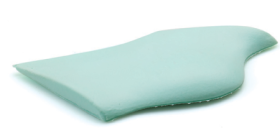
Sold: Pack of 10 Pairs
Incl. VAT Exl. VAT
Sold: 10 Pairs
Incl. VAT Exl. VAT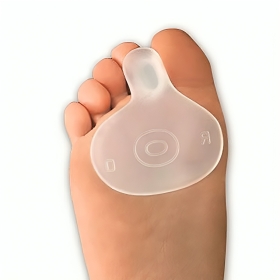
Sold: Pair
Incl. VAT Exl. VAT
Sold: Pair
Incl. VAT Exl. VAT
Sold: Sold per Pair
Incl. VAT Exl. VAT
Sold: Sold per Pair
Incl. VAT Exl. VAT
Sold: Pack of 5 Pairs
Incl. VAT Exl. VAT
Sold: Pack of 10 Pairs
Incl. VAT Exl. VAT