





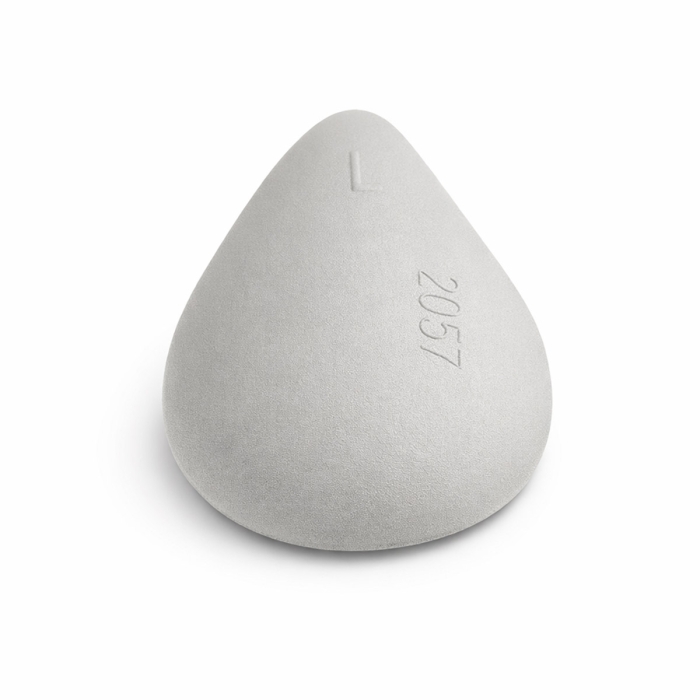
Professional Metatarsal Pads - Soft Foam - High Raise for Higher Met Lift - 10 Pairs
Low density soft foam metatarsal pads with a high raise profile.
Designed to redistribute pressure away from the ball of the foot.
Helps modify insoles and orthotics for targeted forefoot support.
Suitable for addressing a range of metatarsal discomfort patterns.
Available via NHS Supply Chain Framework for NHS clinicians.
"Well tolerated by patients".
Andrew J, Diss, United Kingdom
Sold: Pack of 10 Pairs
Incl. VAT Exl. VAT
Product Description
Metatarsal Pads - Soft Foam - High Raise for Professionals
Soft, low-density foam metatarsal pads designed to sit just behind the ball of the foot inside an insole or orthotic. Their higher raise profile helps redistribute pressure across the forefoot, making them a practical option where extra metatarsal lift and cushioning are needed.
Suitable for clinicians, orthotic technicians, and informed users looking to modify an existing insole or orthotic for more targeted forefoot support. Supplied as 10 pairs and available in sizes 1, 2, and 3.
Key selling points
- Helps reduce focal pressure under the metatarsal heads
- Higher raise profile for more noticeable forefoot support
- Soft foam construction for a more cushioned feel
- Useful for modifying insoles and orthoses without replacing them
- Universal left and right fit
- Pack of 10 pairs for repeat use, clinic stock, or ongoing replacement
What it does / How it works
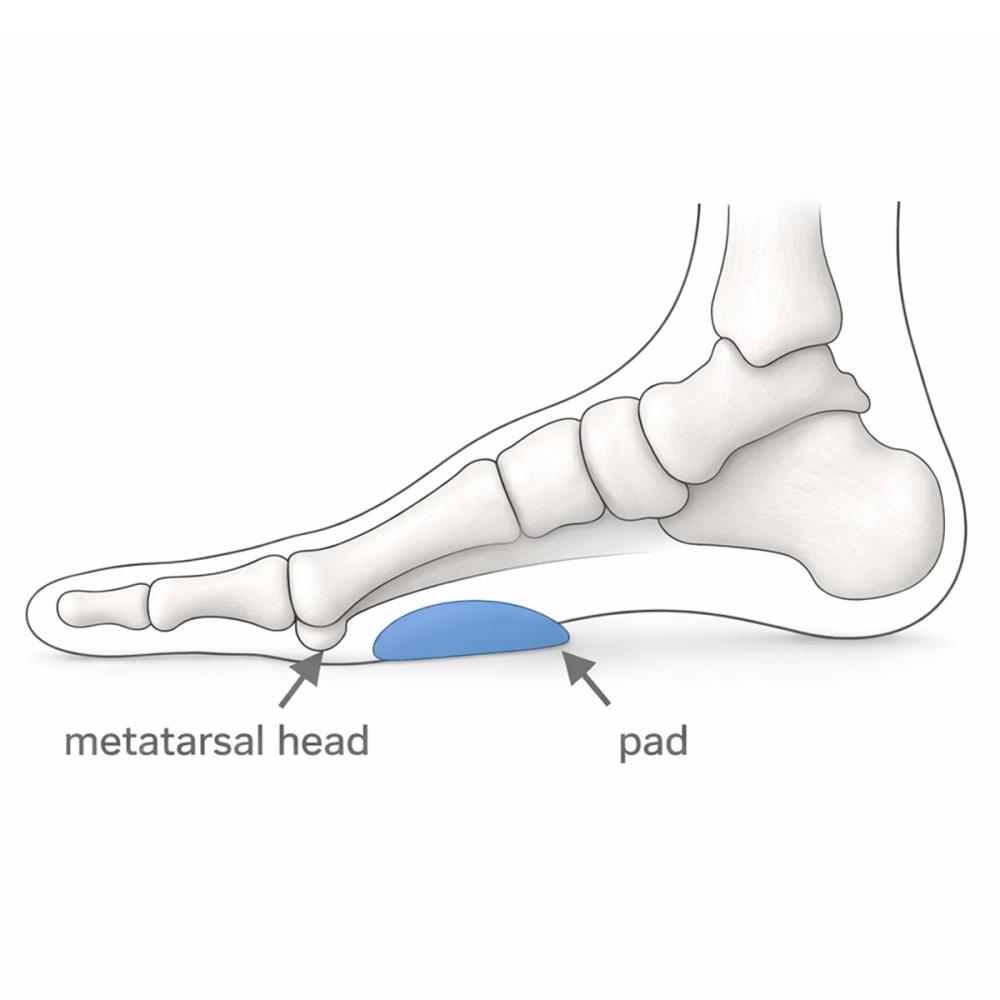
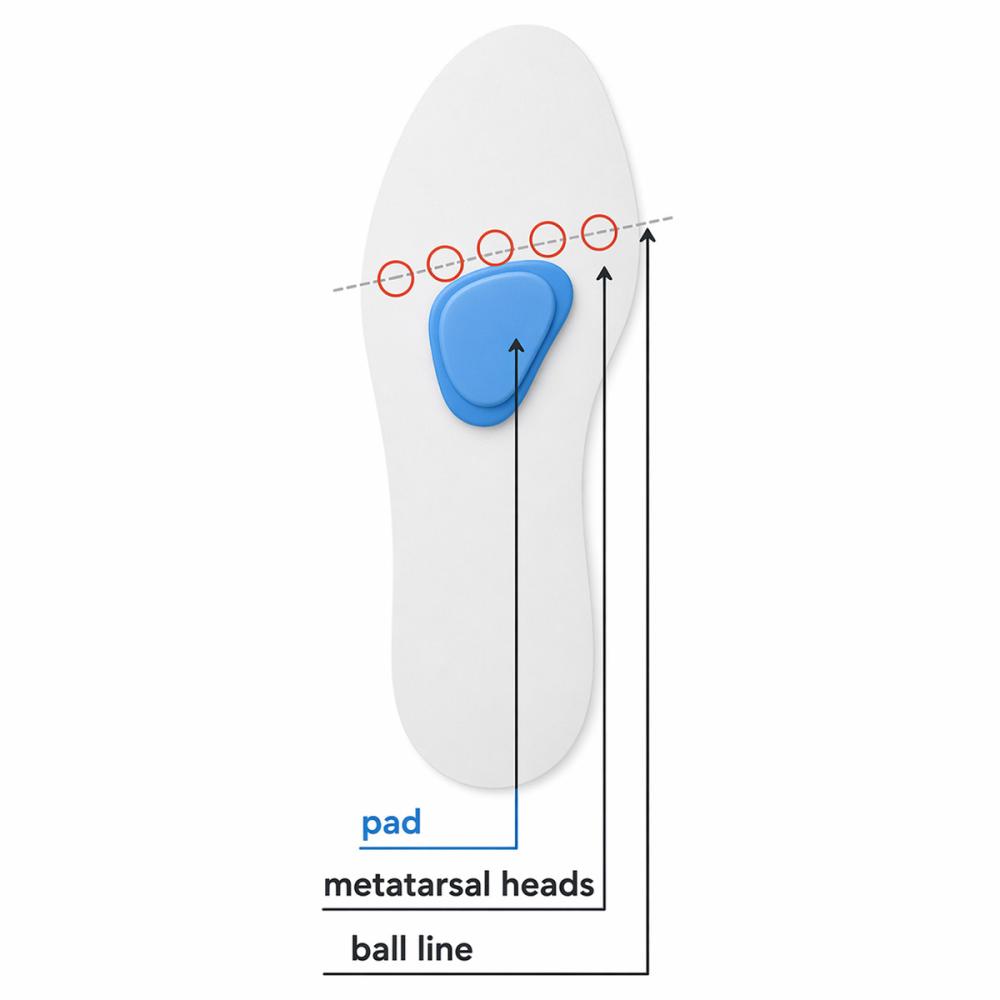
These dome-shaped forefoot pads are positioned just behind the metatarsal heads rather than directly under them.
In the correct position, they gently lift the transverse arch area of the forefoot and help spread load over a wider surface.
The soft foam compresses slightly under body weight, combining cushioning with mechanical support.
The higher profile creates a stronger metatarsal lift than a flatter or lower-profile pad.
Common problems it may help with
- Ball-of-foot soreness during standing or walking
- Forefoot pressure or overload
- Burning or aching under the metatarsal heads
- Discomfort linked to metatarsalgia
- Symptoms where a more pronounced metatarsal lift is preferred
- Insoles or orthotics that need extra forefoot support
As with all metatarsal pads, comfort and outcome depend heavily on correct placement and footwear space.
Applications / Who it’s suitable for
- Podiatry and orthotic insole modification
- Custom orthoses needing added forefoot lift
- Users spending long periods on their feet
- Active users needing more even forefoot load distribution
- People who have found lower-profile met pads insufficient
- Clinical and home use where fitting is understood and monitored
Who it may not be suitable for
- Users who are very sensitive to added bulk under the forefoot
- Footwear with limited forefoot depth or a very shallow toe box
- Anyone looking for an ultra-low-profile metatarsal pad
- Users expecting a standalone insole replacement rather than an insole modification component
- Anyone with persistent or worsening forefoot pain that has not been assessed professionally
Product specifications
| Specification | Details |
|---|---|
| Product type | Metatarsal pad, high raise |
| Material | Synthetic soft foam |
| Density | Low density |
| Profile | High raise |
| Fit | Universal left / right |
| Pack contents | 10 pairs |
| Available sizes | Size 1, Size 2, Size 3 |
| Latex content | No natural rubber used |
| Care | Inspect regularly and replace if compressed, worn, or damaged |
Size guide and pad dimensions
| Size | Recommended UK shoe size | Order code | Length | Width | Height |
|---|---|---|---|---|---|
| Size 1 / Small | UK 2 to 4.5 | SD2071 | 50 mm | 32 mm | 3 mm |
| Size 2 / Medium | UK 5 to 9.5 | SD2072 | 55 mm | 36 mm | 5 mm |
| Size 3 / Large | UK 10 and above | SD2073 | 62 mm | 39 mm | 8 mm |
Usage instructions
- Remove the insole or orthotic from the shoe where possible.
- Identify the area just behind the ball of the foot where forefoot support is needed.
- Position the pad so it sits behind the metatarsal heads, not directly underneath them.
- Adjust placement slightly to suit the area of pressure or discomfort.
- Secure in place using an appropriate adhesive, tape, or fitting method used in your insole workflow.
- Reinsert the insole or orthotic and check comfort before extended wear.
- Introduce gradually, especially if the user is not used to a higher-profile metatarsal pad.
Benefits
- Can improve comfort during walking and standing
- Supports more even pressure distribution across the forefoot
- Helps fine-tune an orthotic or insole without replacing the full device
- Soft foam feel may be more comfortable than firmer pad options for some users
- Different sizes allow better matching to foot size and clinical need
Contraindications & warnings
- Do not place directly under the painful metatarsal heads, as this may increase discomfort.
- Use caution in very tight, narrow, or shallow footwear.
- Stop use and reassess placement if the pad causes sharp pain, crowding, or worsening symptoms.
- Seek professional assessment if forefoot pain is severe, unexplained, persistent, or associated with numbness, swelling, or skin breakdown.
- This product is intended to modify an existing insole or orthotic rather than replace one.
FAQs
What is this product used for?
It is used to modify an insole or orthotic by adding targeted support behind the metatarsal heads. This can help redistribute pressure across the forefoot and improve comfort at the ball of the foot.
How does a metatarsal pad work?
When placed correctly, the pad lifts the area just behind the metatarsal heads. This encourages load to spread more evenly across the forefoot instead of concentrating on one painful spot.
Who should use a high-raise metatarsal pad?
A high-raise pad can suit users who need a more noticeable forefoot lift than a flatter or lower-profile option provides. It is commonly used in orthotic modification where extra offloading is required.
Can these be used with orthotics or insoles?
Yes. They are designed to be added to an existing insole or orthotic device, not used as a stand-alone footbed.
Are they suitable for daily wear?
They can be used daily once fit and placement are comfortable. A gradual introduction is sensible, especially for users new to metatarsal support or sensitive to bulk under the forefoot.
Will they fit in any shoe?
Not always. They work best in footwear with enough forefoot depth. Very tight or shallow shoes may feel crowded with a high-raise pad in place.
What size should I choose?
As a guide, size 1 is recommended for UK shoe sizes 2 to 4.5, size 2 for UK 5 to 9.5, and size 3 for UK 10 and above. Clinical fit, pad position, and the amount of lift required should also be considered.
Are these left and right specific?
No. The pads have a universal left and right fit and are positioned according to the insole setup and the area needing support.
Can I move the pad once fitted?
Yes, initial repositioning is common while finding the most effective placement. Final repositioning will depend on the adhesive or fixing method used.
When should this type of pad not be used?
It may not suit users who are very sensitive to added forefoot bulk, need an ultra-low-profile solution, or are wearing footwear with limited forefoot space. Ongoing or worsening pain should be assessed professionally.
References
- Algeos dimensions guide: Metatarsal and Valgus Pads
- Algeos metatarsal pads and forefoot cushions guide
- NHS: Pain in the ball of the foot
- AAOS OrthoInfo: Morton's Neuroma
- Royal Orthopaedic Hospital: Metatarsalgia Forefoot Pain
Written by Marc Cameron - Product Director and Product Category Contributor
Product Summary
These high-raise soft foam metatarsal pads are forefoot support components used to modify insoles and orthotics. They sit just behind the ball of the foot to help redistribute pressure, making them suitable for metatarsalgia, general ball-of-foot discomfort, and orthotic setups needing a more pronounced metatarsal lift.
Related Downloads
Frequently bought together
Sold: Pack of 10
Incl. VAT Exl. VAT
Sold: Pack of 5 Pairs
Incl. VAT Exl. VAT
Sold: Pack of 5 Pairs
Incl. VAT Exl. VAT
Sold: Pack of 5 Pairs
Incl. VAT Exl. VAT
Sold: Pack of 10 Pairs
Incl. VAT Exl. VAT
Sold: Pack of 10 Pairs
Incl. VAT Exl. VAT
Sold: Pack of 10 Pairs
Incl. VAT Exl. VAT
Sold: Pack of 10 Pairs
Incl. VAT Exl. VAT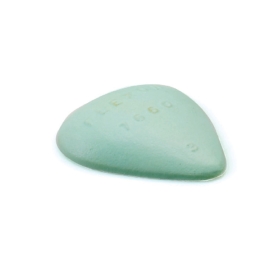
Sold: Pack of 10 Pairs
Incl. VAT Exl. VAT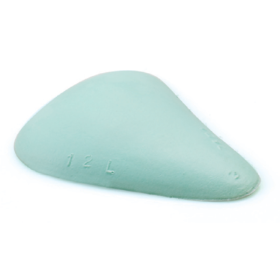
Sold: 10 Pairs
Incl. VAT Exl. VAT
Sold: Pack of 10
Incl. VAT Exl. VAT
Sold: Pack of 10 Pairs
Incl. VAT Exl. VAT
Sold: Pack of 10 Pairs
Incl. VAT Exl. VAT
Sold: Pack of 5 Pairs
Incl. VAT Exl. VAT
Sold: Sold per Roll
Incl. VAT Exl. VAT
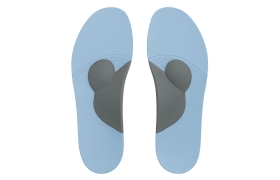
Sold: Pack of 10 Pairs
Incl. VAT Exl. VAT