




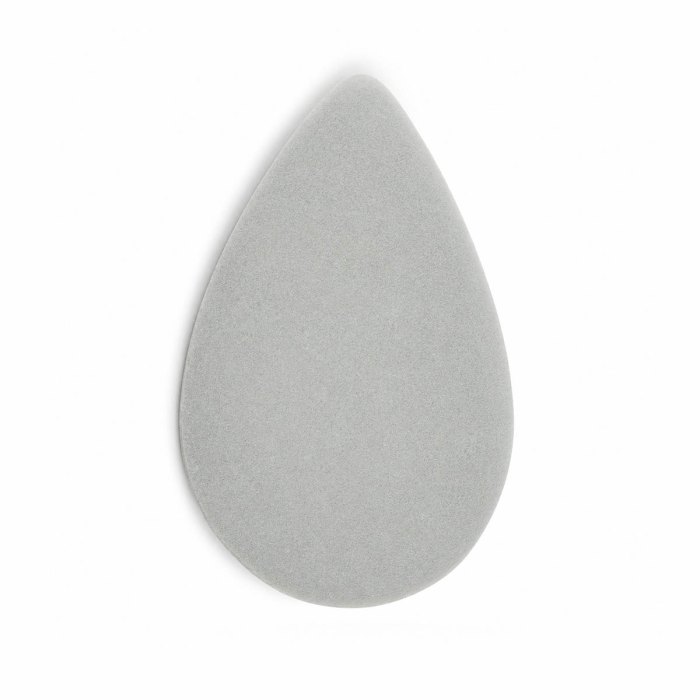
Childrens Metatarsal Pads
Sold: Pack of 10 Pairs
Incl. VAT Exl. VAT
Product Description
Childrens Met Pads - 10 Pairs
Low density children’s metatarsal pads designed to provide moderate correction and targeted support behind the ball of the foot. Supplied as a pack of 10 pairs, they are suitable for paediatric orthotic modifications, insole adaptations and footwear fitting where controlled forefoot support is required.
These pads are commonly used by podiatrists, orthotists, clinicians and orthotic technicians to help manage forefoot pressure, ball-of-foot discomfort, metatarsalgia-type symptoms and shoe-related friction in children’s footwear.
Key Selling Points
- Designed for children’s fitting: smaller metatarsal pad sizes for paediatric footwear and orthotic adaptations.
- Moderate correction: supports the metatarsal area without the bulk of larger adult-style pads.
- Low density cushioning: provides softer support for young feet and daily footwear applications.
- Helps redistribute forefoot pressure: positioned behind the metatarsal heads to help reduce pressure around the ball of the foot.
- Synthetic foam construction: made from foam materials and produced without natural rubber.
- Clinic-friendly pack: supplied as 10 pairs for repeat fitting, insole work and footwear modification.
What It Does and How It Works
A metatarsal pad is fitted just behind the metatarsal heads, rather than directly underneath the painful or high-pressure area. Correct placement helps support the transverse arch area of the forefoot and can spread load more evenly through the front of the foot.
These children’s pads provide a moderate level of correction with a low density feel. This makes them useful where a clinician needs to add gentle metatarsal support to an insole, orthotic device or suitable shoe without excessive bulk.
Common Problems It May Help With
- Ball-of-foot pressure in children’s footwear
- Metatarsalgia-type forefoot discomfort
- Forefoot friction inside shoes
- Localised pressure beneath the metatarsal heads
- Discomfort during walking, school activities or prolonged standing
- Forefoot support needs linked with foot posture, high arches or flat feet
- Orthotic modification where a smaller paediatric metatarsal pad is required
Applications and Suitability
Children’s metatarsal pads are suitable for paediatric orthotic and footwear adaptations where targeted forefoot support is needed. They may be used with suitable insoles, orthotic devices or shoes where there is enough internal space and the pad can be positioned accurately behind the ball of the foot.
Typical Users
- Podiatrists and chiropodists
- Orthotists and orthotic technicians
- Physiotherapists working with paediatric gait and foot function
- Clinics carrying out children’s insole modifications
- Children requiring targeted forefoot support under adult or professional guidance
Common Settings
- Paediatric orthotic fitting
- Podiatry clinics
- Footwear and insole modification
- Gait and pressure-management support plans
- School or daily footwear where space allows
Who It May Not Suit
This product may not be suitable for use over open wounds, broken skin, active infection, severe swelling or unexplained foot pain that has not been assessed. Children with reduced sensation, circulation problems, neurological conditions, diabetes or a history of skin breakdown should only use pressure-altering foot supports with professional advice.
It may also be unsuitable for tight children’s shoes, shallow footwear or shoes with limited forefoot space, as the added pad thickness may increase pressure rather than relieve it.
Product Specifications
| Product name | Childrens Metatarsal Pads | ||||||||||||||||||||
|---|---|---|---|---|---|---|---|---|---|---|---|---|---|---|---|---|---|---|---|---|---|
| Product type | Children’s metatarsal pads for forefoot support and orthotic modification | ||||||||||||||||||||
| Pack size | 10 pairs | ||||||||||||||||||||
| Correction level | Moderate correction | ||||||||||||||||||||
| Density | Low density | ||||||||||||||||||||
| Material | Synthetic foam material. No natural rubber is used. | ||||||||||||||||||||
| Primary use | Forefoot pressure redistribution, metatarsal support, paediatric orthotic modification and insole adaptation | ||||||||||||||||||||
| Available sizes and dimensions |
|
||||||||||||||||||||
| Dimension note | Dimensions are subject to batch variations. | ||||||||||||||||||||
| Related download | Metatarsal and Valgus Pads Dimensions PDF |
Usage Instructions
- Place the metatarsal pad at the beginning of the arch near the forefoot.
- Ensure the pad sits in the space behind the ball of the foot, not directly underneath the ball of the foot.
- Position the flatter edge just behind the metatarsal heads and the tapered edge facing towards the heel.
- Trial the pad position before permanent fixing, as small changes in placement can significantly affect comfort.
- Adjust the position according to the child’s symptoms, footwear and orthotic prescription where applicable.
- Secure the pad to the shoe, insole or orthotic aid using a suitable spray adhesive, contact adhesive or double-sided tape.
- Check comfort after fitting and inspect the skin after wear, especially during the first few uses.
- For children, an adult or clinician should check the fit regularly as footwear, gait and foot size can change quickly.
Benefits
For Clinical Fitting
- Paediatric sizing for children’s footwear and orthoses
- Moderate correction for controlled forefoot support
- Low density foam for a softer contact feel
- Supplied in 10-pair packs for clinic and workshop use
- Useful for modifying insoles, orthoses and suitable shoes
For Wearer Comfort
- Helps reduce pressure beneath the ball of the foot
- May improve comfort during walking and standing
- Can help reduce forefoot friction inside shoes
- Supports pressure redistribution behind the metatarsal heads
- Suitable for daily footwear where space and fit allow
Contraindications and Warnings
- Do not use directly over open wounds, broken skin, infected areas or active skin irritation.
- Stop use if pain, rubbing, pressure marks, numbness, limping or skin irritation occurs.
- Incorrect placement may increase discomfort or create new pressure points.
- Children with reduced sensation, poor circulation, diabetes, neurological conditions or complex foot problems should use only with professional guidance.
- Ensure footwear has enough internal depth and width to accommodate the pad comfortably.
- Check the child’s skin and comfort regularly, especially during early use or after changes in shoe size.
- Use adhesives and tapes in line with their own instructions and suitability guidance.
FAQs
What are children’s metatarsal pads used for?
They are used to add targeted support behind the ball of the foot in children’s footwear or orthotic devices. They can help redistribute forefoot pressure and support comfort where metatarsal pressure or ball-of-foot irritation is present.
How are these different from adult metatarsal pads?
These pads are sized for children’s footwear and paediatric orthotic adaptations. They provide moderate correction with a low density feel, making them more suitable for smaller feet and lower-bulk fitting requirements.
Where should the pad be positioned?
The pad should sit just behind the metatarsal heads, not directly underneath the ball of the foot. The flatter edge should sit behind the metatarsal heads, with the tapered edge pointing towards the heel.
Can these pads help with metatarsalgia-type discomfort?
They may help reduce pressure beneath the metatarsal heads when correctly positioned behind the ball of the foot. Persistent, worsening or unexplained forefoot pain in a child should be assessed by a qualified healthcare professional.
Can they be used in school shoes?
They can be used in suitable school shoes if there is enough internal depth and forefoot space. Tight shoes may not accommodate the pad comfortably and could increase rubbing or pressure.
How do I attach the pad?
The pad can be attached to a shoe, insole or orthotic device using a suitable spray adhesive, contact adhesive or double-sided tape. Suitable options include Orthafix Spray Adhesive, Orthabond Contact Adhesive or double-sided adhesive tape.
Do these pads contain natural rubber?
No natural rubber is used in these synthetic foam metatarsal pads. This may be useful where rubber content is a concern, although children with known sensitivities should always be monitored after fitting.
Can the pad be moved after fitting?
The pad position can be adjusted before final fixing to find the most comfortable and effective placement. Once bonded with adhesive, repositioning may be more difficult, so trial placement is recommended before permanent attachment.
Should a child wear metatarsal pads all day?
Wear time should be built up gradually and checked regularly by an adult or clinician. The child’s skin, comfort and walking pattern should be monitored, especially during the first few wears.
Related Links
- Metatarsal Pads and Forefoot Cushions
- Metatarsal Pads - Drop Shape
- Metatarsal Pads - Firm Foam - High/Wide
- Metatarsalgia Insoles and Forefoot Pads
- Morton’s Neuroma Insoles and Forefoot Support
- Orthafix Spray Adhesive
- Orthabond Contact Adhesive
- Double-Sided Adhesive Tape
- Metatarsal and Valgus Pads Dimensions PDF
Product Summary
Childrens Metatarsal Pads are low density foam pads designed for moderate paediatric forefoot correction and pressure redistribution. Supplied as 10 pairs, they are positioned behind the ball of the foot and may help improve comfort where children experience metatarsal pressure, forefoot friction or ball-of-foot irritation in suitable footwear or orthotic devices.
Related Downloads
Frequently bought together
Sold: 5 Pairs
Incl. VAT Exl. VAT
Sold: Sold per Pair
Incl. VAT Exl. VAT
Sold: Sold per Pair
Incl. VAT Exl. VAT
Sold: Sold per Pair
Incl. VAT Exl. VAT
Sold: Sold per Pair
Incl. VAT Exl. VAT
Sold: Pack of 5 Pairs
Incl. VAT Exl. VAT
Sold: Sold per Pair
Incl. VAT Exl. VAT
Sold: Sold per Pair
Incl. VAT Exl. VAT
Sold: Sold per Pair
Incl. VAT Exl. VAT
Sold: Pack of 10 Pairs
Incl. VAT Exl. VAT