





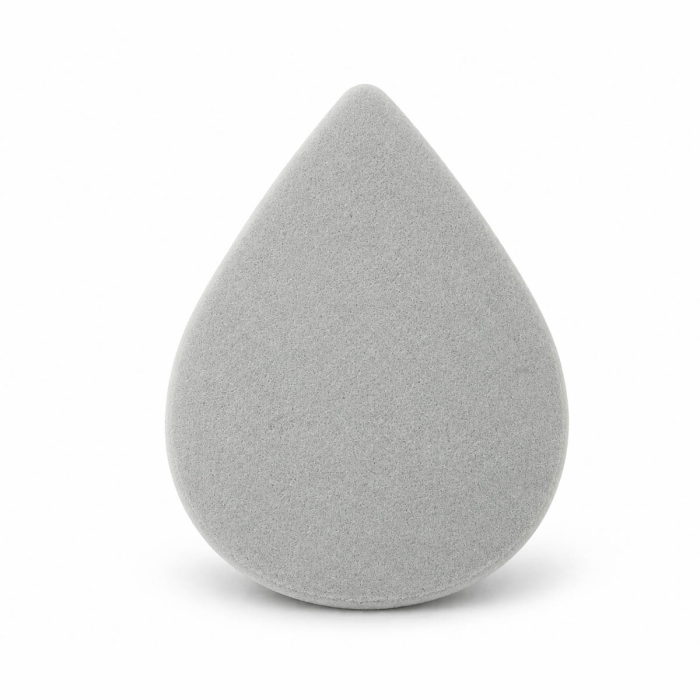
Metatarsal Pads - Soft Foam - Flat - 10 Pairs
Low raise design for moderate correction.
Sold: Pack of 10
Incl. VAT Exl. VAT
Product Description
Met Pad for Gentle Forefoot Support
A low-profile, soft foam metatarsal pad gives gentle support to the forefoot. It helps spread pressure evenly during daily use.
Best for: mild to moderate forefoot discomfort, sensitive feet, and users who prefer a soft, unobtrusive feel.
Not ideal for: users requiring firm or aggressive correction, or those needing a pronounced metatarsal raise.
- Low-density foam for soft contact
- Flat, low-raise profile for discreet wear
- Supplied in practical multi-packs
What is it?
The Metatarsal Pads – Soft Foam – Flat are light and low-density pads. They are designed to sit just behind the metatarsal heads. Their flat profile and soft foam construction make them suitable for users who need mild support without a noticeable lift or rigid structure under the foot.
Unlike firmer or more contoured metatarsal domes, this flat design focuses on gentle accommodation rather than strong correction. The aim is to subtly influence pressure distribution across the forefoot while maintaining a natural feel inside footwear.
Who is it for?
These metatarsal pads are suited to a wide range of users, particularly those who are new to forefoot supports or who have sensitive feet. They are commonly chosen by individuals seeking comfort during daily activities rather than targeted clinical correction.
They are also appropriate for healthcare-informed buyers, such as podiatry practices or foot care professionals, who want a soft, conservative option available for patients requiring only mild intervention.
What does it help with?
- General forefoot discomfort → may help reduce awareness of pressure under the ball of the foot
- Fatigue during prolonged standing → supports more even load distribution across the forefoot
- Sensitive or tender metatarsal area → provides cushioning without firmness
- Early or mild symptoms → offers a conservative first step before firmer options
How does it work?
The pad is positioned proximal to the metatarsal heads, where it can gently influence how pressure is borne across the forefoot. The soft foam compresses under load, allowing the foot to settle naturally while slightly reducing peak pressure points.
Because the design is flat and low-raise, the effect is subtle. This makes the pad suitable for users who may not tolerate more structured metatarsal supports or who want minimal change to how their footwear feels.
Expected comfort and use timeline
First use: The pad should feel soft and unobtrusive. Some users may notice a mild change in underfoot sensation as the forefoot contacts the cushioning.
Short-term use (first few days): As the foam compresses and adapts, comfort typically becomes more consistent. Any initial awareness usually settles with normal daily wear.
Ongoing use (weeks): With regular use, the pad continues to provide gentle cushioning and support. As with all foam products, compression characteristics may change gradually over time, and replacement may be considered when the pad no longer provides the desired feel.
Common forefoot problems and solutions
| Common problem | How the product helps |
|---|---|
| General soreness under the ball of the foot | Soft foam cushioning can make pressure feel more evenly spread |
| Sensitivity to firm orthotic devices | Low-density material offers a gentler alternative |
| Discomfort when standing for long periods | Provides mild support without altering foot posture significantly |
| Reluctance to use bulky pads | Flat profile sits discreetly inside many shoe types |
Key benefits
- Soft, low-density foam for gentle underfoot contact
- Flat, low raise design for subtle support
- Suitable for sensitive or easily irritated feet
- Easy to integrate into everyday footwear
- Appropriate for conservative or introductory use
- Supplied in packs of 10 pairs for ongoing or multiple-user needs
Fit and comfort check
Fit guidance: The pad should feel snug and supportive, not painful or intrusive. When positioned correctly, it should sit just behind the ball of the foot rather than directly under it.
If discomfort increases, or if the pad feels too noticeable, repositioning or reducing wear time may help.
Common mistakes to avoid
- Expecting strong correction from a low raise, soft foam pad
- Placing the pad directly under the metatarsal heads rather than behind them
- Using the pad in very tight footwear with insufficient internal volume
- Wearing continuously for long periods without allowing an adjustment phase
How to use
- Ensure the inside of the shoe or insole is clean and dry.
- Position the pad just behind the ball of the foot, not directly under it.
- Secure in place according to the pad design or footwear setup.
- Begin with short periods of wear to assess comfort.
- Gradually increase wear time as tolerated during normal daily activities.
Technical specifications
| Product type | Metatarsal pad |
|---|---|
| Design | Flat, low raise |
| Material | Soft foam (low density) |
| Sizes available | Size 1: approximately 6.2 cm (L) x 4.1 cm (W) Size 2: approximately 6.5 cm (L) x 4.4 cm (W) |
| Left / right | Universal fit |
| Pack contents | 10 pairs of metatarsal pads |
| Colour | Varies by option |
| Care and cleaning | Wipe clean as needed; allow to dry fully before reuse |
Frequently asked questions
Are these pads suitable for daily wear?
Yes, they are designed for everyday use, provided comfort is monitored and wear time is built up gradually.
Do they fit inside most shoes?
The flat, low-profile design makes them easier to accommodate than bulkier pads, though very tight shoes may still be restrictive.
Will they correct foot structure?
No. These pads are intended to support comfort and pressure distribution, not to permanently correct foot structure.
Can they be used with orthotics?
They may be used alongside other foot support products, depending on space within the shoe and overall comfort.
Are they suitable for sensitive skin?
The soft foam is generally well tolerated, but users with particularly sensitive skin should monitor for irritation.
How long do they last?
Lifespan varies with use and load. Over time, foam compression may reduce effectiveness, at which point replacement is recommended.
Complementary and pairing suggestions
- Forefoot cushioning insoles for additional comfort
Related Downloads
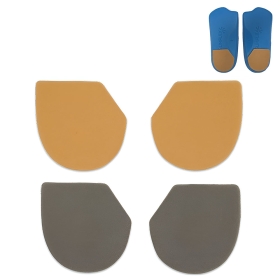
Sold: 5 Pairs
Incl. VAT Exl. VAT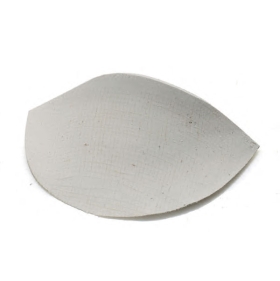
Sold: Pack of 5 Pairs
Incl. VAT Exl. VAT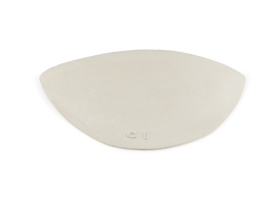
Sold: Pack of 5 Pairs
Incl. VAT Exl. VAT
Sold: Pack of 5 Pairs
Incl. VAT Exl. VAT
Sold: 5 Pairs
Incl. VAT Exl. VAT
Sold: Pack of 5 Pairs
Incl. VAT Exl. VAT
Sold: Each
Incl. VAT Exl. VAT
Sold: Pack of 10
Incl. VAT Exl. VAT
Sold: Pair
Incl. VAT Exl. VAT
Sold: 10 Pairs
Incl. VAT Exl. VAT
Sold: Pack of 10 Pairs
Incl. VAT Exl. VAT
Sold: Pack of 10 Pairs
Incl. VAT Exl. VAT
Sold: Pack of 10 Pairs
Incl. VAT Exl. VAT
Sold: Pack of 10 Pairs
Incl. VAT Exl. VAT
Sold: Pair
Incl. VAT Exl. VAT
Sold: Pack of 10 Pairs
Incl. VAT Exl. VAT
Sold: Pack of 10 Pairs
Incl. VAT Exl. VAT
Sold: Pack of 10 Pairs
Incl. VAT Exl. VAT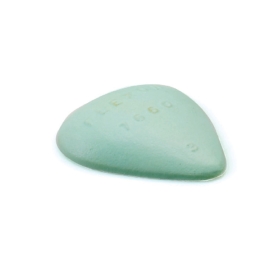
Sold: Pack of 10 Pairs
Incl. VAT Exl. VAT
Sold: Pack of 10 Pairs
Incl. VAT Exl. VAT
Sold: Pack of 10 Pairs
Incl. VAT Exl. VAT
Sold: Pack of 5 Pairs
Incl. VAT Exl. VAT
Sold: Sold per Roll
Incl. VAT Exl. VAT
Sold: Pack of 10
Incl. VAT Exl. VAT