




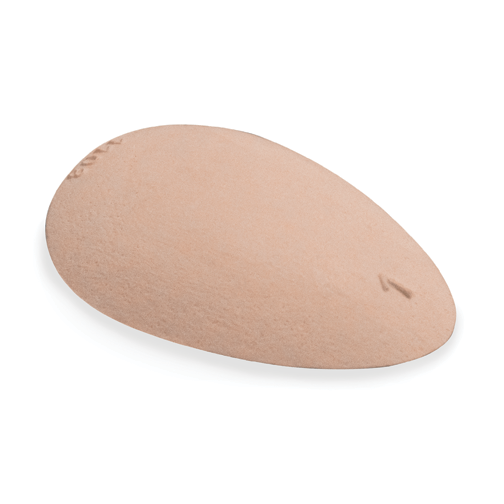
Metatarsal Pad - Medium-Firm Density - 10 Pairs
The metatarsal pad is typically used to redistribute pressure away from the metatarsal heads for foot comfort and relief.
May help reduce concentrated pressure beneath the ball of the foot.
Designed to support load redistribution in cases of general forefoot soreness such as metatarsalgia.
Sold: Pack of 10 Pairs
Incl. VAT Exl. VAT
Product Description
Targeted Forefoot Pressure Relief
A practical, medium-density metatarsal pad designed to modify insoles or orthotic devices to help redistribute pressure away from the ball of the foot during everyday walking and standing.
Best for: People experiencing forefoot discomfort, localised pressure beneath the metatarsal heads, or sensitivity during prolonged standing or walking.
Not ideal for: Use directly under the ball of the foot, open wounds, or situations where added forefoot volume cannot be accommodated within footwear.
- Medium-density cushioning for balanced support
- Designed for integration with insoles or orthoses
- Synthetic foam construction with no natural rubber
Use timeline
First use: When first applied, the pad may feel noticeable under the forefoot as your foot adjusts to the change in pressure distribution. This is normal and usually settles as positioning is refined.
Short-term use (first few days): Many users report a gradual reduction in pressure at sensitive areas of the forefoot as the pad begins to offload the metatarsal heads. Minor adjustments in placement are common during this period.
Ongoing use (weeks): With consistent wear and correct positioning, the pad becomes part of the insole system, offering steady support during daily activities. Comfort is typically maintained rather than dramatically increasing over time.
What is it?
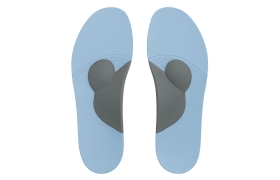
A metatarsal pad is an orthotic accessory used to adapt or modify an insole or orthosis. It sits just behind the ball of the foot and is shaped to support the transverse arch of the forefoot. By subtly lifting and spreading the metatarsal bones, it aims to reduce excessive localised pressure under the metatarsal heads.
Who is it for?
This medium-density metatarsal pad is suitable for adults who experience discomfort or fatigue in the forefoot during everyday activities. It is often chosen by people who spend long periods standing, those who walk regularly for work or leisure, and individuals already using insoles who need additional forefoot modification.
What does it help with?
- Forefoot pressure: May help reduce concentrated pressure beneath the ball of the foot.
- Metatarsalgia: Designed to support load redistribution in cases of general forefoot soreness.
- Neuroma-related discomfort: Can be positioned to reduce irritation between specific toes.
- Foot fatigue: Helps cushion and support during prolonged standing or walking.
How does it work?
The pad is positioned just behind the metatarsal heads rather than directly under them. This placement encourages pressure to be shared across a wider area of the forefoot. The medium-density foam provides a balance between cushioning and structural support, allowing the foot to load more evenly during gait while remaining comfortable inside everyday footwear.
Problem to solution overview
| Common problem | How the product helps |
|---|---|
| Localised pain in the ball of the foot | Redistributes pressure away from sensitive metatarsal heads |
| Discomfort between specific toes | Allows targeted placement to support affected areas |
| Forefoot fatigue after long periods standing | Adds cushioning and support to reduce load concentration |
| Existing insoles not providing enough forefoot support | Acts as a simple modification to enhance insole function |
Key benefits
- Medium-density foam balances comfort and support
- Helps offload pressure from sensitive forefoot areas
- Can be positioned to suit different metatarsal issues
- Compatible with most insoles and orthotic aids
- Synthetic materials with no natural rubber to minimise allergy risk
- Suitable for everyday footwear with adequate space
Fit and comfort check
The pad should feel snug, not painful. It should support the area just behind the ball of the foot without creating sharp pressure points. If discomfort persists, adjust the position slightly or reduce wear time while your foot adapts.
Common mistakes to avoid
- Placing the pad directly under the ball of the foot rather than behind it
- Expecting instant relief without allowing time for adjustment
- Using in footwear that is too tight in the forefoot
- Fixing the pad permanently before confirming correct placement
How to use
- Identify the area just behind the ball of your foot at the beginning of the arch.
- Position the flatter edge of the pad toward the forefoot, with the tapered edge facing the heel.
- Ensure the pad presses into the space behind the metatarsal heads, not directly beneath them.
- Adjust placement depending on your symptoms, moving slightly towards the inside or outside of the foot as needed.
- Once satisfied with the position, secure the pad using a suitable spray adhesive, contact adhesive or double-sided tape.
- Test wear for short periods before committing to all-day use.
Technical specifications
| Product type | Metatarsal pad |
|---|---|
| Density | Medium |
| Material | Synthetic latex foam |
| Shape options | Varies by option |
| Size options | Varies by option |
| Left / right | Universal |
| Care | Wipe clean if required; replace if compressed or worn |
| Pack contents | 10 pairs of metatarsal pads |
Frequently asked questions
Can I use these with my existing insoles?
Yes. These pads are designed to modify and enhance existing insoles or orthotic devices.
Will they fit in all shoes?
They are best suited to shoes with enough forefoot depth. Tight or shallow footwear may feel uncomfortable.
How long should I wear them each day?
Start with shorter periods and increase gradually as comfort allows.
Can I move the pad if it does not feel right?
Yes. It is recommended to test positioning before fixing it permanently.
Are they suitable for sensitive skin?
The synthetic foam contains no natural rubber, which helps minimise allergy risk.
Do they cure foot conditions?
No. They are designed to support comfort and pressure management, not to cure medical conditions.
Complementary Products
- Daily-use insoles for full-foot cushioning
- Top covers to improve in-shoe comfort and hygiene
- Appropriate footwear with adequate forefoot space
Written by: Algeos Product & Clinical Content Team
Last reviewed: January 2026
This content is intended to provide general product guidance for buyers and does not replace professional medical advice or diagnosis.
Related Downloads
Frequently bought together
Sold: Pack of 10 Pairs
Incl. VAT Exl. VAT
Sold: Pack of 10 Pairs
Incl. VAT Exl. VAT
Sold: Pack of 10 Pairs
Incl. VAT Exl. VAT
Sold: Pack of 10 Pairs
Incl. VAT Exl. VAT
Sold: 10 Pairs
Incl. VAT Exl. VAT
Sold: Pack of 10 Pairs
Incl. VAT Exl. VAT
Sold: Pack of 5 Pairs
Incl. VAT Exl. VAT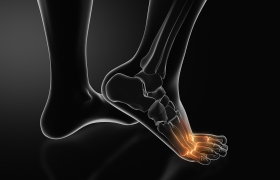
Sold: Pack of 10 Pairs
Incl. VAT Exl. VAT