



Article revised and updated April 2026
A Practical Guide to Comfort, Support and Foot Health
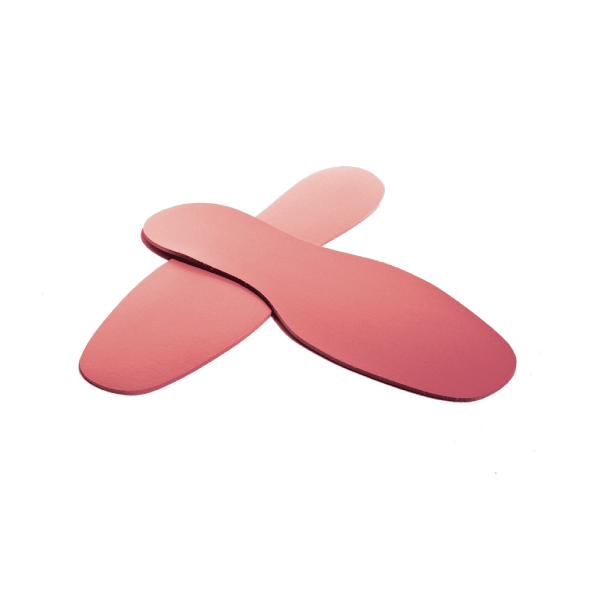
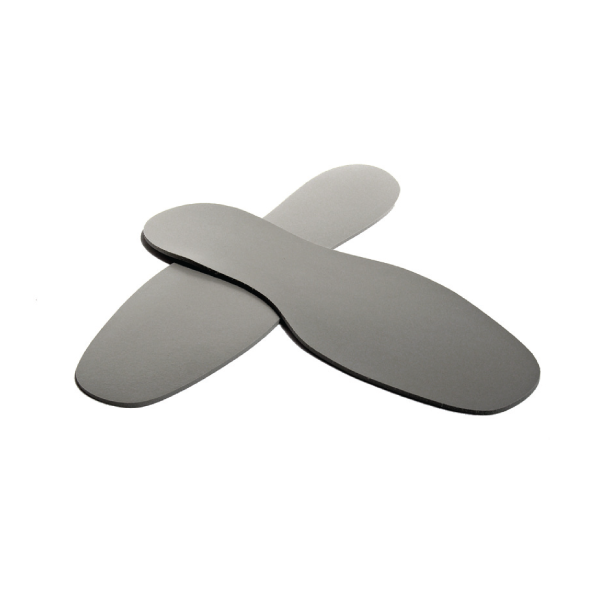
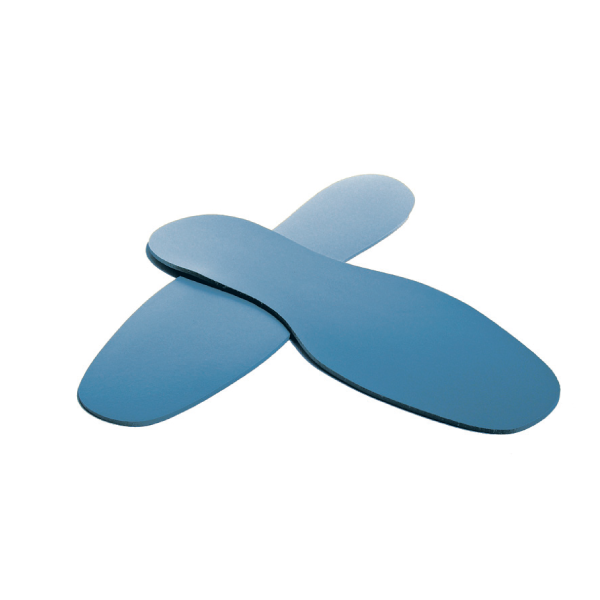
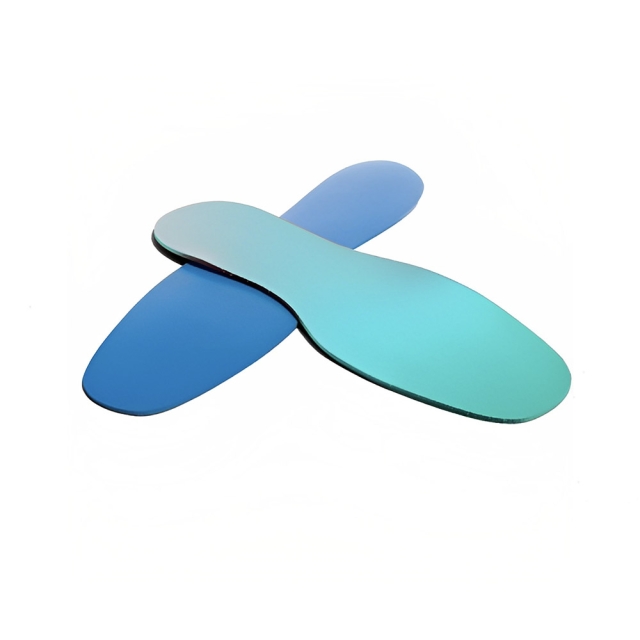
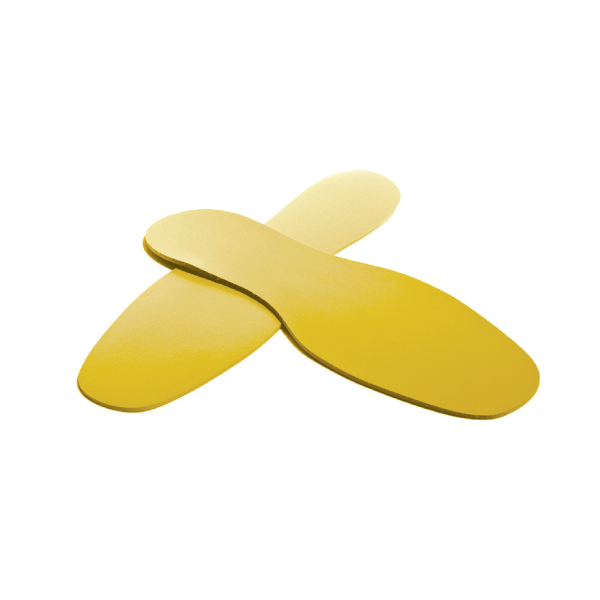
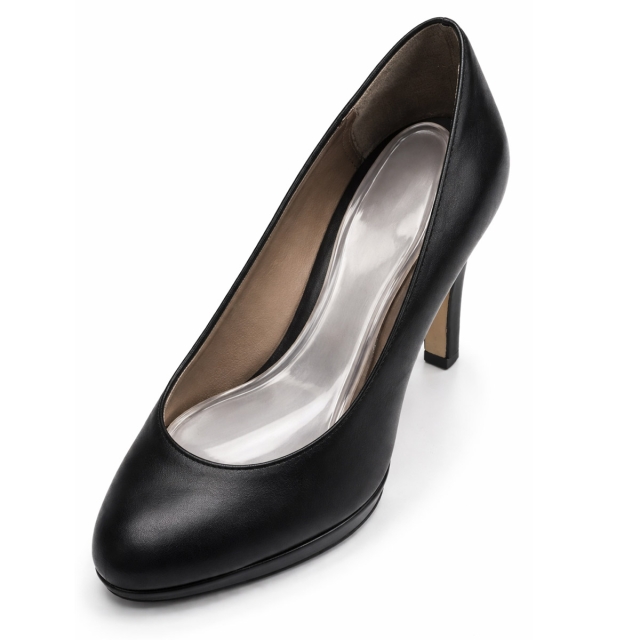
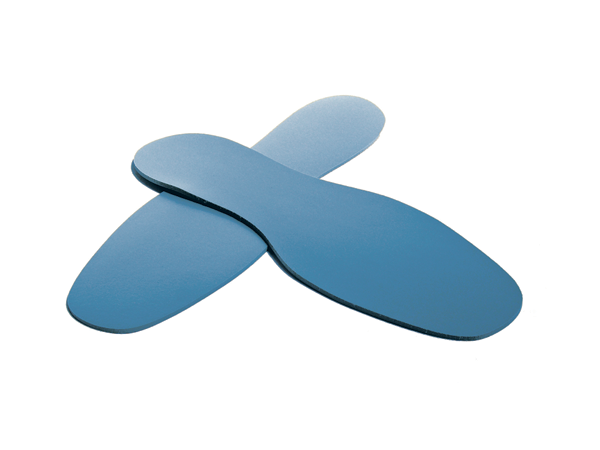
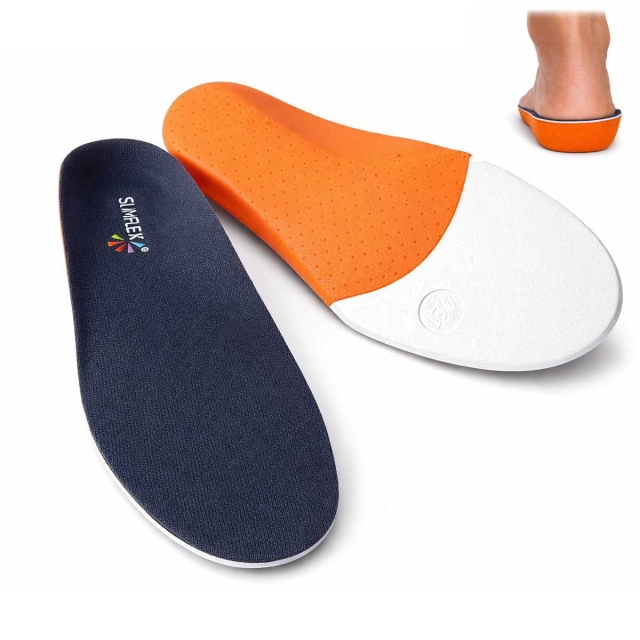
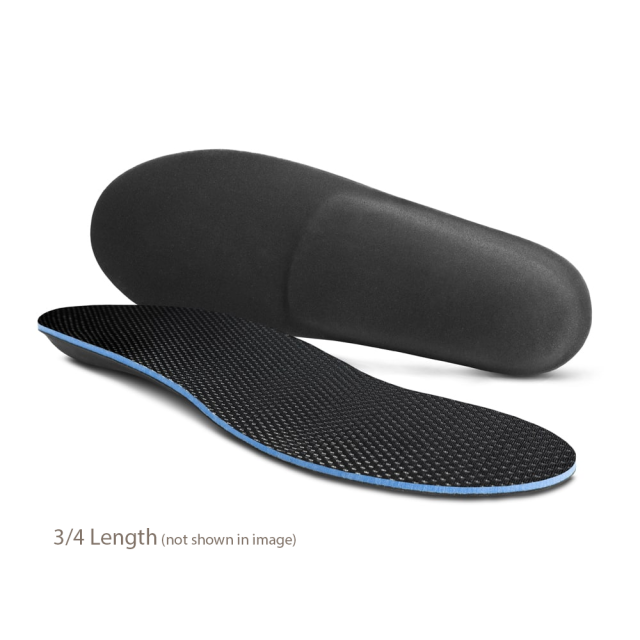
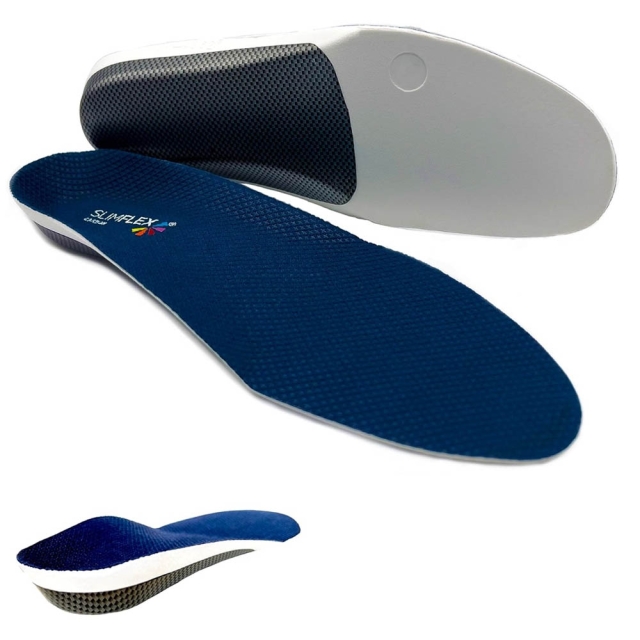
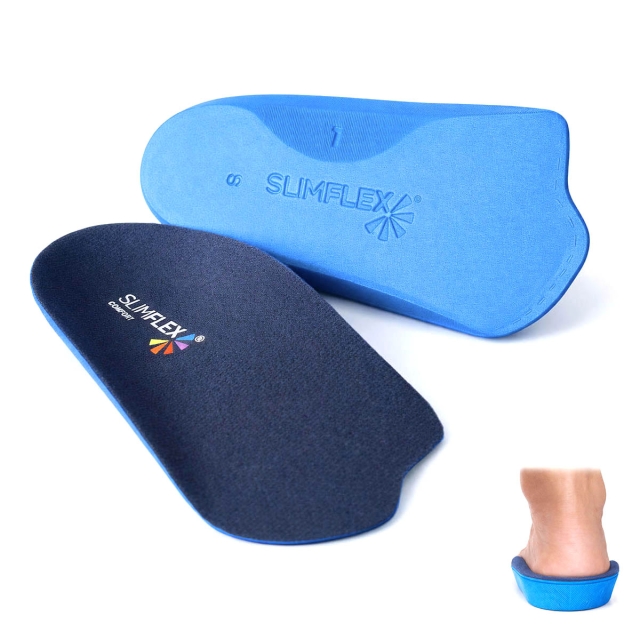
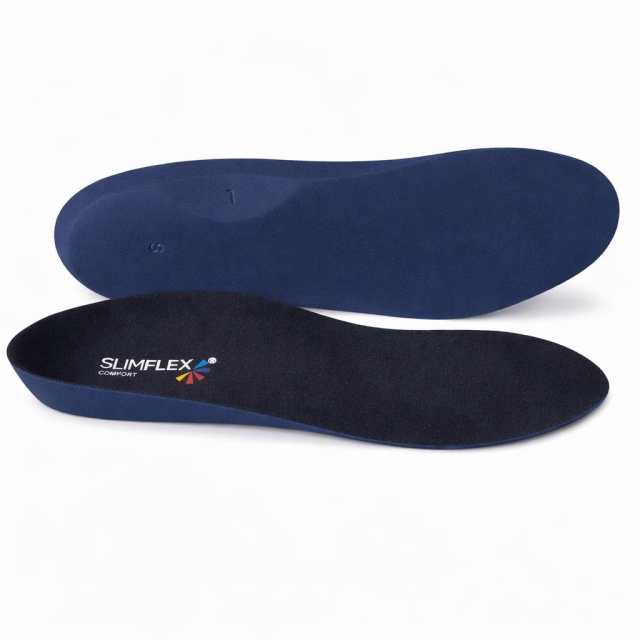
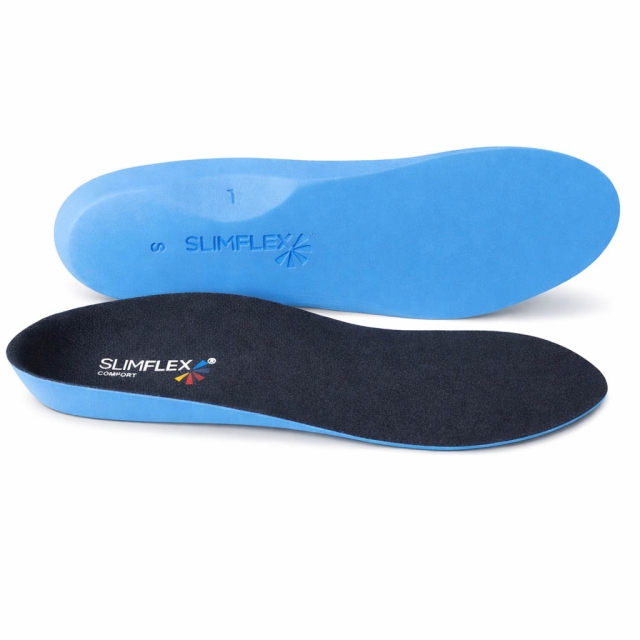
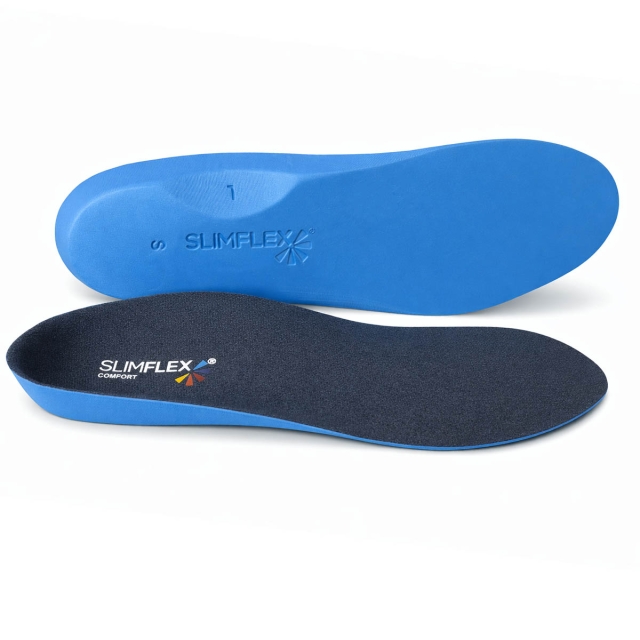
Insoles are removable inserts placed inside shoes to improve fit, cushioning, support and pressure distribution. Some are simple mostly foam comfort insoles, while others are structured devices designed to help with issues such as heel pain, tired arches, overpronation, plantar fasciitis and discomfort caused by long hours on your feet - foot fatigue.
Insoles, sometimes called footbeds or shoe inserts, are one of the easiest ways to upgrade a pair of shoes without replacing the footwear itself. They sit inside the shoe and can be removed, replaced, cleaned or swapped between pairs depending on your needs. Some insoles are soft and cushioning. Others are firmer and more supportive. A few are designed for specific conditions, while others are simply there to make everyday shoes feel less punishing by 3pm.
That flexibility is a big part of their appeal. Whether your shoes feel slightly too roomy, your heels ache after standing all day, or your arches need more structure, the right insole can change how a shoe feels and performs. For many people, it is the quickest and most affordable step toward better comfort at work, during sport or in everyday life.
Why Do People Use Insoles?
People rarely go searching for insoles just for the fun of it. Usually, something is annoying them. Maybe a work shoe feels flat and hard. Maybe a running shoe rubs under the heel. Maybe the arch feels unsupported, the forefoot burns, or the shoe simply does not fit as well as it should. Insoles help bridge that gap between a standard shoe and a more personal fit.
- Improve shoe fit: A good insole can take up spare volume inside footwear and create a more secure feel, especially in slightly loose shoes or when feet change during the day.
- Add comfort: Cushioning materials can soften impact during walking, standing, commuting and sport.
- Support the arch: More structured designs may help reduce strain on tired or overloaded feet.
- Reduce friction: Better fit often means less slipping, fewer hotspots and fewer blisters.
- Help manage pressure: Some insoles spread load more evenly across the foot, which can be useful for people with localised discomfort.
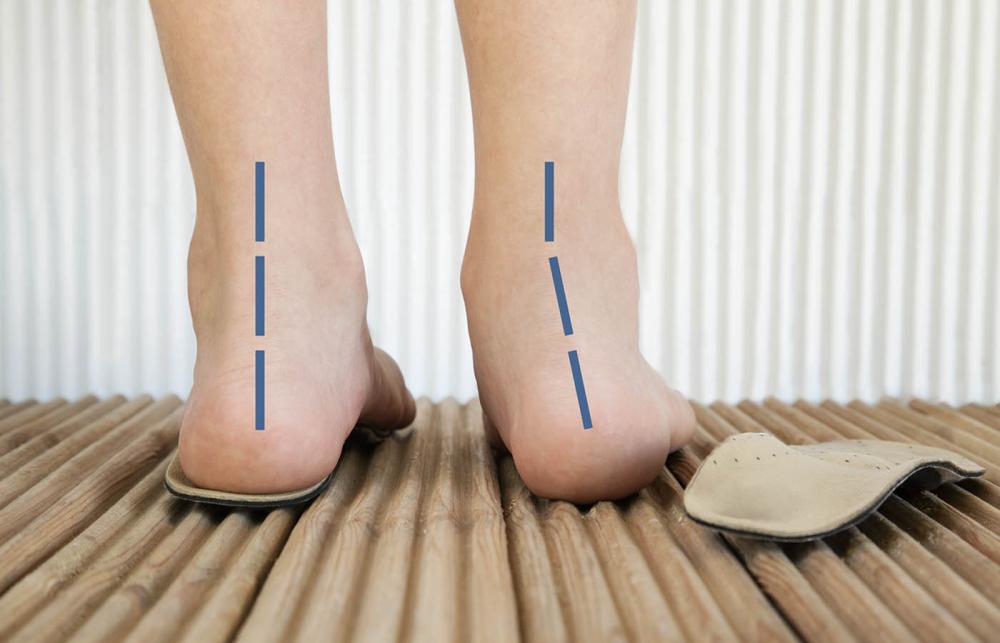
- Aid lower-limb alignment: Orthotic-style devices may influence how the foot moves, which can affect comfort further up the chain at the ankle, knee, hip and lower back.
- Boost day-long stamina: For nurses, retail workers, warehouse staff, salon teams and anyone else on hard floors all day, an insole can make a noticeable difference to fatigue levels.
In short, insoles sit in that very useful middle ground between “my shoes are technically wearable” and “my feet are filing complaints”.
What Can Insoles Help With?
Not every insole is a medical device, and not every foot problem can be fixed by adding one. Still, insoles are commonly used to help with a wide range of everyday complaints and lower-limb stressors.
| Common Issue | How Insoles May Help |
|---|---|
| Heel pain | Deep heel cups and firmer support may improve stability and reduce strain around the heel area. |
| Plantar fasciitis | Supportive insoles may help off-load the plantar fascia and improve comfort during walking and standing. |
| Flat feet / fallen arches | Arch-supporting designs can provide more structure where the foot tends to collapse inward. |
| High arches | Cushioning and shape-matched support can improve pressure distribution and shock absorption. |
| Forefoot discomfort | Metatarsal pads or forefoot cushioning can reduce pressure under the ball of the foot. |
| Long hours standing | Anti-fatigue styles can reduce foot tiredness and improve day-long comfort in work footwear. |
| Running or sport | Sports insoles may improve fit, support and shock absorption inside trainers and boots. |
| Loose-fitting shoes | Full-length insoles and heel grips can improve hold and reduce rubbing. |
Insole Materials: Pros and Cons
The material matters because it affects comfort, durability, breathability, thickness and support. There is no perfect option for every foot or every shoe, which is why material choice should always match the job the insole needs to do.
| Material | Advantages | Drawbacks |
|---|---|---|
| Foam | Lightweight, affordable, comfortable and easy to trim. Good for general everyday cushioning. | Can compress over time and may lose performance faster than firmer materials. |
| Memory foam | Soft, pressure-relieving and comfortable underfoot. Feels plush in casual and work shoes. | Can feel warm, may flatten with heavy use and is usually less supportive than structured options. |
| Gel | Softens impact, relieves localised pressure and is popular for heel pain and standing comfort. | Often bulkier and not always ideal when you need firmer arch control. |
| Air-cushioned | Offers springy shock absorption and a soft underfoot feel. | Can be heavier and less suitable for slimmer footwear. |
| Leather | Durable, breathable and traditional. Often used in dress shoes and premium footwear. | Usually offers less cushioning and may need more care. |
| EVA | Common in orthotic and sports insoles because it balances cushioning, resilience and low weight. | Quality varies widely, and cheaper EVA can compress faster. |
| Cork or composite support shells | Useful in more structured insoles where shape retention and support matter. | Can feel firmer during the break-in period. |
Types of Insoles
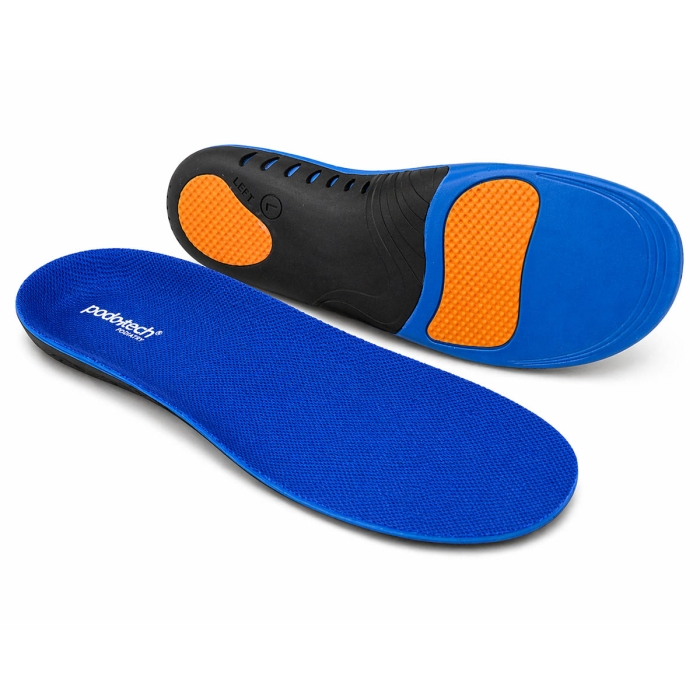
Broadly speaking, insoles fall into two main categories, but there is a lot of overlap between comfort products, sports products and orthotic-style devices.
- Over-the-counter insoles: These are ready-made products designed for comfort, fit improvement or mild support. They are ideal for general foot fatigue, everyday cushioning and many common footwear problems.
- Custom orthotics: These are prescribed or supplied by a clinician based on an assessment, scan or mould. They are designed to address more complex biomechanical or medical needs and may be used for persistent pain, gait issues, significant pronation, diabetes-related concerns or structural foot problems.
Interesting fact: 'Insoles' and 'orthotics' are often used as if they mean the same thing, but they are not always identical. All orthotics sit in the shoe, but not every shoe insert is a true custom orthotic. Plenty of over-the-counter insoles are still very helpful, especially for mild to moderate symptoms or general support.
How to Choose the Right Insole
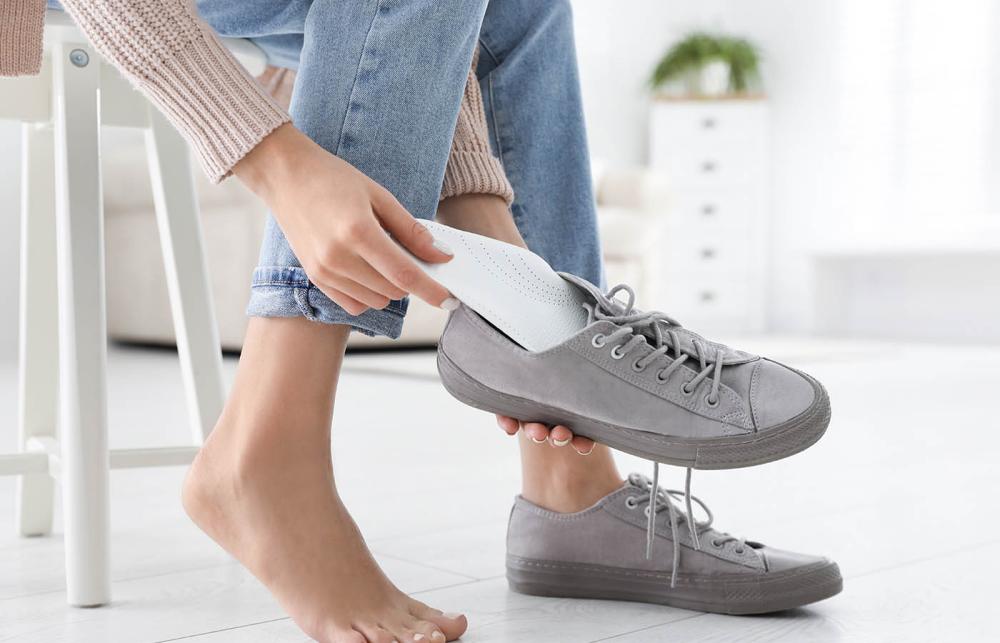
The best insole is not the most expensive one. It is the one that matches your shoe type, your activity level and the problem you are trying to solve. Start with the issue, not the marketing headline.
| If this is your problem... | Look for this type of insole |
|---|---|
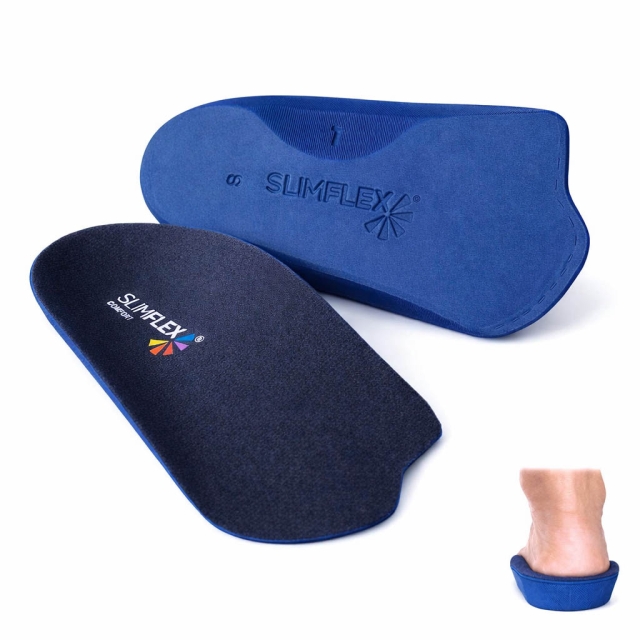
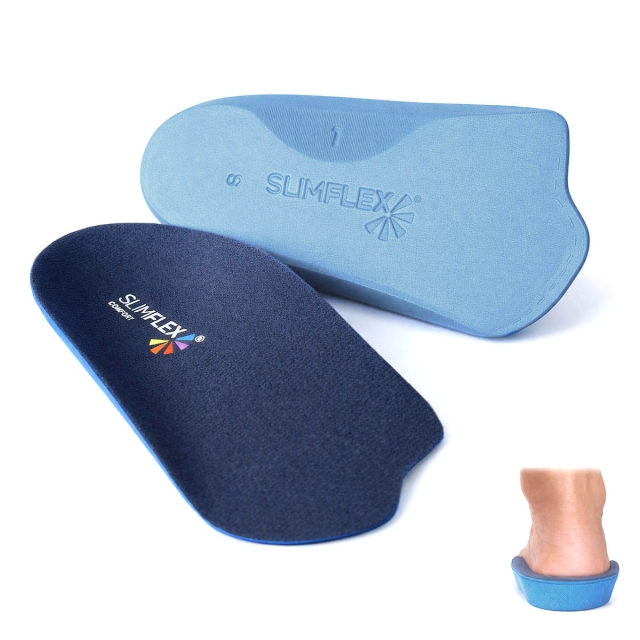
| Heel slipping or rubbing | Heel grips, heel cushions or slim full-length insoles that improve fit without overfilling the shoe. |
| Shoes feel too roomy | Volume-taking full-length insoles or cushioning footbeds. |
| Burning pain under the ball of the foot | Forefoot cushioning, metatarsal pads or targeted off-loading designs. |
| Flat feet or overpronation | Structured arch-support insoles or orthotic-style devices with rearfoot stability. |
| High arches | Cushioning with shaped support and good shock absorption. |
| Plantar fasciitis / heel pain | Firm arch support, deep heel cup and a stable base. |
| Long hours standing at work | Shock-absorbing work insoles with durable cushioning and breathable top covers. |
| Sport or running | Activity-specific insoles matched to the shoe shape and intended movement. |
A simple buying checklist
- Check the shoe type: trainers, work boots, dress shoes and safety footwear all need different thicknesses and profiles.
- Check the arch shape: low, medium and high arch options are not just marketing fluff; fit matters.
- Check the heel cup: deeper cups usually feel more stable for heel pain and plantar fascia support.
- Check the firmness: very soft is not always best, especially when support is needed.
- Check the top cover: breathable, moisture-managing finishes help with heat and odour.
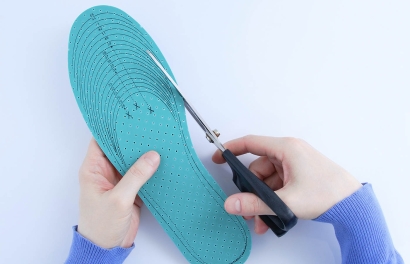
- Check the trim lines: trimmable insoles are handy, but over-trimming is a one-way street, so go slowly.
Who Benefits Most from Insoles?
Insoles are useful across a surprisingly wide range of users. They are not just for runners and not just for older adults. Some of the people who often benefit most include:
- Healthcare professionals who spend long shifts on hard floors.
- Retail, hospitality and salon workers who stand for hours with limited chances to sit.
- Warehouse and factory staff wearing safety footwear all day.
- Runners and gym users needing better support or improved comfort inside sports shoes.
- People with flat feet, high arches or pronation issues who want more structure underfoot.
- Anyone with persistent foot fatigue who feels worn out by the end of the day.
- People managing common foot conditions such as plantar fasciitis, forefoot pressure or mild heel pain.
How Long Do Insoles Last?
Insoles are not immortal. Even the good ones eventually flatten, lose shape or become less supportive. Lifespan depends on material, bodyweight, activity level, footwear type and how often they are worn. Some lightweight comfort insoles may need replacing fairly quickly, while denser orthotic-style products can last much longer.
As a rough rule, inspect them every few months. If the top cover is badly worn, the heel is flattened, the arch no longer feels supportive or the insole has started to crack, it is time for a replacement. For regular daily use, many people replace insoles around every 6 to 12 months, though premium or more structured products may last longer.
Caring for Your Insoles
A little maintenance goes a long way. If you want insoles to last and your shoes to smell less like a changing room in July, treat them properly.
- Remove them from the shoes regularly to air out.
- Let moisture dry fully before wearing again.
- Clean according to the manufacturer’s instructions, usually with a gentle hand wash or wipe-down rather than a machine wash.
- Do not place them on direct heat, as this can warp shape-retaining materials.
- Rotate pairs if you wear the same type of footwear every day.
When Should You See a Podiatrist or Physiotherapist?
Insoles are useful, but they are not magic. If pain keeps returning, is getting worse, or is linked to swelling, numbness, visible deformity, diabetes, arthritis or a significant change in walking pattern, professional assessment is the sensible next step. The same goes for stubborn heel pain that is not improving, repeated sports injuries, or symptoms that seem to travel up into the ankle, knee or hip.
A podiatrist or physiotherapist can look at how you move, how your footwear is working for you and whether an off-the-shelf insole is likely to be enough. In some cases, custom orthotics, exercises, footwear advice or a broader treatment plan may be more appropriate than simply adding more cushioning and hoping for the best.
Frequently Asked Questions About Insoles
Are insoles and orthotics the same thing?
Not always. “Insoles” is a broad term covering comfort inserts, cushioning footbeds and supportive devices. Custom orthotics are a more specific category designed around a clinical need.
Can insoles help plantar fasciitis?
They can be part of the solution. Supportive insoles with a firm arch and deep heel cup are commonly used to help reduce strain on the plantar fascia and improve comfort during standing and walking.
Do insoles make shoes tighter?
Yes, sometimes. Full-length insoles take up space inside the shoe, which is helpful if the shoe feels loose, but problematic if the fit is already snug. Slim-profile or 3/4-length options may work better in tighter footwear.
Can I move insoles between shoes?
Usually, yes. Just make sure the shape and volume suit each pair. A running insole may not sit properly inside a narrow dress shoe, and a work-boot insole may feel too bulky in a trainer.
How do I know if an insole is supportive enough?
If it collapses easily in your hands or feels flat within a short time, it may be more about cushioning than support. For people who need structure, a firmer device with a shaped arch and stable heel area is often a better choice.
Should I wear insoles every day?
If they feel comfortable and are helping, daily use is common. Some people may prefer a short break-in period with more structured orthotic-style products before moving to full-day wear.
In a Nutshell
- Insoles are removable shoe inserts designed to improve comfort, fit, support and pressure distribution.
- They can help with common issues such as foot fatigue, heel discomfort, plantar fasciitis, arch strain, loose shoes and long hours standing.
- Material choice matters. Soft options are great for cushioning, while firmer designs are usually better for support and control.
- Over-the-counter insoles are often an excellent starting point for mild to moderate problems.
- Persistent pain, visible deformity, diabetic foot concerns or recurring injuries should be assessed by a professional.
Final Thought
A well-chosen insole can make an ordinary pair of shoes feel better balanced, more comfortable and much more wearable. For some people, that means fewer blisters and less foot fatigue. For others, it means improved support for a painful arch or heel. Either way, the right insole is one of the simplest upgrades you can make for day-to-day foot health.
Sold: Sold per Pair
Incl. VAT Exl. VAT