



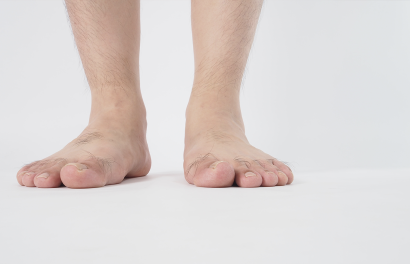
Flat feet can be quiet fellow travellers or noisy disruptors. For many people they are linked with overpronation, tired legs and compensatory aches up the kinetic chain.
Algeos supports flat footers in two ways that work hand in hand - indirectly through clinicians who assess, prescribe and modify orthoses in practice, and directly through off the shelf devices available on Algeos.com and the Algeos Amazon store.
This guide is written for clinicians and informed consumers. It blends practical steps with evidence, compares product families and shows how to use orthotic support alongside exercise and footwear choices that make every step easier.
How it works - why it matters
The medial arch helps absorb shock and transfer load. When it collapses the foot tends to overpronate, the heel tilts inward and the tibia rotates internally. That can increase stress through the plantar fascia, posterior tibial tendon and medial knee, with knock on effects at hip and back.
Conservative care focuses on support, symptom relief and function. NHS guidance recognises that many flat feet need no treatment, yet advises assessment when pain, stiffness, or functional limits arise NHS - Flat feet.
Algeos’ approach combines supportive insoles and components that can be selected off the shelf then fine tuned by clinicians, or used directly by consumers for mild to moderate needs. Typical aims are to:
- Resist excessive arch collapse under load
- Improve rearfoot control with a stable heel cup or shell
- Redistribute pressure and reduce peak forces
- Modulate alignment via posting and wedging where clinically appropriate
- Pair support with footwear and exercise for durable change
Evidence is evolving. Systematic reviews suggest foot orthoses can influence kinematics and comfort in flexible flat feet, although effects and protocols vary across studies Gait and Posture meta-analysis JFAR systematic review.
For children, recent analyses report improvements in radiographic parameters and pain in certain cohorts, with careful case selection advised Frontiers in Pediatrics meta-analysis and NICE’s primary care guidance on when to refer NICE CKS - Flat feet in children.
What users say
- Immediate comfort - people often feel arch and heel relief on first wear when support suits the foot shape
- Better alignment up the chain - some report less medial knee ache or calf fatigue once overpronation is tempered
- Chairside adaptability - clinicians value that Slimflex and Interpod ranges can be trimmed, heat moulded or posted to dial in fit
- Mixed expectations - those with rigid deformity or advanced tendon dysfunction may still need custom devices or surgical consults
Algeos products are widely used across NHS and private practice, and many models are also sold direct to the public for convenience and accessibility Algeos - Orthotic Insoles Amazon - Algeos Store.
Step-by-step guide
| Step | Action | Purpose - notes |
|---|---|---|
| 1 | Clinical assessment or self-check | For clinicians - foot posture index, gait, joint mobility, tendon integrity. For consumers - note pain sites, footwear, activity limits. Seek assessment if pain, stiffness or red flags NHS guidance. |
| 2 | Choose support level | Mild, moderate, or firmer support based on severity, weight, footwear and goals. |
| 3 | Select a base insole | Clinician or consumer can start with Slimflex or Interpod. Examples: Slimflex range, Interpod Soft 3/4, Motion Control. |
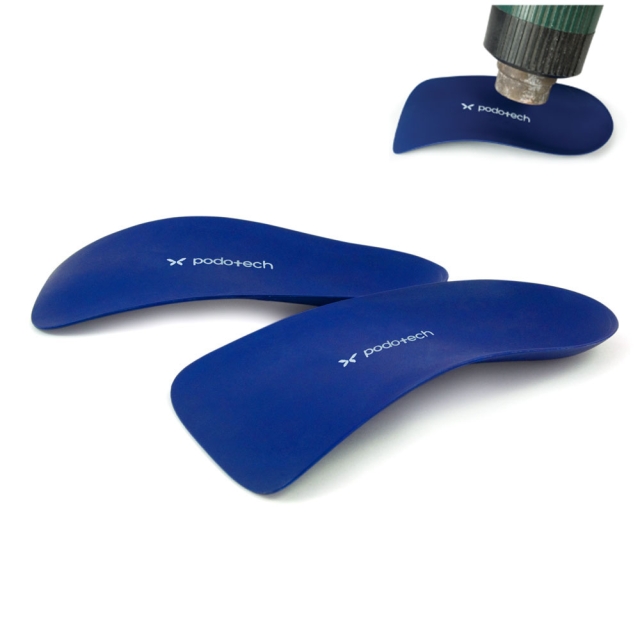
| 4 | Modify to fit | Trim length, heat mould where appropriate, add medial wedges or heel posting. Clinician-chairside tweaks improve outcomes. |
| 5 | Fit into footwear | Use shoes with removable liners, firm heel counter, adequate volume. Avoid cramped toe boxes. |
| 6 | Trial period | Wear in gradually over 3 to 7 days. Reassess comfort, hotspots, activity tolerance. |
| 7 | Refine | Adjust posting or density if pain persists. Consider custom builds for rigid deformity or PTTD. |
| 8 | Strengthen and educate | Combine orthoses with intrinsic foot work, calf conditioning and simple balance drills. Review at 6 to 12 weeks. |
Comparison - Algeos options for flat feet
| Product - range | Support profile | Key features | Best for |
|---|---|---|---|
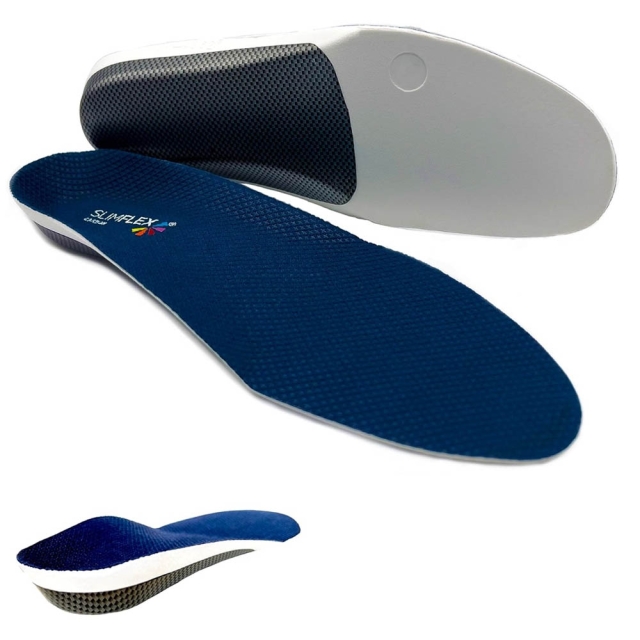
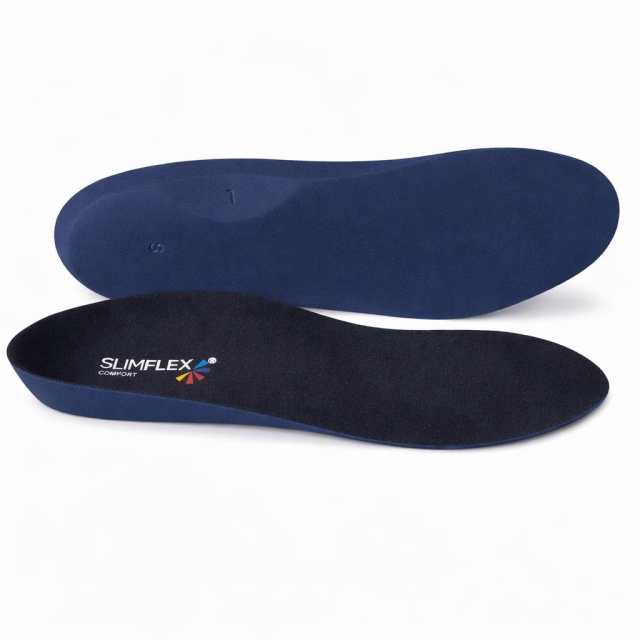
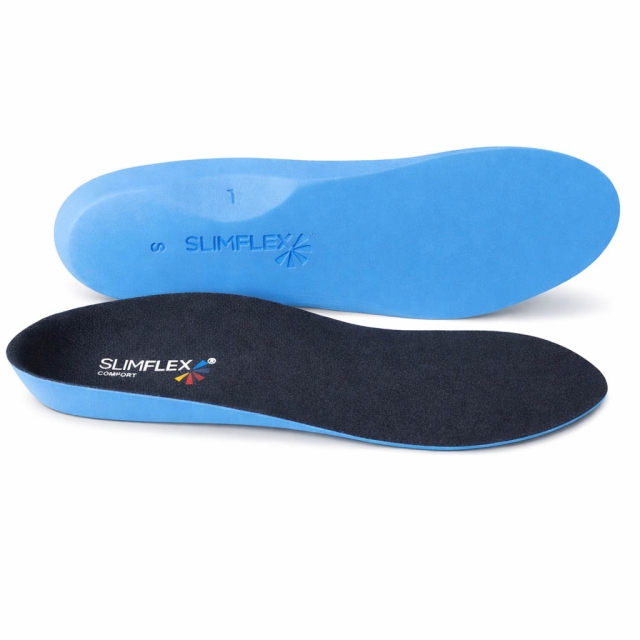
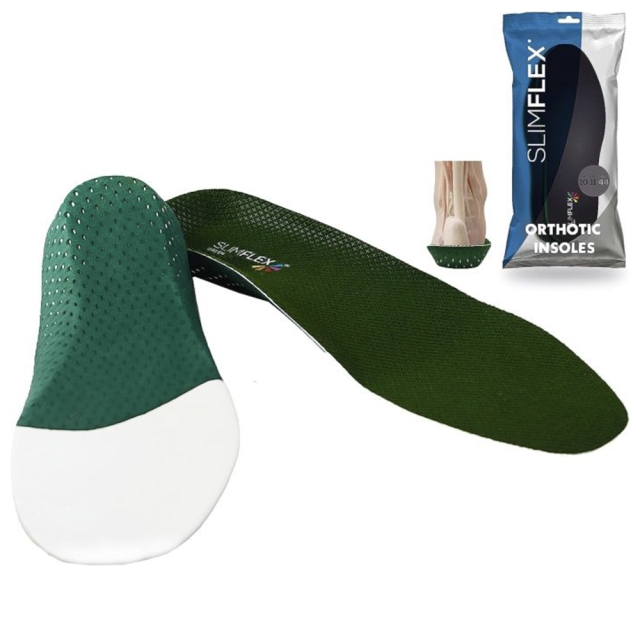
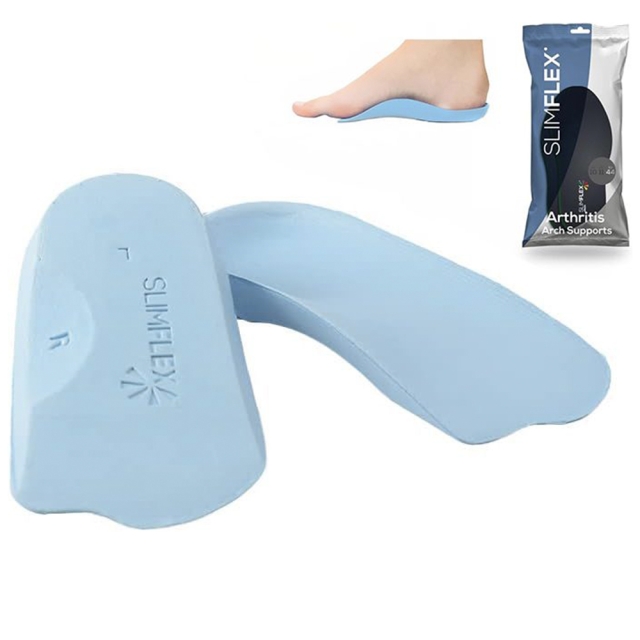
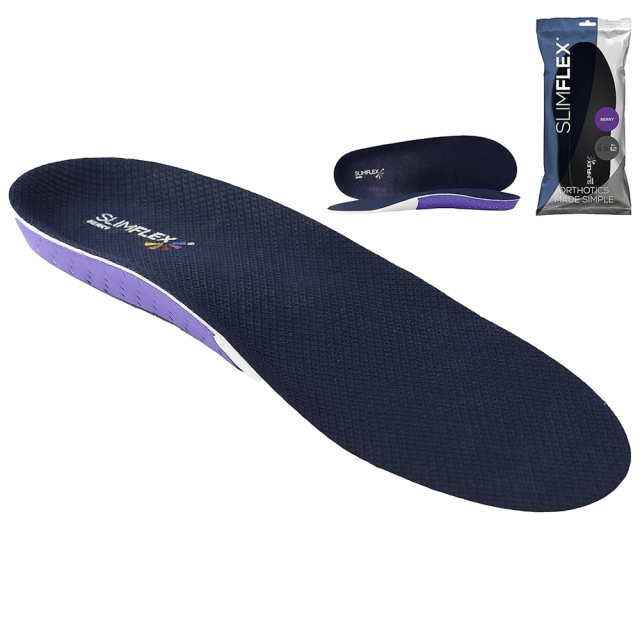
| Slimflex Orthotic Insoles | Multiple densities from softer comfort to firmer control | Heat mouldable options, easy to trim and post, clinician favourite for chairside customisation | General flat feet support across ages and footwear types |
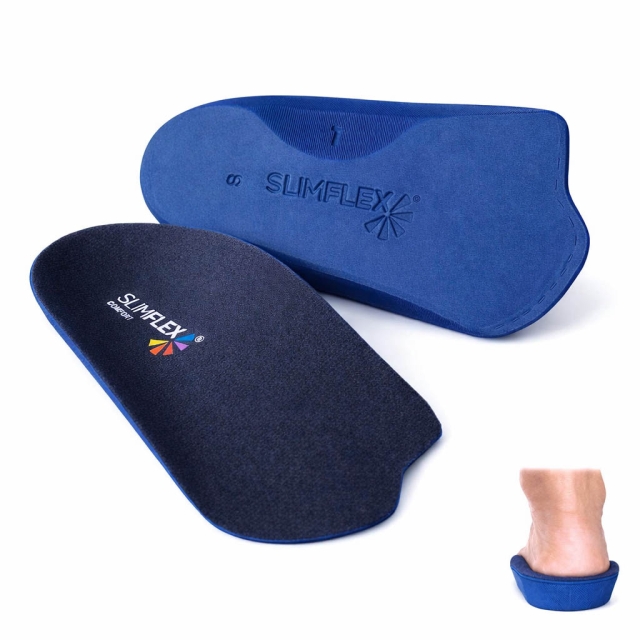
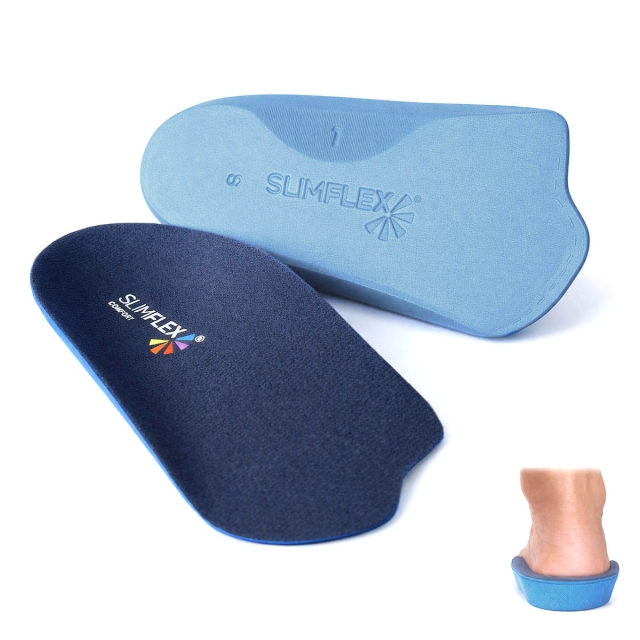
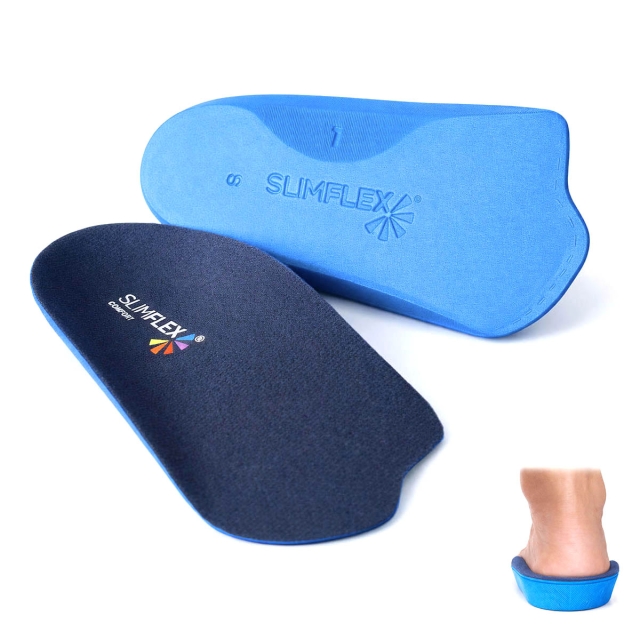
| Slimflex Comfort HD | High density - firm control | Deep heel cup, strong arch profile, resilient EVA | Heavier users or higher overpronation requiring firmer guidance |
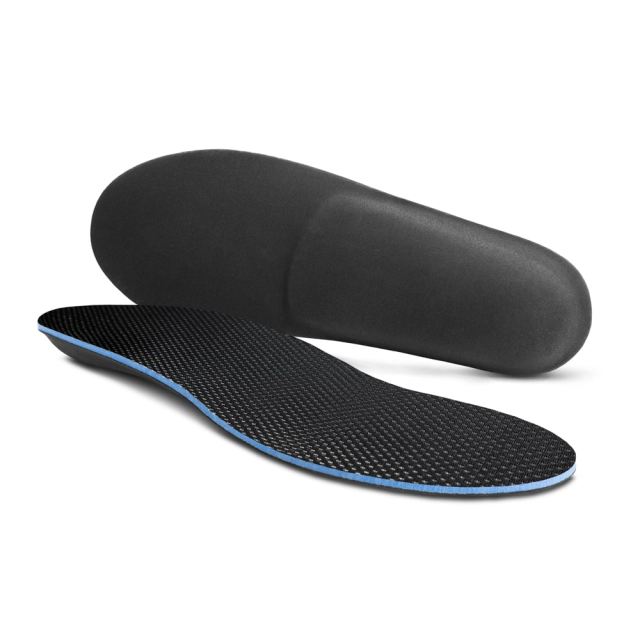
| Interpod Soft 3/4 | Dual density cushioning with contoured arch | Slim profile, good shock absorption, easy to swap between shoes | Comfort-led support for daily shoes and lighter trainers |
| Motion Control Insoles | Medium to firm structure with cushioning | Overpronation support for sport and everyday use | Active users seeking stability without bulk |
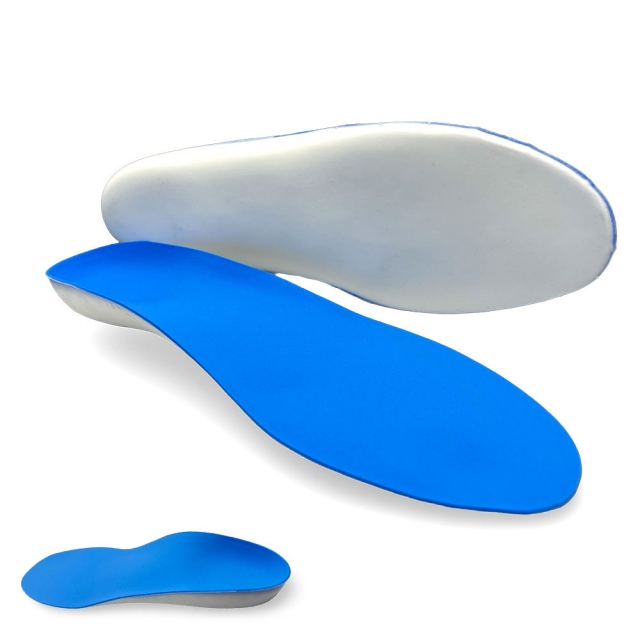
| Orthotic materials and components | Variable - EVA, PORON and more | Build-ups, wedges and covers for semi-bespoke devices | Clinician-led refinement or complex presentations |
Biomechanics - the chain reaction
Flat feet rarely operate in isolation. Excessive pronation can increase internal tibial rotation and medial knee stress with compensations at hip and lumbar spine. Orthotic support aims to reduce extremes rather than impose a rigid foot.
Recent meta-analyses suggest foot orthoses can modestly alter lower limb joint angles and moments in adults with flexible flat feet during walking, supporting a role in symptom reduction when paired with education and exercise Gait and Posture meta-analysis.
Pediatric vs adult flat feet
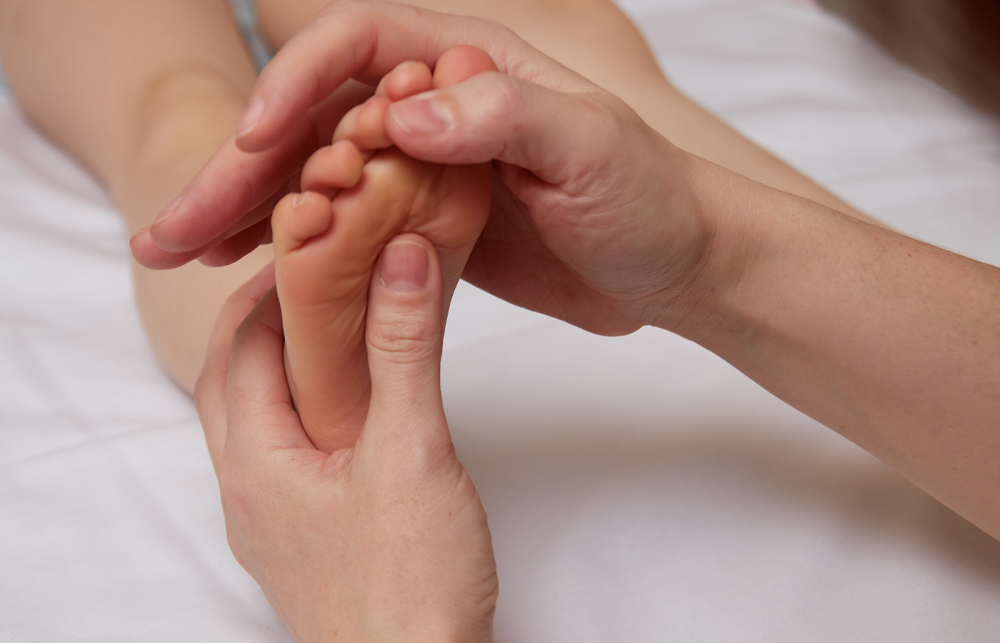
In children many flat feet are flexible and painless. Education and footwear often suffice. NICE suggests conservative management for most, with referral when pain, rigidity or functional problems appear NICE CKS - Flat feet in children.
A 2024 systematic review in Frontiers in Pediatrics reported improvements in radiological parameters and pain in children with flexible flat feet using orthoses, particularly in older cohorts, yet protocols and follow-up varied Frontiers in Pediatrics meta-analysis.
In adults flat feet may be long standing or acquired. Posterior tibial tendon dysfunction (PTTD) is a common driver of progressive collapse. Early support can offload the tendon and improve function. Where deformity is rigid, custom bracing or surgical referral may be appropriate.
Reviews in adult flatfoot show variable but often positive effects on symptoms and function with orthoses, underscoring the need for individualised trials and follow-up JFAR systematic review BMC Musculoskeletal Disorders review.
Strengthening - building the arch from within
Orthoses work best alongside simple exercises that improve control and capacity:
- Intrinsic foot activation - towel curls, short-foot holds, toe splay practice
- Calf and Achilles care - gastrosoleus stretching, eccentric calf raises
- Posterior tibial strengthening - resisted inversion, controlled lowering
- Balance tasks - single leg stands and gentle wobble board progressions
For parents of children with flat feet a brief programme plus supportive footwear is often enough, with review if pain persists. Many NHS trusts provide accessible leaflets that reinforce this principle of proportionate care NHS - Flat feet.
Footwear - shoes that support not sabotage
Good shoes make orthoses work harder. Look for a firm heel counter, removable insoles, adequate depth and width, and a stable midsole. Runners may benefit from a mild rocker to reduce forefoot bending stress. For tight footwear a 3/4 device such as Interpod Soft can provide support without crowding the toes Interpod Soft 3/4.
Materials and innovation - behind the arch
Algeos manufactures and sources EVA in multiple densities, PORON based cushions and a range of covers and wedges. The aim is to balance control with comfort then hold the shape long enough to matter in daily life. For clinicians the Slimflex family is a versatile platform that accepts heat moulding and posting Slimflex overview.
For consumers Motion Control and selected Slimflex models provide a ready to wear path with clear size ranges and returns policies Motion Control Insoles Slimflex Comfort HD.
Digital foot scanning, CAD-CAM and 3D printed orthoses continue to progress. Early studies in school-age children show promise for 3D printed devices, though access, cost and durability must be weighed against well fitted off the shelf solutions 3D printed insole study.
Balance and proprioception - what the research says
Flat feet can be associated with reduced proprioception. A 2024 systematic review found mixed effects of foot orthoses on balance across designs and timeframes, which reinforces the message that orthoses are helpful tools rather than magic bullets and that active rehab matters PLOS One systematic review.
How Algeos helps - two complementary routes
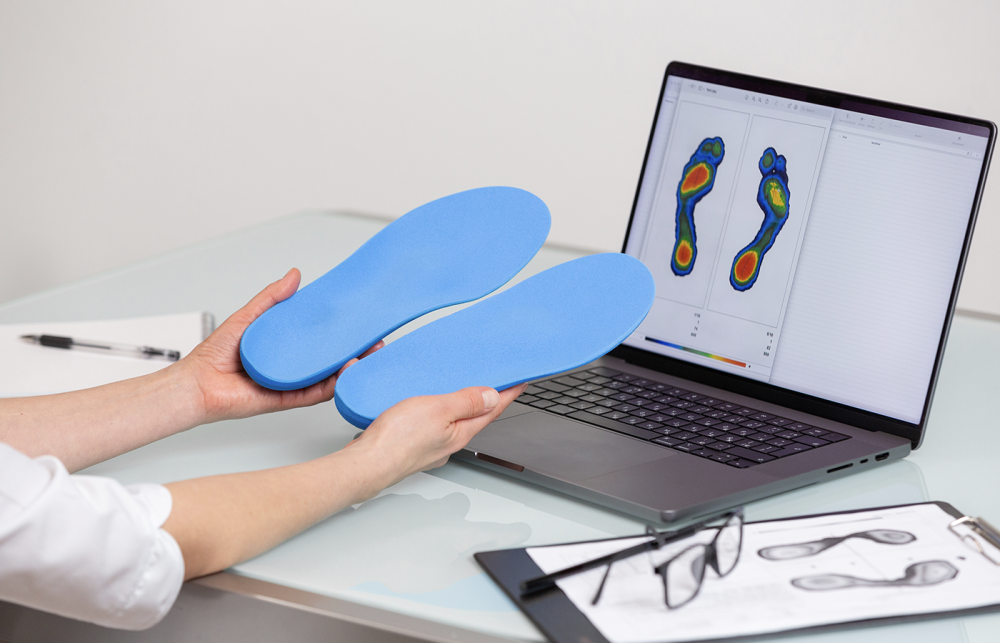
- Through clinicians - Algeos equips podiatrists, physiotherapists and orthotists with modifiable platforms like Slimflex and Interpod, plus wedges and materials for chairside refinement. This pathway suits complex feet and people who need professional gait assessment.
- Direct to consumers - Many flat footers prefer to start with an off the shelf device. Algeos provides clear product guidance and fast fulfilment on Algeos.com and the Algeos Amazon store. This route is convenient for mild to moderate support needs or as a bridge while awaiting clinical review.
Tip - if self selecting an insole does not improve symptoms within 4 to 8 weeks consider a clinical assessment to review fit, posting and alternative approaches.
FAQ
- Do all people with flat feet need orthotics?
- No. If there is no pain or limitation you may not need any device. Seek advice if discomfort, stiffness, or activity limits occur NHS guidance.
- Will insoles cure flat feet?
- Orthoses support the foot and reduce symptoms. They do not permanently change bone structure. Rigid deformities may require custom devices or surgical opinion.
- How do I choose between clinician fitted and off the shelf?
- For persistent pain, complex history or rigid feet see a clinician. For mild to moderate symptoms an off the shelf option from Algeos.com or Amazon is a practical start, with the option to step up to clinical care if needed.
- How long before I know an insole is right for me?
- Give it 2 to 3 weeks of regular wear. If pain persists, recheck footwear, consider a different density or posting, and seek professional assessment.
- What shoe features help flat feet?
- Firm heel counter, removable liner, adequate toe room and a supportive midsole. Avoid very soft unsupportive shoes for long standing or distance walking.
- How often should insoles be replaced?
- Depends on activity, weight and material. Many users review at 12 to 24 months or sooner if shape or comfort declines.
References and research sources
- NHS - Flat feet - symptoms, causes and when to seek help.
- NICE CKS - Flat feet in children - primary care management and referral pointers.
- Journal of Foot and Ankle Research - Evidence for foot orthoses for adults with flatfoot - systematic review.
- BMC Musculoskeletal Disorders - Orthoses for flexible flatfeet in children and adults - systematic review and meta-analysis.
- Gait and Posture - Effects of foot orthoses on lower limb joint angles and moments in adults with flexible flat feet - systematic review and meta-analysis.
- Frontiers in Pediatrics - Foot orthoses in children with flexible flat feet - systematic review and meta-analysis.
- PLOS One - Effect of foot orthoses on balance among individuals with flatfoot - systematic review and meta-analysis.
- Clinical study - 3D printed insoles for symptomatic flexible flatfoot in school-age children.
- Algeos - Orthotic Insoles - clinician and consumer catalogue.
- Algeos - Slimflex range and Algeos - Interpod overview.
- Algeos - Interpod Soft 3/4 and Algeos - Motion Control insoles.
- Amazon - Algeos Store - direct to consumer access.
Author bio
Marc Cameron, Algeos
Marc translates biomechanics research into practical resources for clinicians and consumers, with a focus on orthoses that balance comfort, control and real world wearability.
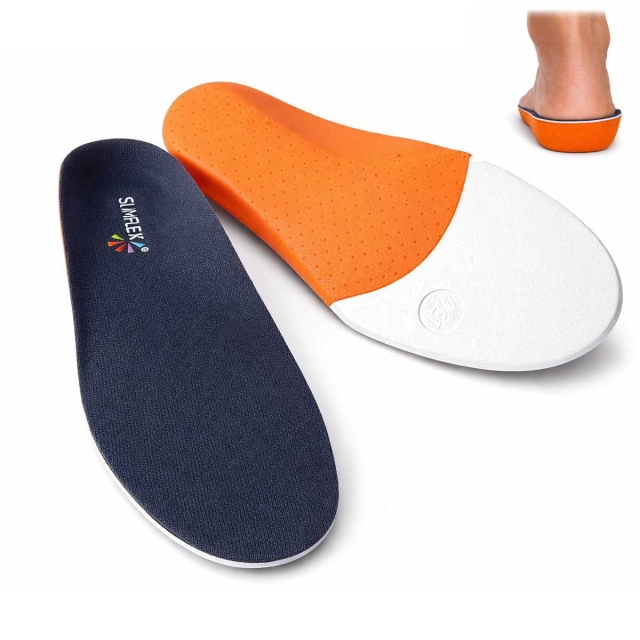
Sold: Sold per Pair
Incl. VAT Exl. VAT