




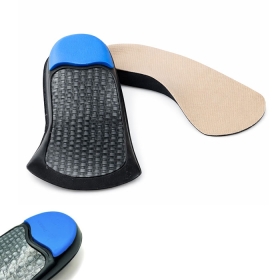

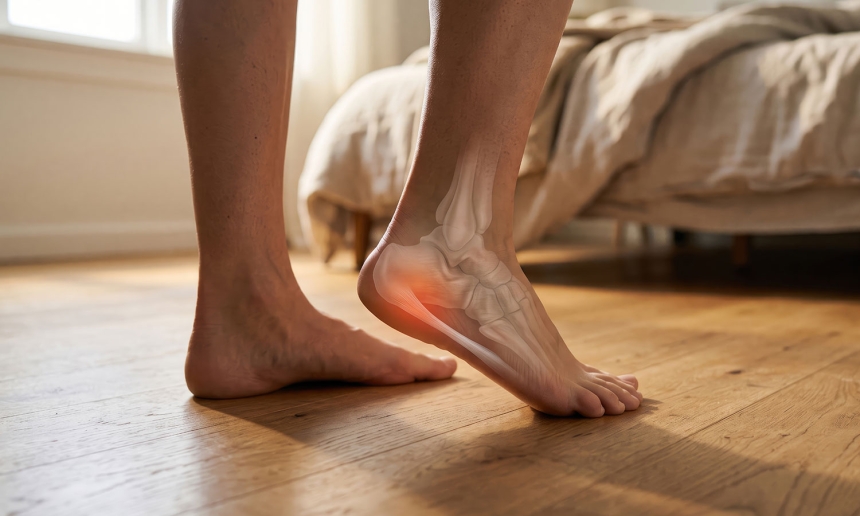
Explore practical information on plantar fasciitis, from understanding heel pain and managing symptoms to choosing insoles, exercises and other support options. Written for healthcare professionals and people looking for clear foot health advice.
SHOW PRICES WITH OR WITHOUT VAT? MANY BUSINESS CUSTOMERS PREFER TO VIEW PRICES EXCLUDING VAT.
0151 448 1228 (UK)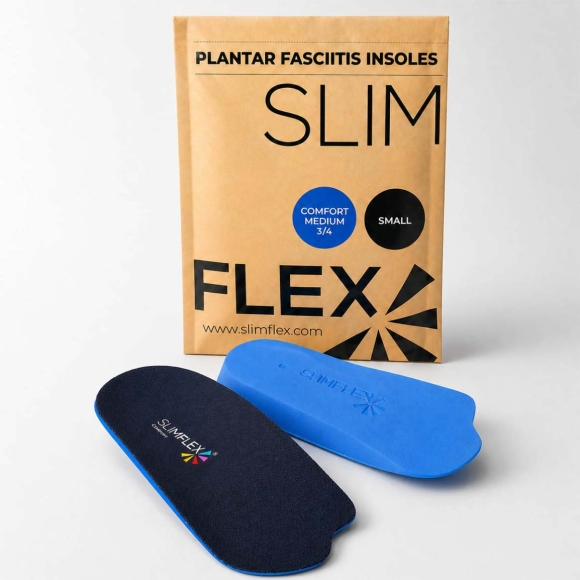
Condition Specific Support
Insoles and Arch Supports for Plantar Fasciitis Relief
Plantar fasciitis insoles help relieve heel pain by supporting the arch, stabilising foot alignment and reducing tension through the plantar fascia during standing, walking and everyday movement.
If you suffer with heel pain, arch discomfort or that classic sharp pain with your first few morning steps, the right insole can make walking feel noticeably more comfortable and supported.
What are plantar fasciitis insoles?
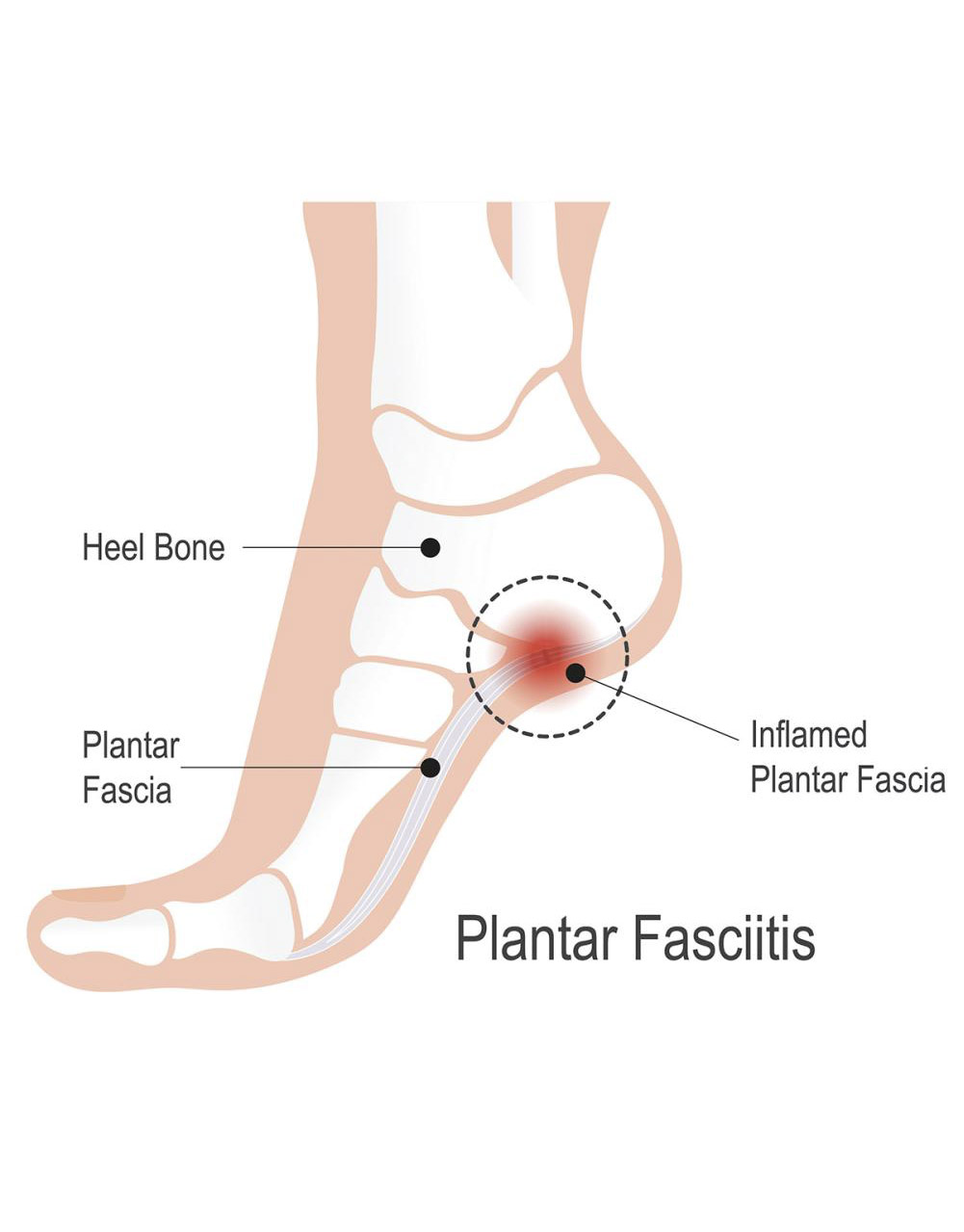
Plantar fasciitis insoles are structured shoe inserts designed to support the plantar fascia, the strong band of tissue running from the heel to the toes along the bottom of the foot.
Rather than acting as simple cushioning inserts, they are designed to support the arch, stabilise the heel and improve the way pressure is distributed across the foot.
This can help reduce mechanical strain on irritated tissue and improve comfort for people dealing with heel pain, arch strain, overpronation, flat feet and everyday plantar fascia overload.
Why people choose them
- Support for the arch to reduce plantar fascia strain
- Improved heel stability inside the shoe
- Better pressure distribution across the foot
- More comfort during standing, walking and work
- Options for everyday footwear, trainers and tighter-fitting shoes
- Different support levels for mild to more advanced biomechanical needs
Key features
- Arch support to reduce plantar fascia strain – Helps support the natural arch of the foot, reducing tension on the plantar fascia ligaments.
- Heel stability – Helps keep the heel properly positioned within the shoe for better foot control and support.
- Better pressure distribution – Spreads body weight more evenly across the foot to reduce pressure on painful areas.
- Enhanced comfort for daily activity – Provides cushioning and support for standing, walking and long hours at work.
- Options for different types of footwear – 3/4 and full-length options suit different levels of coverage. 3/4 length insoles fit easily into tighter or low-volume footwear while still providing arch and heel support. Full-length insoles offer extended cushioning and pressure distribution across the entire foot for added comfort.
Insole material options
Plantar fasciitis insoles are manufactured from a combination of supportive and cushioning materials to improve comfort and reduce pressure on the foot.
Common materials include polyurethane, EVA foam, polypropylene, Poron and silicone gel.
Polyurethane and EVA foam provide lightweight cushioning and shock absorption, helping reduce impact during walking. Polypropylene is often used as a supportive shell to stabilise the foot and support the arch.
Poron offers excellent impact absorption and long-lasting cushioning, while silicone gel inserts provide targeted shock absorption and pressure relief, particularly in the heel area.
Clinicians and orthotic professionals often choose polypropylene or EVA when firmer control and durability are needed. Consumers who prioritise comfort may prefer polyurethane, Poron or silicone gel options for cushioning, shock absorption and pressure relief.
How to choose the right insoles
- Start with where the pain is felt most.
Some people mainly feel pain at the heel, while others notice more arch strain or general foot fatigue. That helps guide the type of support needed. - Think about your foot shape and mechanics.
Flat feet, overpronation and higher arches can all place different loads through the plantar fascia, so the right profile matters. - Match the insole to your footwear.
Full-length orthotics are often ideal for trainers and roomier shoes, while 3/4 length designs can work better in tighter everyday footwear. - Choose the right balance of support and cushioning.
Some users need firmer arch control and heel stability, while others want a softer underfoot feel with supportive structure. - Consider how often they will be worn.
Daily use, work shoes, sport and clinic-led fitting all place slightly different demands on the insole. Polyurethane and polypropylene options are often chosen for durability and support, while EVA insoles can offer a practical balance of function, comfort and lower cost. - Use Algeos guides if you want a little more confidence before buying.
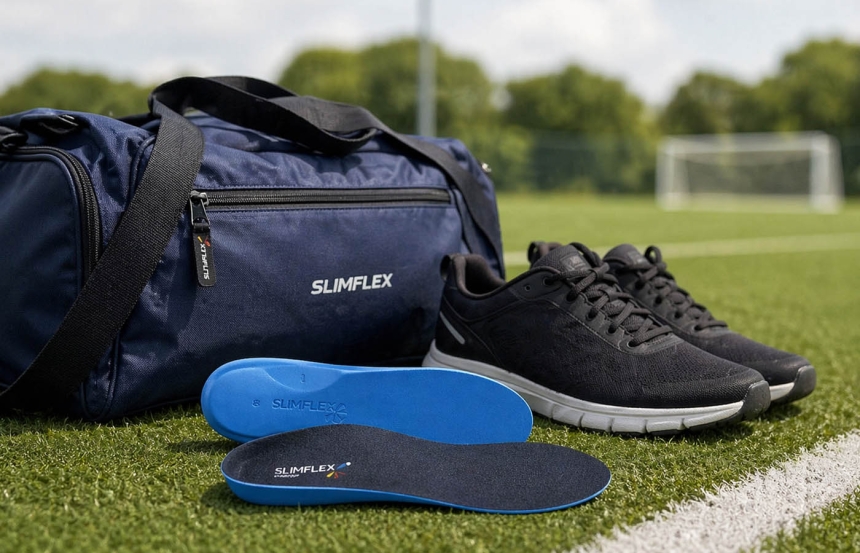
There is useful reading available on plantar fasciitis insoles, arch support and orthotic basics if you want to compare options first. FasciaFix and Slimflex Comfort are safe options for first-time insole wearers. Healthcare professionals can contact Algeos for further guidance on cost, function, materials and clinical suitability.
Helpful Algeos guides and advice
Understanding Arch Pain and Plantar Fasciitis
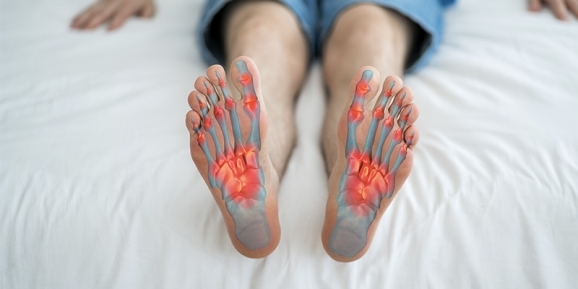
One of the most common causes of pain in the arch of the foot is plantar fasciitis. This condition occurs when the plantar fascia, the strong band of tissue that runs along the sole of your foot, becomes irritated or inflamed.
What type of insoles do I need?
Choosing the right insoles for foot support can make a real difference to comfort, mobility and injury prevention. This guide explains how to match an insole to your foot type, symptoms and footwear.
Plantar Fasciitis Treatment at Home
This guide distils current clinical recommendations into clear steps you can apply at home without specialist equipment.
Best Night Splints for Plantar Fasciitis
Night splints help keep the foot in a gently stretched position overnight, reducing tightening through the plantar fascia and Achilles tendon while you sleep.
Plantar Fasciitis Exercises with Spiky Balls
The Physioworx Spiky Ball can help with plantar fasciitis by providing targeted massage therapy to the affected area.
Acupuncture for Plantar Fasciitis
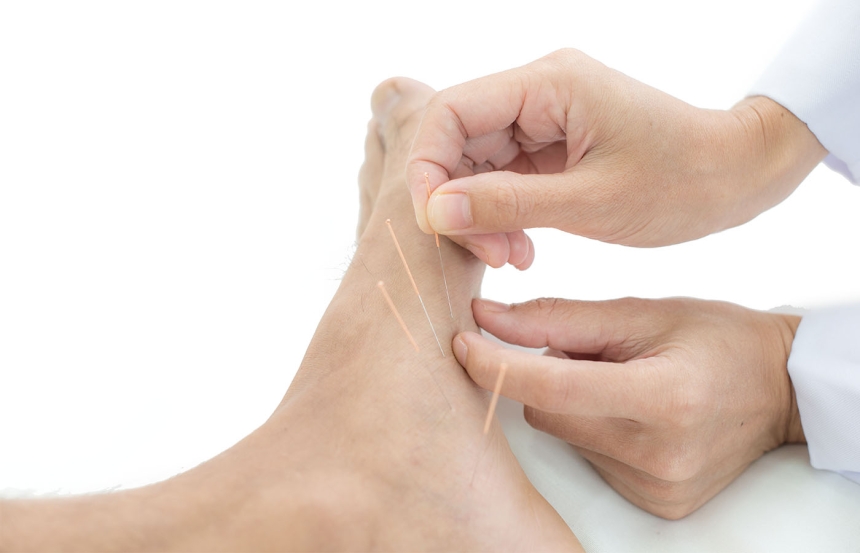
Acupuncture for plantar fasciitis may be a helpful therapy for some patients. This article explains how and why it may support a wider treatment plan.
What insole does the NHS recommend?
People often search for “NHS recommended insoles for plantar fasciitis”, but the NHS usually provides general advice rather than recommending one single insole brand for every patient.
NHS guidance commonly focuses on practical self-care measures such as wearing supportive shoes, using cushioned heels, trying insoles or heel pads, and reducing strain on the painful area where appropriate.
Algeos supplies a wide range of orthotic insoles, heel cups and plantar fasciitis support products used by healthcare professionals, including products available to NHS clinicians through recognised procurement routes.
The best insole depends on the person’s symptoms, footwear, foot shape, activity level and whether they need cushioning, arch support, heel stability or stronger biomechanical control.
FAQ
Does the NHS recommend insoles for plantar fasciitis?
NHS advice for plantar fasciitis commonly includes wearing supportive shoes, using cushioned heels and trying insoles or heel pads to help reduce strain and improve comfort. The NHS does not usually recommend one single insole for everyone, as the right option depends on symptoms, footwear, foot shape and clinical need.
What are the best insoles for plantar fasciitis?
The best insoles for plantar fasciitis usually combine firm arch support, heel cushioning and rearfoot stability. They should support the foot without feeling excessively hard, help reduce strain through the plantar fascia and fit properly inside your everyday footwear.
Do plantar fasciitis insoles really help?
Plantar fasciitis insoles can help when they are correctly matched to your foot type, footwear and symptoms. They are designed to support the arch, improve heel stability and reduce repeated stress through the plantar fascia during walking and standing.
What do plantar fasciitis insoles do?
Plantar fasciitis insoles help support the arch, stabilise the heel and improve pressure distribution under the foot. This can reduce excessive pulling on the plantar fascia and improve comfort during daily activity.
Should plantar fasciitis insoles be hard or soft?
For plantar fasciitis, insoles should usually be supportive rather than simply soft. Very soft or flat insoles may feel comfortable at first, but they often lack the structure needed to support the arch and control excessive foot movement. A firm but comfortable orthotic insole is often a better choice.
Are arch support insoles good for plantar fasciitis?
Yes, arch support is one of the key features to look for in plantar fasciitis insoles. Supporting the arch can help reduce strain through the plantar fascia and improve the way pressure is spread across the foot.
Are these insoles good for heel pain?
They can be very helpful for heel pain linked to plantar fasciitis, especially when the insole includes a supportive arch, stable heel cup and suitable cushioning. Heel pain can have different causes, so persistent or worsening symptoms should be assessed by a healthcare professional.
What is the difference between plantar fasciitis insoles and standard cushioned insoles?
Standard cushioned insoles usually focus mainly on softness and comfort. Plantar fasciitis insoles are more structured and are designed to support the arch, stabilise the heel and influence foot function in a more targeted way.
Do I need full-length or 3/4 length insoles for plantar fasciitis?
Full-length insoles can provide cushioning and support across the whole foot, while 3/4 length insoles are often useful in tighter-fitting shoes where a full-length orthotic may take up too much room. The best option depends on your footwear, comfort and support needs.
Are 3/4 length insoles better for some shoes?
Yes. 3/4 length plantar fasciitis insoles can be a better option for formal shoes, tighter footwear or shoes with limited depth. They provide arch and heel support while leaving more space in the toe area.
Can plantar fasciitis insoles help with flat feet?
They may help if flat feet or overpronation are contributing to plantar fascia strain. In these cases, a more supportive orthotic insole may help improve foot alignment and reduce excessive loading through the heel and arch.
Can plantar fasciitis insoles help with high arches?
Yes, but high arches may need a different type of support from flat feet. People with high arches often benefit from insoles that combine arch contact, heel cushioning and shock absorption to help reduce concentrated pressure under the heel and forefoot.
How long should I wear plantar fasciitis insoles each day?
It is usually best to introduce new orthotic insoles gradually. Start with short periods and increase wear time as your feet adapt. If discomfort persists, the insole may not be the right fit, support level or shape for your foot.
Can I use plantar fasciitis insoles in work shoes or trainers?
Yes, many plantar fasciitis insoles can be used in work shoes, trainers and everyday footwear, provided there is enough room inside the shoe. For best results, remove the existing shoe liner if needed and check that the shoe still fits securely without pressure on the toes.
Are Algeos insoles used by the NHS?
Yes. Selected Algeos orthotic insole ranges, including Slimflex and Interpod products, are available to NHS clinicians through NHS Supply Chain. These insoles are used by healthcare professionals to support patients with plantar fasciitis, heel pain and related biomechanical foot conditions.
Which Algeos insoles should I choose for plantar fasciitis?
A good place to start is by matching the insole to your footwear, support needs and symptoms. Slimflex insoles are widely used for everyday orthotic support, Interpod insoles are often chosen where stronger biomechanical control is needed, and FasciaFix insoles are designed specifically for plantar fascia and heel support.
When should I seek professional advice for plantar fasciitis?
You should seek professional advice if your heel pain is severe, worsening, affecting daily activity or not improving with self-care. A podiatrist, physiotherapist or GP can help confirm the cause of pain and recommend the most suitable treatment, footwear or orthotic support.
Always choose insoles based on individual symptoms, footwear fit and activity level. Persistent, worsening or complex heel pain should be assessed by a suitably qualified healthcare professional.
Australian and New Zealand clinicians and patients can access orthotic insole options from Algeos Australia.
External Websites for Plantar Fasciitis Advice
AAOS OrthoInfo – Plantar Fasciitis
Algeos Plantar Fasciitis Insoles for NHS Clinicians and Procurement
NHS clinicians and procurement teams can access selected Algeos orthotic insole ranges through the NHS Supply Chain portal. Direct search links are provided below.
Latest Articles
-

November 03, 2026
-
November 02, 2026
The most common cause of arch pain is Plantar Fasciitis, which is a condition that refers to the inflammation of the tissues connected to the heel bone.
This is due to excessive pulling and stretching of the fibrous bands that support the arch of the foot.
-
November 02, 2026
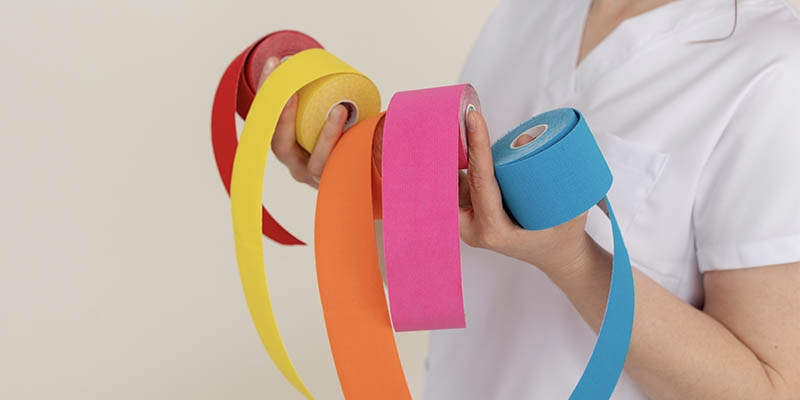
Introducing our comprehensive range of sports injury tape and supports, designed to keep athletes performing at their best while providing essential protection and relief. Whether you're a football player, rugby enthusiast, or hockey pro, our products are engineered to support you through every twist, turn, and tackle.
-
November 02, 2026
Plantar fasciitis, characterised by heel pain due to inflammation of the plantar fascia, affects many individuals, especially those who are active or on their feet for extended periods.
-
October 24, 2026
Plantar fasciitis is a common and often painful condition that affects the plantar fascia—a band of connective tissue that supports the arch of the foot. In recent years, some individuals and professionals have explored barefoot walking as a possible remedy, despite its risks and nuances.
-
October 22, 2026
Plantar fasciitis is one of the most common causes of heel pain, affecting both active individuals and those who spend a lot of time on their feet. It is characterised by inflammation of the plantar fascia, a thick band of tissue that runs along the bottom of your foot, connecting your heel bone to your toes. This condition can cause significant discomfort, especially during the first few steps in the morning or after periods of rest. Fortunately, there are effective treatment options available, and one of the most effective, yet often overlooked, is the use of night splints.
-
September 25, 2026
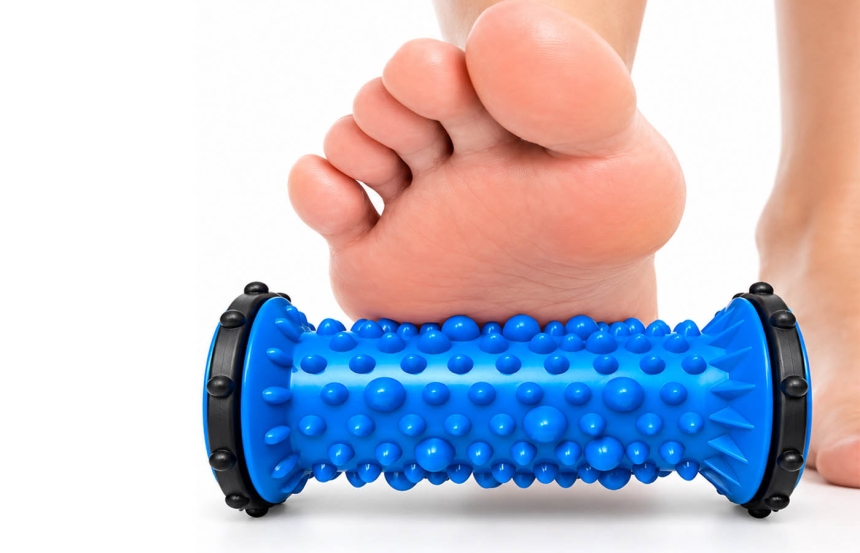
The Physioworx SoleFlex Plantar Fasciitis Foot Massager is a compact manual roller designed to deliver controlled pressure across the sole, arch and heel.
It is intended as a simple self-care aid for plantar fascia tightness and foot stiffness, rather than a stand-alone cure for plantar fasciitis.
-
August 25, 2026
These exercises should feel like a mild to moderate stretch or controlled muscle effort - not sharp pain. Stop if symptoms increase significantly, if you have numbness, swelling, bruising, recent injury, diabetes-related foot complications, inflammatory arthritis, or severe pain that does not improve.
-
April 24, 2026
The best insoles for plantar fasciitis usually combine firm arch support, heel cushioning and a stable heel cup. For mild to moderate heel pain, a supportive orthotic insole may help reduce strain on the plantar fascia during walking, standing and daily activity.



Sold: Sold per Pair
Incl. VAT Exl. VAT