





When you have a nagging foot problem, it’s tempting to play “Dr. Google” and diagnose yourself at home. The internet has many quick answers. Almost three-quarters of patients say they look online for medical information. In fact, over 35% of people have tried to identify a medical condition online instead of seeing a professional.
But when it comes to your feet, self-diagnosis can do more harm than good. This article explains why it's better to see a professional podiatrist. A podiatrist is an expert in foot and ankle issues. Guessing your condition can lead to problems.
We will discuss the risks of misdiagnosis and common foot problems that people often misunderstand. We will explain how podiatrists use special tools and training to identify the real issue. We will also cover the benefits of a personalised treatment plan. Finally, we will look at the long-term health and financial advantages of getting early professional care.
If you have a painful heel or are a podiatrist, keep reading. You will learn why professional foot care is important. We’ll keep it warm, clear and jargon-free - so everyone can follow along.

Is self diagnosis the best route to cure?
The Hidden Dangers of Self-Diagnosing Foot Issues
Turning to the internet for answers might seem harmless, but self-diagnosing your foot problems is fraught with risk. Online information is often generic and sometimes misleading. Typing your symptoms into a search engine can lead to confusion, unnecessary worry, or even missed warning signs.
It’s easy to think a small ache is something serious. It’s even worse to ignore a real problem because a website said it was “nothing to worry about".
Crucially, guessing wrong means you might treat the wrong condition or delay proper treatment. The Cleveland Clinic warns that even common foot problems can get worse if you try to treat them yourself with over-the-counter remedies.
Foot and ankle pain can have many causes. If you pick the wrong treatment based on a guess, you might make a small problem much worse. For example, using an antifungal cream for athlete’s foot won’t help if you have eczema on your feet. This means valuable time is lost while the real issue is not treated.
Self-diagnosis also means important underlying causes might be missed, causing a delay in proper care. You may think that ongoing foot pain is just due to “getting older” or bad shoes. However, it could actually be a stress fracture or a worsening deformity.
Every day spent on the wrong treatment is a day the true condition is not addressed. Podiatrists often see patients who have tried to ignore their pain or follow online advice. These patients often find that their condition has gotten worse than it should have. Professional evaluation is important to identify the real problem and avoid dangerous delays in treatment.
Finally, self-treatment can be flat-out dangerous. An Australian podiatry clinic says that some people try “bathroom surgery” on their feet. They may remove an ingrown toenail or file down a fungal nail. Urh! This can make the problem much worse.
Without proper sterile technique and know-how, you risk causing infections or permanent damage. In short, trying to fix your feet without expert help is like fixing your car without a mechanic. You might misidentify the problem and make things worse.

Plantar Fasciitis? Heel Spur? Old age or even fracture?
Common Foot Problems That Are Often Misunderstood
Let’s look at some everyday foot issues that people frequently misdiagnose or mishandle when going the DIY route. By understanding these examples, it becomes clear why a podiatrist’s insight is so valuable:
- Heel Pain: A common foot problem is a sore heel. Many people think it is plantar fasciitis, a known cause of heel pain. But heel pain isn’t always plantar fasciitis. It might be arthritis in the joints. It could also be a torn plantar fascia. Another possibility is a stress fracture in your heel.
Lastly, it may be a nerve issue, such as tarsal tunnel syndrome. These different conditions can feel similar to an untrained person, yet they require different treatments. A stress fracture needs rest and maybe a cast. Plantar fasciitis can be treated with stretching and support from orthotics. Misdiagnosing yourself means you may treat the wrong condition. A podiatrist will perform tests and a physical exam to pinpoint the exact cause of your heel pain, so you get the right relief. - Fungal Infections (Athlete’s Foot & Toenail Fungus): Fungal foot issues are often underestimated. A little flaky skin between the toes or a yellow toenail may seem unimportant. People often try home remedies or creams from the store, but not regularly. Unfortunately, ignoring or half-treating a fungal infection can let it spread or become chronic. Some folks even mistake nail fungus for just a bruised nail or ageing. What’s worse, certain “internet cures” can be harsh or ineffective.
Podiatrists can identify a fungal infection. They may take a nail sample to confirm it is a fungus. Then, they can prescribe effective treatments. These treatments include medicated creams or oral antifungal medication for stubborn nail infections. Trying to file down a fungal nail or treat it yourself often fails, but can break the skin and invite a worse infection. A professional will treat the fungus safely and advise you on preventing reinfection. - Ingrown Toenails: This is a painfully common issue where the edge of a toenail grows into the skin. Many people try “DIY surgery” at home by cutting a notch in the nail or digging at it with clippers. Sadly, home attempts at fixing ingrown nails often end in infection or recurring pain .
If the nail isn’t removed properly, it can keep growing inward. Podiatrists routinely treat ingrown toenails under sterile conditions, often numbing the area and trimming the offending nail piece out. They can resolve the problem in one visit, whereas an improper self-remedy might just make your toe more swollen and infected. A podiatrist can do a small procedure to stop that nail edge from growing back incorrectly, if needed. It’s a quick fix that leaves you with much less downtime and pain than an infected toe that was self-treated poorly. - Bunions: A bunion is the bony bump at the base of the big toe that forms when the first toe joint becomes misaligned. Many people put off seeing a doctor for bunions. They may think it is just a cosmetic problem or that it will heal on its own. Reality check: bunions don’t just go away, and you can’t “fix” a bunion on your own .
Ignoring a bunion or just using gel pads from the pharmacy won’t stop the toe from getting worse. Over time, a bunion can become very painful. This can make it hard to find shoes. It may also cause other toe problems, like hammertoes or bursitis, due to the pressure. A podiatrist can check how serious your bunion is. They can take X-rays if necessary. They will suggest the best treatment. This can include custom shoe inserts, exercises, or surgery for more serious cases.
The main goal of early treatment is to relieve pressure and stop the bunion from getting worse. No internet tip or toe spacer can do this reliably. Seeing a professional early can keep a small bump from turning into a big pain.
These examples show a pattern: foot ailments can fool you. What looks like one thing might actually be another. A podiatrist has the expertise to differentiate these conditions. When in doubt, it’s safer (and smarter) to get a definitive diagnosis from a professional rather than guess.
If you have ongoing foot pain or strange symptoms, see a podiatrist. They can find the cause and suggest good treatments.
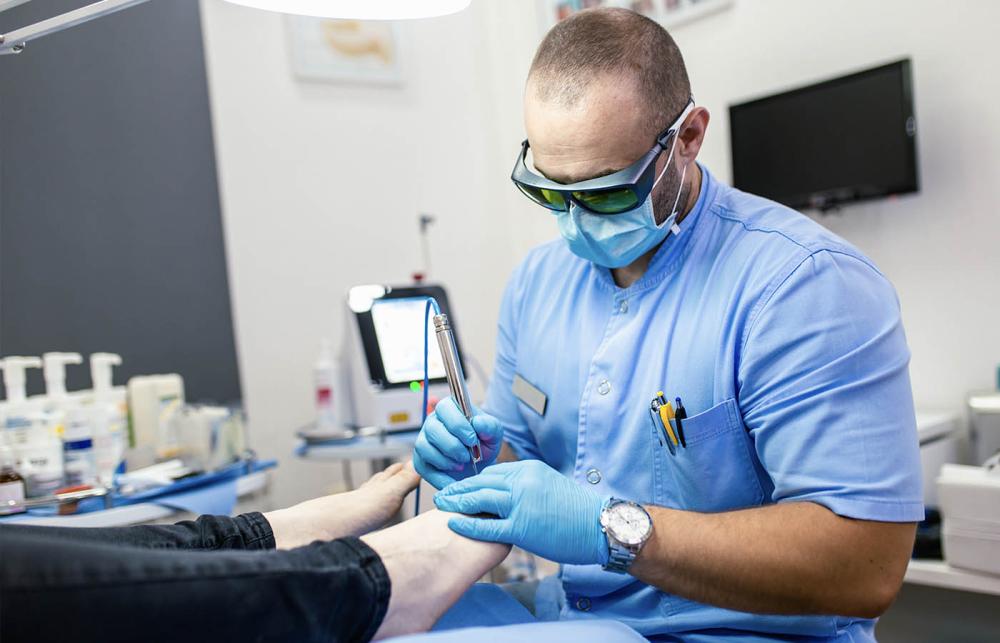
Seek professional treatment is always the best way
How Podiatrists Find the Real Problem
You might wonder, “What can a podiatrist do that I can’t do myself with some internet research?” The answer lies in medical training and diagnostic tools that give a clear picture of what’s happening with your feet.
Podiatrists are skilled specialists. They earn a degree in podiatric medicine, similar to a GP. After that, they complete years of residency training - in the UK many train in the NHS. In other words, they have spent many years studying foot health. They have learned to notice small differences between different conditions. They’ve quite literally “seen it all” when it comes to foot problems.
When you visit a podiatrist, the process is thorough and personalised. They will ask about your medical history. This includes your symptoms, lifestyle, and any health issues like diabetes or arthritis that may affect your foot health.
Next, the podiatrist will do a physical exam. They will look at and feel your foot. They will check for swelling, alignment, tender spots, skin condition, circulation, and how well your joints move. This hands-on exam can show signs that no symptom-checker website can find. For example, it can identify a painful spot on a bone. It can also detect pain along a tendon or a pattern of redness that suggests infection.
Diagnostic tools are a big part of the difference as well. Many NHS podiatrists can order and interpret imaging tests like X-rays, ultrasound scans, or MRIs when needed . An X-ray might show a hidden fracture or arthritis changes that confirm the true cause of your pain. An ultrasound can show soft tissue issues in real time. For example, it can confirm a torn ligament or a Morton’s neuroma, which is a pinched nerve in the foot. You cannot check these problems on your own.
If there is a suspicious lesion or a lasting rash, a podiatrist can organise biopsy or lab test. This helps check for issues like skin cancer or a fungal infection. In short, podiatrists have many tools to find out what is wrong with your feet. Self-diagnosis is often just a guess.
The Cleveland Clinic says that podiatrists can do many things. They can perform exams, order lab tests, and take images. They can also prescribe medications and do surgery if needed. This is much more than what you can find on Dr. Google.
Another advantage of seeing a podiatrist is their ability to identify underlying causes that you might not recognise. For example, your recurring heel pain might actually be caused by the way you walk (biomechanics).
A podiatrist can check how you walk or run. They can see if flat feet or imbalances cause your problem. Then, they can fix it with custom orthotics or exercises. If you often get ingrown toenails, a podiatrist can help. They will find out why this happens. It could be that your shoes are too tight or you are cutting your nails the wrong way. They will fix the main problem.
This level of insight comes from experience and training. Podiatrists find the problems that a non-professional might overlook. They make sure the solution addresses the real issue, not just the surface symptoms.
Personalised Treatment Plans vs Generic Internet Advice
Beyond diagnosis, another clear benefit of going to a podiatrist is the tailored treatment plan you’ll receive. In contrast, advice from the internet or a kind friend is often generic. It does not consider your specific situation. Your feet are as unique as you are, and what works for someone else may not be right for you.
Internet advice often gives simple solutions that may not work for everyone. For example, it might say, “Try ice on your heel,” “Buy these shoe inserts,” or “Soak your foot in apple cider vinegar.” Some of these tips might be mildly helpful, but they don’t take you into account. Are you a runner? Do you have a job that keeps you standing all day? Do you have other health conditions (like diabetes or poor circulation) that affect your feet?
Online tips rarely cover these nuances. A podiatrist, however, will consider all these factors. They will make a treatment plan for you. This plan will consider your age, activity level, medical history, and the seriousness of your condition.
For example, if you have heel pain, a general article might suggest stretching your calves. It may also recommend rolling your foot on a frozen water bottle. Decent advice – but what if your heel pain isn’t the usual plantar fasciitis? What if it’s a stress fracture? In that case, the last thing you should do is put more stress on it with exercise; you might actually need a boot or crutches.
Professional guidance ensures you’re doing the right therapy for the right diagnosis. Podiatrists also have access to treatments you simply can’t get on your own. They can prescribe custom orthotic insoles moulded to your feet, rather than the generic cushions from the pharmacy.
They can offer medical treatments. These include strong antifungal medicines for tough nail infections. Minor surgeries can fix ingrown nails or remove painful cysts. These are solutions tailored to fix your problem effectively and safely.
Another aspect is monitoring and follow-up. A podiatrist will follow your progress, adjusting the treatment as needed. Maybe the first approach (say, a certain orthotic or medication) isn’t giving enough relief – the podiatrist can tweak the plan, something an internet article can’t do for you. This personalised care not only resolves issues faster but also makes you feel supported and heard.
Many patients find that talking to a professional helps ease their worries. You can ask questions and learn about your condition. This is better than anxiously browsing forums at 3AM. AdventHealth says that relying too much on internet information can increase anxiety and confusion. In contrast, working with a healthcare professional provides clarity and peace of mind.
In short, generic advice is no match for a personalised treatment plan. Your podiatrist will give you a clear roadmap to recovery, tailored just for you. It’s the difference between a vague recipe online and a meal made by a skilled chef for you. A one-size-fits-all approach just can’t compete.

Podiatry in UK can be paid for or currently provided FOC by the NHS
Early Intervention: Healthy Feet and Long-Term Savings
Some people are unsure about seeing a specialist like a podiatrist. They worry about the cost or think, “It’s not that bad, I can handle it.” It’s true that professional care can cost money. However, seeing a podiatrist early can save you money later. It also helps protect your health. Think of it as an investment: spend a little now to avoid spending a lot later. In the UK, If you cant afford private treatment, you can ask your GP for a referral to the NHS. Brits are lucky!
Delaying or avoiding proper treatment can lead to complications that are far more expensive. A clear example is in diabetic foot care. If a diabetic patient gets a foot ulcer, the treatment cost rises more than five times in the first year. This is compared to a similar patient who does not have an ulcer. That’s because advanced problems might require hospital stays, surgeries, or long courses of medication. While you might not have diabetes, the principle is the same for many foot issues.
Ignoring a problem or trying to treat it yourself can make the condition worse. This may lead to needing more invasive and expensive treatments. A mild bunion can be treated with a £40 splint and advice from a podiatrist. However, a severe bunion may need surgery.
This surgery can cost thousands privately (in UK) and require weeks off work. A simple case of athlete’s foot can become a serious infection. This may require prescription drugs if not treated. By visiting a podiatrist early, you can stop problems before they start. This often means simpler and cheaper treatments than waiting until things get worse.
There are also the indirect savings to consider. Foot pain and problems can affect your mobility and productivity. If you can’t walk comfortably, you may exercise less (impacting your overall health) or even miss work. Getting early professional care can help you stay active. This can prevent lost income and health costs from being inactive. Staying active is important for good health. Podiatrists help make sure a small foot problem doesn’t turn into a bigger health issue.
From a health perspective, early intervention by a professional can literally save your limb or life in some cases. It’s true, especially for people with circulation problems or diabetes. A neglected foot wound can cause serious infection or even amputation. Even for otherwise healthy individuals, a mismanaged foot injury can trigger long-term problems.
Studies show that misdiagnosing or poorly treating common foot and ankle injuries can lead to poor long-term results. These can include arthritis and disability. A small problem, like a fracture, needs to be treated properly. If it is not treated early, it could cause pain and arthritis in that joint for the rest of your life.
Early professional treatment prevents these downstream consequences, preserving your foot function for the long haul.
Lastly, consider the value of your quality of life. Chronic foot pain can be very limiting. It affects everything from your morning walk to playing with your kids or grandkids. By addressing issues promptly with a podiatrist’s help, you’re investing in yourself. The earlier you return to pain-free days, the happier (and more productive) you’ll be. It’s hard to put a price tag on being able to do the things you love without foot pain stopping you.
In summary, seeing a podiatrist now can save you a lot of time and heartache.
Prioritise Your Foot Health with Professional Care
Your feet carry you through life – they deserve proper care and attention. The internet is a great source of general knowledge. However, it cannot examine you or give an accurate diagnosis. It also cannot create a treatment plan that fits your specific needs. Self-diagnosing foot problems is often just guessing.
Guessing wrong can be costly. It can lead to long-lasting pain, trouble moving, and even serious health risks. Visiting a professional podiatrist offers a reliable way forward. This is based on their medical knowledge and experience.
For patients, this means peace of mind and quicker relief. You will know what is wrong and how to fix it. An expert will guide you through the process. For podiatrists and foot care professionals, the message is clear. Teaching patients about these points helps them see the value of your service. It justifies the cost by highlighting the risks of the alternative.
In warm, plain English: don’t leave your foot health up to chance. The next time you feel an ache or strange symptom in your foot, stop and think about the benefits of seeing a podiatrist. It’s the difference between wandering in the dark and having a skilled guide lead you to the solution. Your feet – and your future self – will thank you for making the choice to seek reliable, professional care.
Stay safe, stay healthy, and give those hard-working feet the expert care they deserve. After all, when it comes to foot problems, a professional podiatrist really is your best step forward.
Looking for Algeos Podiatry Supplies? Buy Algeos Podiatry Products here →
Sources:
- Cleveland Clinic – What Is a Podiatrist?
- O’Dwyer Podiatry (Australia) – Don’t Self-Diagnose Podiatry Problems!
- Rorick Podiatry – Conditions Often Confused With Plantar Fasciitis
- Cleveland Clinic – Bunions: Symptoms, Causes & Treatment
- Essex Union Podiatry – Foot Care Tips (Don’t self-diagnose)
- AdventHealth – The Dangers of Self-Diagnosis
- Pew Research via Stanford study – Statistics on self-diagnosis online
- American Osteopathic Association – Foot/Ankle Injury Misdiagnosis Study
- PubMed – Costs of Diabetic Foot Ulcers (early vs late treatment)



















Sold: Each
Incl. VAT Exl. VAT