



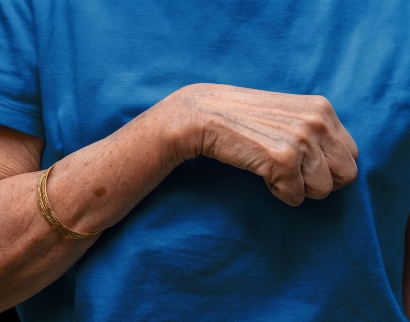
Contracture management is all about treating and preventing the tightening or shortening of muscles, tendons, or other soft tissues that limit joint movement. These restrictions, known as contractures, can develop over time due to immobility, neurological conditions, or prolonged incorrect positioning - making everyday tasks like walking or dressing difficult or painful.
Why Do Contractures Happen?
Contractures often develop in patients who are unable to move a joint regularly. This might be due to:
- Neurological conditions such as stroke, cerebral palsy, or multiple sclerosis
- Prolonged bed rest or wheelchair use
- Muscle imbalances or spasticity
- Burn injuries or scar formation
- Arthritis or joint degeneration
How Are Contractures Managed?
Effective management typically involves a combination of the following approaches, often tailored by physiotherapists, occupational therapists or orthotists:
1. Gentle Stretching and Movement
Regular range-of-motion exercises help keep joints flexible. These can be active, passive (assisted by a carer or clinician), or supported by physiotherapy tools.
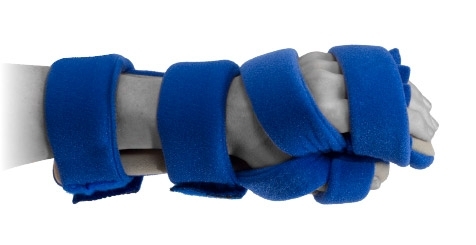
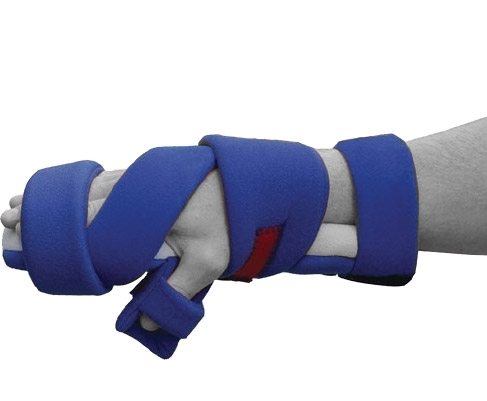
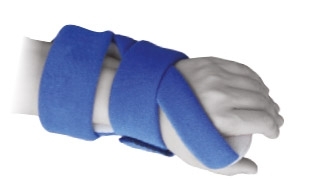
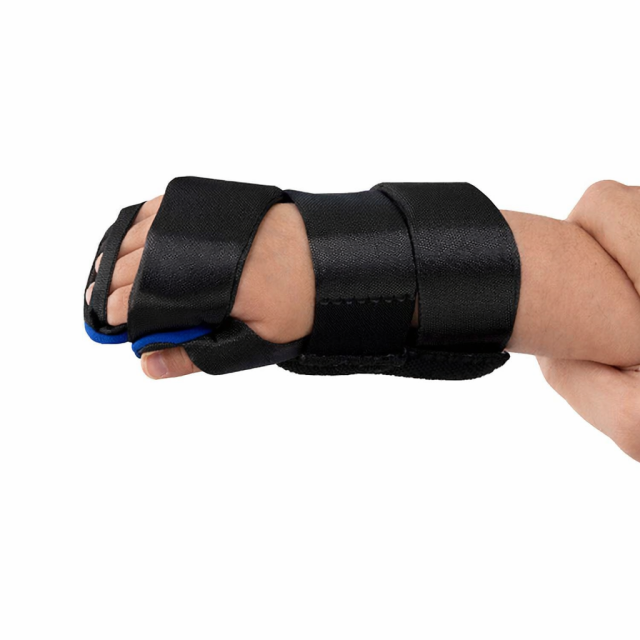
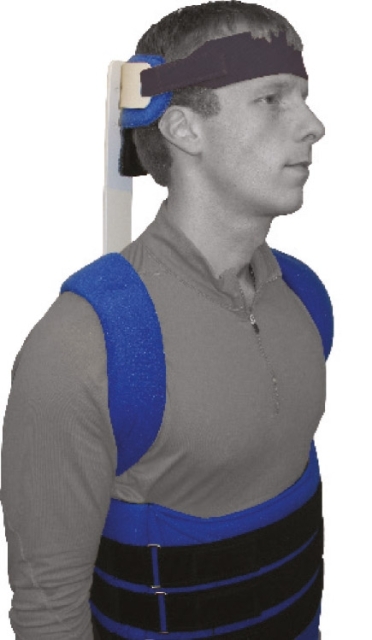
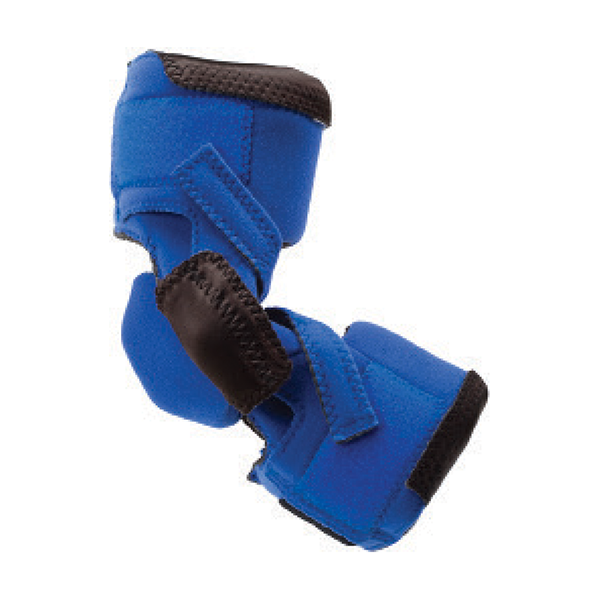
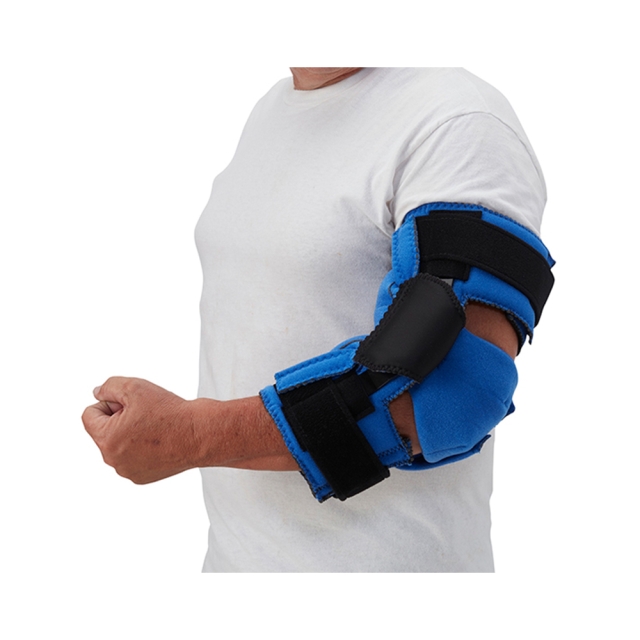
2. Orthotic Devices and Splinting
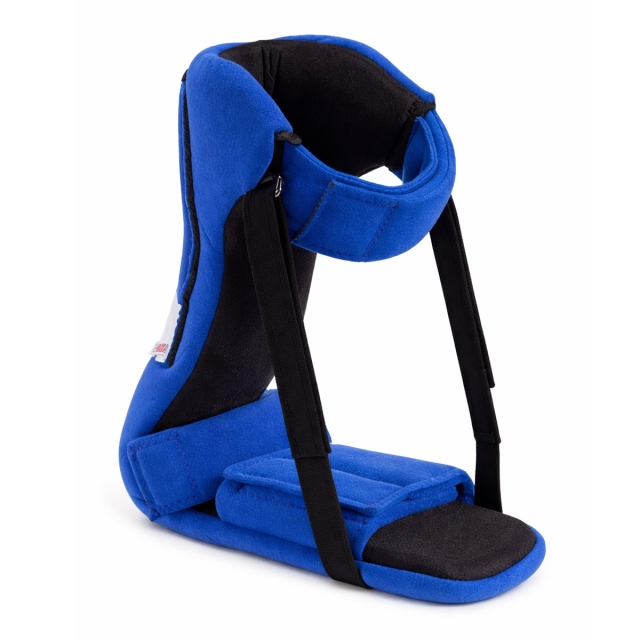
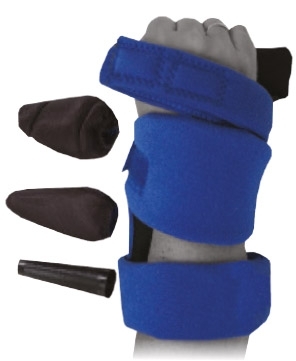
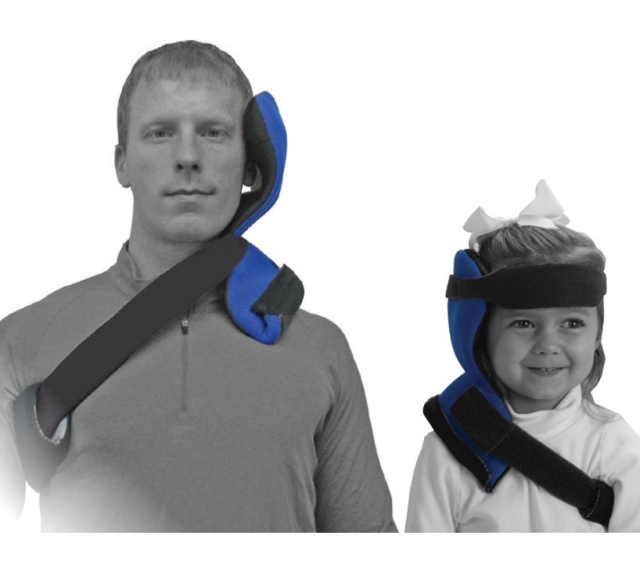
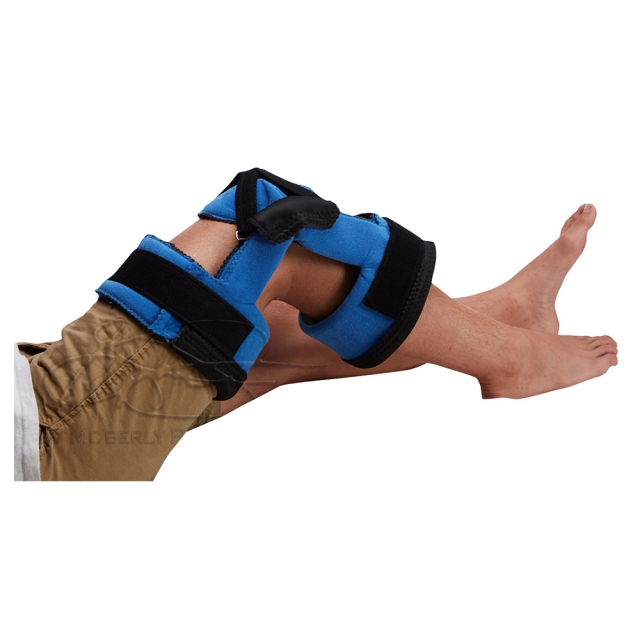
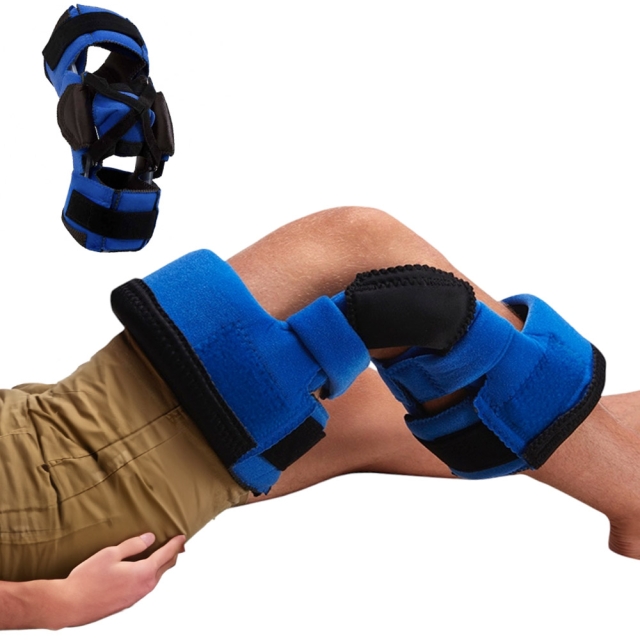
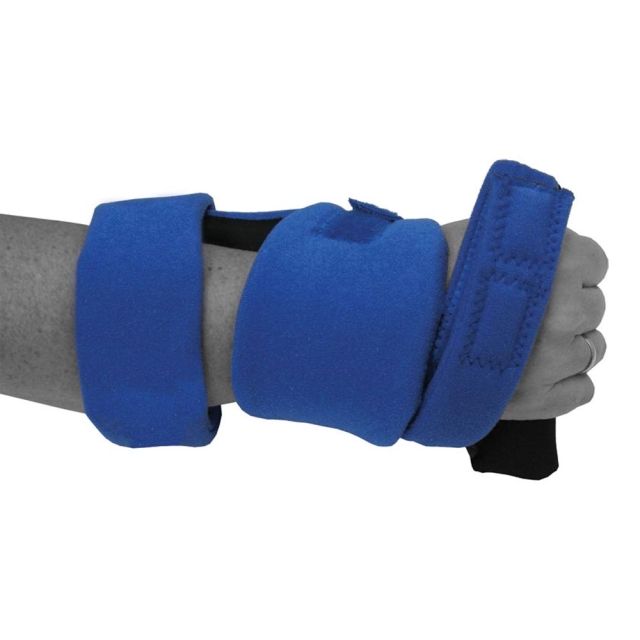
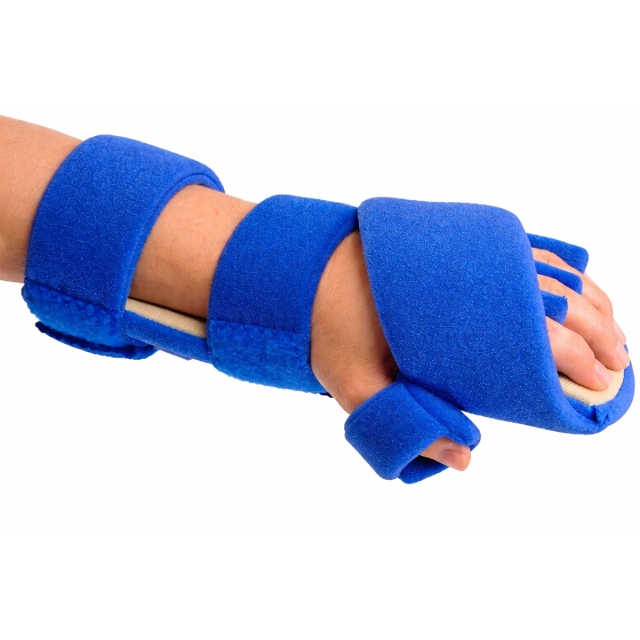
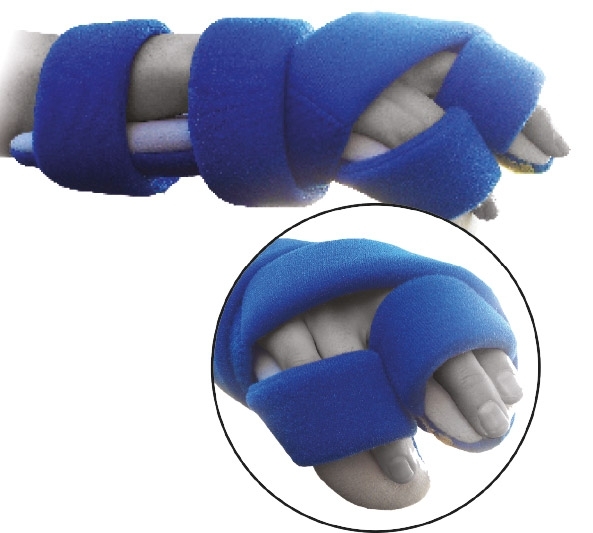
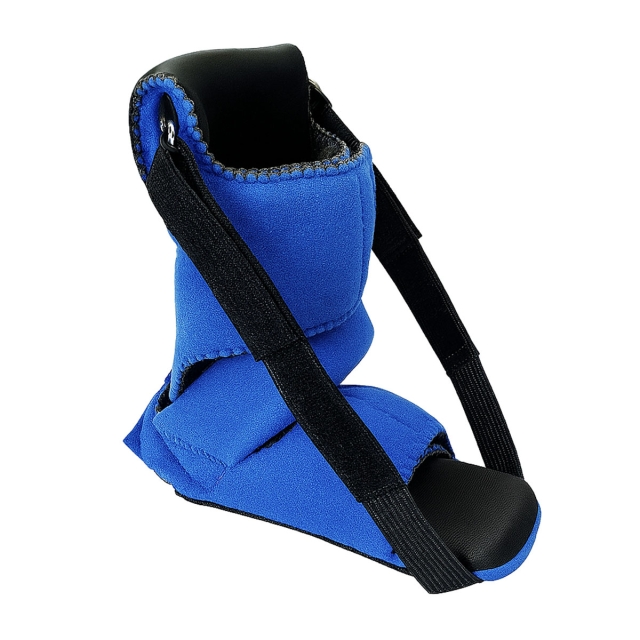
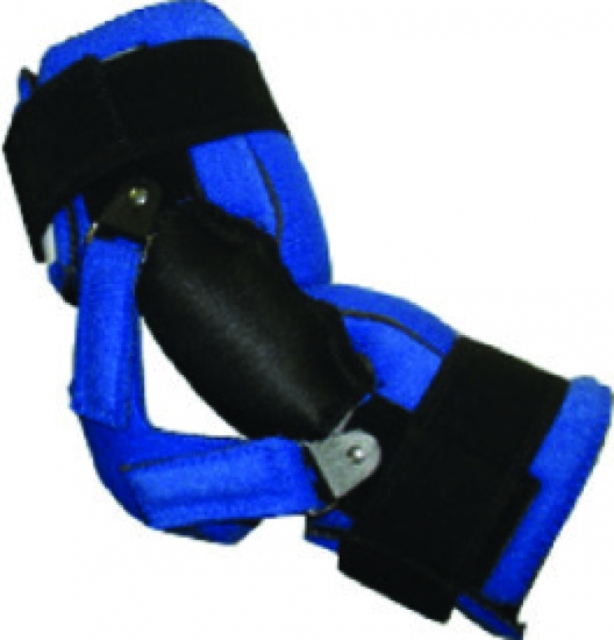
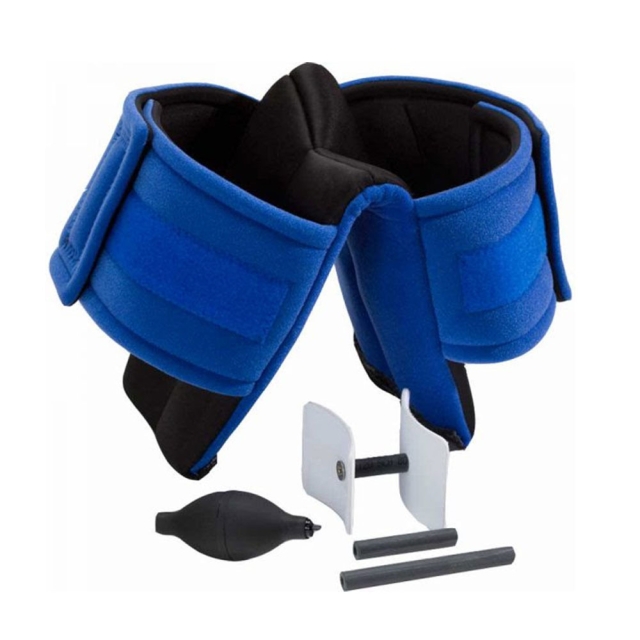
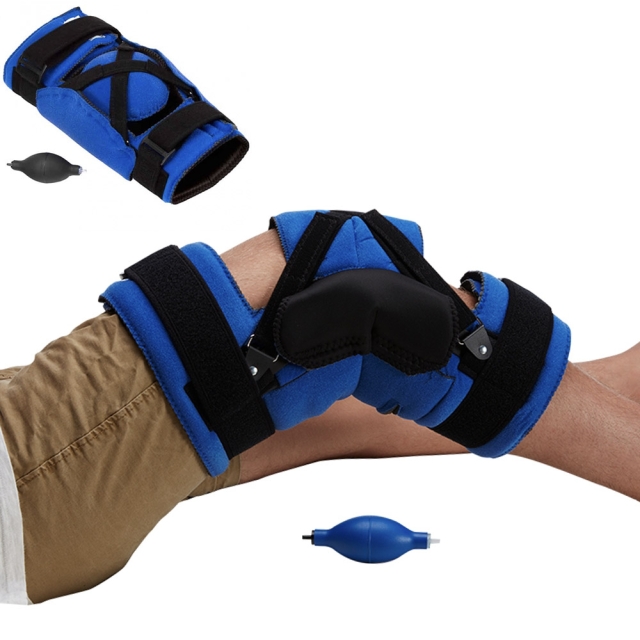
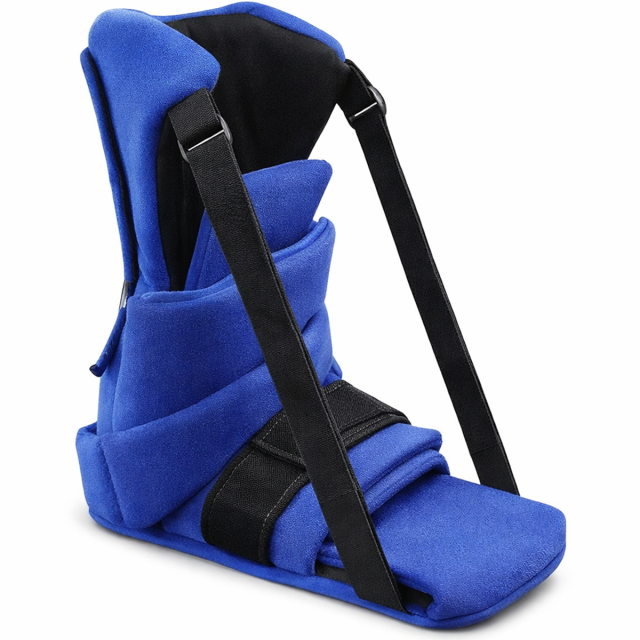
Specialist devices like foot drop braces, night splints, or contracture boots hold joints in a gently stretched position. These help prevent muscles and tendons from tightening over time.
3. Proper Positioning and Support
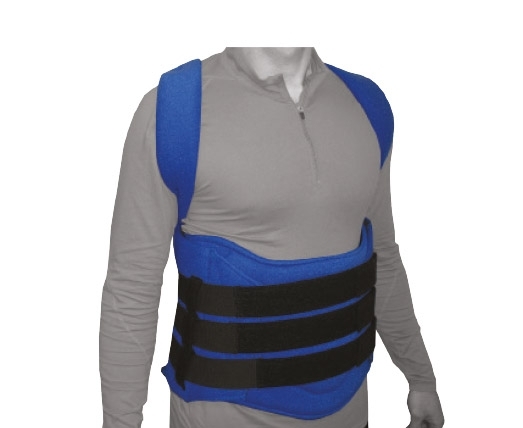
Using positioning aids such as wedges or cushions, and ensuring correct seating or sleeping alignment, reduces pressure and maintains limb extension.
4. Physical Therapy Modalities
Warm packs, massage, or electrical stimulation may be used in clinic settings to prepare tight tissues for stretching or splinting.
5. Medical or Surgical Interventions
In more severe cases, clinicians may use botulinum toxin (Botox) injections to reduce muscle tightness, or surgical release techniques to correct fixed deformities.
Products that Support Contracture Management
At Algeos, we supply a range of contracture management solutions for both clinical and at-home use. These include:
- Soft foam contracture boots for maintaining ankle range
- Dynamic and static splints for upper or lower limb contractures
- Foot drop orthoses and AFOs for safe gait and improved positioning
- Supportive cushions to aid in posture and limb alignment
Each product is selected for its comfort, ease of use, and suitability across a range of care settings—from hospital wards and rehab centres to community care and home use.
Why Contracture Prevention Matters
Once a contracture has fully developed, it can be very difficult to reverse. Early intervention, using the right tools and professional guidance, can help maintain mobility, comfort, and dignity in patients at risk.
To explore our full range of products for contracture prevention and management, click here.
Sold: Each
Incl. VAT Exl. VAT