




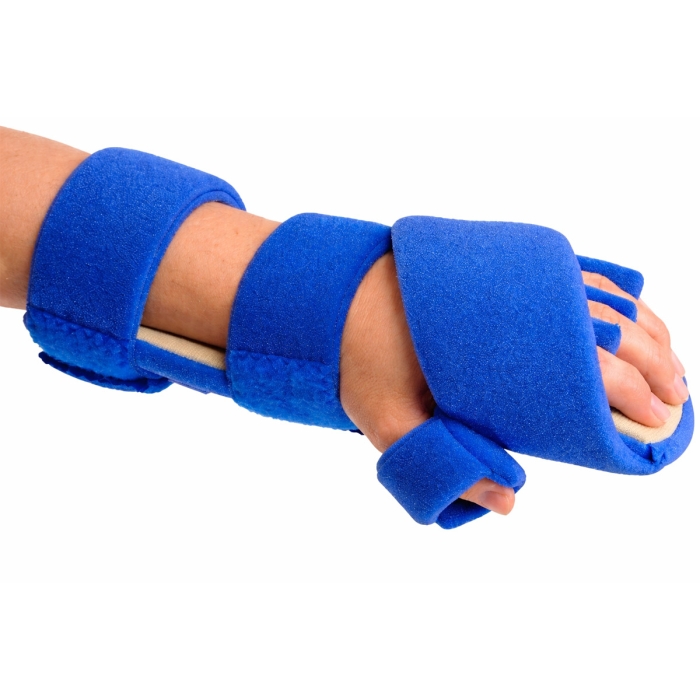
NeuroFlex Restorative ThumbEase
Provides moderate, comfortable support of the hand and wrist, post injury or surgery.
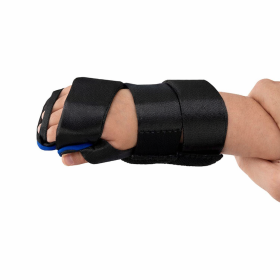
Wrist strap placement efficiently addresses wrist drop.
Wide strap conforms over the fingers and the back of the hand comfortably.
Thumb pocket without rigid base allows for use on severely contracted thumbs.
Lightweight support for painful extremities.
Sold: Each
Incl. VAT Exl. VAT
Product Description
NeuroFlex Restorative Thumb and Hand Support for Contactures
A lightweight, flexible support designed to help position the wrist, hand and thumb more comfortably in people with abnormal muscle tone, including those affected by stroke or acquired brain injury.
Best for: Severe thumb contracture or deformity where a rigid thumb base is not tolerated, painful extremities needing gentle support, and hands affected by spasticity or fluctuating tone.
Not ideal for: Users who require full immobilisation, those needing a high-rigidity fracture-style brace, or situations where skin integrity cannot be monitored reliably.
- Flex Technology splint designed to move with abnormal tone for comfort
- Thumb pocket without a rigid base to accommodate severe contraction
- Remouldable high-temperature plastic base (by a healthcare professional)
What is it?
NeuroFlex Restorative ThumbEase is a restorative wrist, hand and thumb support intended for neurological presentations where the hand may rest in a clenched or deviated posture. It combines a remouldable base with padded straps and a specialised thumb pocket that does not rely on a rigid thumb platform.
This design can make it easier to fit on hands where the thumb is deeply contracted or positioned in a way that makes standard thumb spica-style supports uncomfortable.
The support is built to be lightweight and to provide a stabilising “home base” around the wrist and hand, while still allowing for comfort when muscle tone changes.
For many users, tone can vary throughout the day (for example, with fatigue, pain, anxiety, or medication timing). A device that is too rigid can feel intolerable in these moments. ThumbEase is designed to reduce that “fighting the splint” sensation by using a flexible approach that moves with the patient’s abnormal tone and spasticity.
Who is it for?
This product is intended for adult patients with complex hand positioning needs, particularly those with neurological conditions such as stroke or brain injury. It may also be considered for other situations where spasticity, dystonia or abnormal muscle tone affects the wrist and thumb posture.
ThumbEase may be appropriate if you are supporting someone who:
- Has a severely contracted or deformed thumb that cannot tolerate a rigid thumb base
- Shows wrist drop and needs supportive strap placement to encourage a more functional wrist position
- Experiences pain or discomfort in the wrist, hand, or thumb due to sustained abnormal posture
- Needs a supportive device that can be adjusted gradually as tolerance improves
- Requires pressure-redistribution and soft padding to reduce skin stress points
Because neurological hands can be sensitive, the aim is often comfort, positioning support, and protection rather than “forcing” a correction. For best outcomes, selection and fitting is typically guided by a healthcare professional.
What does it help with?
This support is designed to address common day-to-day challenges seen in severe thumb deformity or contracture. Practical goals vary by person, but often include comfort, safer positioning, and reduced skin stress.
- Wrist drop: Wrist strap placement supports the wrist and can help maintain a more neutral, manageable posture.
- Thumb-in-palm posture: Thumb pocket without a rigid base allows positioning support even when the thumb is severely contracted.
- Hand discomfort and pain: Lightweight construction and padding can improve tolerance for wearing a support.
- Skin pressure hot-spots: Padding helps redistribute pressure and reduce concentrated rubbing over bony areas.
- Spasticity and fluctuating tone: Flex Technology splint is designed to move with abnormal tone for comfort and may help the hand feel more settled.
- Gradual thumb abduction goals: Optional extra padding can be used to introduce gentle, progressive positioning over time (as advised).
How does it work?
ThumbEase uses a combination of supportive structure and adaptable contact surfaces. A wrist strap helps address wrist drop by anchoring the support where control is often needed most. A wide strap is designed to sit comfortably over the fingers and the back of the hand, helping keep the support stable without relying on excessive tightness.
The thumb pocket is a key feature for severe contracture. Many standard designs use a rigid base under the thumb, which can be difficult or impossible to fit when the thumb is tightly adducted or rotated. By removing the rigid thumb base, the pocket can accommodate more complex thumb positions and reduce pressure where the thumb is most sensitive.
Flex Technology is designed to respond to abnormal muscle tone rather than resisting it. In practical terms, the splint aims to provide a consistent positioning environment while allowing small movements associated with spasticity. This can improve comfort and may help some users tolerate longer wear times.
The base is made from a high-temperature plastic that can be remoulded by a healthcare professional. This allows a fit that is tailored to the current presentation, with the potential to adjust the shape as the patient improves or as positioning goals change.
Expected comfort and use timeline
Neurological hand positioning is highly individual. Comfort and tolerance often improve gradually, and it’s normal for wear time to be built up in small steps.
First use
Initial wear should feel supportive but gentle. Expect some awareness of new contact points, especially at the wrist strap and around the thumb pocket. The fit should feel snug, not painful, and the hand should not look visibly compressed.
Short-term (days)
In the first few days, users and carers often learn the best strap tension and positioning. Skin checks are particularly important in this phase. If the support is being used to help with gradual thumb abduction using added padding, changes should be conservative and guided by a clinician.
Ongoing use (weeks)
Over time, many users settle into a routine: wearing during specific periods of the day, for particular tasks, or as part of a therapy plan. If the base is remoulded by a healthcare professional, the fit can be updated as comfort and positioning goals evolve. The aim is consistent, tolerable positioning rather than rapid change.
Common problems and how the product helps
| Common problem | How the product helps |
|---|---|
| Wrist drop causing an awkward hand position | Wrist strap placement provides a supportive anchor to encourage a more manageable wrist posture. |
| Severely contracted thumb that won’t fit into rigid splints | Thumb pocket without a rigid base can accommodate complex thumb positions more comfortably. |
| Spasticity or fluctuating muscle tone makes splints feel intolerable | Flex Technology splint is designed to move with abnormal tone for comfort and may help the hand feel less “fought against.” |
| Pressure and rubbing on sensitive skin | Padding improves comfort and redistributes pressure across a wider surface area. |
| Need for gradual, stepwise positioning changes | Padding can be added to support gradual thumb abduction, and the base can be remoulded by a clinician as needs change. |
Key benefits
- Designed for severe thumb contracture where rigid thumb bases are not suitable
- Wrist strap placement supports positioning needs associated with wrist drop
- Wide strap conforms comfortably over the fingers and back of the hand
- Flex Technology splint moves with abnormal muscle tone and spasticity for improved tolerance
- Soft padding supports comfort and helps redistribute skin pressure
- Clinician-remouldable base supports ongoing restorative goals as the patient’s presentation changes
Fit and comfort check
Snug, not painful: The support should hold position without pinching, digging in, or creating sharp pressure points.
Check the thumb pocket: The thumb should sit as comfortably as possible in the pocket without being forced. If the thumb is extremely contracted, fitting may need to be done slowly and with professional guidance.
Skin monitoring matters: For neurological patients, reduced sensation is common. Check the skin regularly, especially under straps and over bony areas, and discontinue use if redness persists or the skin looks compromised.
Common mistakes to avoid
- Over-tightening straps: Tight does not mean better. Excess compression can increase pain, swelling, or skin stress.
- Trying to “correct” posture quickly: Restorative positioning is typically gradual. Sudden force can reduce tolerance and increase tone.
- Wearing for long periods without skin checks: Particularly risky if sensation is reduced or communication is limited.
- Using without professional input when deformity is severe: Remoulding and progressive padding are best guided by a healthcare professional.
How to use
- Prepare the skin: Ensure the hand and wrist are clean and dry. Remove jewellery that could create pressure.
- Position the base: Place the support so it aligns with the wrist and palm as intended, keeping the hand in the most comfortable resting position available.
- Set the thumb: Gently locate the thumb into the thumb pocket. Do not force the thumb into an uncomfortable position.
- Secure the wrist strap: Fasten the wrist strap to provide stable support. Aim for a secure feel while maintaining good circulation.
- Adjust the wide hand strap: Lay the strap over the fingers and back of the hand. Ensure it conforms smoothly without bunching.
- Start conservatively: Begin with short wear periods and build up gradually, following a therapist’s or clinician’s guidance.
- Perform regular checks: Remove the support periodically to check skin condition, comfort, and any changes in tone.
- Clinical adjustments: If remoulding or additional padding is required for gradual thumb abduction, this should be completed by a healthcare professional.
Technical specifications
| Product type | Restorative wrist/hand/thumb support with flexible splinting |
|---|---|
| Intended users | Adults with neurological-related hand positioning needs (including post-stroke and acquired brain injury presentations) |
| Support design | Wrist strap for wrist drop management; wide hand strap over fingers and back of hand; thumb pocket without rigid base |
| Base material | High-temperature plastic base (remouldable by a healthcare professional) |
| Padding | Integrated padding for comfort and pressure redistribution; additional padding can be added for gradual thumb abduction (as advised) |
| Flexibility | Flex Technology splint designed to move with abnormal muscle tone and spasticity for comfort |
| Left/right fit | Varies by option (confirm selection during ordering) |
| Sizes | Varies by option (confirm available sizing range during ordering) |
| Colour | Varies by option |
| Care and cleaning | Wipe-clean surface; specific care instructions vary by material components (follow supplied guidance) |
| Pack contents | Sold individually (single device) |
Frequently asked questions
Is this support suitable for severe thumb contracture?
It is designed with a thumb pocket that does not rely on a rigid thumb base, which can make fitting easier when the thumb is significantly contracted. Severe deformities still benefit from professional assessment and fitting.
Does it immobilise the wrist and thumb completely?
No. This is a supportive, restorative design intended to improve positioning and comfort. It is not intended as a rigid immobilisation device unless directed by a healthcare professional as part of a broader plan.
How tight should the straps be?
The straps should be firm enough to keep the support in place but not so tight that they cause pain, tingling, colour changes, or swelling. A good rule is secure and stable, with the ability to slide a fingertip under the strap.
Can padding be used to gradually move the thumb outward?
Padding can be added to support gradual thumb abduction, but changes should be conservative and ideally guided by a clinician to maintain comfort and protect skin integrity.
Who should remould the plastic base?
The high-temperature plastic base is intended to be remoulded by a healthcare professional. This helps ensure safe shaping, correct alignment, and appropriate pressure distribution.
How long should it be worn each day?
Wear time varies. Many users start with shorter periods and build up gradually based on tolerance, skin response, and clinical goals. Regular breaks and skin checks are recommended, especially when sensation is reduced.
Can it help with painful extremities?
It is designed to be lightweight and padded for comfort, which may help reduce discomfort associated with sustained postures and sensitivity. If pain increases, discontinue use and seek clinical advice.
Complementary and pairing suggestions
- Hand hygiene and skin-protection routines: Gentle moisturising and regular skin checks can support comfort, especially under straps and padding.
- Therapy putty or soft hand exercise tools: When prescribed, can complement positioning by supporting guided movement and function.
- Finger separators or soft positioning aids: May be used alongside a hand support plan where finger posture also needs gentle management.
- Protective sleeves or liners: Can be helpful for users prone to friction or sweating, provided they do not create extra pressure.
Content credibility
Written by: Algeos Product & Clinical Content Team
Last reviewed: January 2026
This content is provided to help buyers understand product purpose, fitting considerations, and typical use. It is not intended to diagnose, treat, or replace advice from a qualified healthcare professional. For severe deformity, complex spasticity, or skin integrity concerns, seek professional assessment before use.
Frequently bought together
Sold: Each
Incl. VAT Exl. VAT
Sold: Each
Incl. VAT Exl. VAT
Sold: Each
Incl. VAT Exl. VAT
Sold: Each
Incl. VAT Exl. VAT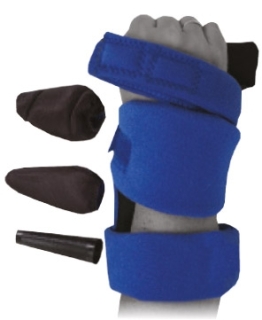
Sold: Each
Incl. VAT Exl. VAT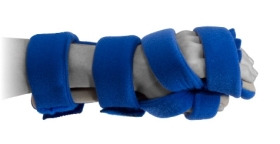
Sold: Each
Incl. VAT Exl. VAT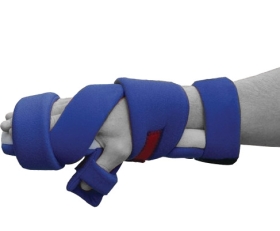
Sold: Each
Incl. VAT Exl. VAT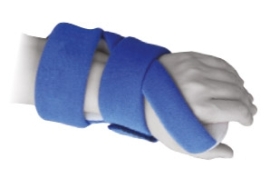
Sold: Each
Incl. VAT Exl. VAT
Sold: Each
Incl. VAT Exl. VAT
Sold: Each
Incl. VAT Exl. VAT
Sold: Each
Incl. VAT Exl. VAT
Sold: Each
Incl. VAT Exl. VAT
Sold: Each
Incl. VAT Exl. VAT
Sold: Each
Incl. VAT Exl. VAT
Sold: Each
Incl. VAT Exl. VAT
Sold: Each
Incl. VAT Exl. VAT
Sold: Each
Incl. VAT Exl. VAT
Sold: Each
Incl. VAT Exl. VAT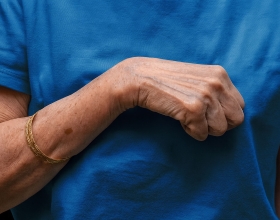
Sold: Each
Incl. VAT Exl. VAT