



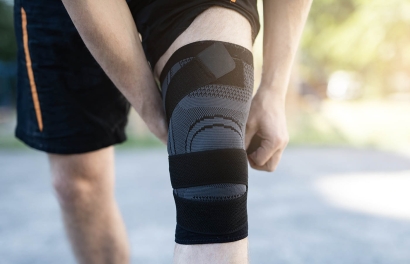
Knee pain and instability can derail work, sport and daily life. The right brace can calm symptoms, protect healing tissue and help you move with confidence. This UK guide explains how knee supports work - then maps common conditions to specific brace types - with comparison tables of leading options available from Algeos.
Definition
Knee support is a general term for sleeves straps and braces worn around the knee to provide external assistance. Depending on design they can add compression, reduce excessive motion guide the patella or limit and gradually restore range of movement. Supports range from soft elastic sleeves to hinged or restorative orthoses.
How knee supports work - why they matter
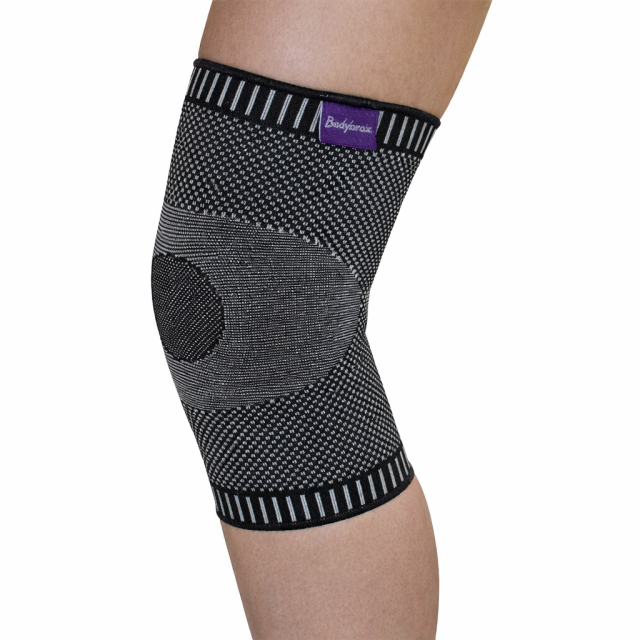
Compression sleeves improve proprioception reduce swelling and keep tissues warm which can ease osteoarthritis or post-activity soreness.
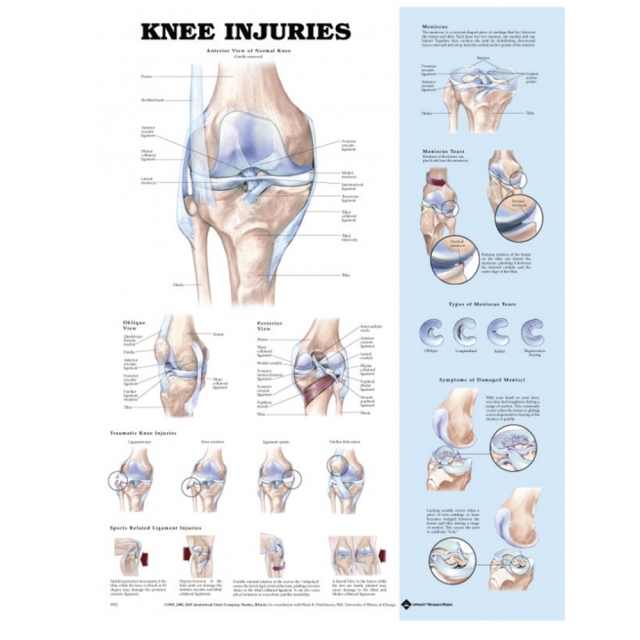
Stabilisation and hinges add external control to resist valgus-varus or rotational forces. This helps after ligament injury meniscal irritation and periods of instability.
Patella control via open patella windows buttresses or straps helps guide kneecap tracking and unloads painful anterior knee syndromes.
Range-of-motion orthoses limit or dose flexion-extension using adjustable stops or dials. That is essential after surgery or with contracture where safe progressive movement is the goal.
Why it matters is simple. The knee is a high-load hinge exposed to sudden direction changes and repetitive stress. When structures are irritated or compromised external support can reduce pain improve function and protect healing - especially during return to activity.
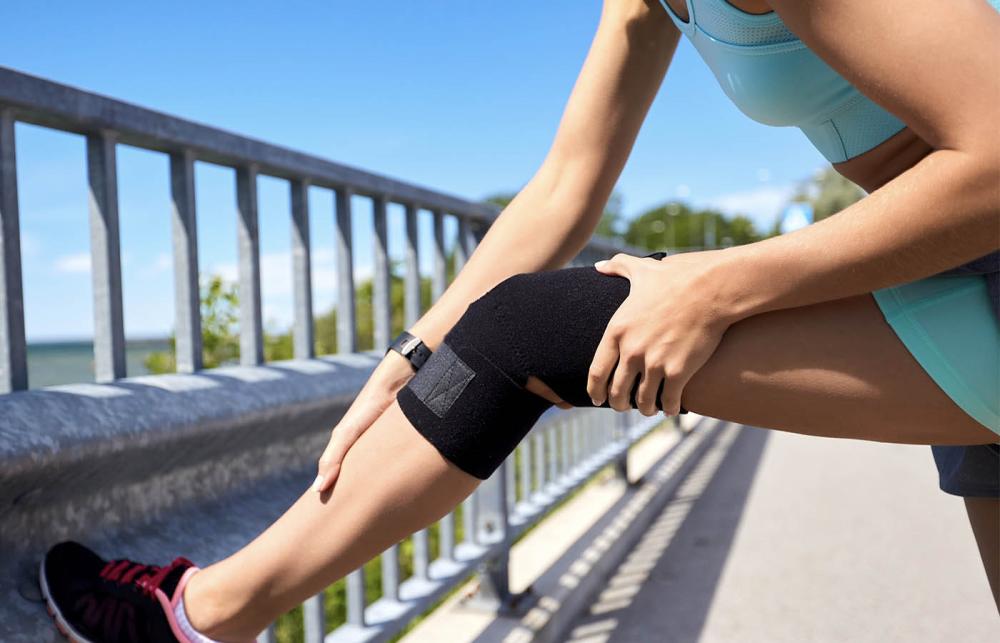
What users say
Across Algeos product pages users and clinicians tend to look for four things - comfort that lasts a working day stability that does not feel bulky patella relief when pain is front-of-knee and easy donning-doffing. The models referenced below are described as balancing support with freedom to move which is why they suit both clinic rehab and everyday life.
Step-by-step - choosing the right support
- Define the problem - mild aches or swelling often respond to compression. True instability or ligament injury needs a hinged brace. Patellar pain favours open-patella designs or straps. Severe range limits can require a restorative orthosis.
- Match the activity level - desk-heavy days prize comfort and low profile. Sport and manual work need durable hinges straps and a secure fit. Post-op protocols may specify hinge angles and wear times.
- Choose the support type - sleeve, open or closed patella, hinged, ROM limiting or restorative. Do not over-brace. Too much restriction slows recovery and comfort.
- Size precisely - measure as per the manufacturer. A brace that is too loose will slip and one that is too tight can numb the calf or thigh.
- Check materials and care - neoprene for warmth and durability, breathable knits for long wear, easy-clean liners for clinic use. Hinges and straps should be robust yet simple.
- Plan the progression - as strength and control improve you may step down from hinged to sleeve or discontinue except for high-risk activity.
Best for mild to moderate support
These are everyday supports where the aim is compression, comfort and light stability.
| Product | Key features | Ideal for | Link |
|---|---|---|---|
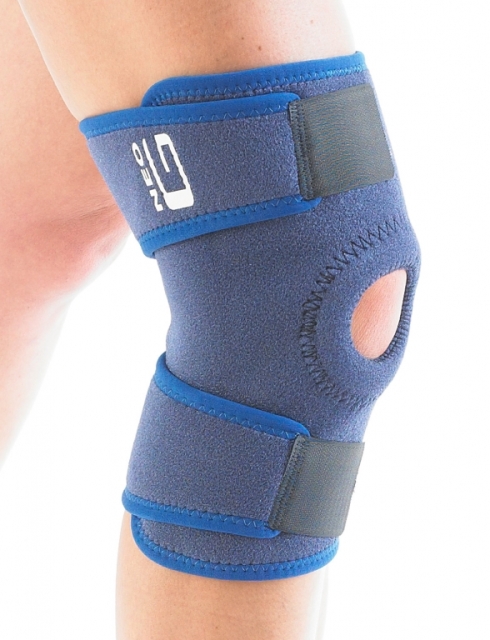
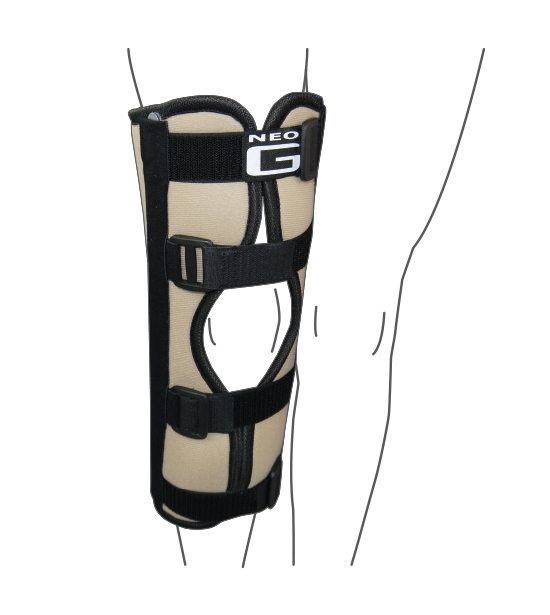
| Neo G Universal Closed Knee Support Brace | Closed sleeve for 360° compression - heat-therapeutic neoprene - universal left or right - slim under clothing | Mild osteoarthritis - post-activity soreness - light instability | View product |
| Patella Strap Support | Targeted infrapatellar pressure - reduces patellar tendon load - minimalist design | Runner’s knee - patellar tendinopathy - jumping sports | Find on Algeos |
Best hinged and high-support braces
These braces add mechanical control for instability or rehab. Follow clinical guidance if post-op.
| Product | Key features | Ideal for | Link |
|---|---|---|---|
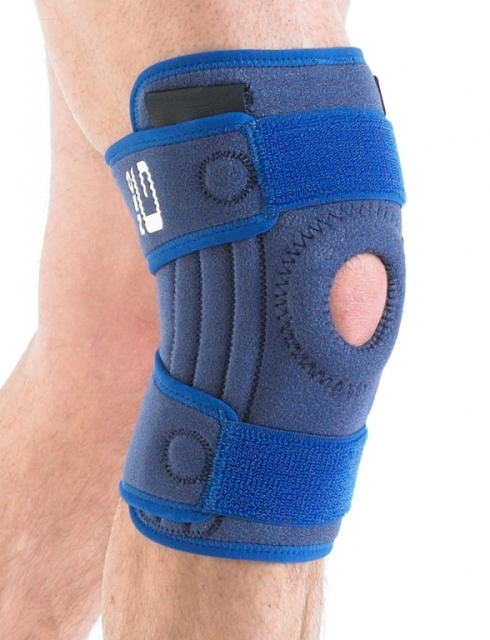
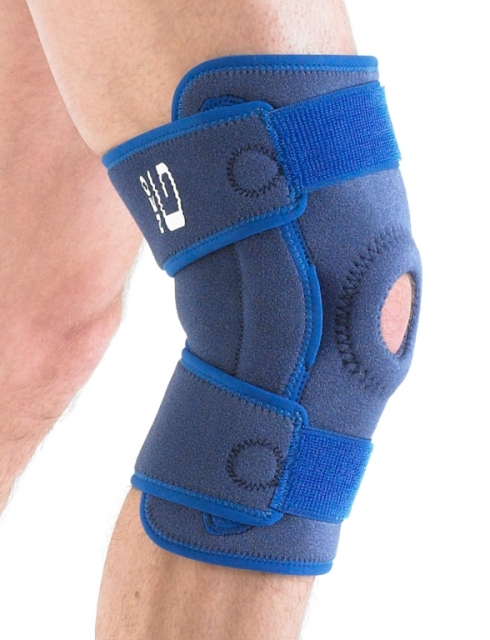
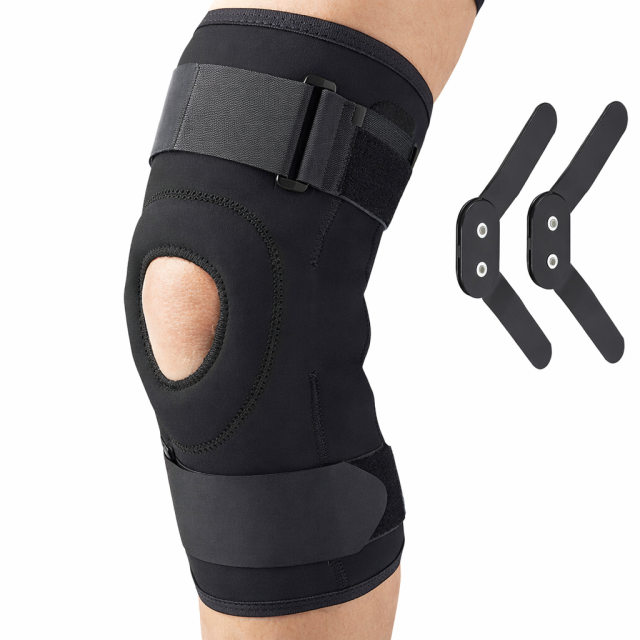
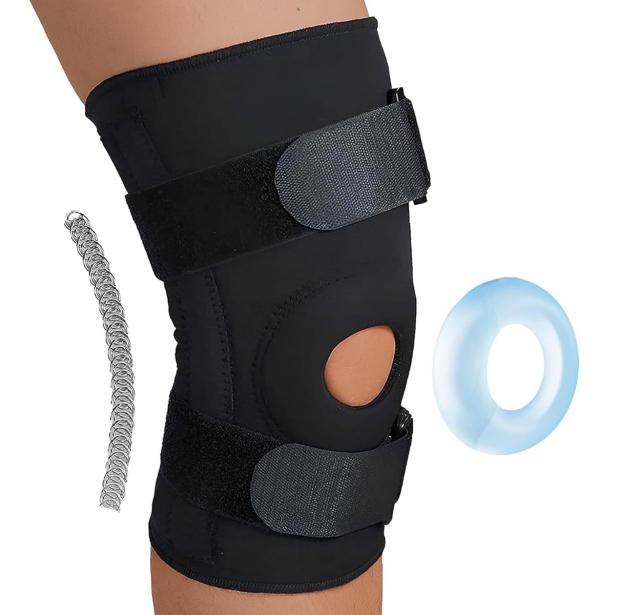
| Neo G Universal Hinged Open Knee Support Brace | Dual side hinges - open patella buttress - adjustable straps - active friendly | ACL-MCL sprains - meniscal irritation - return-to-sport stability | View product |
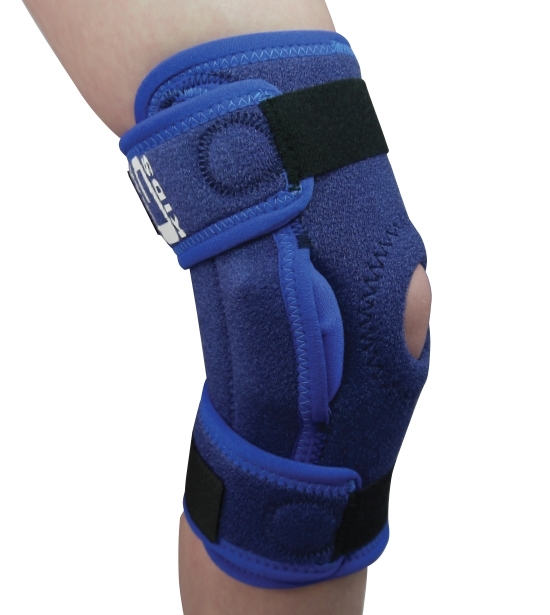
| Bodytonix Hinged Knee Brace Support | Hidden bilateral hinges - neoprene comfort - secure wrap straps | Moderate instability - manual work - gym training | View product |
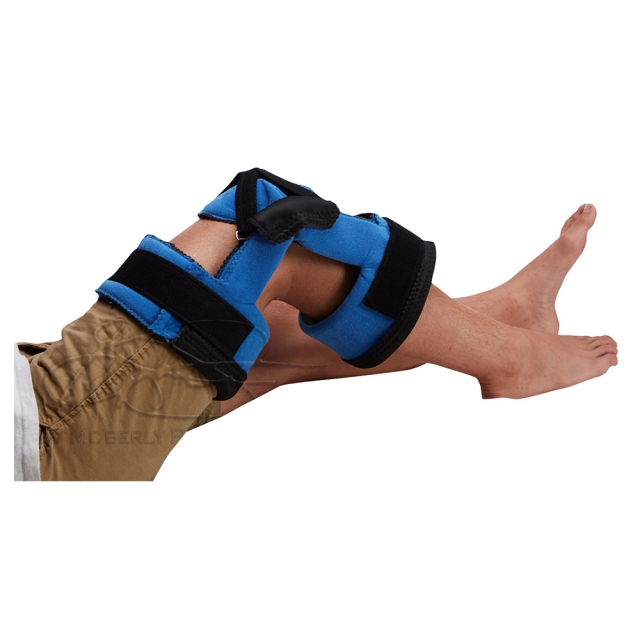
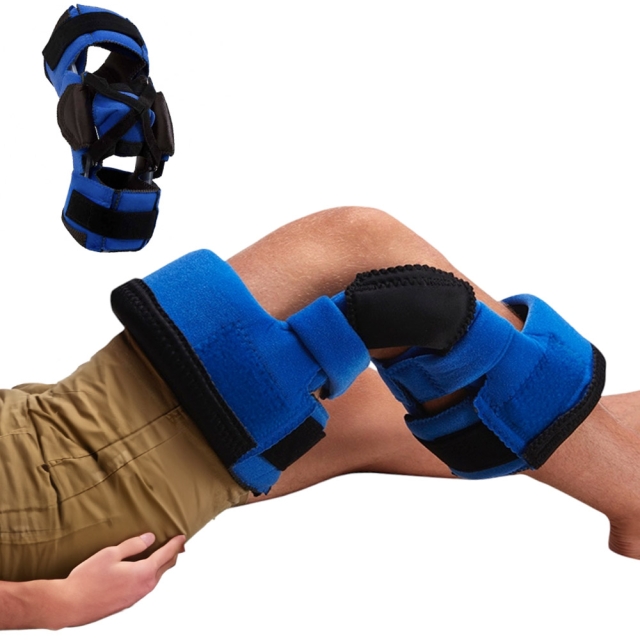
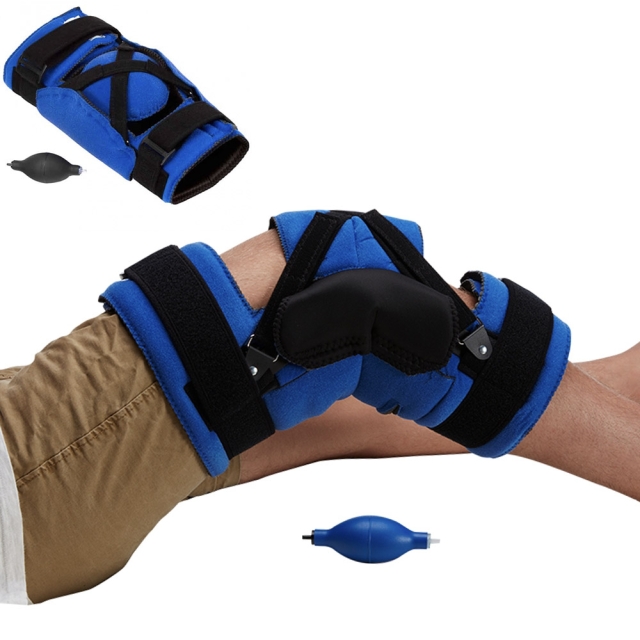
| NeuroFlex Restorative Knee Orthosis | Remouldable cuffs - adjustable dials - progressive ROM dosing | Contracture management - spasticity - complex rehab programs | View product |
Tip - do not jump straight to the stiffest brace. Match the brace to your presentation then plan to step down support as control and strength return.
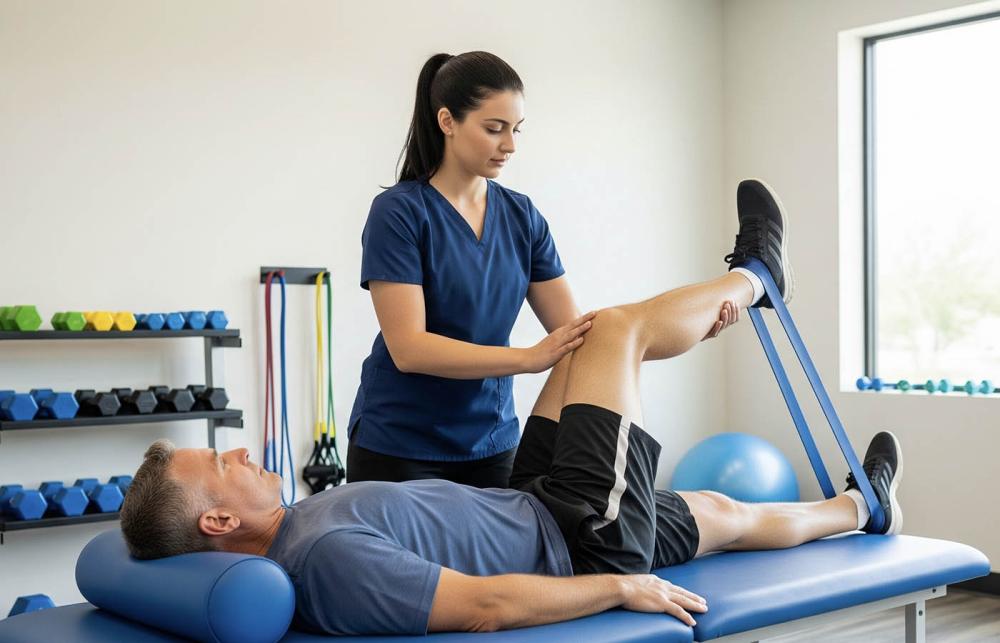
Which knee support is best for you
Arthritis or general ache - start with a compression sleeve such as the Neo G Universal Closed Knee Support. The warmth and gentle pressure often settle symptoms during walking and stairs.
Patella pain - look for an open patella buttress or a strap. The opening relieves pressure and helps tracking during squats or hills.
Feeling unstable - a hinged brace like the Neo G Universal Hinged Open Knee Support or Bodytonix Hinged Knee Brace Support adds side-to-side control without locking the joint.
Post-surgical or contracture - follow your clinician’s plan. A restorative device like the NeuroFlex Restorative Knee Orthosis is designed for gradual safe gains.
FAQ
- Can I buy a knee brace online without seeing a clinician
- For mild aches and everyday support yes. If you have marked instability a locked knee night pain or post-op needs speak to a clinician first.
- How tight should a knee support feel
- Snug but not numb. If toes tingle or skin marks persist loosen or resize. Measure as per the product chart not guesswork.
- Do hinged braces weaken muscles
- No when used alongside strength and control training. They buy you safe movement time while rehab rebuilds capacity.
- Is neoprene hot for all-day wear
- Neoprene is warm which helps some arthritis. If heat bothers you pick a breathable knit like Bodytonix elastic sleeves for long shifts.
- Can I run while wearing a brace
- Yes if pain is controlled and the brace stays put. Test on a short run first and check for rubbing at the patella and the back of the knee.
- How do I clean a hinged brace
- Remove hinges if possible. Hand wash the sleeve in cool water then air dry away from direct heat. Check Velcro and straps for wear.
References and sources
Author
Marc Cameron writes clinically grounded guides for Algeos on orthotic therapy and rehabilitation. The aim is simple - help clinicians and informed consumers make confident kit choices that support better movement.
Content is educational and not a substitute for personalised clinical assessment. If symptoms are severe or persistent seek professional advice.

Sold: Each
Incl. VAT Exl. VAT