



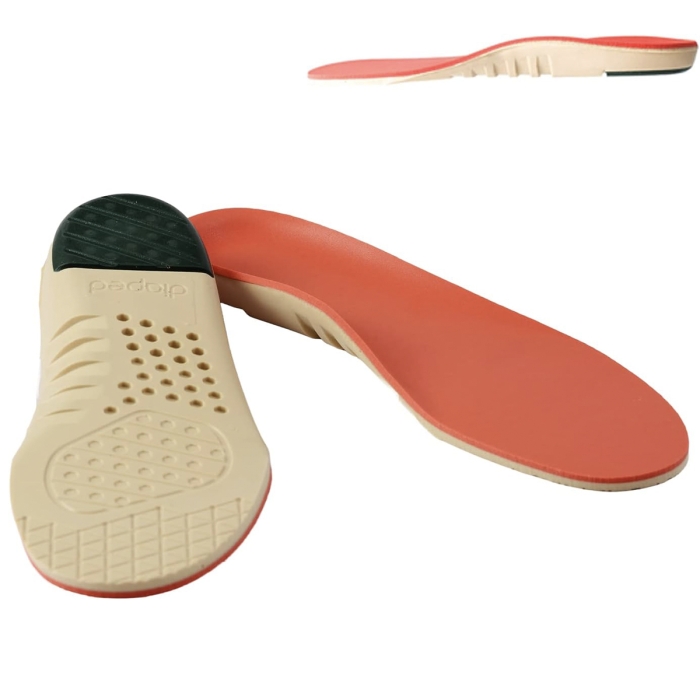
Duosoft Plus Diabetic Insoles with Memory Foam
Our Diabetic Insoles with memory foam are designed for people with diabetes and sensitive feet who require soft footbed to prevent calluses, blisters and friction.
Commonly prescribed for people with diabetes, arthritis, neuropathy, foot deformity or generally sensitive feet.
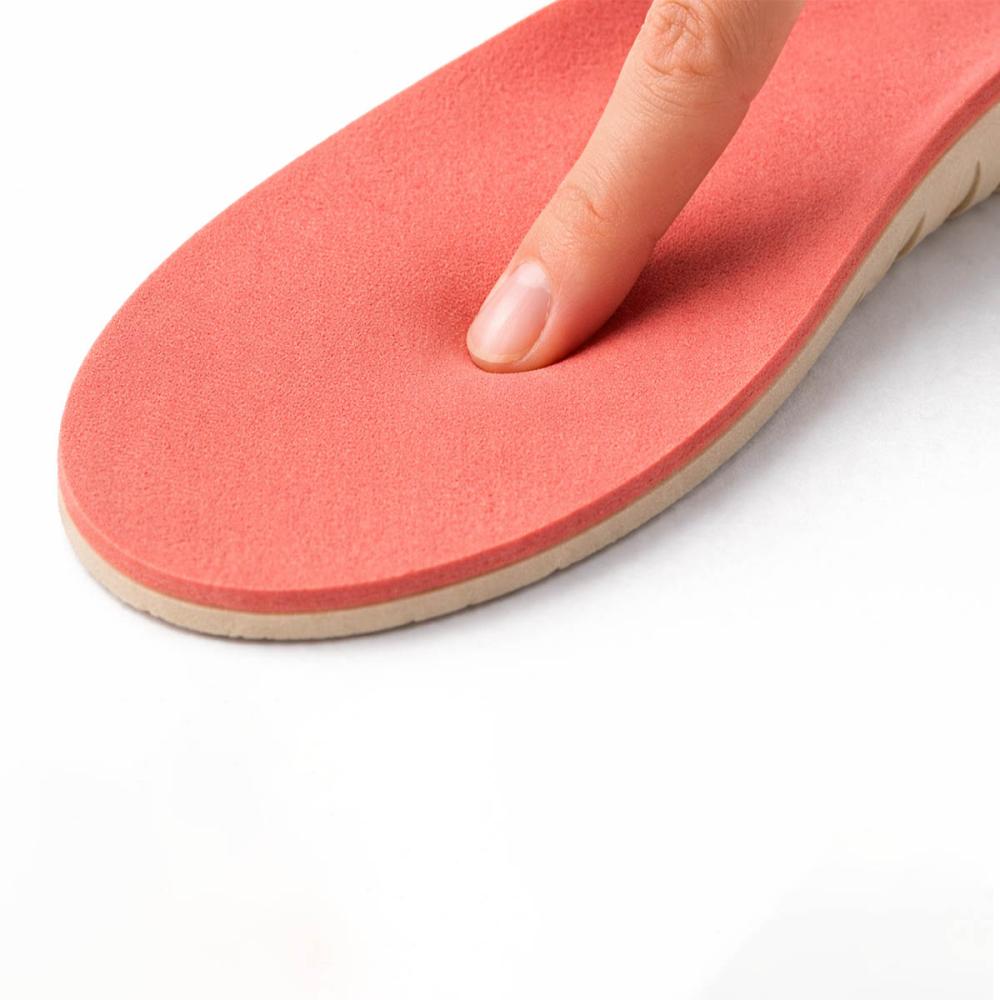
Made from 2 types of memory foam, these insoles are softest most comfortable insoles available.
The NHS's most prescribed insole for ulcer prevention and arthritic feet.
Sold: Sold per Pair
Incl. VAT Exl. VAT
Product Description
Pressure-relieving Insoles for People with Diabetes, Arthritis and Neuropathy
Duosoft Plus are soft, pressure-relieving insoles designed for people with diabetes, arthritis, neuropathy, foot deformity or generally sensitive feet.
The most comfortable insoles in the World (no joke) - Duosoft Plus Memory Foam Insoles are prescribed daily by NHS and used widely at home by Arthritis and Diabetes sufferers throughout the UK and middle east. View Duosoft on NHS Supply Chain portal.
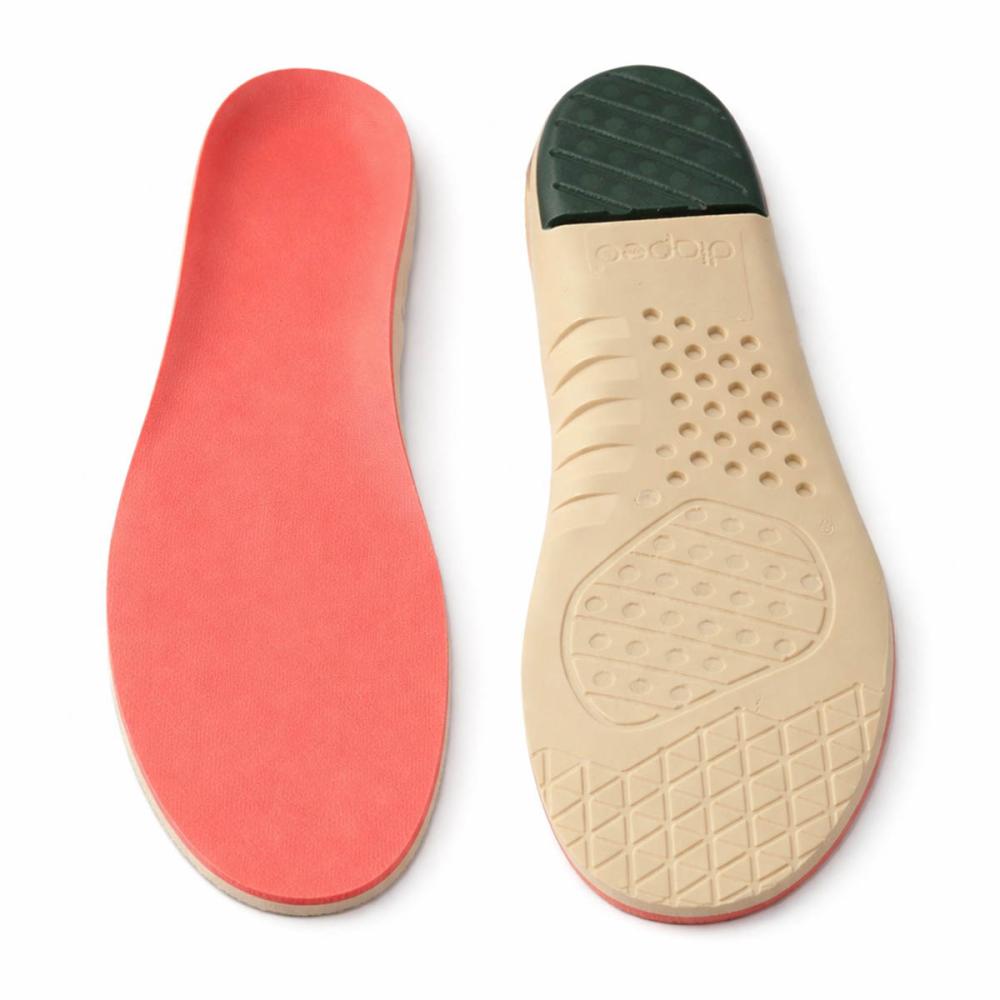
They combine a slow-rebound PORON medical grade top cover with a supportive polyurethane base and a Vygel heel to improve comfort, cushion impact, and help spread plantar pressure more evenly inside the shoe.
For people who need more than a basic shoe insert, these insoles are designed to reduce friction, improve underfoot comfort, and provide a more protective in-shoe environment for daily wear.

Key selling points
- High-level cushioning for diabetic and sensitive feet
- Slow-rebound memory foam helps cradle the foot
- Designed to redistribute pressure across the plantar surface
- Vygel heel helps attenuate shock at heel strike
- Supportive base helps the insole keep its shape better than basic foam inserts
- Suitable for everyday footwear with adequate depth
- Antibacterial materials help keep the in-shoe environment fresher
- Sold as a pair
What they do and how they work
Duosoft Plus is a cushioning insole for pressure relief and comfort.
The PORON top layer has a soft, slow-rebound feel that helps the insole conform to the contours of the foot over time. This can help reduce localised pressure, improve comfort around bony areas, and reduce friction-related stress inside footwear.
Unlike ordinary insoles that quickly lose their shape, flatten and become uncomfortable Duosoft Plus offers superior cushioning from heel to toe without compromising arch support.
Underneath, the moulded cellular urethane base adds resilience and structure so the insole remains supportive during walking and standing.
A Vygel heel section helps reduce impact at heel strike, which may be useful for people with heel sensitivity, foot fatigue, or painful joints.
Common problems it may help with
- Pressure-sensitive feet
- Friction that can contribute to blisters or callus formation
- Heel discomfort and impact sensitivity
- Sensitive or at-risk areas that benefit from softer in-shoe cushioning
- General foot fatigue during prolonged standing or walking
Indications
- Diabetes: Helps in preventing foot complications associated with diabetes.
- Arthritis: Provides relief for arthritic feet.
- Metatarsalgia: Alleviates pain in the ball of the foot.
- Pre-ulcerated Sites: Protects areas at risk of skin breakdown.
- Plantar Fasciitis: Aids in managing heel pain and discomfort.
- Foot Deformities: Accommodates various foot deformities.
- Morton’s Neuralgia: Reduces pain associated with Morton’s neuralgia.
- Forefoot Accommodation: Offers additional support and cushioning for the forefoot.
- Skin Breakdown: Prevents skin breakdown by providing a protective cushioning layer.
- Sesamoiditis: Insoles provide a supportive and comfortable base for the foot, releiving forefoot pressure.
Applications / Who they are suitable for
- People with diabetes who need extra underfoot cushioning
- People with neuropathy or reduced sensation who need a more protective footbed
- Arthritic feet that benefit from softer pressure distribution
- Users with foot deformities who need an insole that can adapt to foot shape
- Patients requiring a cushioning layer for pre-ulcerated or at-risk areas under clinical guidance
- Podiatrists, orthotists, physiotherapists, and other clinicians selecting pressure-relieving insoles
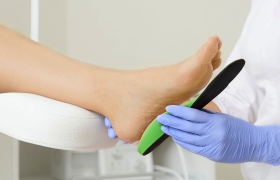
- Daily wear in appropriate footwear with enough internal depth
Availble direct and through NHS Supply Chain. To learn more about insoles - see our insoles guide
Who it may not be suitable for
- People whose footwear is too shallow to accommodate a full-length cushioning insole
- Users who need a more corrective orthotic rather than a primarily cushioning insole
- Anyone with active ulceration, significant skin breakdown, or complex diabetic foot problems unless advised by a suitably qualified clinician
- People who develop increasing discomfort, rubbing, redness, or signs of pressure after use
Product specifications
| Product type | Full-length pressure-relieving memory foam insoles |
|---|---|
| Top cover | PORON medical grade top cover |
| Heel feature | Vygel heel for shock attenuation at heel strike |
| Base | Moulded cellular urethane base |
| Primary purpose | Cushioning, pressure redistribution, comfort, and shock absorption |
| Footwear fit | Designed to fit most everyday footwear with adequate depth |
| Pack size | Sold per pair |
| Available sizes | 2–4, 5–7, 8–9, 10–12, 13–15 |
Usage instructions
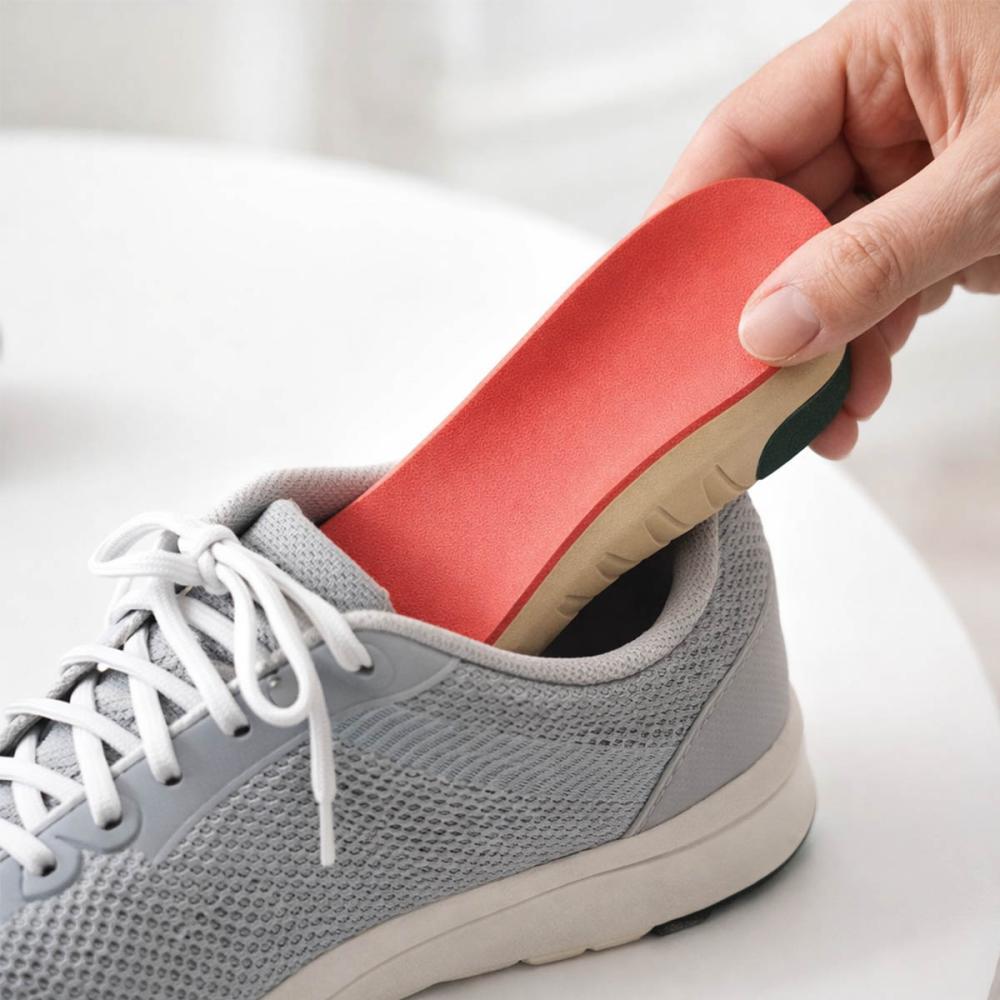
- Place the insoles into clean, dry footwear.
- Make sure the shoe has enough depth so the foot is not compressed once inserted.
- Wear consistently for day-to-day comfort and pressure relief.
- If feet are very sensitive, build up wear time gradually.
- Check feet regularly for rubbing, redness, or changes in skin condition.
- Clean gently with mild detergent if needed and allow to air dry fully.
- Avoid high heat during drying or storage.
Benefits
- Softer step-to-step comfort for daily walking and standing
- Helps reduce peak pressure in sensitive areas
- Can help lower friction-related irritation inside footwear
- Conforms to a wide range of foot shapes over time
- Useful where forefoot comfort and general pressure relief are needed
- Helps support a cooler, drier, fresher in-shoe environment
- May be helpful as part of a wider diabetic foot protection routine
Contraindications & warnings
- For people with diabetes, previous ulceration, or pre-ulcerated areas, use is best guided by a clinician where appropriate.
- Do not continue use if the insoles cause pressure, rubbing, instability, or worsening symptoms.
- These insoles are designed for cushioning and pressure relief; they are not a substitute for assessment where ulceration, infection, or significant deformity is present.
- Daily foot checks remain important for anyone with diabetes or reduced sensation.
- Replace the insoles when cushioning reduces, flattening becomes noticeable, or visible wear develops.
FAQs
What are Duosoft Plus insoles used for?
They are used to provide soft cushioning, pressure relief, and shock absorption for people with diabetes, arthritis, neuropathy, sensitive feet, or discomfort caused by high-pressure areas inside footwear.
How do these insoles help diabetic feet?
They are designed to redistribute plantar pressure more evenly and reduce friction-related stress. This can help create a more protective in-shoe environment for feet that are vulnerable or pressure-sensitive.
Are they suitable for arthritis and painful joints?
Yes. The slow-rebound cushioning helps reduce pressure-related discomfort, while the supportive base adds stability and resilience for everyday walking and standing.
Do they provide support as well as cushioning?
Yes. Duosoft Plus combines a soft PORON top cover with a supportive moulded base, so the insole offers comfort from heel to toe without behaving like a basic foam insert that quickly flattens.
Will they fit any shoe?
They are designed to fit most everyday footwear, but adequate shoe depth is important. Shoes that are too shallow may compress the insole and reduce comfort.
Can they help with metatarsalgia or forefoot pain?
They are commonly used where additional forefoot cushioning and pressure reduction are needed, including metatarsalgia and other pressure-related forefoot discomforts.
Are they suitable for pre-ulcerated or at-risk areas?
They can be used as a protective cushioning layer for at-risk areas, but people with diabetes, previous ulceration, or active high-risk foot problems should seek clinical advice on suitability.
How should I look after them?
Clean gently with mild detergent if needed, then let them air dry fully. Avoid high heat, as this may affect the materials.
When should they be replaced?
Replace them when there is visible wear, flattening, loss of cushioning, or a noticeable drop in comfort and support.
Are they sold individually or as a pair?
They are sold in pairs.
References
- Memory Foam Insoles
- NICE NG19: Diabetic foot problems: prevention and management
- NICE: Foot checks for people with diabetes
- Diabetes UK: Your annual diabetes foot check
- IWGDF Offloading Guideline 2023
Written by Marc Cameron - Product Director and Product Category Contributor
Product Summary
Duosoft Plus Diabetic Insoles with Memory Foam are pressure-relieving cushioning insoles for people with diabetes, arthritis, neuropathy, and sensitive feet. They use a PORON medical grade top cover, Vygel heel, and supportive urethane base to improve comfort, absorb shock, and help redistribute pressure in everyday footwear.
Related Downloads
Frequently bought together
Sold: Each
Incl. VAT Exl. VAT
Sold: Doppler and 8MHz Probe
Incl. VAT Exl. VAT
Sold: Each
Incl. VAT Exl. VAT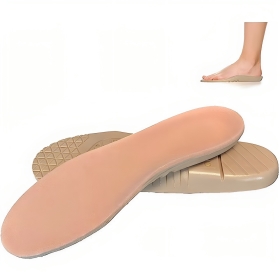
Sold: Sold per Pair
Incl. VAT Exl. VAT
Sold: Sold per Pair
Incl. VAT Exl. VAT
Sold: Sold per Pair
Incl. VAT Exl. VAT
Sold: Pair
Incl. VAT Exl. VAT
Sold: Pair
Incl. VAT Exl. VAT





Sold: Sold per Pair
Incl. VAT Exl. VAT