



Article revised and improved April 2026
The towel curl exercise is an effective and easy way to strengthen the muscles in your feet, particularly the plantar fascia, which can help alleviate discomfort associated with plantar fasciitis. This exercise can improve the strength and flexibility of your foot's arch, aiding in long-term relief and injury prevention.
Benefits of Towel Curls for Plantar Fasciitis
- Strengthens the plantar fascia and intrinsic foot muscles
- Enhances arch support and stability
- Improves overall foot flexibility
- Reduces strain on the heel and arch
How to Perform Towel Curls
What You'll Need:
- A towel or cloth
- A flat surface (floor or yoga mat)
 |
 |
Step-by-Step Instructions
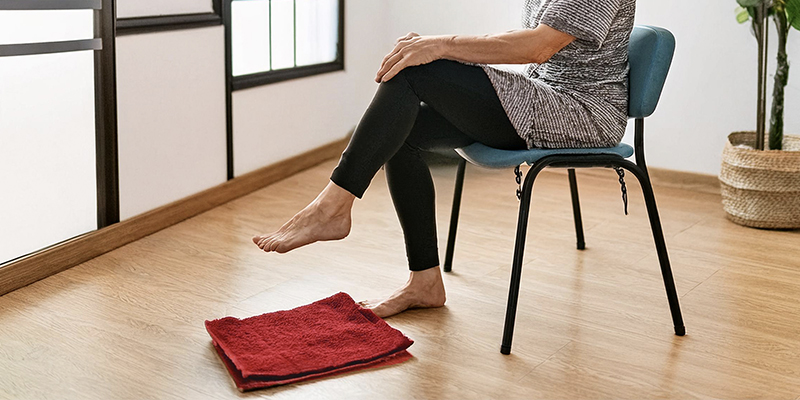
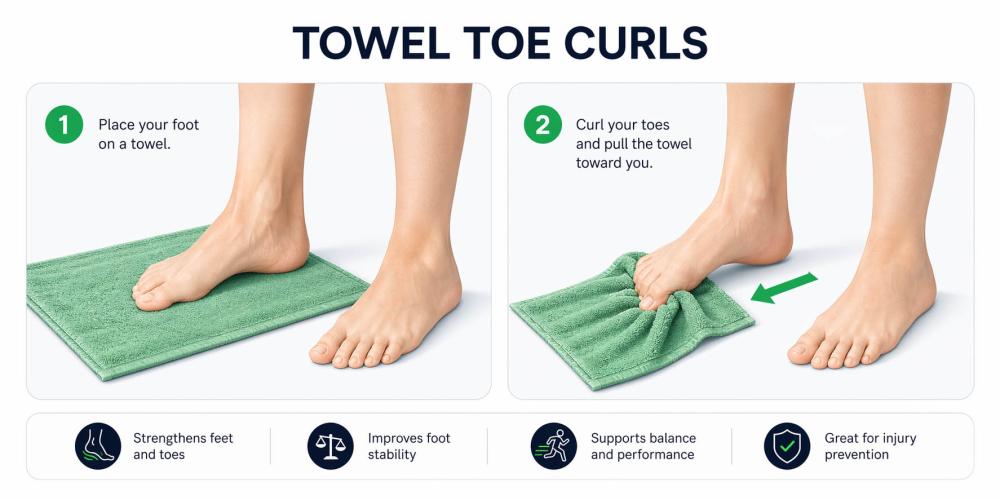
- Start Position: Sit comfortably on a chair with both feet flat on the floor. Place a small towel on the floor in front of you. Position your affected foot on the towel so that your toes are at the edge of the towel, ready to grasp it.
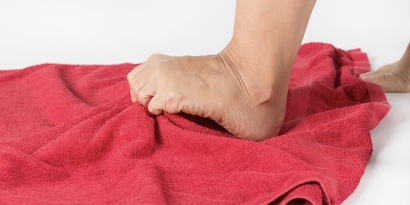
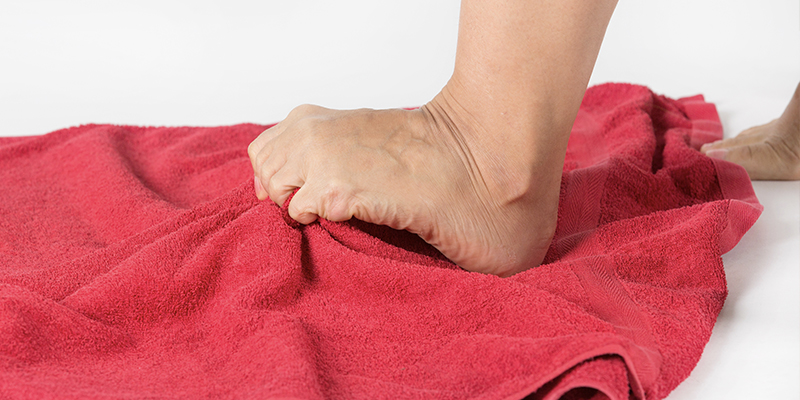
- Perform the Curl: Using only your toes, grip the towel and curl it towards you, pulling it towards the arch of your foot. Ensure the rest of your foot stays flat and still while your toes do the work. Once you've gathered the towel beneath your foot, release the towel and repeat.
- Challenge Variation: For a greater challenge, place a small weight, such as a can or light object, at the end of the towel. This will add resistance, making the exercise more effective.
Repetitions and Frequency
Perform 2 sets of 10 to 15 repetitions per foot. Aim to do this exercise daily, or at least 4-5 times a week, especially if you are dealing with plantar fasciitis symptoms.
Tips for Best Results
- Sit up straight to ensure proper posture during the exercise.
- Avoid using other muscles (like your legs) to assist – focus on the toes doing the work.
- Make sure to breathe evenly and remain relaxed as you perform each curl.
- As your foot muscles strengthen, increase the resistance by using heavier objects or a thicker towel.
When to Stop or Seek Advice
You should not experience pain while performing the towel curl exercise. If you feel pain or discomfort beyond mild muscle fatigue, stop the exercise and consult with your doctor or physiotherapist.
By incorporating towel curls into your daily routine, you can strengthen the muscles that support your arch, helping to alleviate the pain of plantar fasciitis and improving your foot's overall function.
What can you combine with towel curls for plantar fasciitis relief?
Towel curls can be a useful part of a home programme, but recent guidance continues to recommend combining strengthening with regular stretching and sensible load management rather than relying on one exercise alone.
In practice, that usually means pairing foot strengthening with calf stretches and a plantar fascia stretch, especially if your pain is worst with the first few steps in the morning.
If you want to build a broader routine, the plantar fasciitis treatment at home guide covers simple ways to combine stretching, support and recovery strategies. You can also explore plantar fasciitis exercises for another strengthening option that complements towel curls well.
- Use towel curls to work the smaller muscles that support the arch
- Add calf stretching if your ankle feels stiff or your heel is more painful after rest
- Try a plantar fascia stretch before getting out of bed or before longer periods of walking
- Reduce sudden spikes in walking, running or standing time during a flare-up
Do insoles or night splints help alongside foot exercises?
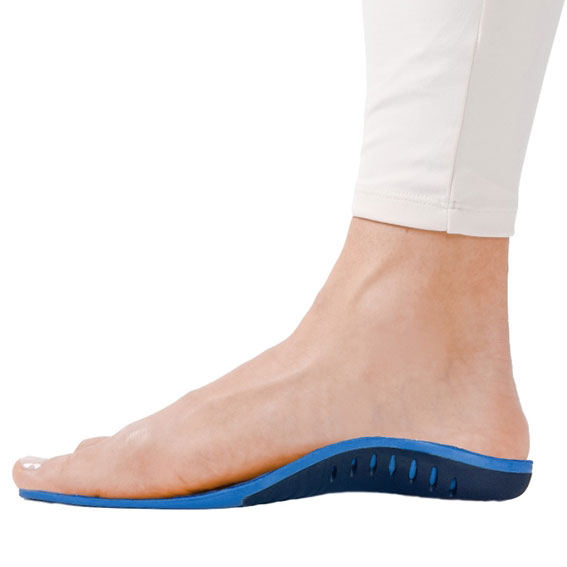
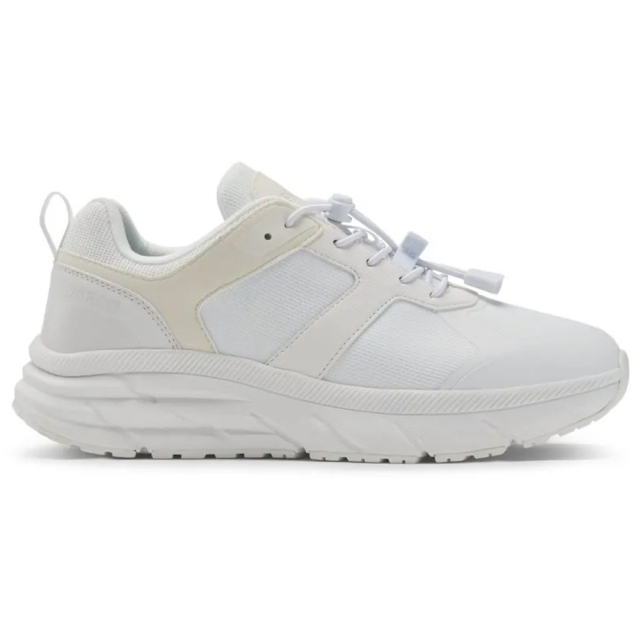
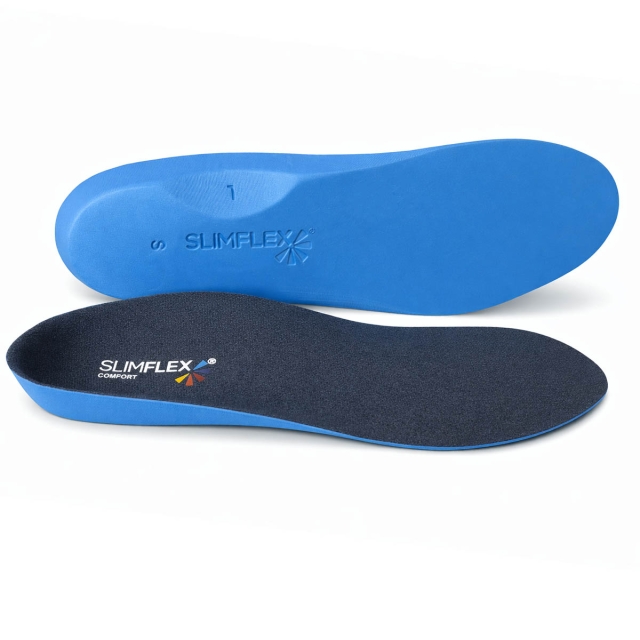
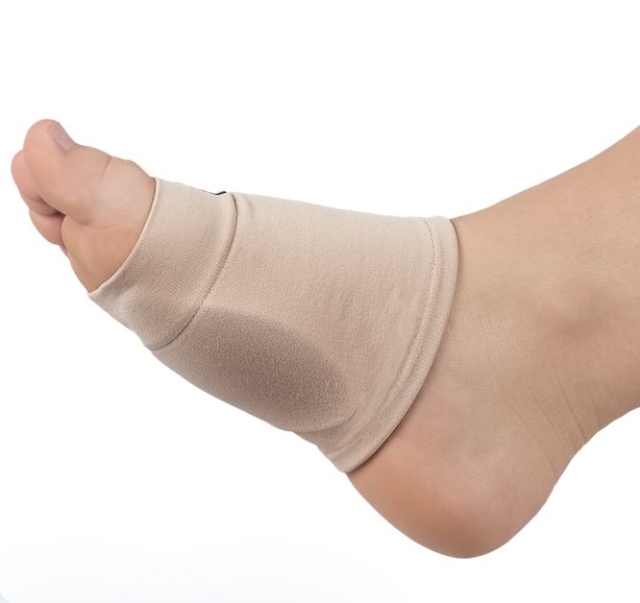
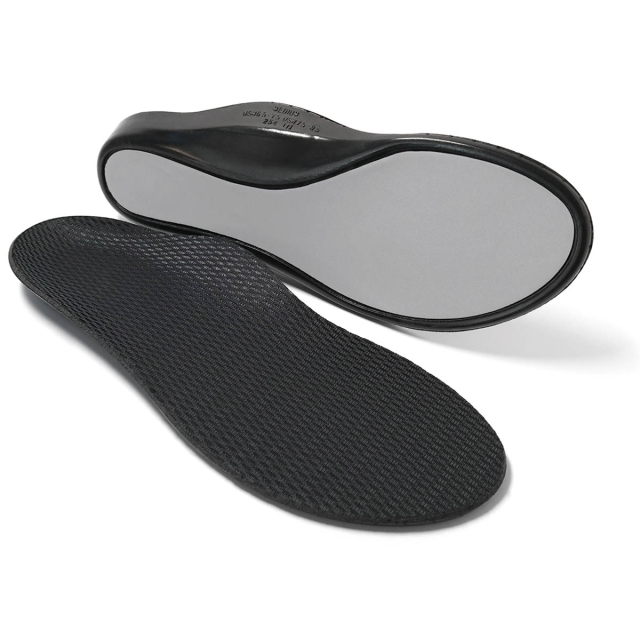
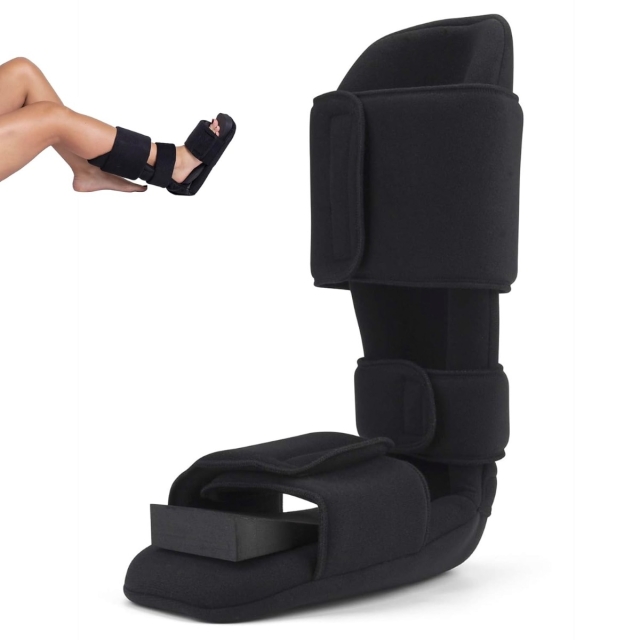
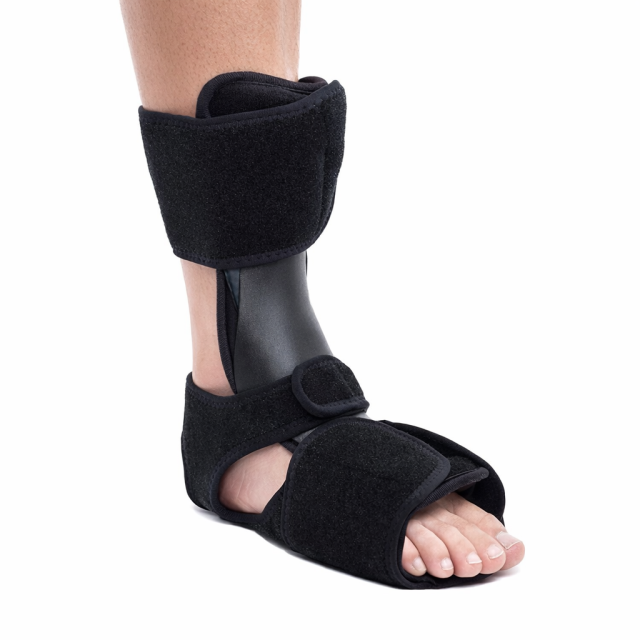
They can. Current NHS and clinical guidance still supports a stepped approach for plantar heel pain, where exercises are often combined with footwear changes, orthoses or night support when symptoms persist. For many people, supportive daytime cushioning or arch support can reduce strain through the heel while the foot gets stronger.
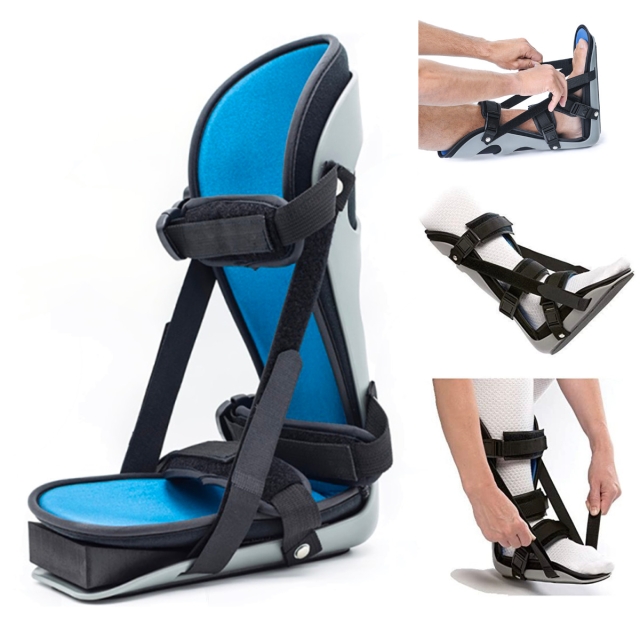
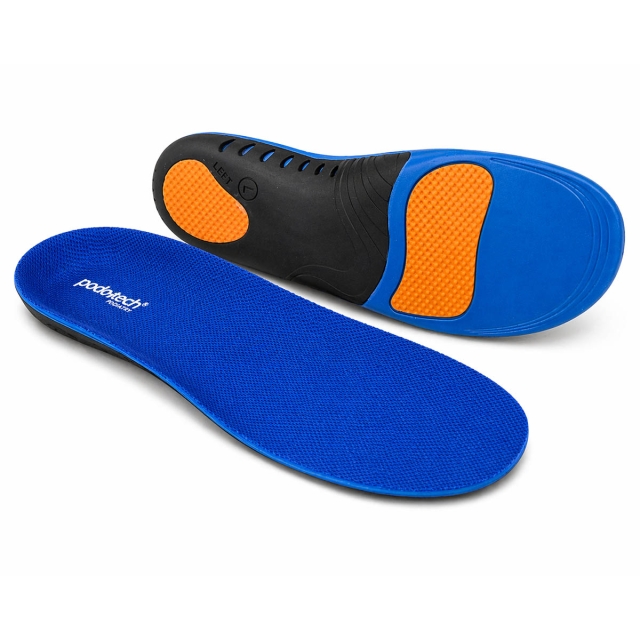
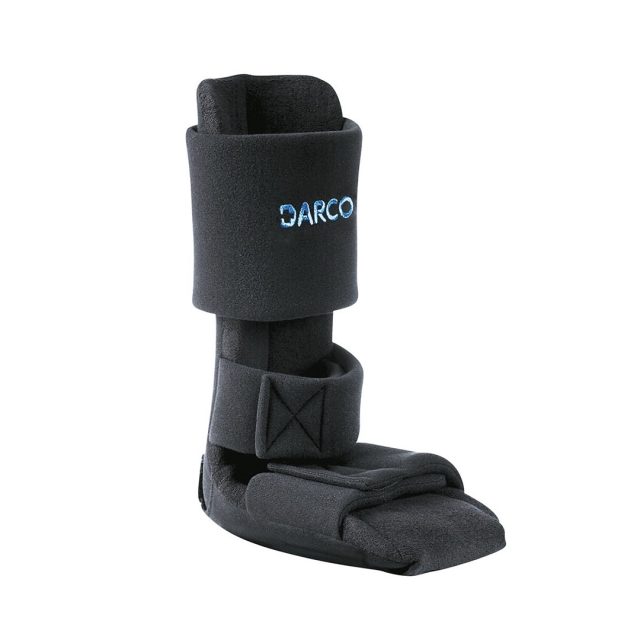
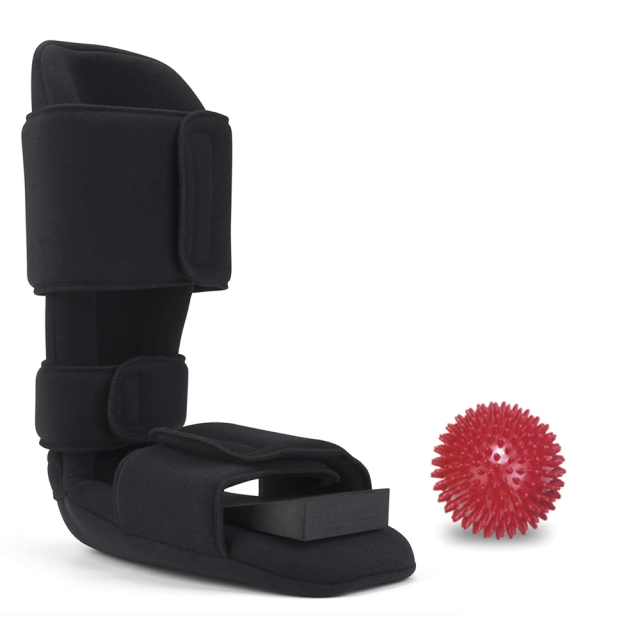
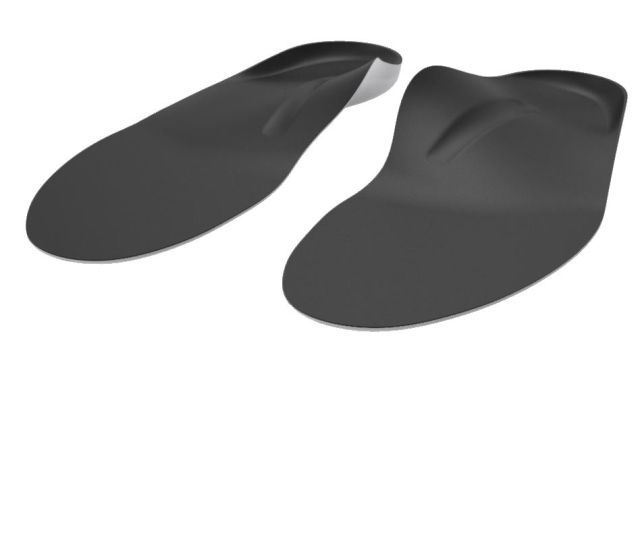
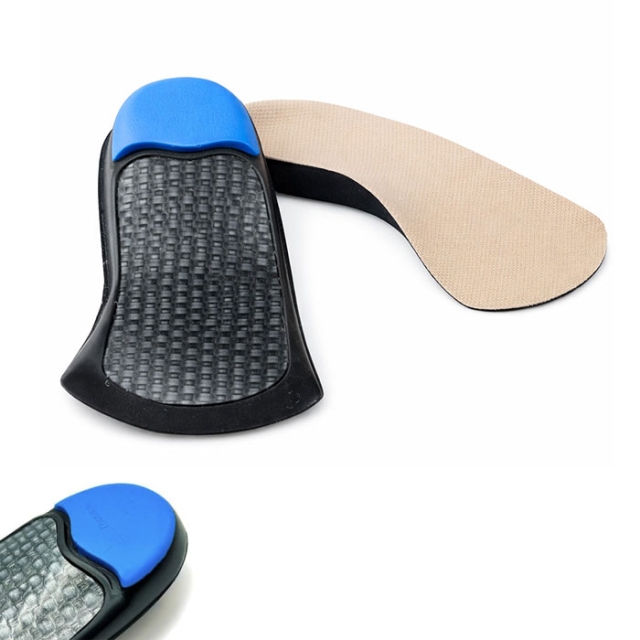
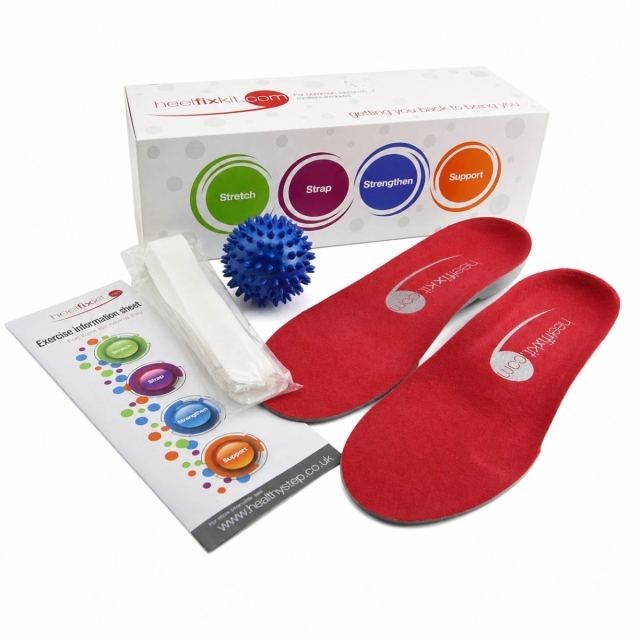
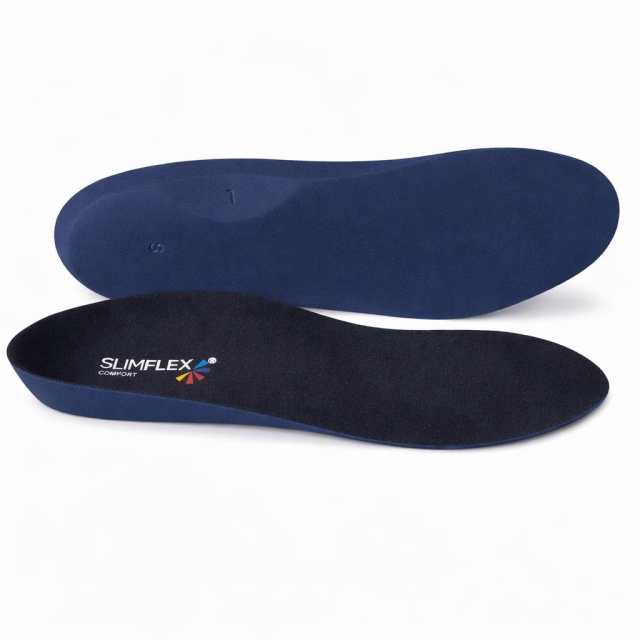
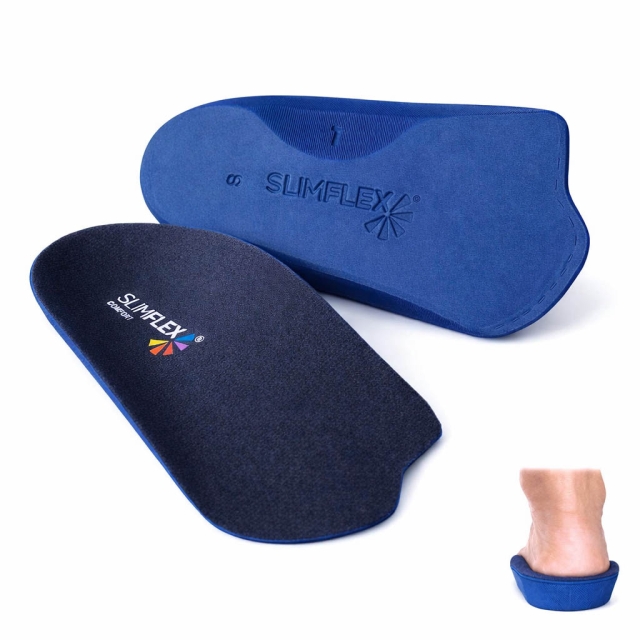
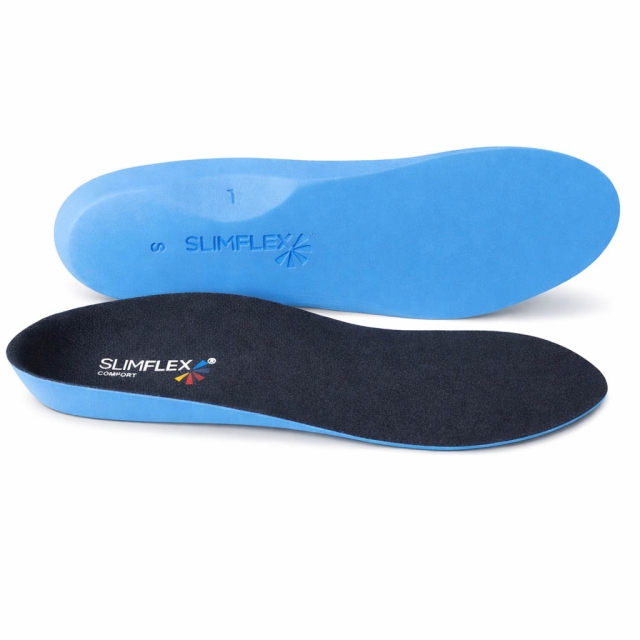
If heel pain is aggravated by walking or long periods on your feet, plantar fasciitis insoles may help improve comfort during the day. If your biggest problem is sharp pain first thing in the morning, night splints are sometimes considered as part of a wider plan.
For a fuller range of stretching and recovery tools, see home therapy aids for plantar fasciitis.
Exercises still matter. Supports are usually most helpful when they are used to make movement more comfortable while you continue with the stretching and strengthening work that addresses the underlying load on the plantar fascia.
When should plantar fasciitis be assessed by a clinician?
Most cases improve gradually, but it is sensible to seek professional advice if your symptoms are severe, returning repeatedly, or not settling with self-care. This is particularly important if pain has lasted more than a couple of weeks without improvement, or if you also notice numbness, tingling or difficulty weight-bearing.
A podiatrist, physiotherapist or GP can help check whether the pain is truly plantar fasciitis or whether another cause of heel pain needs to be considered. They can also guide progression if you are unsure whether to increase exercise resistance, add insoles, or modify activity levels.
Home Exercise Equipment on Algeos.com
Home Exercise Equipment
Products for at home workouts and rehab.
Foam Rollers
Foam rollers are essential for enhancing physical health.
Wrist and Ankle Weights
Wearable fitness accessories designed to add resistance to your workouts.
EVA Gym Mats
Mats are essential exercise tools providing a comfortable and supportive surface.
Resistance Band
Essential tools for boosting strength, flexibility and mobility.
Sold: Each
Incl. VAT Exl. VAT