



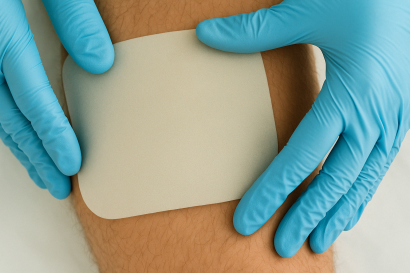
Hydrocolloid dressings are well-known in wound care. They help create a moist healing environment, which is important for tissue healing.
These dressings contain gel-forming agents such as gelatin, pectin, and carboxymethylcellulose. They work with wound fluid to create a protective gel layer. This not only maintains optimal moisture but also acts as a barrier against external contaminants.
Key Benefits of Hydrocolloid Dressings
1. Enhanced Healing Environment
Hydrocolloid dressings keep wounds moist. This helps the body remove dead tissue naturally. It also supports the growth of new tissue. This environment is particularly beneficial for partial-thickness wounds and superficial burns. Read the study here.
2. Pain Reduction
The cushioning effect of the gel layer formed by hydrocolloid dressings can alleviate pain by protecting nerve endings and reducing friction. Patients have reported increased comfort and satisfaction when using these dressings postoperatively. Study available here.
3. Protection Against Infection
Hydrocolloid dressings provide a barrier against bacteria and other external contaminants, reducing the risk of infection. However, their use in heavily infected wounds is not recommended, as the occlusive nature may exacerbate anaerobic bacterial growth. Learn more here.
4. Versatility in Application
Available in various forms—sheets, pastes, powders—hydrocolloid dressings can be tailored to fit different wound types and locations, including areas prone to movement like joints. Their flexibility and adhesive properties make them suitable for a range of wounds, from minor abrasions to pressure ulcers.
5. Reduced Dressing Changes
These dressings can remain in place for several days, depending on the wound's condition and exudate levels. This reduces the frequency of dressing changes, minimising disruption to the wound bed and enhancing patient comfort.
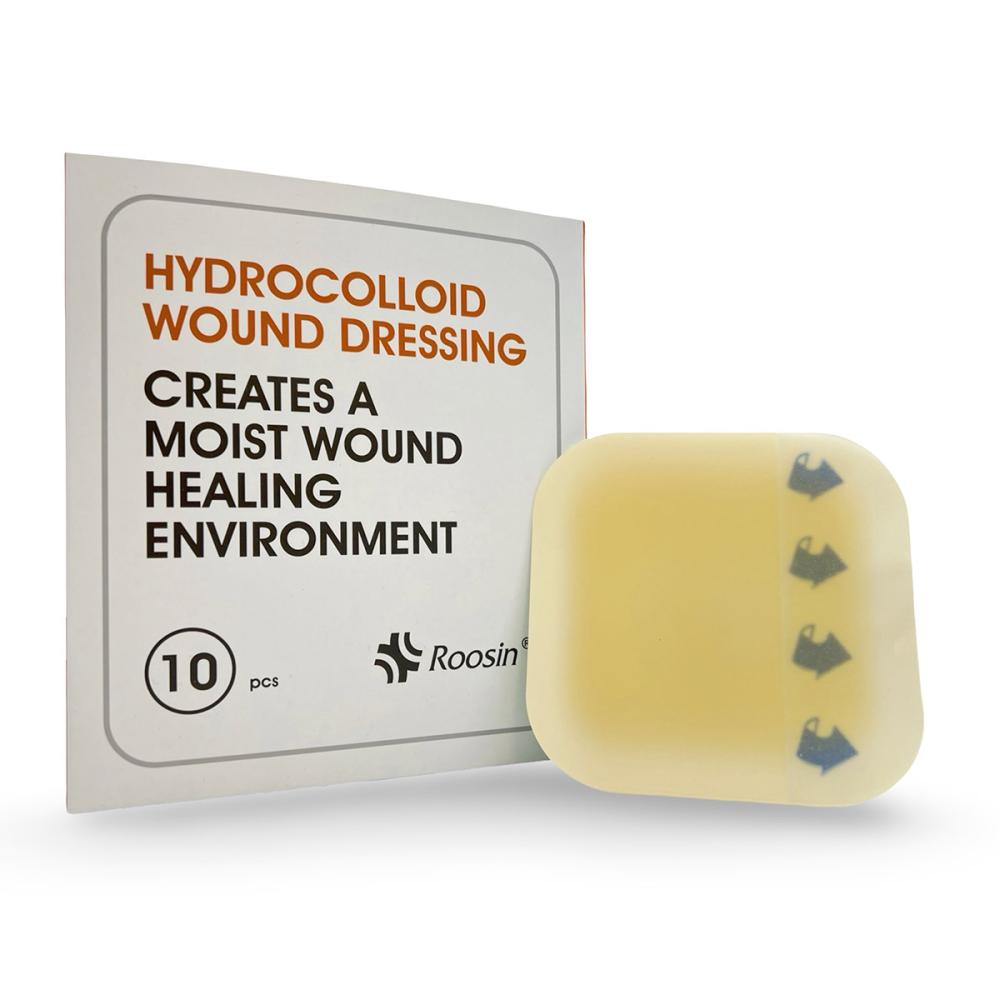
Specific Clinical Applications
Burn Management
Hydrocolloid dressings are effective in treating superficial and partial-thickness burns. They provide a moist environment that promotes healing and reduces pain. Studies have shown that hydrocolloid dressings can be as effective as silver sulfadiazine cream in burn treatment. Read more here.
Postoperative Wound Care
In postoperative settings, hydrocolloid dressings have been associated with improved patient satisfaction, offering benefits in comfort and ease of use compared to conventional dressings. Clinical findings here.
Pressure Ulcer Prevention
While hydrocolloid dressings are used in pressure ulcer prevention, studies have shown mixed results regarding their superiority over other preventive measures. Their cost-effectiveness compared to standard care remains a consideration. See the report.
When to Avoid Hydrocolloid Dressings
Hydrocolloid dressings are a great option for low-to-moderately exuding wounds, but they’re not the right choice for every clinical scenario. As a simple rule: if the wound needs frequent checking, active infection control or heavy fluid handling - a hydrocolloid is usually the wrong tool for the job.
- Suspected or confirmed infection (e.g., increasing pain, heat, spreading redness, swelling, pus, or a strong odour). Hydrocolloids are occlusive, which can mask infection changes and may not be appropriate where infection management is required.
- Heavily exuding wounds. Hydrocolloids are designed for low–moderate exudate; heavy fluid can cause early lifting, leakage, and skin maceration around the wound edges.
- Deep cavity wounds, undermining, or tunnelling. These often need different dressing types (or packing/filler systems) to manage depth safely and effectively.
- Fragile, already-macerated, or highly sensitive surrounding skin. The adhesive border and moisture-retentive seal can irritate delicate skin or worsen maceration if the wound is too wet.
- When frequent visual inspection is essential. Because the dressing can obscure the wound bed, it’s not ideal when you need regular direct assessment of tissue changes.
Usage and Removal
How to Apply a Hydrocolloid Dressing
- Clean the wound in line with local protocol - then gently pat the surrounding skin dry. Hydrocolloids stick best to clean, dry periwound skin.
- Choose the right size. Aim for the dressing to extend beyond the wound edges to create a reliable seal.
- Apply without stretching. Place the dressing centrally over the wound and smooth outward to reduce creases (creases = lifting).
- Warm it slightly with your hands. A little warmth helps adhesion and improves the seal - especially around toes, heels, and joints.
- Leave it in place. Hydrocolloids are designed to stay on for longer wear-time, reducing unnecessary disturbance to the wound bed.
When to Change It
- Change earlier if the edges lift, the dressing leaks, there’s increasing pain - or you see signs that suggest infection.
- Change routinely based on exudate levels and the product guidance. Many hydrocolloids can stay in place for several days if the seal remains intact.
How to Remove
- Loosen an edge and peel back slowly, keeping the dressing low and close to the skin (rather than pulling at it).
- Support the skin with your other hand as you peel - this reduces shear on fragile tissue.
- If it’s stubborn, use an adhesive remover suitable for skin, then continue gentle removal.
- Reassess the wound and surrounding skin before reapplying - especially checking for maceration or unexpected deterioration.
For background evidence referenced in this guide, see: Frontiers review on interactive wound dressings and the pressure-ulcer prevention trial published in Scientific Reports.
Conclusion
Hydrocolloid dressings offer a range of benefits in wound management, including promoting a moist healing environment, reducing pain, and providing a barrier against infection.
Their versatility makes them suitable for various wound types, from minor abrasions to postoperative wounds. However, careful patient selection and monitoring are essential to ensure optimal outcomes.
Staying informed about best practices and clinical evidence can help improve wound care results and patient comfort.
Wound Product Categories at Algeo.com
Medical Dressing Gauze – Versatile, absorbent gauze dressings for cleaning, packing and covering a wide range of acute and chronic wounds.
Dressing Tape for Wound Care – Adhesive fixation tapes designed to secure primary dressings in place, protect wounds and maintain patient comfort.
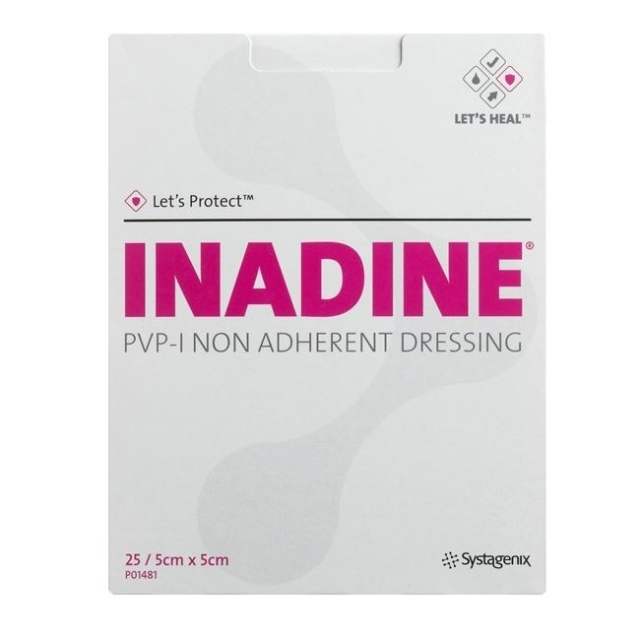
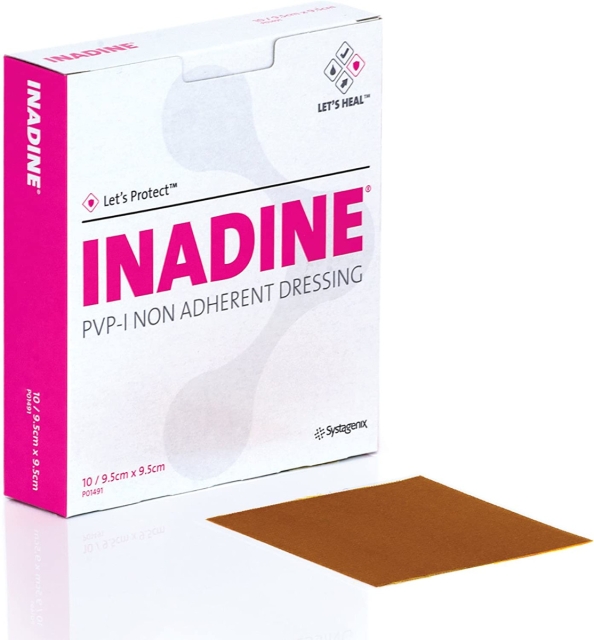
Non Adherent & Silicone Dressings – Low-trauma dressings that protect delicate tissue and minimise pain by preventing the dressing from sticking to the wound bed.
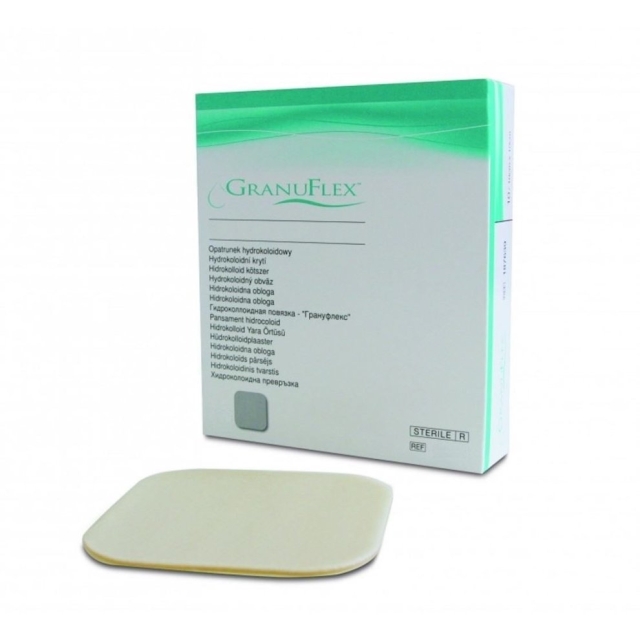
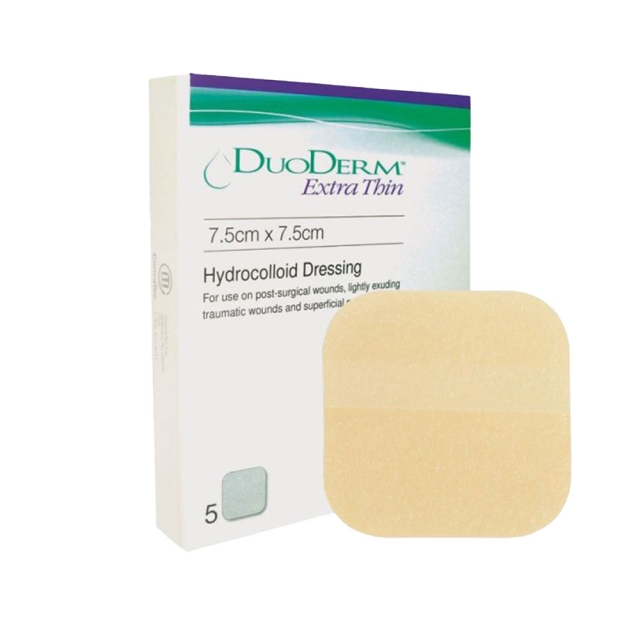
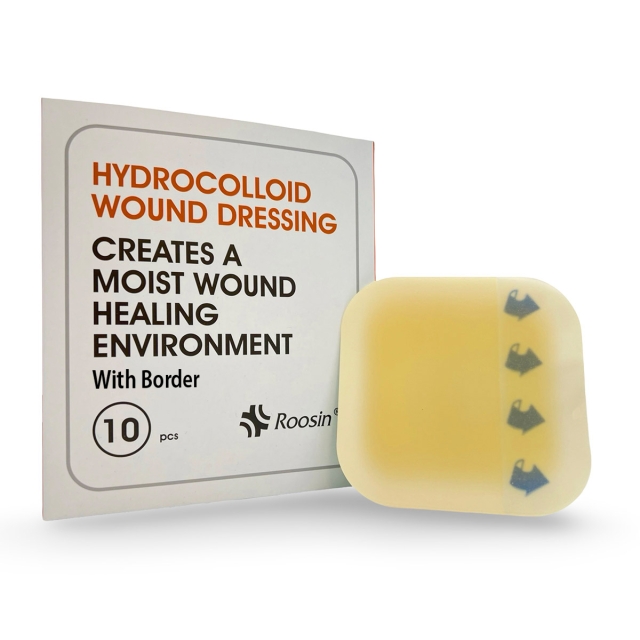
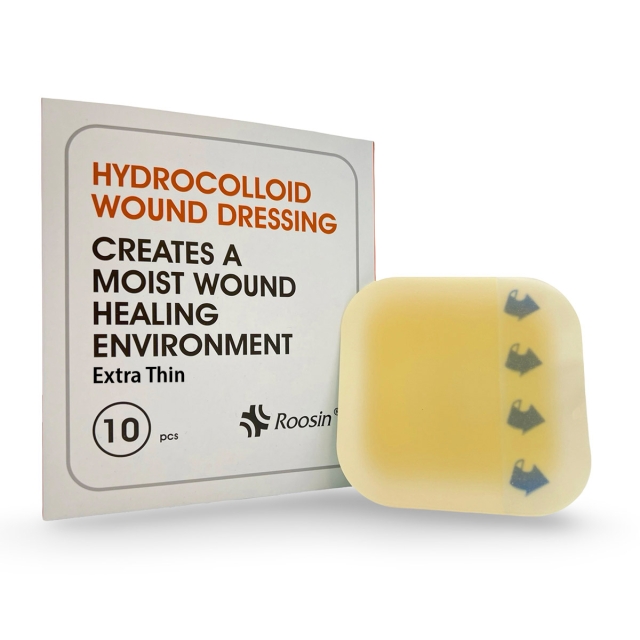
Hydrocolloid Wound Dressings – Gel-forming dressings that create a moist healing environment for low to moderately exuding wounds such as pressure ulcers and minor burns.
Bandages & Plasters – Comprehensive range of bandages and adhesive plasters for everyday wound protection, support and secure coverage of minor injuries.
Hydrogel Dressings Wound Care – Hydrating dressings that cool, soothe and re-moisturise dry or necrotic wounds while supporting gentle autolytic debridement.
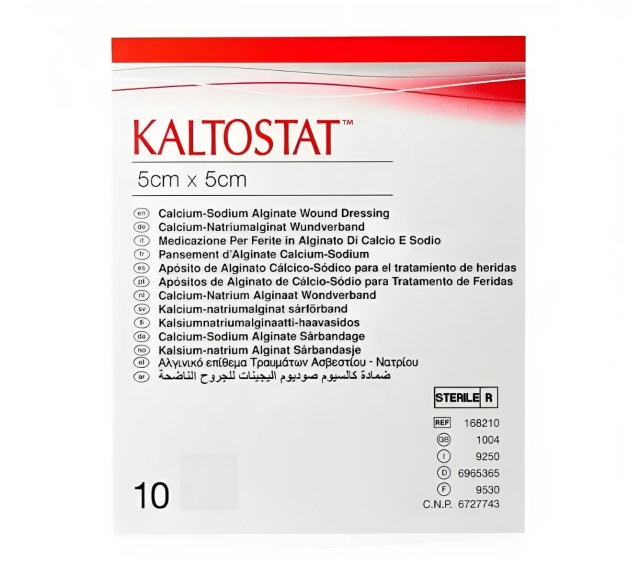
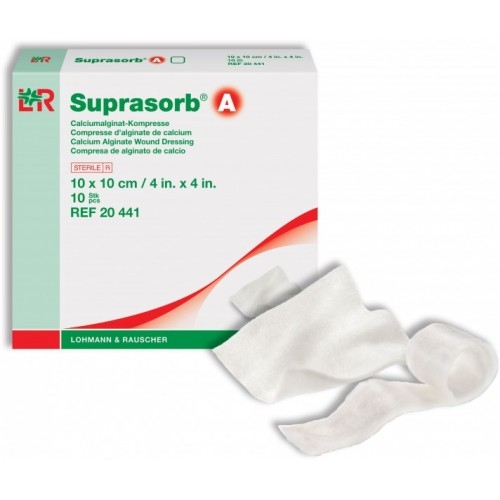
Alginate Wound Dressings – Highly absorbent seaweed-based dressings ideal for moderate to heavily exuding wounds, forming a gel that maintains a moist wound environment.
Transparent Dressings – Thin, waterproof film dressings that protect wounds from contamination while allowing easy visual monitoring of the wound site.
Foam Wound Dressings – Soft, absorbent foam dressings providing cushioning and exudate management for moderate to heavily exuding wounds such as ulcers and pressure sores.
Article revised January 25th 2026
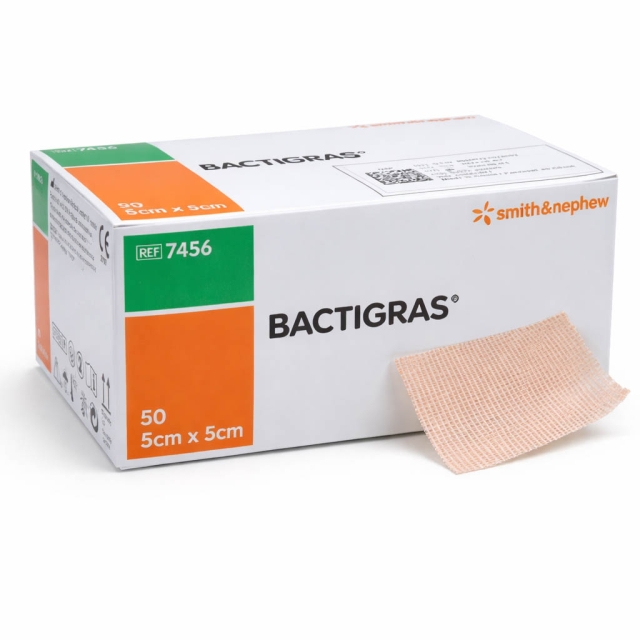
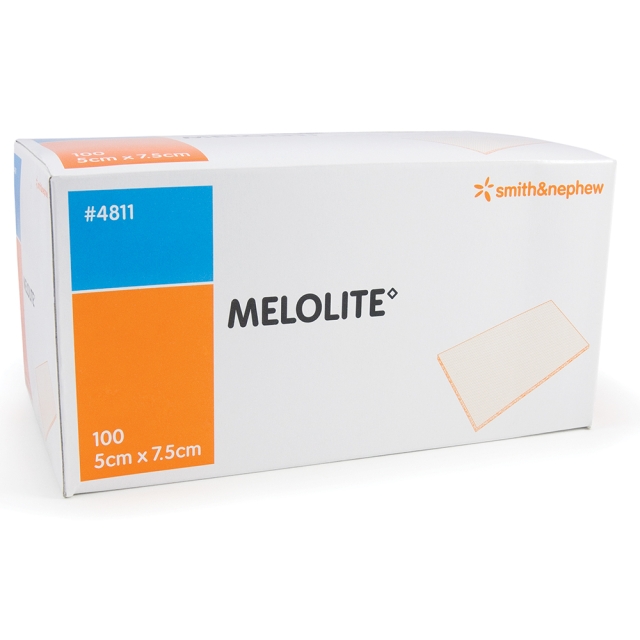


Sold: Pack of 50
Incl. VAT Exl. VAT