




Warming, Cooling and Pain Relief Gels Compared
Whether you are recovering from a demanding training session or managing everyday muscular discomfort, the right muscle rub can offer welcome temporary relief. This guide compares warming creams, cooling gels, medicated treatments and sports massage balms to help athletes, physiotherapists and active individuals choose appropriately.
What Is a Muscle Rub?
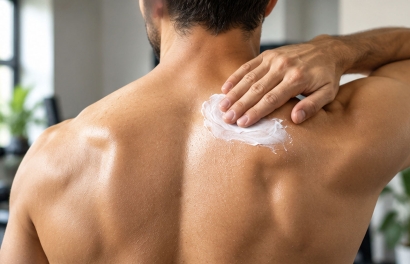
A muscle rub is a topical cream, gel or balm applied to the skin to relieve minor muscle aches, joint discomfort or stiffness. Some contain medicines that reduce pain and inflammation while others produce warming or cooling sensations. They may improve comfort but do not replace injury assessment or rehabilitation.
How Do Muscle Rubs Work?
Muscle rubs work through different mechanisms depending on their ingredients.
Warming rubs commonly contain methyl salicylate, menthol or aromatic oils. They stimulate sensory receptors and create a perception of warmth that may make tight muscles feel more comfortable. This sensation should not be confused with healing deeper tissue.
Cooling gels frequently contain menthol, which activates cold-sensitive receptors in the skin. This cooling sensation can temporarily modify how discomfort is perceived without necessarily reducing underlying inflammation.
Medicated gels containing diclofenac or ibuprofen work differently. These non-steroidal anti-inflammatory drugs (NSAIDs) inhibit prostaglandin production and can reduce local pain and inflammation.
Clinical guidance from the American College of Physicians and American Academy of Family Physicians recommends topical NSAIDs as a first-line treatment for acute non-low-back musculoskeletal injuries in adults.
Best Muscle Rubs for Sports: Our Top Choices
1. Deep Heat Heat Rub - Best for Muscular Stiffness
Deep Heat is a familiar UK option for muscular aches and stiffness. Its ingredients include methyl salicylate, menthol, eucalyptus oil and turpentine oil.
It produces warming relief that may be particularly appealing for stiff shoulders, tight calves or general muscular discomfort after exercise. Because it contains methyl salicylate, it should not be considered a purely cosmetic warming cream.
Best for: Muscular stiffness and general aches rather than a newly swollen injury.
2. Biofreeze Pain Relief Gel - Best Cooling Option
Biofreeze offers a cooling alternative for people who dislike warming creams. Its formulation produces a cold sensation and is marketed for temporary relief of minor muscular and joint discomfort.
The gel and roll-on formats can be convenient for applying product to targeted areas after running, gym sessions or repetitive activity.
Best for: Temporary cooling comfort and mild post-exercise discomfort.
3. Voltarol Back & Muscle Pain Relief Gel - Best Medicated Option
Voltarol Back & Muscle Pain Relief 1.16% Gel contains diclofenac diethylammonium, a topical NSAID. It is licensed for local symptomatic relief of pain and inflammation associated with sprains, strains, bruises and other musculoskeletal conditions.
This makes it a more evidence-based option when inflammation contributes to a minor sports injury. However, it is not appropriate for everyone, particularly people with certain NSAID allergies or medical conditions.
Best for: Localised inflammatory pain where a topical NSAID is suitable.
4. Ibuprofen Gel - Best Alternative Anti-Inflammatory
Ibuprofen gels are another established option for muscular pain and minor sports injuries. Different strengths and formulations are available in UK pharmacies.
These products can be useful for localised sprains and strains without taking an oral medicine. Although systemic exposure is generally lower than with tablets, side effects and interactions remain possible.
Best for: Targeted treatment of minor inflammatory pain following pharmacist advice.
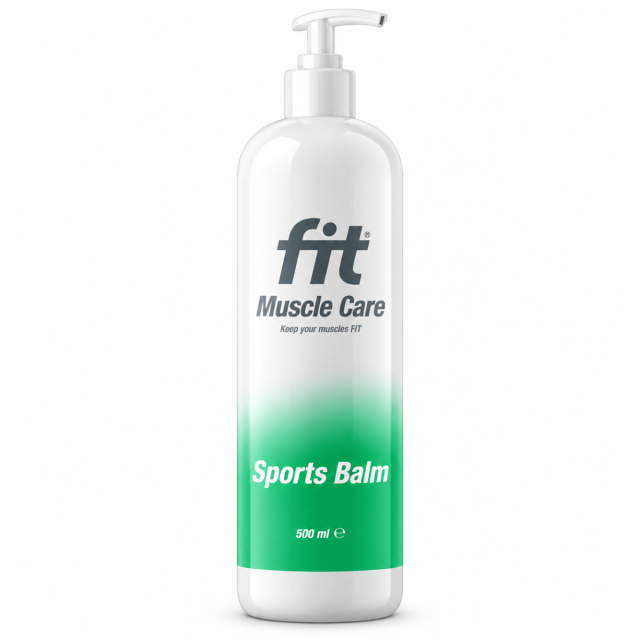
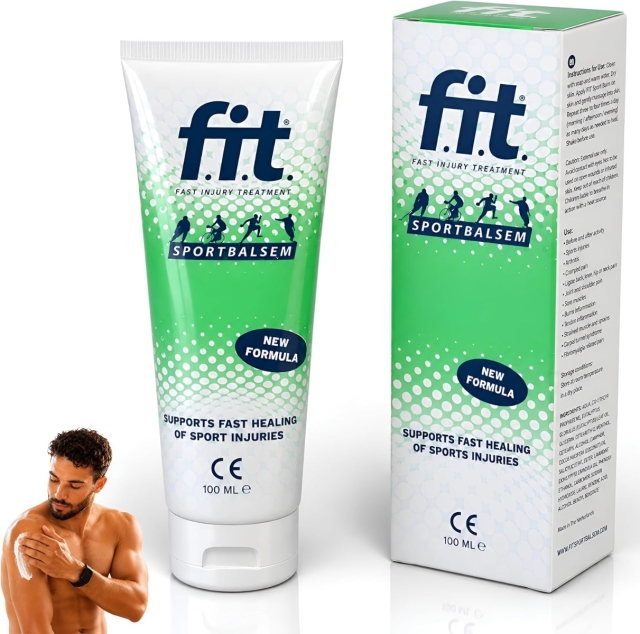
5. FIT Sports Balm Muscle Rub - Best for Sports Massage
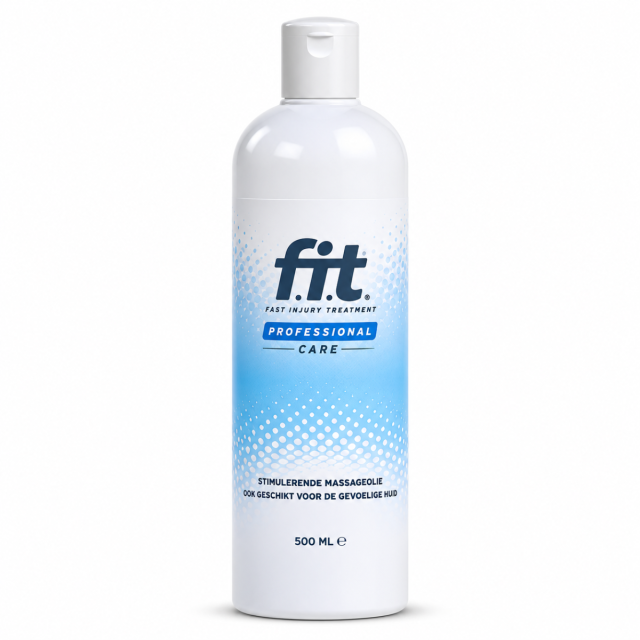
FIT Sports Balm is available through Algeos in portable 100ml and professional-sized formats. It offers a practical option for sports massage routines and individuals who prefer a balm rather than a conventional medicated gel.
For clinicians and sports therapists, product texture, application control and suitability for repeated massage sessions are important considerations.
Best for: Massage-based muscle care and general sporting use.
Explore muscle rubs and sports balms at Algeos.
6. Arnica, Magnesium and CBD Balms - Best Considered as Complementary Options
Natural recovery products may contain arnica, magnesium or cannabidiol (CBD). These ingredients attract interest among athletes seeking alternatives to conventional medicines.
However, evidence supporting faster sports recovery is limited. A 2025 randomised pilot study found no significant recovery advantage from topical CBD cream. More recent research has also found little evidence of reduced delayed-onset muscle soreness.
Best for: Those who enjoy non-medicated massage products and understand their evidence limitations.
Muscle Rub Comparison Table
| Muscle Rub | Type | Best Use | Evidence Position |
|---|---|---|---|
| Deep Heat | Warming medicated rub | Stiff muscles and aches | Temporary symptomatic relief |
| Biofreeze | Cooling gel | Minor soreness and discomfort | Cooling-related symptom relief |
| Voltarol 1.16% | Diclofenac NSAID | Local pain and inflammation | Strong clinical support for topical NSAIDs |
| Ibuprofen Gel | NSAID gel | Sprains and strains | Established anti-inflammatory treatment |
| FIT Sports Balm | Sports massage balm | Massage and muscle care | Product-specific clinical benefit not established here |
| Arnica, magnesium or CBD balm | Complementary topical | Personal comfort | Limited or inconsistent evidence |
Which Muscle Rub Should You Choose?
The most suitable product depends on whether your symptoms involve ordinary muscle soreness, stiffness or a possible injury.
Normal delayed-onset muscle soreness (DOMS) usually develops after unfamiliar or demanding exercise and typically settles within several days. Sudden sharp pain, marked swelling or loss of function requires a different approach.
During the first couple of days after a sprain or strain, NHS guidance advises avoiding heat and massage because these may aggravate swelling. A cooling sensation from a gel is not equivalent to applying an ice pack.
Step-by-Step: How to Apply Muscle Rub Safely
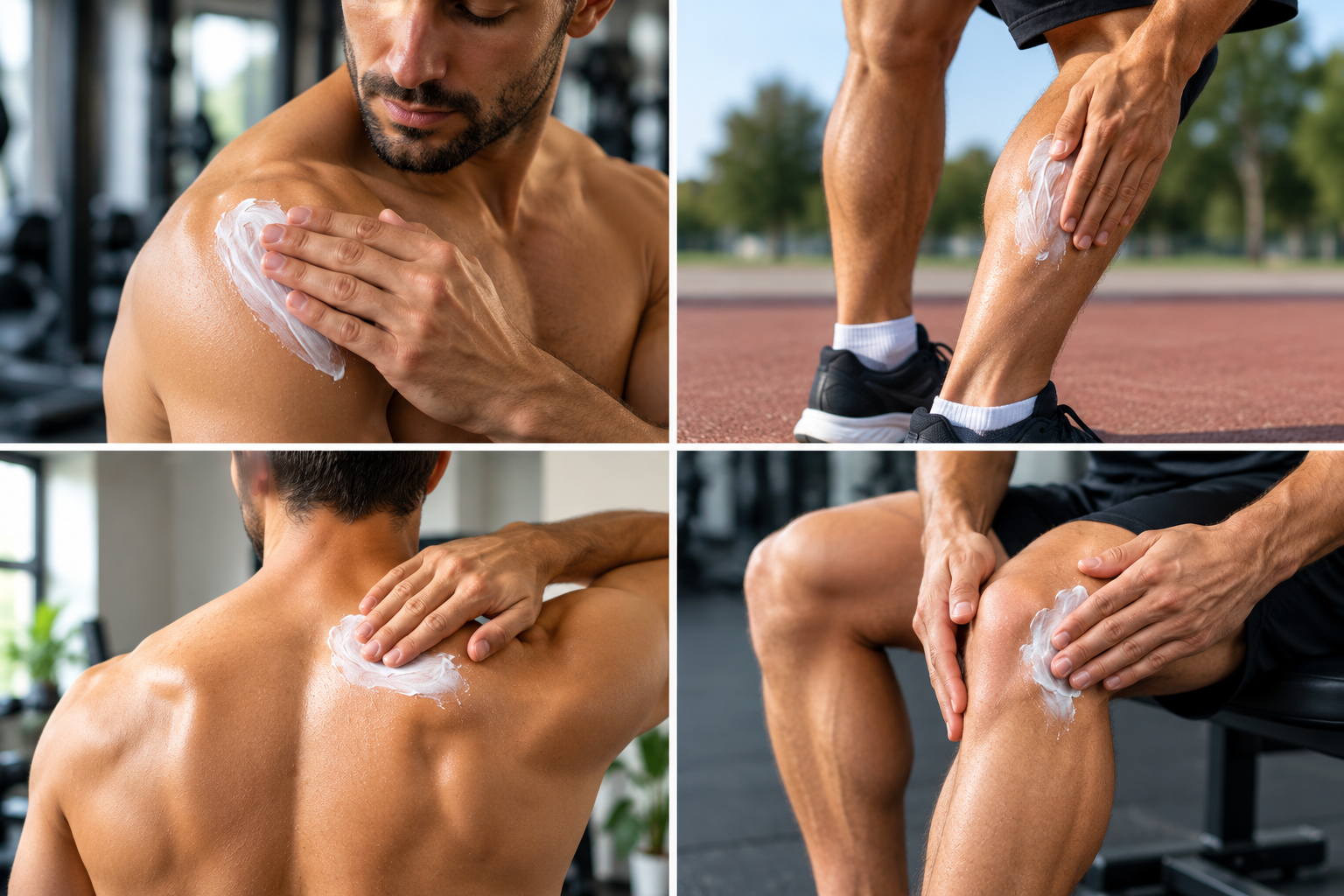
- Identify the problem. Check whether discomfort is ordinary soreness or may indicate injury.
- Read the label. Confirm ingredients, age restrictions, contraindications and application frequency.
- Check your skin. Never apply to open wounds, broken skin or irritated areas.
- Apply the recommended amount. Spread gently over the affected area without aggressive pressure.
- Allow absorption. Avoid tight dressings, heating pads or combining products unless specifically permitted.
- Wash your hands. Prevent accidental transfer to the eyes, mouth or other sensitive areas.
- Review your symptoms. Stop using the product if irritation occurs and seek professional advice if pain persists or worsens.
What Do Users Say About Muscle Rubs?
Consumer feedback commonly focuses on the sensation, texture, smell and convenience of muscle rubs. Some people prefer the reassuring warmth of traditional rubs while others favour cooling gels after exercise.
Roll-on applicators may appeal to users who want to avoid transferring product to their hands. Sports therapists may prioritise a balm that spreads easily during massage.
However, positive reviews do not establish clinical effectiveness. A product that feels stronger or produces more intense heat is not necessarily more effective at reducing inflammation or supporting tissue recovery.
Muscle Rubs and Sports Recovery: What Else Matters?
Muscle rubs should form part of a broader recovery strategy rather than becoming the main treatment.
Appropriate exercise progression, sufficient sleep, nutrition and gradual return to activity all contribute to recovery. For a confirmed injury, rehabilitation may also involve progressive strengthening and professional assessment.
Massage tools and foam rollers may offer additional comfort for some users. Browse Algeos massage therapy supplies for complementary equipment.
Seek urgent medical help for severe deformity, loss of sensation, inability to bear weight or concerning swelling. Do not use a muscle rub to mask pain and continue activity that could worsen an injury.
Frequently Asked Questions
What is the most effective muscle rub for sports injuries?
Topical NSAID gels containing diclofenac or ibuprofen have stronger clinical evidence for minor acute musculoskeletal injuries than non-medicated sensory rubs. Suitability depends on the individual.
Is Deep Heat or Biofreeze better?
Neither is universally better. Deep Heat provides warming relief whereas Biofreeze produces cooling comfort. Choose according to symptoms, preferences and product precautions.
Should I use muscle rub before or after exercise?
Warming rubs may feel pleasant before activity but cannot replace a proper warm-up. Cooling gels may provide temporary comfort afterwards. Avoid warming rubs and massage on fresh swollen injuries.
Do muscle rubs speed up recovery?
Many relieve symptoms without accelerating muscle repair. Topical NSAIDs can reduce pain and inflammation but rehabilitation and appropriate activity remain important.
Are natural muscle rubs effective?
Evidence for arnica, magnesium sprays and topical CBD remains limited or inconsistent. Natural ingredients can also cause allergic reactions or skin irritation.
Can I apply muscle rub every day?
Some products permit several daily applications for a limited period. Always follow the individual product instructions and seek advice if symptoms continue.
Final Verdict: Which Muscle Rub Is Best?
For muscular stiffness, a warming rub such as Deep Heat may provide welcome comfort. For people who prefer a cooling sensation, Biofreeze is a practical alternative. When a minor injury involves pain and inflammation, a suitable topical NSAID such as diclofenac or ibuprofen has the strongest supporting evidence.
For regular massage and general muscle care, FIT Sports Balm provides another option within the Algeos range. Ultimately, the best muscle rub is one that matches your symptoms, is safe for you and supports rather than replaces sensible recovery.
References and Research Sources
- NHS - Sprains and strains: treatment and self-care.
- NHS - Non-steroidal anti-inflammatory drugs.
- ACP and AAFP - Clinical guideline for acute musculoskeletal pain (2020).
- Multidisciplinary guidelines for topical NSAIDs (2022).
- Voltarol 1.16% Gel - Summary of Product Characteristics.
- Mentholatum - Deep Heat Heat Rub product information.
- Pastina et al. - Topical CBD and muscle recovery (2025).
- Randomised pilot study of topical CBD after exercise-induced muscle damage (2026).




Sold: Each
Incl. VAT Exl. VAT