



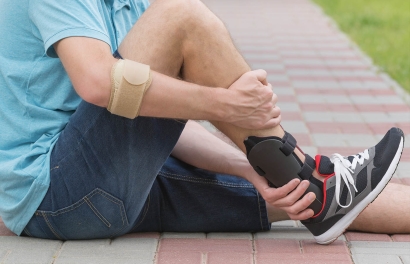
Ankle sprains are a stubborn part of sport. Bracing is one practical way to lower risk and steady confidence while you restore strength and control.
This guide explains how ankle braces work, who benefits and how to choose and fit them well.
Definition
- Ankle support brace
- A wearable device that surrounds the ankle - sometimes with uprights along the lower leg or foot - to limit excessive inversion and eversion, provide compression and improve perceived stability during sport or rehabilitation.
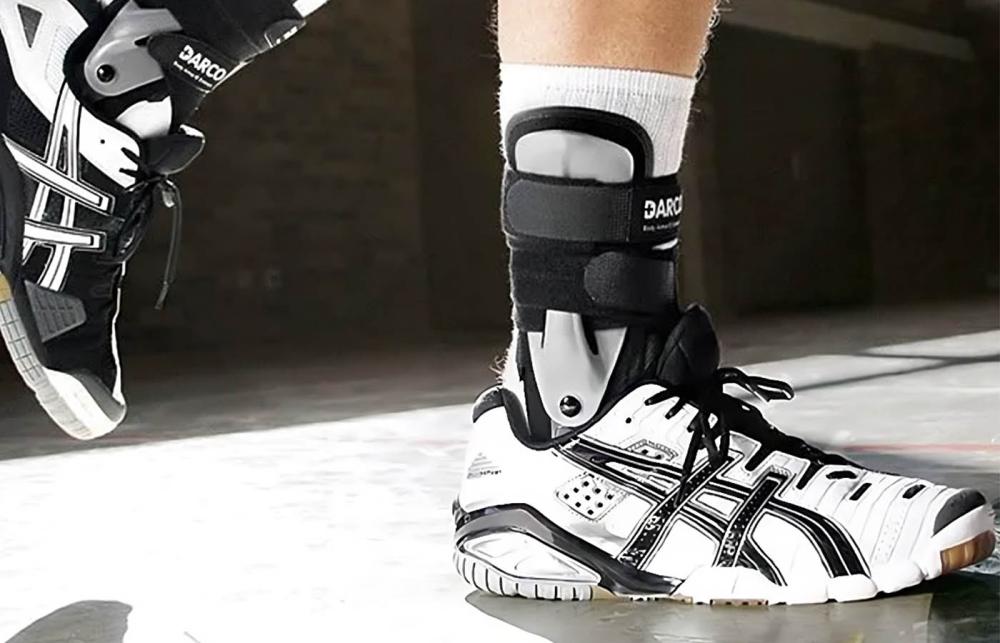
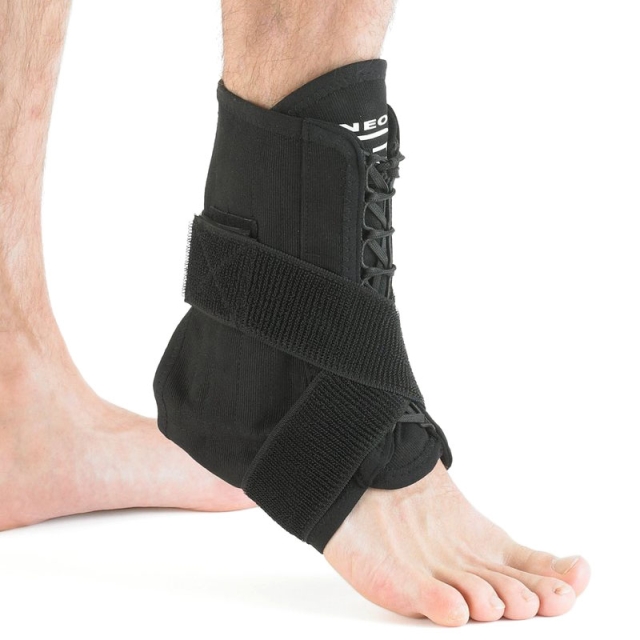
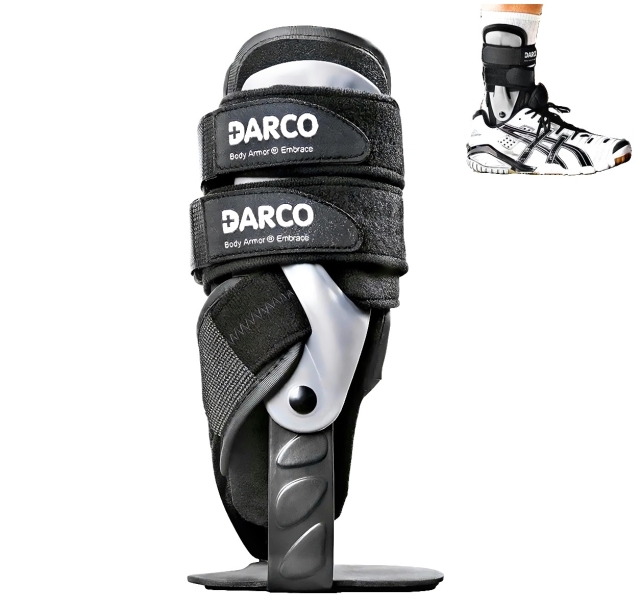
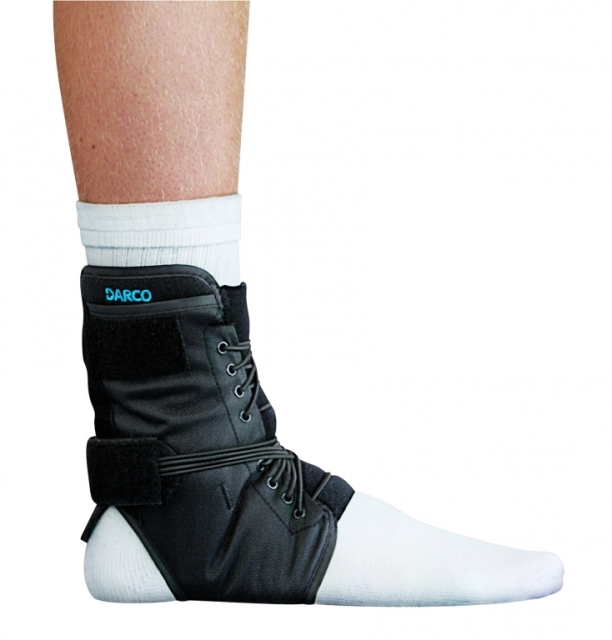
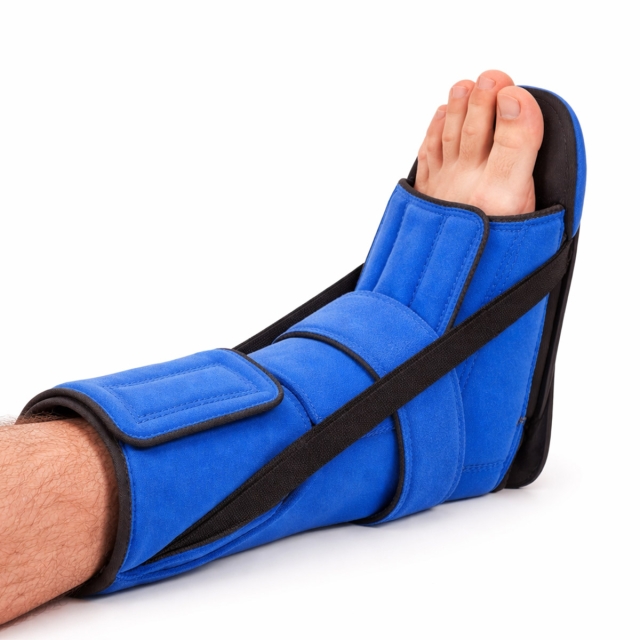
Braces can be sleeves, lace-up fabric shells or semi-rigid designs with straps or stirrups. Choice depends on injury history, sport demands and footwear.
How it works and why it matters
Mechanisms
External supports reduce end-range ankle inversion and eversion that drive most lateral sprains.
In people with chronic ankle instability, a semi-rigid brace reduces peak inversion angles and velocities during cutting and landing tasks compared with no brace or a soft sleeve Journal of Foot and Ankle Research 2021.
This mechanical constraint is paired with compression that can enhance proprioceptive feedback.
Effect on injuries
Field data show fewer acute ankle injuries when athletes wear lace-up braces. A large randomised trial in high school basketball reported lower ankle injury incidence in the braced group without increases in other lower limb injuries Am J Sports Med 2011 and the open-access summary is available via Europe PMC.
Systematic reviews and guidelines support external supports as part of both primary and secondary prevention strategies, especially when combined with exercise therapy BJSM 2017 BJSM 2018 guideline update.
Performance questions
Concerns about slower speed or reduced jump height are common. Laboratory and field studies increasingly show that well-fitted modern braces have minimal to no meaningful effect on common functional performance tests in most athletes, while reducing risky end-range movement.
The net balance usually favours bracing when risk is high or confidence is low.
Clinical note - Bracing supports but does not replace rehabilitation. NICE and NHS resources emphasise protection with supports early on and progressive loading with exercise during recovery NICE CKS - Sprains and strains NHS - Sprains and strains.
What users say
- More secure on cuts and landings - Athletes with prior sprains often report less giving way, which aligns with reduced inversion seen in motion analyses with semi-rigid designs JFAR 2021.
- Worry about bulk in tight boots - Football boots and track spikes can be unforgiving. Slim lace-up shells or low-profile figure-8 straps tend to integrate better than wide uprights in narrow lasts.
- Confidence during return to play - Short-term use alongside neuromuscular training is common practice in athletic training guidance NATA Position Statement.
- Do I get dependent on it - Dependence is a risk if rehab is skipped. Guidelines frame braces as an adjunct while you rebuild capacity BJSM 2018.
Step-by-step guide
- Profile the risk
Count previous sprains, episodes of giving way and sport exposures that include cutting, contact or repeated landings. Screen balance, strength, calf function and proximal control. Note footwear constraints and playing surface.
- Set the objective
Primary prevention when risk is high, secondary prevention when sprains are recurrent, or transitional support in a return-to-sport plan. Align brace choice with the objective.
- Choose a brace type
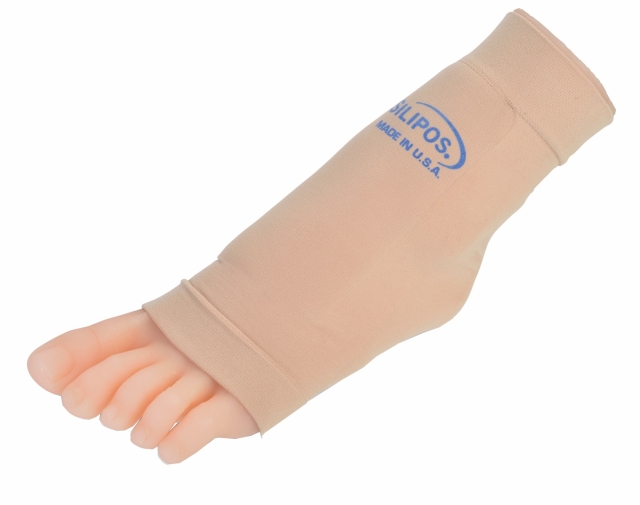
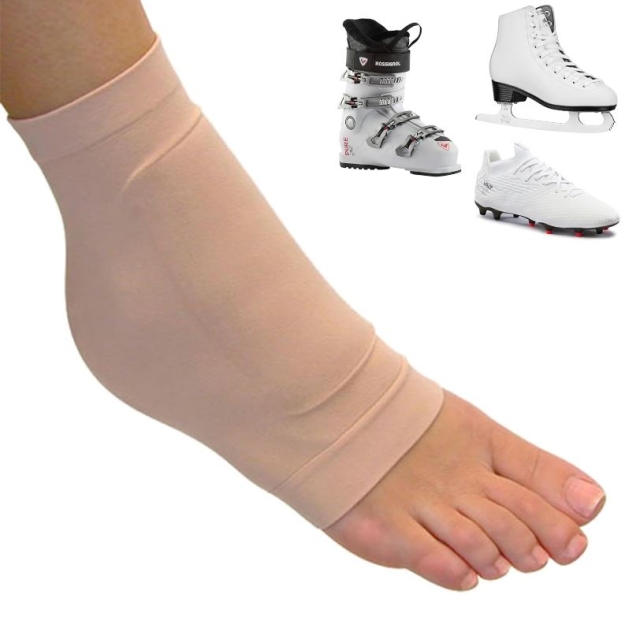
- Compression sleeve - comfort and warmth for low-risk training (neoprene is the norm). Minimal motion control.
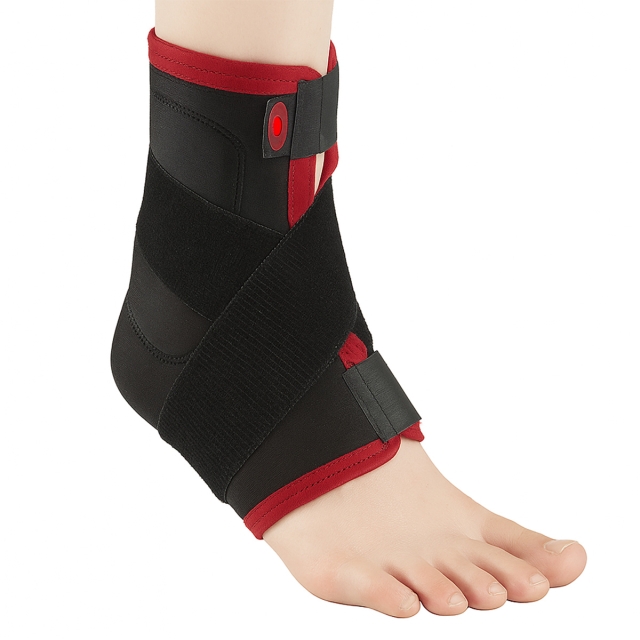
- Lace-up soft-shell - fabric body with figure-8 straps. Moderate control with good boot compatibility.
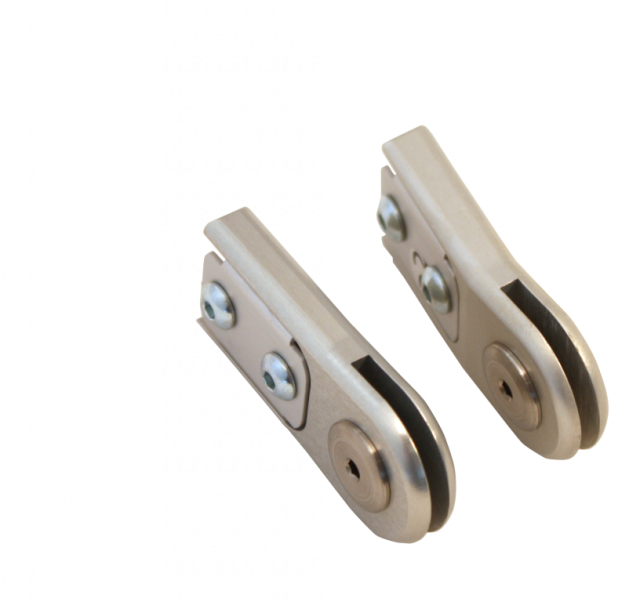
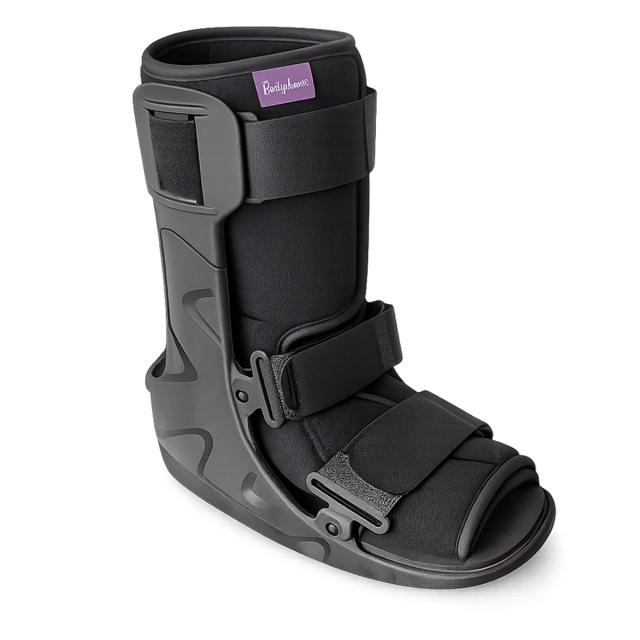
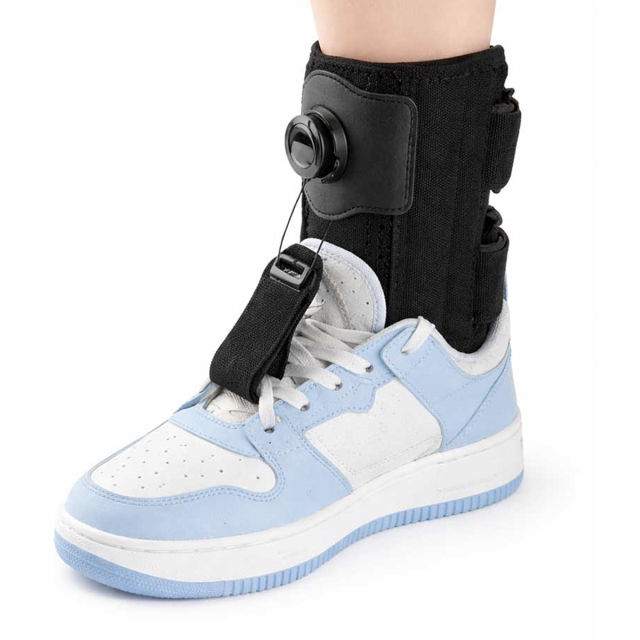
- Semi-rigid uprights or stirrups - higher control for cutting sports and chronic instability. Shown to reduce inversion angle and velocity in dynamic tasks JFAR 2021.
- Size and fit
Use the manufacturer’s chart. Fit over the sock unless instructed otherwise. Tighten laces or straps to snug without numbness or colour change. Check talocrural crease comfort and heel cup position.
- Functional check
Before competition, test sport-specific actions: acceleration, cut, jump and land, backpedal. Confirm no heel lift in the boot and no strap migration. If motion feels blocked in mid-range, consider a less rigid model.
- Integrate with rehab
Pair bracing with balance work, peroneal strengthening, hopping progressions and change-of-direction drills. Combined approaches provide additive protection in secondary prevention BJSM 2017.
- Review and wean
Reassess every 4 to 6 weeks. If there is no giving way, swelling is controlled and hop tests are symmetrical, step down support or reserve for high-risk matches. Use clinical judgement - there is no universal stop-date NICE CKS.
Comparison tables
| Brace type | Support level | Best for | Pros | Watch-outs |
|---|---|---|---|---|
| Compression sleeve | Low | Low-risk training and warm-up and mild swelling control | Very low bulk and easy in tight boots and inexpensive | Minimal motion control and may not help recurrent sprains |
| Lace-up soft-shell with figure-8 | Moderate | General court and field sports and mild-moderate instability | Reusable and consistent support and fits most shoes | May warm the foot and needs retensioning for long sessions |
| Semi-rigid stirrup or upright | High | Recurrent sprains and chronic ankle instability and return to play | Limits risky inversion velocity and angle in dynamic tasks | Bulkier in narrow boots and can feel restrictive if oversized |
Evidence base includes randomised and controlled studies for injury reduction with lace-up designs Am J Sports Med 2011 and biomechanical reduction of inversion with semi-rigid designs JFAR 2021.
| Feature | Bracing | Taping |
|---|---|---|
| Support consistency across session | Relatively stable | Can loosen with sweat and movement |
| Reusability and cost over season | Reusable and cost-effective long term | Ongoing tape and underwrap costs |
| Custom feel | Adjustable straps and sizes | Highly custom with skilled taper |
| Skin issues | Less adhesive-related irritation | Possible skin stress or allergy |
| Evidence for prevention | Supported by RCTs and guidelines | Supported by trials and reviews |
Both are recognised in clinical guidance for prevention and return-to-sport planning BJSM 2018 NATA 2013.
FAQ
- Will an ankle brace slow me down or reduce agility
- Usually not in a meaningful way when fit is correct. The purpose is to trim off risky extremes of inversion and eversion while letting you run and jump. Field studies demonstrate reduced injuries with lace-up braces without rises in other lower limb injuries Am J Sports Med 2011.
- Who benefits most from wearing a brace during sport
- Athletes with a prior sprain or chronic instability benefit most. Semi-rigid models are particularly helpful when instability is evident in testing or history JFAR 2021.
- How long should I keep using a brace
- There is no universal stop-date. Use through high-risk phases and reassess. As strength, balance and hop performance normalise, you can step down support or save the brace for matches. Follow recognised management advice for staged loading and protection NICE CKS.
- Does bracing replace rehabilitation
- No. External support is most effective when paired with neuromuscular and strength training. Reviews indicate additive benefits for secondary prevention when exercise is included BJSM 2017.
- Is taping better than bracing
- Both work. Braces are reusable and maintain support more consistently during long sessions. Taping can be tailored when a skilled taper is available. Comfort, cost and skin tolerance guide the choice Systematic review.
- Can a brace prevent every sprain
- No. It reduces risk but cannot remove it. Surfaces, fatigue, contact and technique still influence injury risk. Best outcomes come from a layered approach that includes footwear choice and progressive training BJSM 2018.
- Are there downsides to wearing a brace
- Possible issues include shoe fit in narrow boots, warmth, a false sense of security and over-reliance if rehab is skipped. Periodic review helps decide when to step down or stop NATA 2013.
References and research sources
- McGuine TA, Brooks A, Hetzel S. The effect of lace-up ankle braces on injury rates in high school basketball players. Am J Sports Med 2011. Publisher and Europe PMC.
- Vuurberg G, et al. Diagnosis, treatment and prevention of ankle sprains - update of an evidence-based clinical guideline. Br J Sports Med 2018. BJSM.
- Verhagen E, et al. Treatment and prevention of acute and recurrent ankle sprain - an overview of systematic reviews. Br J Sports Med 2017. BJSM.
- Wikstrom EA, et al. People with chronic ankle instability benefit from brace application in dynamic tasks. Journal of Foot and Ankle Research 2021. JFAR.
- National Athletic Trainers’ Association. Position statement - conservative management and prevention of ankle sprains in athletes. Journal of Athletic Training 2013. JAT.
- NICE Clinical Knowledge Summary - Sprains and strains: Management. NICE CKS.
- NHS - Sprains and strains overview and self-care. NHS.
- Cochrane Review - Interventions for preventing ankle ligament injuries. Cochrane Library.
- University Hospitals Sussex NHS FT - Ankle sprain A&E leaflet. UHSussex.
Links were checked at the time of writing. Some publishers may require access through an institution for full text.
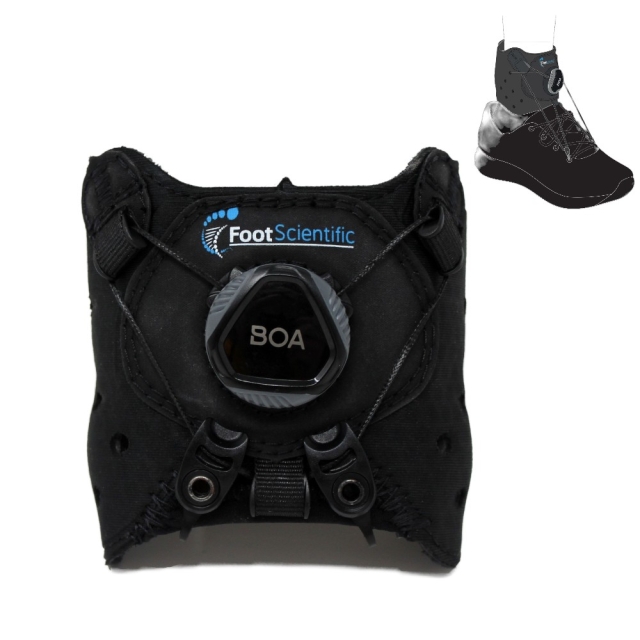
Ankle Braces at Algeos
Sold: Each
Incl. VAT Exl. VAT